

Annapurna Base Camp and Everest Base Camp are Nepal's two most iconic trekking routes, and if you've got browser tabs open comparing both, you're not alone. They're both extraordinary, but they're genuinely different experiences: different altitude, different terrain, different culture, different cost, and different demands on your body. This guide compares them across every factor that actually matters, so you can choose with confidence instead of flipping between itineraries indefinitely.
Hand-picked itineraries
Recommended Trips
Related journeys you may want to explore after reading this article.


Quick Comparison: ABC vs EBC at a Glance
| Factor | Annapurna Base Camp (ABC) | Everest Base Camp (EBC) |
|---|---|---|
| Maximum altitude | 4,130m | 5,364m (5,545m at Kala Patthar) |
| Trek duration | 7–12 days | 12–14 days |
| Difficulty | Moderate | Moderate to challenging |
| Starting point | Pokhara (by road) | Lukla (by flight) |
| Getting to the trailhead | Bus or drive from Kathmandu to Pokhara (6–7 hrs), then a short jeep ride | Flight from Kathmandu (or Ramechhap in peak season) to Lukla |
| Trek style | Loop route through varied terrain | Out-and-back through the Khumbu valley |
| Altitude sickness risk | Moderate | Higher, due to greater elevation and faster ascent profile |
| Cost (trek only) | $800–$1,200 | $1,200–$1,800 |
| Cultural exposure | Gurung, Magar, and Thakali villages | Sherpa villages and Buddhist monasteries |
| Scenery | Rhododendron forests, terraced farmland, glacial amphitheater | High-altitude glaciers, alpine terrain, iconic peaks |
| Best for | Beginners, shorter trips, tighter budgets | Trekkers wanting the Everest experience and a bigger physical challenge |
| Best season | March–May, September–November | March–May, September–November |
| Guide requirement | Mandatory (licensed guide) | Mandatory (licensed guide) |
Altitude and Difficulty
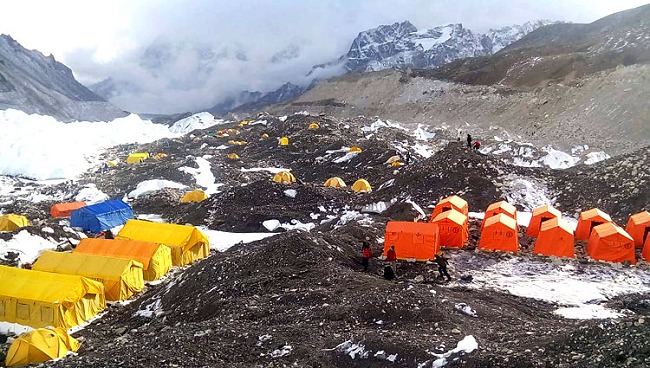
The single biggest difference between these two treks is altitude. ABC tops out at 4,130 meters, while EBC reaches 5,364 meters at the base camp itself, and 5,545 meters at Kala Patthar, the viewpoint most trekkers climb for sunrise views of Everest. That roughly 1,200-meter difference matters more than it might sound: oxygen levels drop meaningfully above 5,000 meters, and the risk of altitude sickness rises accordingly.
That said, "easier" doesn't mean "easy." ABC's trail is dominated by relentless stone staircases, steep, repeated ascents and descents through forest and terraced farmland, that test muscular endurance in a completely different way than EBC's terrain. EBC's walking is less technically steep on a day-to-day basis, but the sustained altitude, colder temperatures, and longer daily walking hours (6–8 hours versus ABC's 5–7) make it the more demanding trek overall.
| Challenge Type | ABC | EBC |
|---|---|---|
| Primary physical demand | Steep stone stairs, constant elevation change | Sustained high altitude, thinner air |
| Daily walking hours | 5–7 hours | 6–8 hours |
| Terrain | Forest trails, stone steps, river valleys | Rocky, high-alpine terrain above the treeline |
| Altitude sickness risk | Moderate; most trekkers acclimatize naturally | Higher; requires deliberate acclimatization days |
If you're more concerned about breathing at altitude, EBC demands more caution. If steep, sustained stair-climbing over multiple hours is your bigger worry, ABC has just as much of a physical bite.
Getting There
Access is another major practical difference. Annapurna Base Camp is reachable entirely overland: a bus or drive from Kathmandu to Pokhara (roughly 6–7 hours, or a short domestic flight), followed by a jeep ride to the trailhead. There's no flight dependency, which means no weather-related cancellation risk before you even start walking.
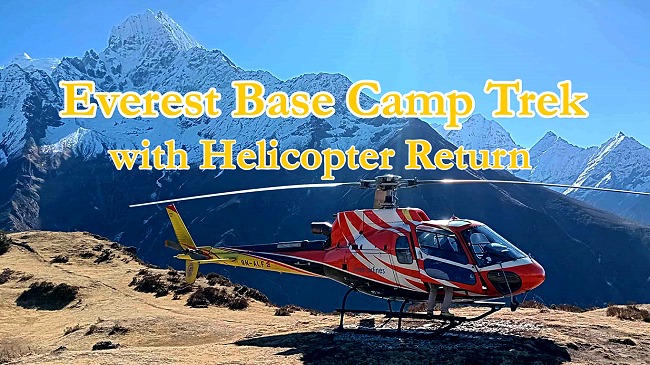
Everest Base Camp requires a flight to Lukla, one of the most famous and, during peak season, most delay-prone airstrips in the world. Flights often depart from Ramechhap (Manthali) rather than Kathmandu during spring and autumn peak season, requiring an early-morning road transfer. This adds a genuine layer of logistical risk to EBC that ABC simply doesn't have, weather delays at Lukla can eat into your itinerary before the trek even begins.
Scenery and Culture
| Aspect | ABC | EBC |
|---|---|---|
| Landscape variety | High, subtropical forest transitions to alpine terrain, rice terraces, rhododendron forests, river valleys | Lower variety, consistently high-alpine and increasingly stark above Namche |
| Signature moment | Arriving at the Annapurna Sanctuary, a 360-degree amphitheater ringed by Annapurna I, Machapuchhre, and Hiunchuli | Standing at the base of Everest itself, with the Khumbu Icefall visible |
| Ethnic communities | Gurung, Magar, and Thakali villages | Sherpa villages and Tibetan Buddhist monasteries (notably Tengboche) |
| Wildlife | No yaks; more agricultural, lower-altitude fauna | Yaks are a common sight above Namche Bazaar |
| Optional extension | Poon Hill (3,210m) sunrise viewpoint | Gokyo Lakes or the Everest Three Passes route |
ABC offers more day-to-day landscape variety, moving through distinctly different ecological zones over the course of the trek, while EBC delivers a more singular, dramatic build toward one of the most famous views on Earth. Neither is "better" scenery, they're different kinds of remarkable.
Cost Comparison
| Expense | ABC | EBC |
|---|---|---|
| Trek package (guide, permits, teahouses, meals) | $800–$1,200 | $1,200–$1,800 |
| Transport to trailhead | $8–$50 (bus or short flight to Pokhara) | $350–$450+ (round-trip Lukla flight) |
| Daily teahouse cost trend | Cheaper overall due to road access | Prices rise noticeably with altitude due to remoteness |
| Overall trip budget (with buffer) | Generally lower | Generally higher, largely due to the Lukla flight and longer duration |
The Lukla flight is one of the biggest cost drivers separating the two treks. ABC's overland access keeps transport costs low and predictable, which is a meaningful factor if budget or trip length is a primary concern.
Duration
ABC can be completed in as little as 7 days, or extended toward two to three weeks if combined with the Annapurna Circuit or a Poon Hill add-on. EBC's classic itinerary runs 12–14 days, largely because of the acclimatization days required at higher altitude, and cannot realistically be compressed much further without meaningfully increasing altitude sickness risk.
If your vacation time is limited, ABC is the far more flexible option.
Guide Requirements
As of the current regulations, a licensed guide is legally mandatory for foreign trekkers on both routes, Annapurna Conservation Area and Sagarmatha (Everest) National Park alike. Solo, unguided trekking is no longer permitted on either trail. This levels the playing field somewhat: neither trek offers a "just go it alone" shortcut anymore, so the guide-related costs and logistics are comparable between the two.
Which Should You Choose?
Choose Annapurna Base Camp if:
- You're a first-time high-altitude trekker or have limited multi-day trekking experience
- You have a tighter budget or a shorter travel window
- You want more landscape and cultural variety within a single trek
- You'd rather avoid dependency on a mountain flight
- You want the option to easily extend into the Annapurna Circuit or add Poon Hill
Choose Everest Base Camp if:
- Standing at the base of the world's highest mountain is specifically what's drawing you to Nepal
- You have two weeks available and a higher budget
- You want a bigger physical and altitude challenge
- You're drawn to Sherpa culture and Khumbu's mountaineering history
- You have prior multi-day trekking experience or want a more demanding trip
Can You Do Both?
Yes, and plenty of trekkers eventually do. There's no rule that says you have to pick one forever, many people start with ABC as an introduction to high-altitude trekking in Nepal, then return for EBC once they have a clearer sense of how their body handles altitude. If your schedule and budget allow it, a combined trip is also possible, though it typically requires three to four weeks total to do both properly with adequate acclimatization.
Not Sure Which Fits You? Let's Talk It Through
Both treks are genuinely extraordinary, and the right choice depends on your fitness, timeline, budget, and what's actually pulling you toward the Himalayas in the first place. Peace Nepal Treks runs both routes with licensed, experienced guides and properly paced, acclimatization-first itineraries.
Explore our Everest Base Camp Trek itinerary for a full breakdown of costs and logistics, or get in touch with our team to talk through your fitness level, available dates, and what's drawing you to Nepal, we'll help you decide which trek is the right fit.