Find Your Tour
  • Home »
  • Trips »
  • Annapurna Panorama View Trek

Annapurna Panorama View Trek

Annapurna Panorama View Trek

Facts About Trip

Days 7
Grade Easy t
Best month All Months Trek
Maxi Elevation 2010
Group size 2
Accommodation Lodge Stay Accommodation
Meal Self-Food
Starts From Drive: KTM TO PKR
End at Drive: PKR TO KTM

Overview And Highlights

Annapurna Panorama View Trek – The Ultimate Beginner’s Guide to a Scenic Himalayan Adventure

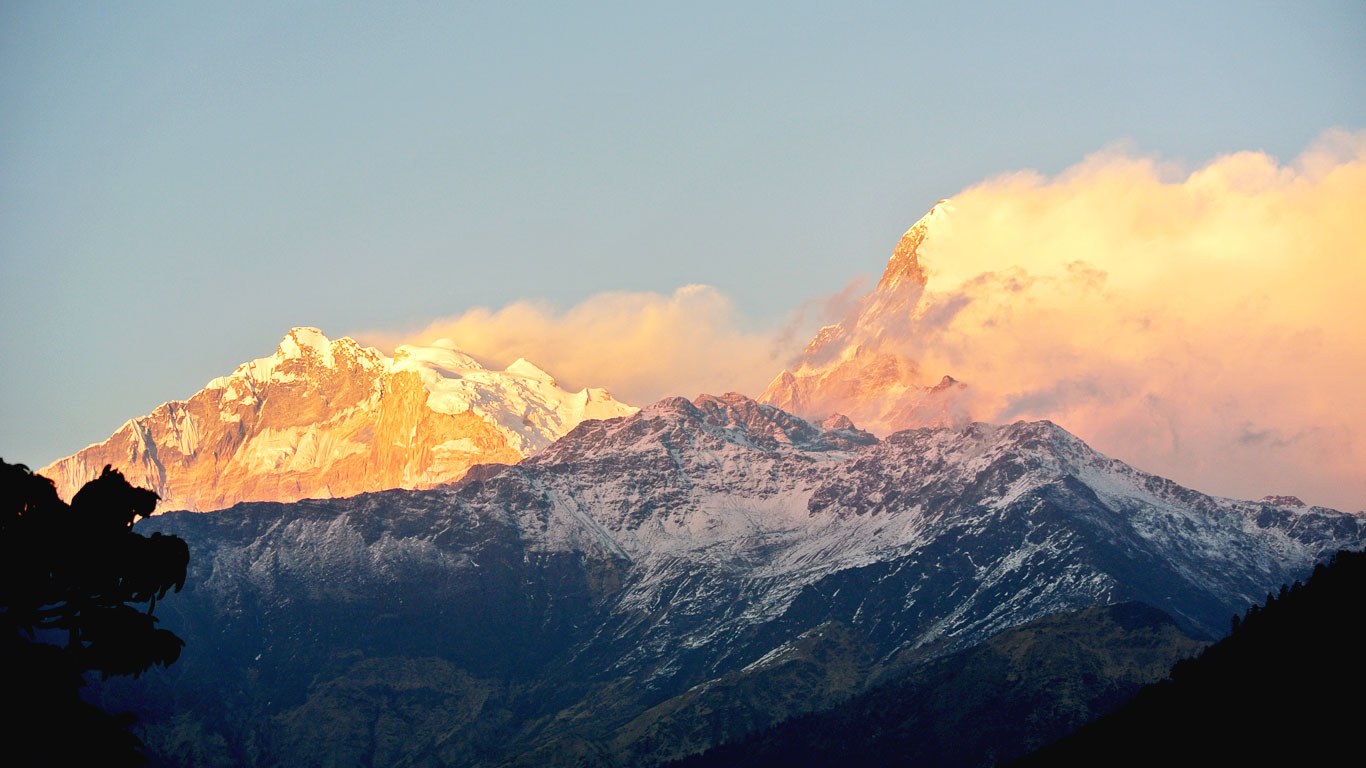
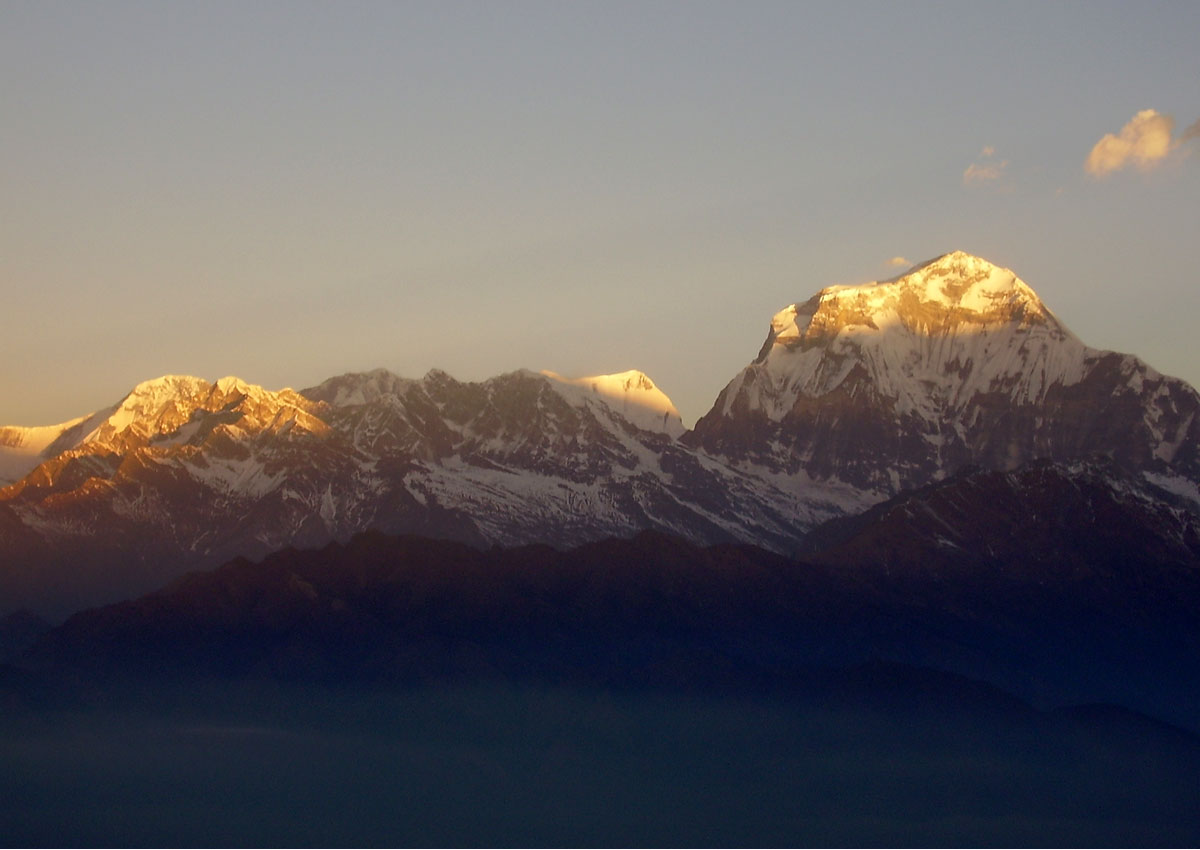
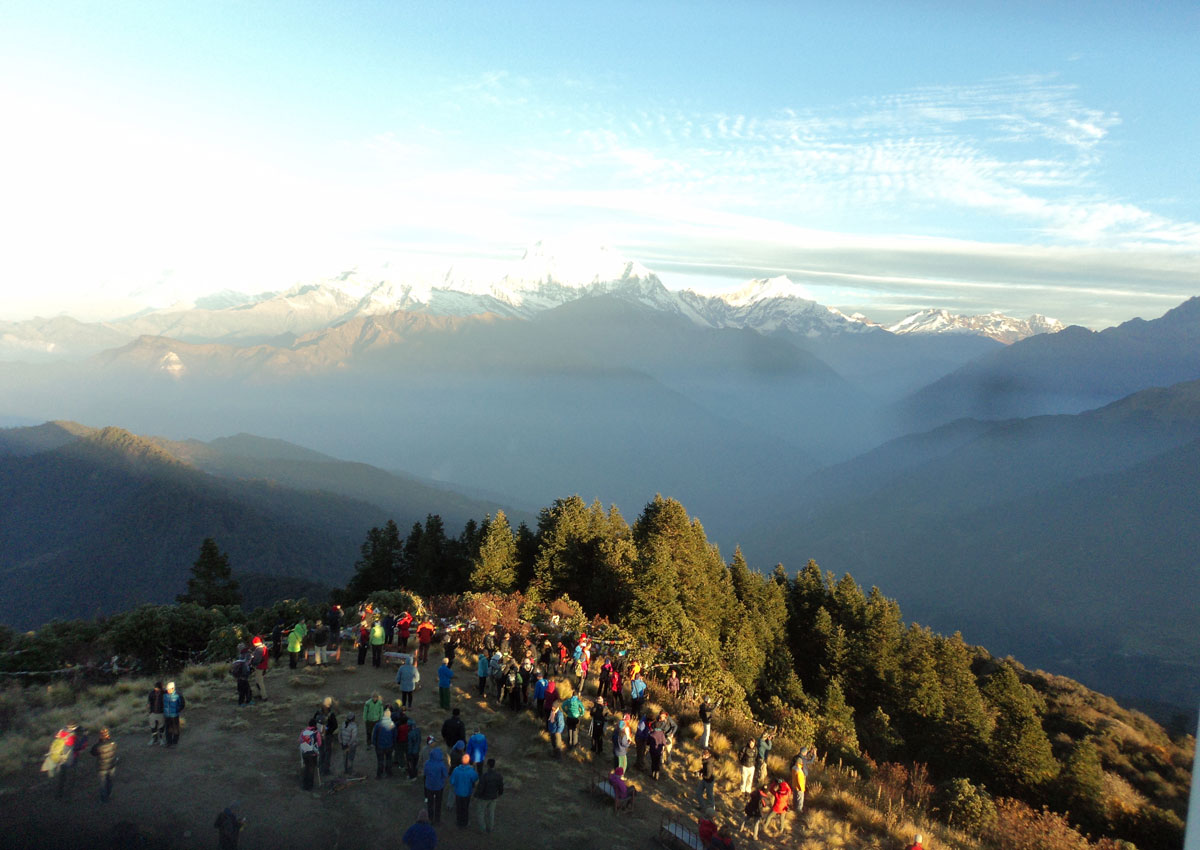
The Annapurna Panorama View Trek is one of Nepal’s best short treks, offering spectacular Himalayan vistas without the challenges of high-altitude climbing. Ideal for beginners, families, and time-conscious travelers, this easy trek provides a rich blend of natural beauty, cultural encounters, and serene mountain landscapes. With stunning views of Annapurna South, Machhapuchhre (Fishtail), and Dhaulagiri, this trek is a perfect introduction to the Himalayas.
________________________________________

Why Choose the Annapurna Panorama View Trek?

✅ Easy and Short Trekking Route
Spanning just 5 to 7 days, this trek avoids strenuous climbs and altitude sickness, making it perfect for beginners or older adults.
✅ Himalayan Views at Low Altitude
Enjoy wide, uninterrupted views of the Annapurna and Dhaulagiri ranges without having to ascend above 2,100 meters.
✅ Cultural and Scenic Experience
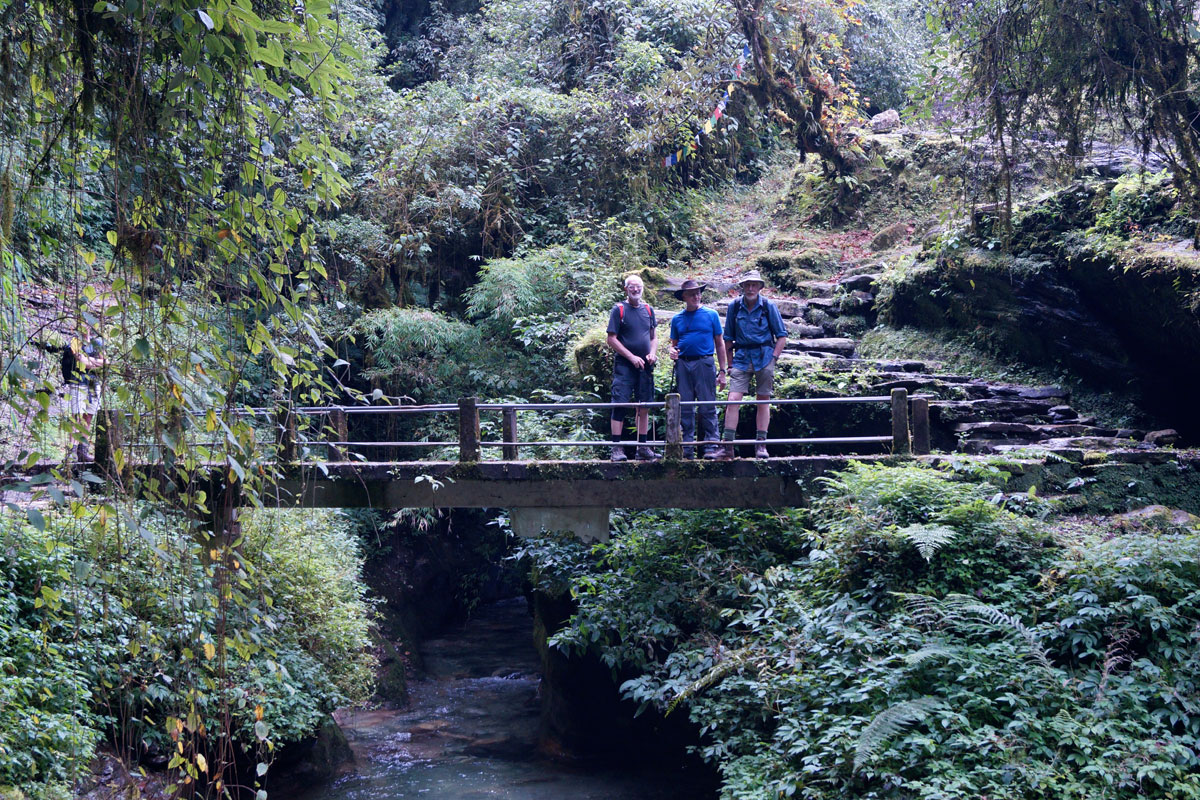
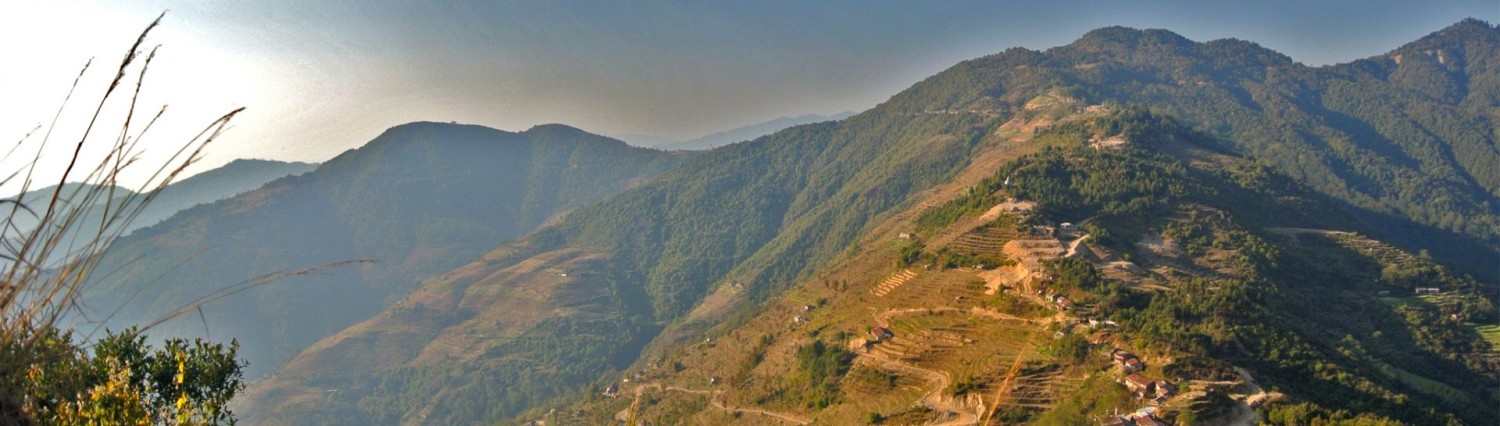
Walk through lush rhododendron forests, traditional Gurung villages, and terraced fields. Stay in cozy tea houses and experience warm Nepalese hospitality.
✅ Accessible from Pokhara
The trek starts with a short drive from Pokhara, Nepal’s scenic lake city, minimizing travel time and maximizing exploration.
________________________________________

Annapurna Panorama Trek at a Glance

  • Trek Duration: 5–7 days
  • Difficulty: Easy
  • Max Altitude: 2,100 meters (Dhampus)
  • Start/End Point: Nayapul / Phedi
  • Best For: Beginners, families, elderly travelers
  •  Key Highlights: Gurung culture, rhododendron forests, panoramic mountain views

Day-by-Day Annapurna Panorama Trek Itinerary

Day 1: Arrival in Kathmandu
Upon arrival at Tribhuvan International Airport in Kathmandu, you'll be greeted and transferred to your hotel. After checking in, take some time to relax or explore the lively Thamel district, known for its restaurants, shops, and vibrant energy. It’s a great place to get your first taste of Nepalese culture. Overnight in Kathmandu.

Day 2: Drive to Pokhara
After breakfast, begin a scenic 6–7 hour drive to Pokhara, traveling through lush hillsides, rivers, and charming villages. Once in Pokhara, you can enjoy a peaceful walk along Lakeside, visit Phewa Lake, and admire your first glimpse of the Annapurna range. Overnight in Pokhara.

Day 3: Pokhara to Nayapul, Trek to Ghandruk
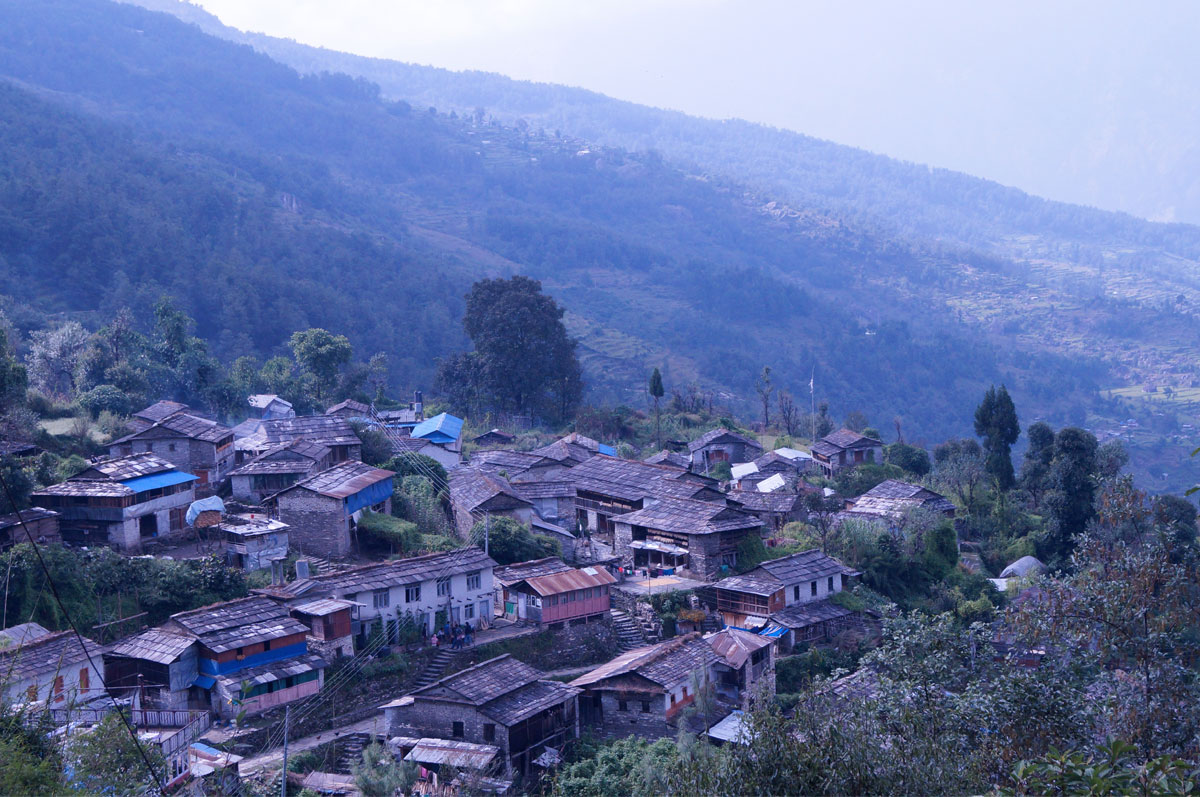
Start the day with a 1.5-hour drive to Nayapul, the gateway to your trek. From there, hike through verdant forests and traditional rural villages to reach Ghandruk, a picturesque Gurung settlement offering close-up views of Annapurna South and Machhapuchhre. Spend the evening exploring the local museum and experiencing the warm hospitality of the locals. Overnight in Ghandruk.

Day 4: Trek from Ghandruk to Pothana
Today’s trek takes you through serene woodlands, terraced farms, and small hamlets. You'll cross the Modi Khola river and ascend gradually toward Pothana. Along the way, enjoy sweeping views of the Annapurna range and the peaceful ambiance of the forest trail. Sunset views from Pothana are especially stunning. Overnight in Pothana.

Day 5: Trek to Dhampus and Return to Pokhara
Begin the day with a gentle hike to Dhampus, a scenic village perched on a ridge with jaw-dropping Himalayan views. After spending some time soaking in the panorama, descend to Phedi, where a vehicle will be waiting to take you back to Pokhara. Enjoy the rest of the day at leisure, perhaps indulging in some lakeside dining or souvenir shopping. Overnight in Pokhara.

Day 6: Drive or Fly Back to Kathmandu
After breakfast, return to Kathmandu by either road or a short domestic flight. Once back in the capital, you’ll have time to explore more cultural landmarks, do some last-minute shopping, or simply relax at your hotel. Overnight in Kathmandu.

Day 7: Final Departure
On your final day, you'll be transferred to the airport for your onward journey or flight back home. As you leave Nepal, take with you unforgettable memories of the Himalayas and the warmth of its people.
________________________________________

Trekking Highlights

Stunning Himalayan Views

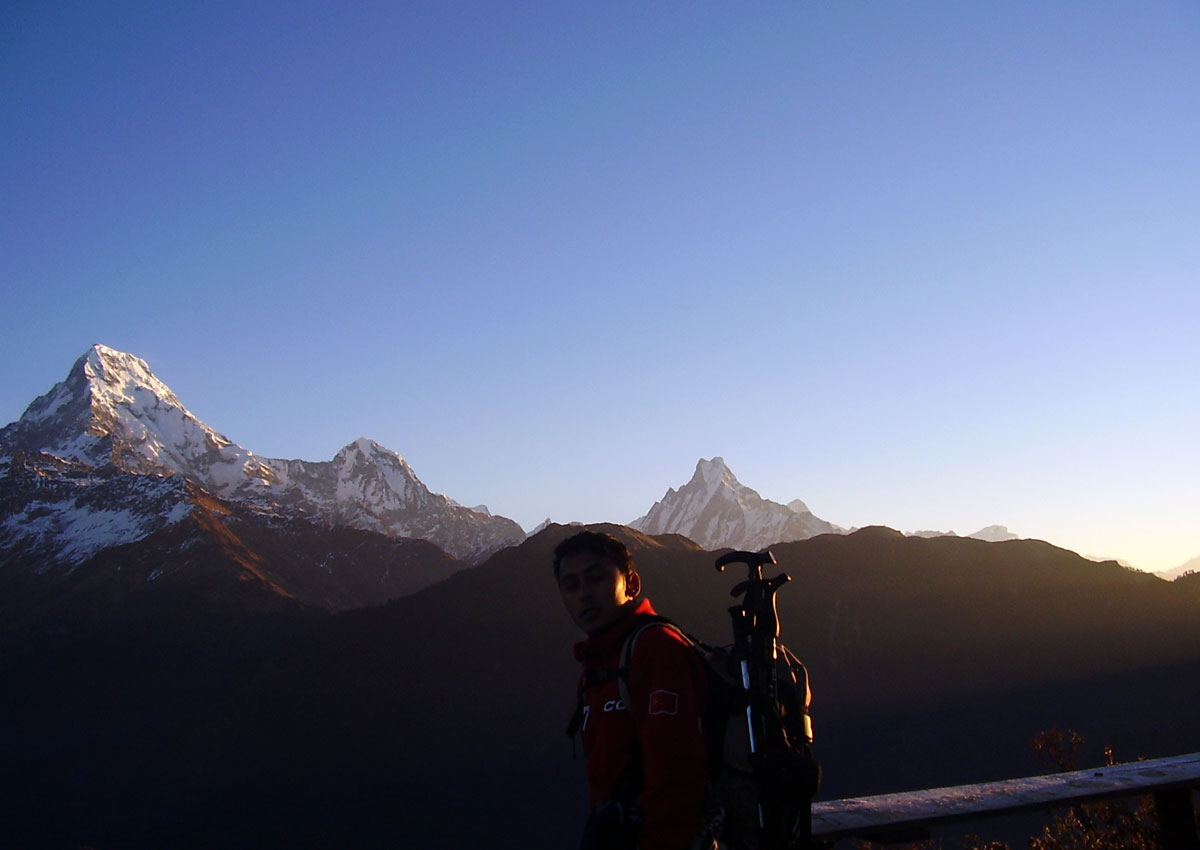
  • Iconic peaks: Annapurna South, Hiunchuli, Dhaulagiri, Machhapuchhre
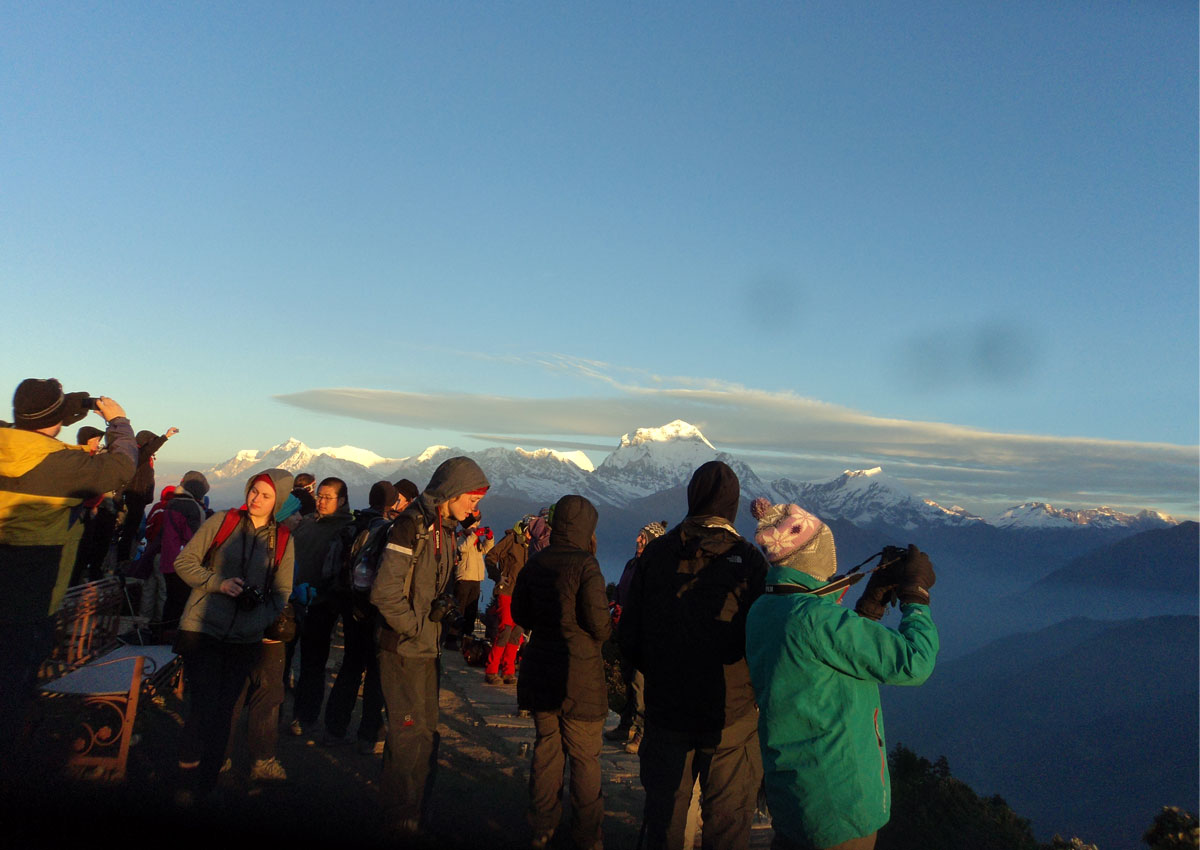
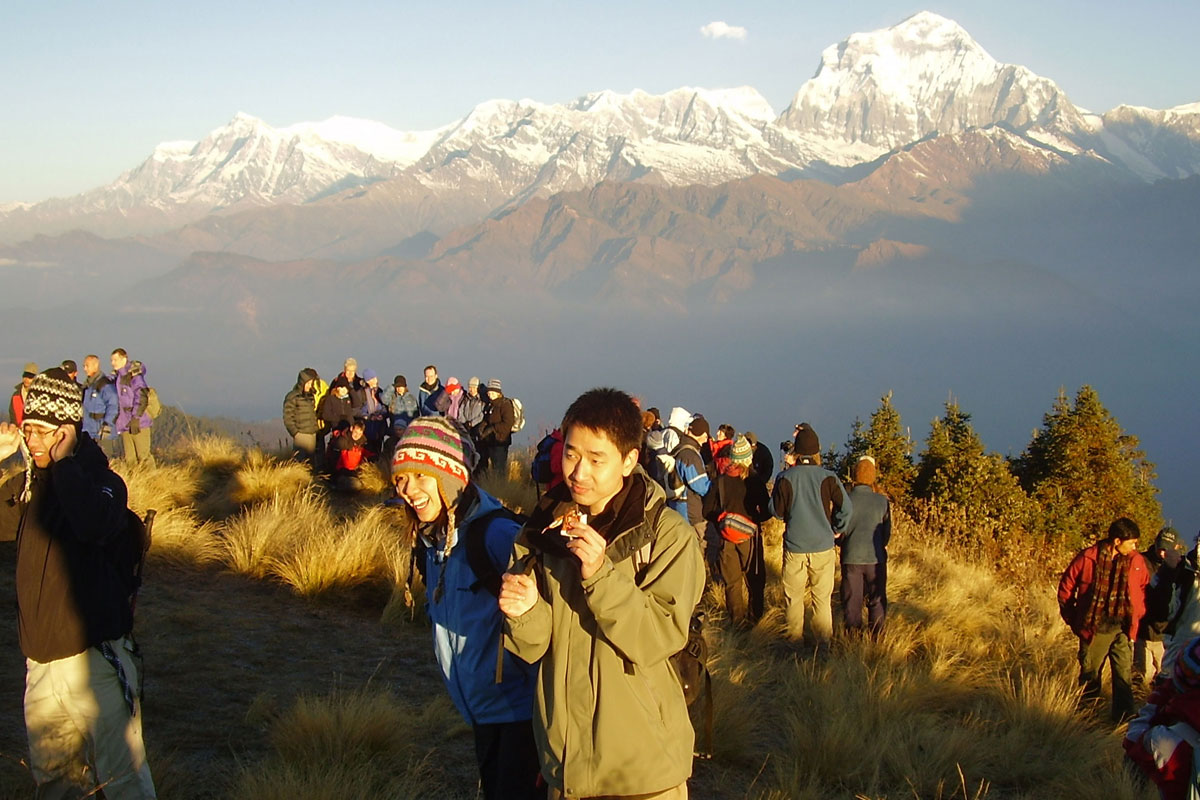
  • Best viewed during sunrise from Pothana and Dhampus

Diverse Natural Landscapes

  • Lush rhododendron, oak, and pine forests
  • Waterfalls and scenic farmland en route

Authentic Local Culture

  • Experience Gurung traditions in Ghandruk
  • Interact with locals, taste homemade cuisine

________________________________________
Best Time to Trek

  • Spring (Mar–May): Rhododendron bloom, clear skies
  • Autumn (Sep–Nov): Stable weather, ideal views
  • Winter (Dec–Feb): Crisp views, fewer crowds
  • Avoid Monsoon (Jun–Aug): Slippery trails and rain

________________________________________
Accommodation & Food on the Trek

🏠 Lodging

  • Clean, locally run tea houses and mountain lodges
  • Twin beds, blankets, and basic amenities

🍛 Meals

  • Hearty trekking meals like dal bhat, noodles, pancakes
  • Vegan/vegetarian-friendly menus

________________________________________

What to Pack for the Annapurna Panorama Trek

  • Hiking boots, warm jacket, rain gear
  • Quick-dry layers, gloves, hat, sunglasses
  • Water purification tablets or bottle
  • Power bank, sunscreen, basic first aid

________________________________________
Trekking Logistics

  • Internet & Mobile: Wi-Fi and mobile signals (NTC/Ncell) available
  • Electricity: Charging stations at lodges (small fee possible)
  • Water: Refill and purify; avoid plastic waste
  • Hygiene: Clean but basic toilets, hot showers at extra cost

________________________________________
Pro Tips for a Smooth Trek

  • Start early for clear skies and better photos
  • Carry cash—no ATMs along the trail
  • Respect locals and local customs
  • Hydrate well, avoid alcohol while trekking

________________________________________
Optional Add-ons and Side Trips

  • Poon Hill Sunrise Trek: Add one day for a stunning viewpoint
  • Sarangkot Sunrise Tour: Easy half-day from Pokhara
  • Lumbini or Chitwan Safari: Cultural or wildlife adventures post-trek

________________________________________
Who Should Join This Trek?

  • Solo travelers & backpackers
  • Couples and honeymooners
  • Families with children
  • Senior citizens & first-time trekkers
  • Student and corporate groups

The Annapurna Panorama View Trek offers a rewarding and accessible Himalayan experience without the intensity of high-altitude expeditions. With its easy trails, spectacular views, and cultural richness, it’s the ideal trek for anyone wanting a peaceful and immersive mountain journey in Nepal.

Day to Day Itinerary

Expand All Close All
Day 1 : Arrival at the Tribhuwan International Airport and transfer to the hotel.

Arrival at the Tribhuwan International Airport and transfer to the hotel.

Day 2 : Drive from Kathmandu to Pokhara. Overnight in Pokhara.

Drive from Kathmandu to Pokhara. Overnight in Pokhara.

Day 3 : Drive from Pokhara to Nayapul and trek to Ghandurk. Overnight in Ghandruk.

Drive from Pokhara to Nayapul and trek to Ghandurk. Overnight in Ghandruk.

Day 4 : Trek from Ghandruk to Pothana. Overnight in Pothana.

Trek from Ghandruk to Pothana. Overnight in Pothana.

Day 5 : Trek to Dhampus Phedi and drive to Pokhara. Overnight in Pokhara.

Trek to Dhampus Phedi and drive to Pokhara. Overnight in Pokhara.

Day 6 : Drive back to Kathmandu. Overnight in Kathmandu.

Drive back to Kathmandu. Overnight in Kathmandu.

Day 7 : Departure from Kathmandu.

Departure from Kathmandu.

Note: Above holiday itinerary can be customized as our guest specific requirements and can make shorter and longer. We design your holidays accordingly.

Services Included on Price

Book Trip

Cost Includes

  • Transportation: return transfers from International airport to your hotel
  • Hotel stay: one-night hotel accommodation stay in Kathmandu
  • Entry fees: all government taxes and Annapurna conservation entry fees
  • TIMS CARD: (Trekking Information Management System)
  • Guide & porter: One experienced English speaking guides & necessary supporter to carry your luggage (two guest = 1 porter (we pay their daily wages, insurances, trekking equipment, food, and accommodation)
  • Wages: 6 days guide wages including his insurances/meals/accommodation/insurances/equipments
  • Wages: 6 days porter (to carry your luggage) wages including his insurances/meals/accommodation/equipment
  • 5 nights mountain lodge accommodation (best available) with twin sharing basis on tea house services trek
  • Transportation: Kathmandu to Pokhara via tourist bus 
  • Transportation: Pokhara to trek starting place Tikhedunga via taxi or local bus
  • Transportation:  Flight: Jomsom to Pokhara
  • Transportation: Pokhara to Kathmandu via tourist bus
  • Trekking equipment: trekking poles, sleeping bag/duffle bag/down jacket (we provide these if necessary), to be returned after the trek completed
  • Water purification tablets: unlimited Chlorine treated Safe Drinking water
  • Supplementary snacks: energy bars and cookies at base camp
  • Fruits: Seasonal fresh fruits where is possible
  • Local SIM CARD (NCELL), to be returned after the trek completed
  • Rescue arrangements: in emergency situation & worst weather condition
  • Diamox: Additional medication for altitude sickness (Acetazolamide etc)
  • Map: Annapurna trekking map
  • Rubbish disposal
  • government taxes & PNT official service charge

Water: Mineral waters are available at all stops during tea house treks (paying your own). You can also use tap water if you choose to use water purification tablets.

Medical support: An emergency first aid kit is carried by the support staff at all times.

Cost Excludes

  • Meals: All meals (lunch/dinner/breakfast) in Kathmandu & on the trek
  • Snacks: chocolate/aerated drinks/mineral water/alcoholic drinks/nutria bars
  • Hotel stays: extra night hotel stay in Kathmandu
  • Tipping: end of the trek tips to guides and support staff
  • Rescue services: additional costs in case of emergency (You must have adequate medical & travel insurance to cover any kind of emergencies), including helicopter evacuation & hospitalization (medical test, medicine) if required
  • extra expenses: personal expenses and any other unforeseen expenses, such as bottle water/coca-cola/WIFI on trek/hot shower/electric device recharge
  • city visit: sightseeing in Pokhara and Kathmandu entrance fees/transportation/hire guide
  • Flight ticket: Your International flight ticket airfare & Nepal entry visa fees which travel visa can get up on your arrival in Kathmandu airport, On Arrival Visa Fee 15 Days – 30 USD, 30 Days – 50 USD, 90 Days – 125 USD
  • Services not mentioned herein
  • Personal trekking equipment

Travel Insurance: –

Travel Insurance is mandatory for all clients who choose to trek or climb with us. The insurance should cover you in case of emergencies like accidents, altitude sickness, and ambulance and helicopter rescue charges if required. Please carry a copy of your insurance papers while traveling in Nepal and do send us a copy as well. This will help us in making all the necessary arrangements in case of any sort of emergencies.

FAQs

1. How difficult is the Annapurna Panorama Trek?

This trek is considered easy to moderate. It’s perfect for beginners, families, and older travelers. No previous trekking experience is needed.

2. How many days does the trek take?

The trek usually takes 5 to 7 days, depending on your pace and chosen itinerary.

3. What is the highest point of the trek?

The highest point is around 2,100 meters (Dhampus), so there is no risk of altitude sickness.

4. What are the main highlights of the trek?

You’ll enjoy stunning views of Annapurna South, Machhapuchhre (Fishtail), and Dhaulagiri, beautiful forests, traditional villages like Ghandruk and Dhampus, and Gurung culture.

5. When is the best time to do this trek?

The best seasons are spring (March–May) and autumn (September–November) for clear skies and pleasant weather.

6. Do I need a guide for this trek?

While the trail is well-marked, hiring a guide or porter is helpful for support, navigation, and cultural insight.

7. What kind of accommodation is available?

You’ll stay in tea houses or local lodges with basic but comfortable rooms. Meals are simple and freshly made.

8. What should I pack?

Bring comfortable hiking shoes, warm layers, a daypack, water bottle, sunscreen, hat, and rain gear. A full packing list is usually provided by your trek operator.

9. Can children or elderly people do this trek?

Yes, it’s a family-friendly trek suitable for children and seniors who are in good health and can walk for several hours a day.

10. Is there internet and phone signal on the trek?

Yes, most villages along the route have Wi-Fi (may be slow) and mobile network coverage (NTC/Ncell).

11. Do I need permits for this trek?

Yes, you’ll need the TIMS Card and ACAP (Annapurna Conservation Area Permit), which can be arranged by your trekking company.

12. Can I do this trek solo?

Yes, solo trekking is possible, but hiring a guide adds safety and a better experience, especially if it’s your first time in Nepal.

Additional Information

Spring (March to May)

Spring is the best time to visit the Himalayas in Nepal. The weather is sunny, the skies are clear, and temperatures are warm during the day—around 20 to 25°C below 3,500 meters. At higher elevations, nights can get very cold, sometimes as low as -15°C. There might be light rain, but it helps the forests bloom, especially with colorful rhododendrons. This is also the busiest season for trekking and mountain climbing in Nepal.

Summer / Monsoon (June to August)

This is Nepal’s rainy season. It rains a lot from June to August, and sometimes until mid-September. Some treks can be done in early June before the heavy rains start, but the views may be blocked by clouds. Landslides and flight delays are common, so trekking in popular areas like Everest is not recommended. Instead, you can visit drier regions like Upper Mustang or Upper Dolpo. Activities like white-water rafting and jungle safaris in Chitwan or Bardia National Park are also great alternatives.

Autumn (September to November)

Autumn is another great time to trek in Nepal. It starts in mid-September and lasts until mid-December. The weather is clear, dry, and warm, perfect for mountain views and outdoor adventures. This season also includes major festivals like Dashain and Tihar, making it a fun and colorful time to visit. However, popular trails can be crowded, so it’s best to book your trek early. If you want quieter routes, consider places like Manaslu, Tsum Valley, Upper Dolpo, or Naar Phu.

Winter (December to February)

Winter in Nepal is cold, especially in the high mountains where it often snows. Trekking at high altitudes is not recommended during this time. But lower-altitude hikes like Ghorepani, Poon Hill, or trails around Kathmandu and Pokhara are still possible. Wildlife tours in Chitwan and Bardia or cultural experiences in local villages are also good options. Winter offers clear skies and beautiful sunrises and sunsets, especially in rural areas.

Here’s a basic list of what you should bring when visiting Nepal. What you pack depends on your trip, especially if you’re trekking or doing other outdoor activities.

It’s best to bring your most important items from home, but you can also buy or rent gear in Kathmandu. There are many shops with well-known brands, often at lower prices than back home.

Our list is based on years of trekking experience. Keep in mind, porters can carry up to 20kg of your gear, but you should carry a daypack (8–12kg) with items you need during the day, like water, snacks, and a camera.

Clothing & Footwear

  • Good trekking boots
  • Comfortable sandals or flip-flops
  • Warm socks (preferably polypropylene)
  • Down jacket (for cold weather)
  • Fleece jacket or sweater
  • T-shirts (quick-dry are best)
  • Trekking pants
  • Shorts (for walking and relaxing)
  • Swimwear (for hot springs or pools)
  • Sun hat and warm wool hat
  • Lightweight windbreaker or rain jacket
  • Gloves (warm and windproof)
  • Gaiters (optional, for muddy or snowy trails)

Gear & Essentials

  • Strong backpack (rucksack)
  • Sleeping bag (suitable for cold weather)
  • Reusable water bottle
  • Headlamp or flashlight (with extra batteries)
  • Sunglasses (UV protection)
  • Sunscreen and lip balm
  • Travel towel
  • Wet wipes
  • Toilet paper
  • Soap and basic toiletries
  • Personal medication (including water purification tablets)

Electronics & Extras

  • Camera and spare memory cards
  • Binoculars (optional for wildlife viewing)
  • GPS or tracking device (optional)
  • Compass (if going off main trails)
  • Book, music player, or playing cards for entertainment
  • Padlock (for bags)
  • Small plastic bag for trash
  • Energy bars or snacks for the trek

This checklist helps you stay prepared, safe, and comfortable during your adventure in Nepal. Let me know if you want a printable version or if you're planning a specific trek so I can tailor the list for that route!

Choose Your Own Private Trip Date

Want to enjoy this Peace Nepal holiday with just your own group of friends or family? No problem! You can book it as a Private Adventure.

Our team is happy to help you choose the best options or give you a price. Just call us at 977--9851014405 or email us at info@peacenepaltreks.com.

We’re here to help make your trip special !

Client Reviews

Kate  •  Kathmandu, Nepal  •  Aug 06, 2023
Incredible experience in Nepal! I was part of a group that worked with Nir in November 2016, and he and everyone working at Peace Nepal Treks were incredibly helpful throughout our experience. Nir provided invaluable advice and expertise on our trip, going above and beyond at every opportunity imaginable to make our trip to Nepal the most enjoyable and authentic it could be. Whenever we had an id ... See more
Inquiry This Trip

Similar Packages

Enjoy the popular trekking and tour packages in Nepal Himalayas. 2025.

Annapurna Region Trek 7 Days

Annapurna Panorama View Trek
( 5 ) 1 Review

We Are Associated

  • NTB
  • NMA
  • TAAN
  • Gov Nepal

Find & Follow Us on

© 2011 - 2025 All rights reserved. Peace Nepal Treks.