Find Your Tour
  • Home »
  • Trips »
  • Nepal Cultural & Spiritual Discovery Tour

Nepal Cultural & Spiritual Discovery Tour

Nepal Cultural & Spiritual Discovery Tour

Facts About Trip

Days 8
Grade Easy to Easy
Best month Feb/March/Apri/May/June/Oct/Nov/Dec
Maxi Elevation 2500
Group size 2
Accommodation Hotel Stay & Local Homestay
Meal L-D-B-A
Starts From Kathmandu
End at Kathmandu

Overview And Highlights

This 8-day Nepal tour offers a blend of culture, nature, and local experiences. Begin with a warm welcome in Kathmandu and a comfortable stay at a 4-star hotel. Explore Kathmandu’s historical sites before a scenic drive to Nagarkot, where you'll enjoy a Himalayan sunrise and visit the ancient Changunarayan Temple. Continue to the serene Namobuddha, then immerse yourself in the authentic village life of Thulo Parsel, staying in a tented camp or a local homestay while sharing traditional meals and visiting a government school. Return to Kathmandu for a luxurious stay and tour the UNESCO-listed Bhaktapur Durbar Square and optionally Patan Durbar Square. The trip concludes with a heartfelt farewell and airport transfer, leaving you with unforgettable memories of Nepal’s rich heritage and hospitality.

Embark on a transformative journey through Nepal, a land where ancient traditions, spiritual depth, and natural beauty converge. This thoughtfully curated tour offers an immersive experience into Nepal's cultural treasures, monastic life, and rural traditions.

Top Highlights of the Nepal Cultural & Spiritual Discovery Tour

  • Kathmandu – The Cultural Heart of Nepal: Explore the capital's narrow streets filled with temples, stupas, and monuments that narrate the country's rich history.
  • Swayambhunath (Monkey Temple): Perched atop a hill, this iconic stupa offers panoramic views of Kathmandu Valley and is revered by both Hindus and Buddhists.
  • Boudhanath Stupa: One of the largest stupas in the world, it's a hub for Tibetan Buddhism and a place of peaceful devotion.
  • Pashupatinath Temple: A sacred Hindu temple dedicated to Lord Shiva, located on the banks of the holy Bagmati River.
  • Kathmandu Durbar Square: A historic square showcasing ancient architecture and royal heritage.
  • Nagarkot – Himalayan Vistas and Serenity: A peaceful retreat known for its panoramic views of the Himalayas, including Mount Everest on clear days.
  • Changunarayan Temple – An Ancient Marvel: One of the oldest temples in Nepal, dedicated to Lord Vishnu and showcasing intricate carvings.
  • Namobuddha Monastery – A Spiritual Haven: Experience monastic life, participate in daily puja ceremonies, and learn about Buddhist teachings.
  • Thulo Parsel Village – An Authentic Rural Experience: Immerse yourself in traditional village life, observe agricultural practices, and engage with local communities.
  • Thamel Market and Ason Bazaar – A Shopper’s Delight: Explore vibrant markets offering handicrafts, spices, and traditional goods.

This journey through Nepal offers a perfect blend of cultural exploration, spiritual immersion, and authentic rural experiences. From the historic sites of Kathmandu to the peaceful rhythms of monastic life at Namobuddha, and the vibrant traditions of Thulo Parsel village, you'll gain unique insights into Nepal's diverse heritage. Each moment—from breathtaking Himalayan views in Nagarkot to sharing meals with monks and engaging with local communities—creates lasting memories of Nepal's warmth, beauty, and timeless traditions.

Let Peace Nepal Treks make this extraordinary adventure a reality, connecting you with the heart of Nepal like never before.

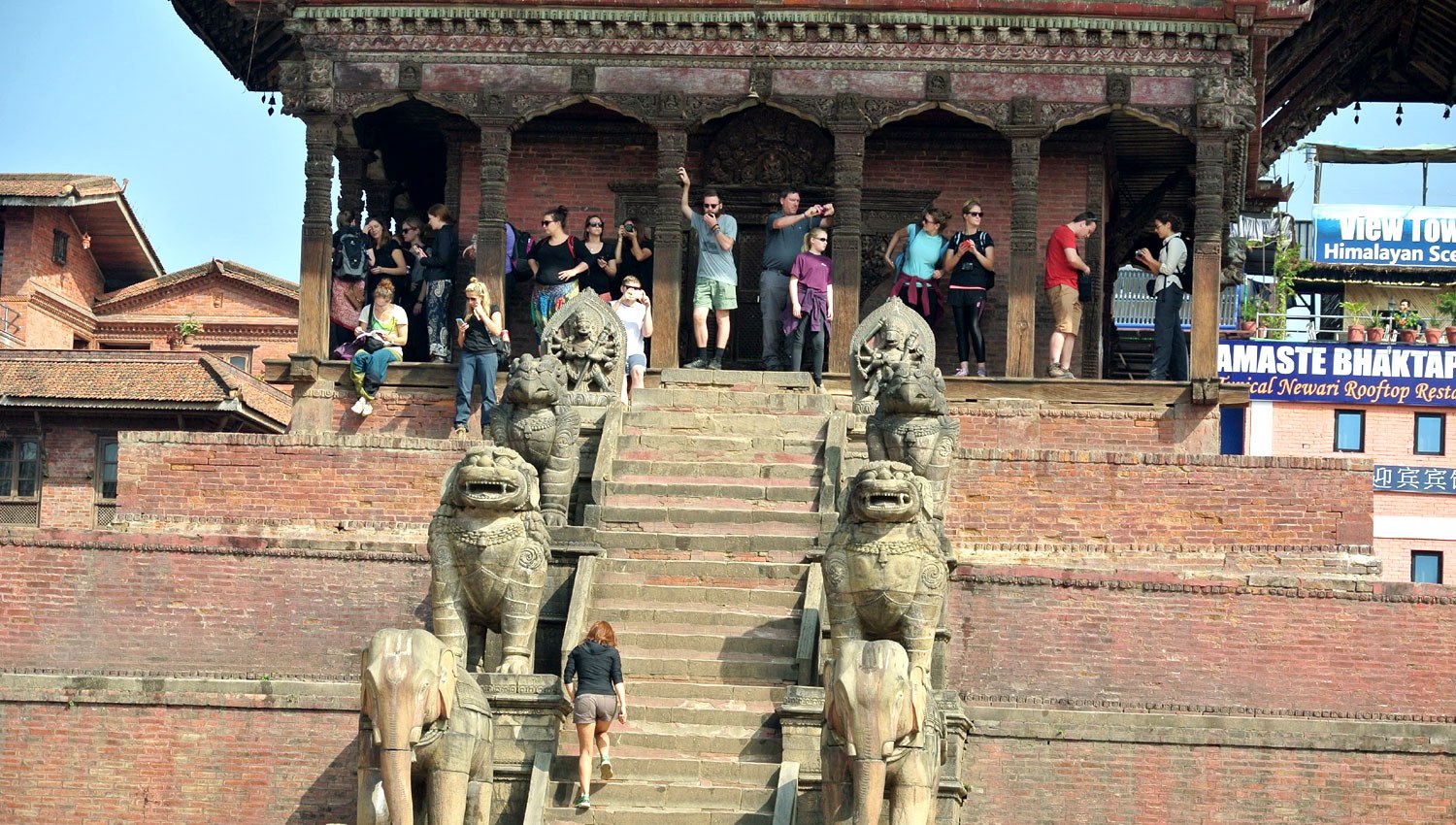
Kathmandu – The Cultural Heart of Nepal

Kathmandu, the capital city, is a treasure trove of historical landmarks and cultural wonders. Its narrow streets are filled with temples, stupas, and monuments that narrate the country’s rich history.

Swayambhunath - Monkey Temple

Perched atop a hill overlooking Kathmandu Valley, Swayambhunath is one of Nepal's most iconic religious sites. A UNESCO World Heritage Site, it is revered by both Hindus and Buddhists. The stupa is adorned with the all-seeing eyes of Buddha, symbolizing awareness and compassion. The atmosphere is both serene and lively, as playful monkeys roam the site while pilgrims spin prayer wheels and light butter lamps.

Boudhanath Stupa: The Spiritual Crown of Kathmandu

This massive stupa is among the largest in the world and a hub for Tibetan Buddhism. Its imposing dome and fluttering prayer flags create an aura of peace and devotion. Visitors can circumambulate the stupa, observe monks chanting, or simply soak in the meditative energy of the place.

Pashupatinath Temple

A sacred Hindu temple dedicated to Lord Shiva, Pashupatinath is located on the banks of the holy Bagmati River. This UNESCO World Heritage Site is a significant pilgrimage destination for Hindus. Visitors can witness traditional rituals, including crematin ceremonies, while gaining a deeper understanding of Nepal’s spiritual traditions.

Kathmandu Durbar Square

This historic square is a living museum of ancient architecture and royal heritage. Once the seat of Nepal’s kings, the square is home to intricately designed palaces, temples, and courtyards. It’s a must-visit for anyone interested in Nepal’s history and artistry.

Nagarkot – Himalayan Vistas and Serenity

Nestled in the hills just outside Kathmandu, Nagarkot is a peaceful retreat known for its panoramic views of the Himalayas. On a clear day, you can see peaks like Langtang, Ganesh Himal, and even Mount Everest in the distance. The tranquil environment is perfect for reflection, relaxation, and enjoying nature’s beauty.

Changunarayan Temple – An Ancient Marvel

One of the oldest temples in Nepal, Changunarayan is a masterpiece of Nepalese art and architecture. Located on a hilltop surrounded by lush forests, the temple is dedicated to Lord Vishnu and showcases intricate wood and stone carvings. The site is a UNESCO World Heritage Site and offers insights into Nepal’s ancient history and religious practices.

Namobuddha Monastery – A Spiritual Haven

Namobuddha is one of the holiest Buddhist sites in Nepal, associated with the legend of a compassionate prince who sacrificed himself to save a starving tigress and her cubs. This serene location is home to a monastery where you’ll experience:

Living with Monks

Stay in the monastery’s guesthouse, where you’ll have the unique opportunity to dine alongside monks and participate in their daily puja (chanting) ceremonies. This immersion provides a rare glimpse into the discipline and devotion of monastic life.

Learning Buddhist Philosophy

If arranged, you may meet the monastery’s principal, who can share insights into Buddhist teachings, meditation practices, and the principles of compassion and mindfulness. This interaction is a deeply enriching experience for those seeking spiritual growth.

Thulo Parsel Village – An Authentic Rural Experience

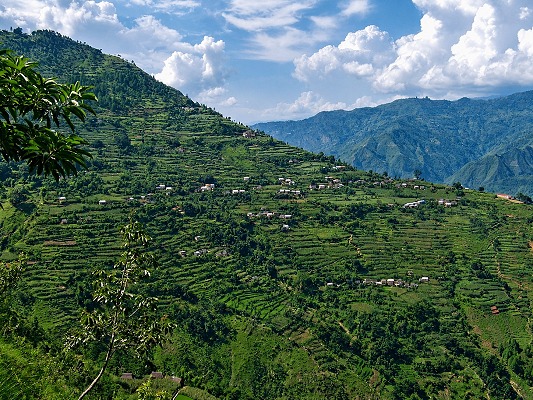
Far from the bustling city, Thulo Parsel offers a window into Nepal’s rural life. This village is untouched by mass tourism, making it an ideal destination for travelers looking for authenticity.

Local Village Life and Traditions

Thulo Parsel is home to diverse ethnic groups and castes, each contributing to the village’s vibrant culture. As you explore, you’ll see traditional homes, observe daily routines, and interact with locals, gaining a deeper appreciation of their way of life.

Agricultural Practices

Farming is the backbone of rural Nepal. In Thulo Parsel, you’ll witness how locals cultivate their land, tend to livestock, and sustain their families through agriculture. This hands-on experience connects you to the roots of Nepal’s economy and traditions.

Local Monastery and School Visits

Visit the village monastery to observe how spirituality influences everyday life. The school visit offers an opportunity to meet students and teachers, understand the challenges faced by rural education, and contribute by providing school supplies if you wish.

Thamel Market and Ason Bazaar – A Shopper’s Delight

No visit to Kathmandu is complete without exploring its vibrant markets.

Thamel Tourist Market

A bustling hub for travelers, Thamel is filled with shops selling handicrafts, trekking gear, souvenirs, and traditional clothing. It’s a great place to pick up unique items and experience Kathmandu’s lively atmosphere.

Ason Bazaar Local Market

This traditional market is a sensory delight, offering spices, fresh produce, and everyday goods. The narrow alleys and vibrant stalls provide a glimpse into the daily life of locals.

This journey through Nepal offers a perfect blend of cultural exploration, spiritual immersion, and authentic rural experiences. From the historic sites of Kathmandu to the peaceful rhythms of monastic life at Namobuddha, and the vibrant traditions of Thulo Parsel village, you’ll gain unique insights into Nepal’s diverse heritage. Each moment—from breathtaking Himalayan views in Nagarkot to sharing meals with monks and engaging with local communities—creates lasting memories of Nepal’s warmth, beauty, and timeless traditions.

Let Peace Nepal Treks make this extraordinary adventure a reality, connecting you with the heart of Nepal like never before.

Day to Day Itinerary

Expand All Close All
Day 1 : Arrive at Kathmandu Airport, where you'll be warmly welcomed and transferred to your 4-star hotel for a comfortable overnight stay.
Food
B-L-D-A
Accomodation
Hotel Stay Accommodation
Elevation
1300

After you arrive at Tribhuvan International Airport (TIA) in Kathmandu, our team will meet you and take you to your hotel. They will assist you with checking in. You will stay 4 star hotel in Kathmandu.

Day 2 : Discover the historical sites of Kathmandu, then take a scenic drive to Nagarkot for an overnight stay at The Fort Resort Hotel or a similar standard hotel.
Food
B-L-D-A
Accomodation
Hotel Stay Accommodation
Elevation
2200

After breakfast, our guide will meet you at your hotel around 8 AM and explain today's plan. We will visit Kathmandu's historical sites, including Swayambhunath Temple, Pashupatinath Temple, and Boudhanath Stupa. After visiting the first two places, we'll have lunch at a restaurant near Boudhanath Stupa. 

In the afternoon, we'll drive to Nagarkot – 2175M, which is about 30 km from Kathmandu and takes around 2 hours to reach. Nagarkot is 2,175 meters above sea level. We will stay at the Himalayan Villa Hotel, The Fort Resort, Hotel Country Villa, or a similar hotel.

Swayambhunath - Monkey Temple

The Monkey Temple, also known as Swayambhunath, is a sacred Buddhist site located atop a hill in Kathmandu Valley. It is famous for its iconic stupa and resident monkeys. Visitors can climb the steps to reach the temple complex and enjoy panoramic views of the city.

Boudhanath Stupa visit

Boudhanath Stupa is one of the largest stupas in Nepal and a UNESCO World Heritage Site. It is a significant pilgrimage site for Buddhists and a cultural hub for locals and tourists alike. The stupa's massive dome, adorned with prayer flags and colorful prayer wheels, is surrounded by monasteries and shops selling religious artifacts.

Pashupatinath Temple:

Pashupatinath Temple is a sacred Hindu temple dedicated to Lord Shiva, located on the banks of the Bagmati River in Kathmandu. It is one of the most important temples in Nepal and attracts devotees and tourists from around the world. The temple complex consists of various shrines, ghats (cremation sites), and ashrams, providing a glimpse into Hindu rituals and traditions.

Nagarkot visit

Nagarkot is a picturesque hill station located in the Bhaktapur District of Nepal, just east of Kathmandu Valley. It is renowned for its stunning panoramic views of the Himalayas, including notable peaks like Mount Everest and Annapurna and Langtang region. Nagarkot is a popular destination for tourists seeking breathtaking sunrise and sunset vistas over the snow-capped mountains. Apart from its natural beauty, Nagarkot offers opportunities for hiking, birdwatching, and experiencing the tranquil countryside. It serves as a peaceful retreat from the hustle and bustle of city life, making it a favored destination for both locals and travelers.

Day 3 : Enjoy the stunning sunrise over the Himalayas from Nagarkot. You can choose to take a walk to Changunarayan Temple or drive there directly for a visit. Afterward, continue with a drive to Namobuddha for an overnight stay.
Food
B-L-D-A
Accomodation
Hotel Stay Accommodation
Elevation
2500

The sun rise views and the sun set views are very perfect from Nagarkot
Hiking to Changunarayan temple and drive to Namobuddha Guest House stay night.
Today, we will stay at a guest house that belongs to the monastery and have dinner and breakfast with the monks. It is a unique experience to share a meal with them. We will eat the same simple food the monks have in their daily routine.

Today, after breakfast, we take a short half-hour drive from Nagarkot to Telkot. Then, we hike for about 3 hours to reach Changunarayan Temple. We explore the temple and its surroundings. After that, we drive for about 2 hours to reach Namobuddha, where we stay overnight in a guest house. Tonight, you'll experience staying in the monastery guest house and eating simple meals like the monks do. You can also join the monks for their prayers and chants.

Changunarayan Temple

Changunarayan Temple is an ancient Hindu temple located near Bhaktapur in Nepal. It is one of the oldest temples in the Kathmandu Valley and is dedicated to the Hindu god Vishnu. The temple is renowned for its exquisite architecture, intricate stone carvings, and historical significance, making it a UNESCO World Heritage Site.

Namobuddha Monastery

Namobuddha is a sacred Buddhist pilgrimage site situated in the Kavrepalanchok District of Nepal. It holds immense spiritual importance as the place where Lord Buddha, in a previous life, selflessly offered his body to a hungry tigress and her cubs. The site features a monastery, stupas, and beautiful surroundings, attracting pilgrims and visitors seeking tranquility and enlightenment.
 

Day 4 : Today, we drive from Namobuddha to the local village of Thulo Parsel. You can choose between staying in a tented camp at a scenic campsite or enjoying a homestay with a local host family, where you’ll also get to share a traditional meal with them.
Food
B-L-D-A
Accomodation
Local Homestay/Tented Camp
Elevation
1300

Today, we will drive to a village (Name of village is Thulo Parsel), near Namobuddha by Scorpio Jeep, which takes about 4 hours, mostly on off-road paths. After arriving, we’ll have lunch and stay overnight in the village, camping in tents. After lunch, we’ll visit local homes, talk with the villagers, and experience their daily life. This gives us a chance to see how Nepali people live and work in remote areas, providing a valuable experience. It's a great way to learn about their way of life. We will camp overnight in the village.

Day 5 : Today, we will explore the local village, observe daily life, and interact with the villagers to experience their way of life. We will also visit a nearby government school and stay in the village overnight.
Food
B-L-D-A
Accomodation
Local Homestay/Tented Camp
Elevation
1300

Today, we will visit a local village school, where we can interact with the children, share experiences, and support their education. We’ll also observe local farming practices, learning how villagers grow crops like rice and vegetables to sustain their livelihoods. This offers insight into traditional farming methods passed down through generations.

We’ll experience the village’s healthcare system, which relies on basic, traditional practices, and compare it to more advanced systems in developed countries.

The village is deeply spiritual, and we may have the chance to witness prayers and chanting at a local monastery. If we’re lucky, we could also observe a traditional festival, with rituals such as the Simaon dance and temple prayers, giving us a deeper understanding of Nepal’s rich cultural traditions.

Day 6 : After breakfast, we drive back to Kathmandu from the village and check in to your 4-star hotel, such as Lo Mustang Hotel or a similar option, for an overnight stay.
Food
B-L-D-A
Accomodation
Hotel Stay Accommodation
Elevation
1300

After breakfast, we drive from the village to Kathmandu, taking an off-road route for about 3 hours. Along the way, we’ll stop for a short tea or coffee break. The total drive will take around 5 hours. We’ll have packed lunch today, which can be eaten on the bus or at a tea stop, depending on your preference. Once we arrive in Kathmandu, we’ll check into the hotel, and you’ll have free time until dinner. In the evening, we’ll all gather for dinner together.

Day 7 : After breakfast at the hotel, we drive to visit Bhaktapur Durbar Square and, if you wish, we can also visit Patan Durbar Square. In the evening, we return to the same hotel for an overnight stay.
Food
B-L-D-A
Accomodation
Hotel Stay Accommodation
Elevation
1300

Drive from Kathmandul to Bhaktapur Durbar Square, which takes about one hour. Explore the old city and have lunch there. After that, drive to your hotel in Kathmandu for the night. Stay 4 star hotel in Kathmandu.

Bhaktapur Durbar Square

Bhaktapur Durbar Square is a UNESCO World Heritage site and a major tourist attraction in Nepal. Located in the heart of Bhaktapur, it showcases stunning Newari architecture, ancient temples, and cultural heritage. Key highlights include the 55-Window Palace, Vatsala Temple, and the Golden Gate. The Nyatapola Temple, a five-story pagoda, is one of the tallest and most iconic temples in Nepal. Visitors can also explore the Pottery Square and admire local craftsmanship, making Bhaktapur a must-visit for history and culture lovers.

Patan Durbar Square

Patan Durbar Square, located in the heart of Lalitpur, Kathmandu Valley, is a UNESCO World Heritage Site and one of Nepal's most significant cultural landmarks. It serves as a remarkable example of traditional Nepalese architecture, showcasing a stunning blend of Hindu and Buddhist structures. The square is home to a variety of temples, shrines, and courtyards, including the beautiful Mahadeva Temple, Taleju Temple, and the Golden Temple (Hiranya Varna Mahavihar), each offering intricate carvings and rich historical significance.

Day 8 : Today is the final day of your Nepal trip. We will transfer you to the airport by private transport for your flight home. Thank you for visiting, and we wish you a safe and pleasant journey!
Food
Self-Food
Accomodation
Transfer to Airport

You have time to explore the city in Thamel or visit a local market. In the evening, you will head to the airport for your flight home, leaving with happy memories of your visit to Nepal.

Services Included on Price

Book Trip

Cost Includes

  • Transportation: Private vehicle for airport pick-up and drop-off
  • Hotel Accommodation: Stay in a 4-star hotel, such as Lo Mustang or a similar option.
  • Accommodation: Stay in a 4-star hotel in Nagarkot, like The Fort Resort or a similar option. 
  • Namobuddha Stay: Stay in a guest house at the Namobuddha Monastery.
  • Village Stay: Tented camping or local homestay with traditional village meals.
  • Entry Fees: All government entry fees during the tour in Kathmandu
  • All Meals: All meals (lunch, dinner, breakfast) and accommodation as per the itinerary.
  • Transportation: All necessary travel for city tours and the Nagarkot visit by private vehicle.
  • Transportation: Drive from Namobuddha to Thulo Parsel village and back to Kathmandu by private jeep on an off-road route.
  • Guide: City guide for the tour as per the itinerary, including their daily wages, meals, accommodation, and insurance.
  • Water & Snacks: Mineral water and seasonal fruits provided during the tour.
  • First Aid medicine during the tour
  • Assistant guide and helper based on the group size.

Cost Excludes

  • Personal Gear: Tour and hiking equipment
  • Tipping: Tips for the guide and driver at the end of the tour
  • Extra Expenses: Personal costs and unexpected expenses like soft drinks, Coca-Cola, or alcoholic beverages
  • Rescue Services: Additional costs for emergencies (must have adequate medical & travel insurance). This includes helicopter evacuation and hospitalization (medical tests, medicine) if needed.
  • Flight Ticket: Your international flight and Nepal entry visa fees. On arrival visa: 15 days – $30 USD, 30 days – $50 USD, 90 days – $125 USD.
  • Services not included here

Travel Insurance

Travel insurance is mandatory for all trekking or climbing clients. It should cover emergencies like accidents, altitude sickness, and helicopter or ambulance rescues. Please bring a copy of your insurance and send us one too, so we can assist in any emergency.

Altitude Graph

FAQs

This tour is a curated journey through the ancient heart of Nepal — the Kathmandu Valley. It guides travellers to the most iconic heritage sites, temples, stupas, palaces, and cultural landmarks in and around Kathmandu, combining history, spirituality, architecture, and living culture. Rather than a rushed pass-through, the tour is designed to give time for immersive visits, local stories, understanding of ancient craftsmanship, religious meaning, and present-day lifestyle. It’s ideal for travellers who want to understand Nepal’s roots, rather than just see the mountains.

Major heritage sites included are:

Kathmandu Durbar Square — the old royal palace square and a UNESCO World Heritage core. 

Swayambhunath Stupa (Monkey Temple) — hilltop Buddhist stupa with panoramic valley views. 

Pashupatinath Temple — sacred Hindu temple complex dedicated to Lord Shiva. 

Boudhanath Stupa — one of the largest stupas in Nepal and a center of Buddhist culture. 

Depending on itinerary, you may also include nearby heritage areas of Patan Durbar Square and Bhaktapur Durbar Square, or other historic temples around the valley. 

Beyond monuments, the tour often includes local markets, traditional neighborhoods, art-craft workshops, and cultural interaction — giving visitors a living-culture experience, not just a sightseeing list.

Kathmandu and the broader Kathmandu Valley host dozens of ancient palaces, temples, stupas and monuments — many dating back centuries, built by Malla-era and earlier dynasties. The architecture reflects skilled craftsmanship — elaborate wood carvings, stone sculptures, temples combining Hindu and Buddhist art — indicating a centuries-old blend of religion, culture, and lifestyle. 

Moreover, it is not a “museum” in the sterile sense — people still live, pray, trade, and maintain tradition there. Festivals, daily rituals, local markets, living-goddess traditions, simple lifestyle in historic courtyards — all offer a deep, dynamic sense of heritage and continuity. That’s why the city is often described as a “living civilization,” where the past and present exist side by side. 

Depending on how many sites you want to cover and your pace, the tour can be structured in 1 full day (quick overview of top sites), or 2–3 days for a more relaxed, in-depth experience. For first-time visitors, a 2-day package is ideal: first day covering central Kathmandu heritage and stupas; second day going to Patan/Bhaktapur or extended temples and local villages around the valley. Peace Nepal Treks can tailor the duration to your preferences and energy level.

Yes — the tour is very flexible and accessible. Since it involves walking around monuments, temples, city streets, and short drives (not trekking or strenuous hikes), it suits almost all ages — families with children, seniors, solo travellers, couples, and groups. You don’t need special fitness — just curiosity, respect for culture, and some comfortable walking. For elderly travellers, guides can adjust the pace or provide transport when needed.

This is not just a sightseeing list — it’s a guided cultural-historical exploration. That means:

Expert local guide explaining history, legends, symbolism of temples & monuments

Time for exploring inner courtyards, artisan workshops, hidden alleys, interacting with locals

Possibility to attend prayers or local rituals (when timetable allows)

Flexible pace and optional side-visits to traditional neighborhoods, markets, and crafts centers

Insight into daily life, not just photo-spots — giving travellers deeper understanding and respect for Nepalese heritage

Compared with a simple “tourist checklist,” this kind of tour provides context, stories, and cultural immersion.

Cost varies depending on the package (private vs group, half-day vs full-day vs multi-day), number of sites, and services included (guide, transport, entrance fees, meals, etc.).

For example, many heritage tours in Kathmandu cost between USD 40–80 per person (group day-tour, transport + guide) according to recent listings. 

If you include multiple days, transport to surrounding towns (like Bhaktapur or Patan), meals or extra services, price will adjust accordingly. Peace Nepal Treks always provides transparent breakdown — what’s included (guide, transport, hotel pickup/drop-off) and what’s excluded (personal expenses, optional extras, entrance tickets if not included).


That depends on the package you choose. Some tours include entrance tickets to the heritage sites (temples, stupas, palaces), others charge them separately. Since fees vary for foreigners and locals, Peace Nepal Treks clarifies ticket costs beforehand. We recommend including entrance fees for convenience — especially if you plan to visit multiple UNESCO heritage sites in a short time.

You can book by contacting via email or phone (from the contact details on the site), indicating your preferred dates, number of travellers, and whether you want a half-day, full-day, or multi-day package. Peace Nepal Treks then confirms availability, sends an itinerary, cost breakdown, and lodge/hotel pickup details if required. For foreigners or travelers arriving from abroad, we suggest booking at least a few days ahead, to allow for smooth planning and permit or entry-fee arrangements (if needed).

Kathmandu can be visited year-round. However, the best time is during the cool, dry seasons — typically autumn (September–November) and spring (March–May) — when the air is clear, festivals are abundant, weather pleasant, and skies offer great visibility for palaces, stupas, and valley views. During monsoon (June–August), rain and haze may disturb visits; winter (Dec–Feb) is colder but still manageable. Peace Nepal Treks can adjust itinerary by season for best experience.

There are seven UNESCO-recognised heritage monuments/complexes in the Kathmandu Valley, including Kathmandu Durbar Square, Swayambhunath, Boudhanath Stupa, Pashupatinath Temple, Patan Durbar Square, Bhaktapur Durbar Square, and Changu Narayan Temple. 

Your Cultural & Historical Exploration tour often covers 4–5 of the most popular ones, depending on time and interest.

For panoramic views of Kathmandu Valley and a beautiful sunset or sunrise, Swayambhunath Stupa (on the hilltop) is excellent. For richly detailed heritage-architecture photography — wood-carvings, temples, palaces and old-town vibe — Kathmandu Durbar Square, Patan Durbar Square and Bhaktapur Durbar Square are unbeatable. The stupas — Boudhanath and Pashupatinath — offer spiritual ambience, colorful prayer flags, and vibrant local activity — ideal for cultural photography. Peace Nepal Treks guides often help you find the best angles and quiet moments.

Yes — Kathmandu’s central position makes it easy to combine heritage tours with short hikes, nature walks, village visits, or even multi-day tours to nearby hilltops, spiritual monasteries, or surrounding countryside. For example, after a heritage day, you could visit tranquil hillside villages, do a small trek, or experience local homestays. Peace Nepal Treks can build a tailor-made itinerary depending on your time and interests.

Yes. Peace Nepal Treks provides experienced local guides fluent in English (and often Nepali/Newari/local languages), who know the history, religious significance, legends, architecture details, and cultural context of each site. This ensures you get more than just “what this temple looks like” — but also “why” it matters, and the stories behind carvings, rituals, and daily life of Kathmandu.

Guides also help navigate crowded areas, manage logistics, and offer support. For families or elders, guides help plan a comfortable pace.

Yes. While the main tour covers the well-known sites, Peace Nepal Treks can arrange visits to lesser-touristed temples, smaller local shrines, old artisan neighborhoods, traditional craft workshops, and hidden courtyards. These lesser-known places often offer more intimate, authentic experiences and fewer crowds — ideal for travellers who like off-beat, cultural immersion rather than standard tourist routes.

Beyond monuments and architecture, the tour can include:

Observing or participating in local rituals or prayers (at temples or stupas)

Visiting artisan workshops (wood carving, metalwork, pottery, thanka-painting)

Exploring local markets and bazaars, sampling Nepali snacks or street food

Interacting with local Newar community, learning about traditions, festivals and daily life

Experiencing living heritage — old courtyards, lifestyles unchanged for centuries

This makes the trip not just historic, but deeply cultural and human — giving insight into Nepalese identity, religion, art, and social life.

17. Is the tour safe and comfortable for international travellers?

Yes. Kathmandu is used to international visitors. With a licensed, experienced guiding company like Peace Nepal Treks, you’ll have transport (car / van), hotel pickup/drop-off, safe guidance, and help with language & logistics. For busy areas or crowded squares, guides help manage crowds, avoid pickpockets, and follow cultural etiquette.

If you have mobility issues, dietary restrictions, or special requests — guides handle that with care. The aim is to provide a comfortable, smooth, enjoyable heritage exploration.

Recommended items:

Comfortable walking shoes (streets and courtyards have uneven paths)

Lightweight but modest clothes (for entering temples, stupas)

Scarf or shawl (for temples / when visiting religious places)

Sunscreen, sunglasses (for open courtyards / hills)

Water bottle, hat — although city is hot during summer

Camera (for heritage architecture, people, ceremonies)

Small Nepali cash (for donations, small shops, local purchases)

Peace Nepal Treks will also brief you on cultural etiquette — dress modestly in temples, respect local customs, avoid loud behavior, and ask permission before photographing monks or worshippers.

Yes — if you have at least one full day in Kathmandu, the quick version of the heritage tour is feasible: visiting key sites like Swayambhunath, Kathmandu Durbar Square, Boudhanath, and perhaps Pashupatinath or Patan. It can serve as a “day-zero cultural immersion” before you head to treks or other destinations. Peace Nepal Treks can arrange such short-notice tours, subject to availability of guide & transport.

Yes. Most heritage sites and monuments in Kathmandu Valley charge entrance fees for foreigners. Fees vary per site. Some tour packages include these entrance tickets; others list them as extra. Peace Nepal Treks always clarifies this beforehand, and can help buy tickets to avoid hassle.

Bringing a passport copy or valid ID is normally required to purchase tickets.

Peace Nepal Treks can include car/van transport (hotel pickup and drop), lunch (at Nepali restaurant or local eatery), rest breaks, and comfortable pacing. If you stay in a hotel in Kathmandu, pick-up/drop from your hotel makes the trip convenient. On full-day or multi-day tours, tours can be combined with lunch/dinner and small breaks to rest, ensuring comfort.

Absolutely. One advantage of a private/custom tour with Peace Nepal Treks is flexibility. You can choose which temples or monuments you want to prioritize, skip sites with entry fees you don’t want, add or omit lunch or transport, include caste-specific temples or minority-heritage sites, or even add local villages or markets for deeper local flavor.

This makes the tour ideal for travellers with specific interests — art & architecture, history, photography, spirituality, local culture, or just relaxed sightseeing.

Guides provided by Peace Nepal Treks are fluent in English (and often Nepali, local languages). They can explain historical, cultural, and religious context in a way accessible to international travellers, and assist with local interaction, bargaining, transport, and logistic coordination. For special-language requests, we try our best to match appropriate guides.

Yes — many travellers start with a heritage tour in Kathmandu, then continue to treks, cultural tours in other regions, or adventure tours. Because Kathmandu is the main gateway, it often makes sense to begin with a cultural immersion here — understanding Nepal’s roots — before venturing out to mountains, nature, or remote regions. Peace Nepal Treks can plan combined packages (heritage + trekking + trekking-preparation + equipment, etc.) as per your needs.

Kathmandu is a busy capital — traffic, crowds in heritage zones, narrow alleys, markets, and daily hustle can be intense. However, with a proper local guide, early starts (before crowds), and understanding of key times (temple hours, prayer times), you can avoid most hassle. Peace Nepal Treks recommends starting early in the morning, avoiding peak traffic hours, and being patient — which turns the hectic city into a manageable, enriching cultural experience.

Yes — generally Kathmandu’s heritage zones and tourist areas are safe. As in any busy city, usual awareness helps (secure belongings, avoid isolated alleys at night, respect local customs). With a guided tour, especially for first-time visitors, safety and comfort are enhanced. Peace Nepal Treks ensures guides accompany clients, provide transport if needed, and offer local insight.

Yes — Kathmandu Valley (especially around heritage squares, markets near Boudhanath or Patan, Bhaktapur or local bazaars) has many shops offering traditional handicrafts, wood carvings, metalwork, thanka paintings, jewelry, and souvenirs. These are excellent ways to support local artisans and take home a piece of Nepali culture. A heritage-culture tour often includes market stops for such shopping.

Yes. Visiting temples, stupas, and religious sites requires respect: appropriate dress (modest clothing), removing shoes where required, being quiet during prayers, asking permission before photography, respect for rituals, not disturbing worshippers. Peace Nepal Treks guides brief travellers on local customs and ensure respectful, smooth visits, especially when visiting sacred sites like Pashupatinath or Boudhanath.

Definitely. Given the proximity (Patan and Bhaktapur are within the Kathmandu Valley), you can extend a 1-day tour to 2 or 3 days to include their renowned Durbar Squares and heritage monuments. This allows a deeper dive into Newar architecture, medieval history, ancient art, palace courtyards, and quieter, less crowded cultural zones. Peace Nepal Treks can design such extended itineraries based on your time, interests, and pace.

Because we combine local expertise, heritage knowledge, flexible itineraries, reliable transport, and respect for culture. We know the history and stories behind every monument, we maintain good relationships with local communities and authorities, we plan comfortable, safe and efficient tours, and we are flexible to your preferences — whether you want a quick half-day tour, a deep 3-day heritage immersion, or a combined package with other Nepal experiences. Our client-centered approach ensures that your Kathmandu heritage visit is meaningful, smooth, and memorable.

Additional Information

This tour is available year-round, offering unique and enriching experiences in every season. However, the most recommended times to join are:

Autumn (September to November):

Known for clear skies, mild temperatures, and Nepal’s biggest festivals—Dashain and Tihar. A perfect time for scenic views, cultural celebrations, and peaceful spiritual exploration.

Spring (March to May):

A season of beauty and renewal. Rhododendrons bloom across the hills, the weather is warm, and monasteries are vibrant with rituals, making it ideal for nature walks and spiritual reflection.

Other seasons also offer rewarding experiences:

Winter (December to February):

Cooler weather and fewer tourists create a quiet, introspective atmosphere. While high-altitude trekking is limited, cultural sites and lowland villages remain fully accessible and peaceful, perfect for reflection and slower travel.

Summer/Monsoon (June to August):

Though rains are frequent, this is a lush and green time in the valleys. Ideal for cultural immersion, indoor spiritual sessions, and photographic opportunities. You’ll witness local life at its most authentic, with fewer crowds and special monsoon rituals in some temples.

While spring and autumn are most popular for weather and events, every season brings a different lens through which to experience Nepal’s spiritual and cultural richness. The tour is available every month of the year.

To enjoy the experience fully and comfortably, we recommend packing:

  • Comfortable walking shoes or lightweight hiking shoes
  • Modest clothing (long sleeves/trousers for temples)
  • Warm layer or light jacket (mornings/evenings can be cool)
  • Reusable water bottle
  • Personal hygiene items (toiletries, hand sanitizer)
  • Sunglasses, sunscreen, and sun hat
  • Lightweight backpack for day outings
  • Camera or smartphone with charger
  • Travel adapter (Nepal uses Type C, D, and M plugs)

Yes, travel insurance is mandatory for all participants. Your insurance policy should include:

  • Trip cancellation and interruption coverage
  • Emergency medical treatment
  • Evacuation and repatriation
  • Coverage for low-altitude trekking and cultural tours

We advise obtaining insurance as soon as you book, to protect your deposit in case of cancellations. Peace Nepal Treks does not provide insurance but can recommend reputable providers if needed.

Client Reviews

Marco & Isabella, Italy  •  Unknown  •  Nov 30, 2025

“The Perfect Kathmandu Cultural–Historical Exploration Before Trekking”

We booked the Kathmandu Cultural–Historical Exploration Tour with Peace Nepal Treks before heading to the Himalayas, and it turned out to be the perfect introduction to Nepal. The tour covered ancient temples, royal palaces, Buddhist stupas, artisan neighborhoods, and vibrant local markets. Walking through Kathmandu Durbar Square and Patan felt like stepping into a living museum filled with carv ... See more
Catherine Chan, Singapore  •  Unknown  •  Nov 30, 2025

“A Meaningful Kathmandu Cultural Tour Filled with History & Spirituality”

I joined the Kathmandu Cultural–Historical Exploration Tour with Peace Nepal Treks during a short stop in Nepal, and I was truly amazed by how much history and spirituality the Kathmandu Valley holds. The tour was well-paced and beautifully designed, allowing me to visit all major UNESCO sites such as Boudhanath Stupa, Swayambhunath, and the royal courtyards of Kathmandu Durbar Square without fe ... See more
Emma & Daniel, USA  •  Unknown  •  Nov 30, 2025

“A Deep Cultural Journey Through Kathmandu’s Heritage Sites”

Our Kathmandu Cultural–Historical Exploration Tour with Peace Nepal Treks was one of the most enriching experiences we’ve had during our travels. We had always seen pictures of Kathmandu’s UNESCO sites, but walking through the temples, old palaces, and narrow alleyways with a knowledgeable guide made everything come alive. The tour included Swayambhunath, Pashupatinath, Boudhanath, and Kathm ... See more
Inquiry This Trip

Similar Packages

Enjoy the popular trekking and tour packages in Nepal Himalayas. 2026.

We Are Associated

  • NTB
  • NMA
  • TAAN
  • Gov Nepal

Find & Follow Us on

© 2011 - 2026 All rights reserved. Peace Nepal Treks.