Walk to the Foot of the World’s Highest Mountain
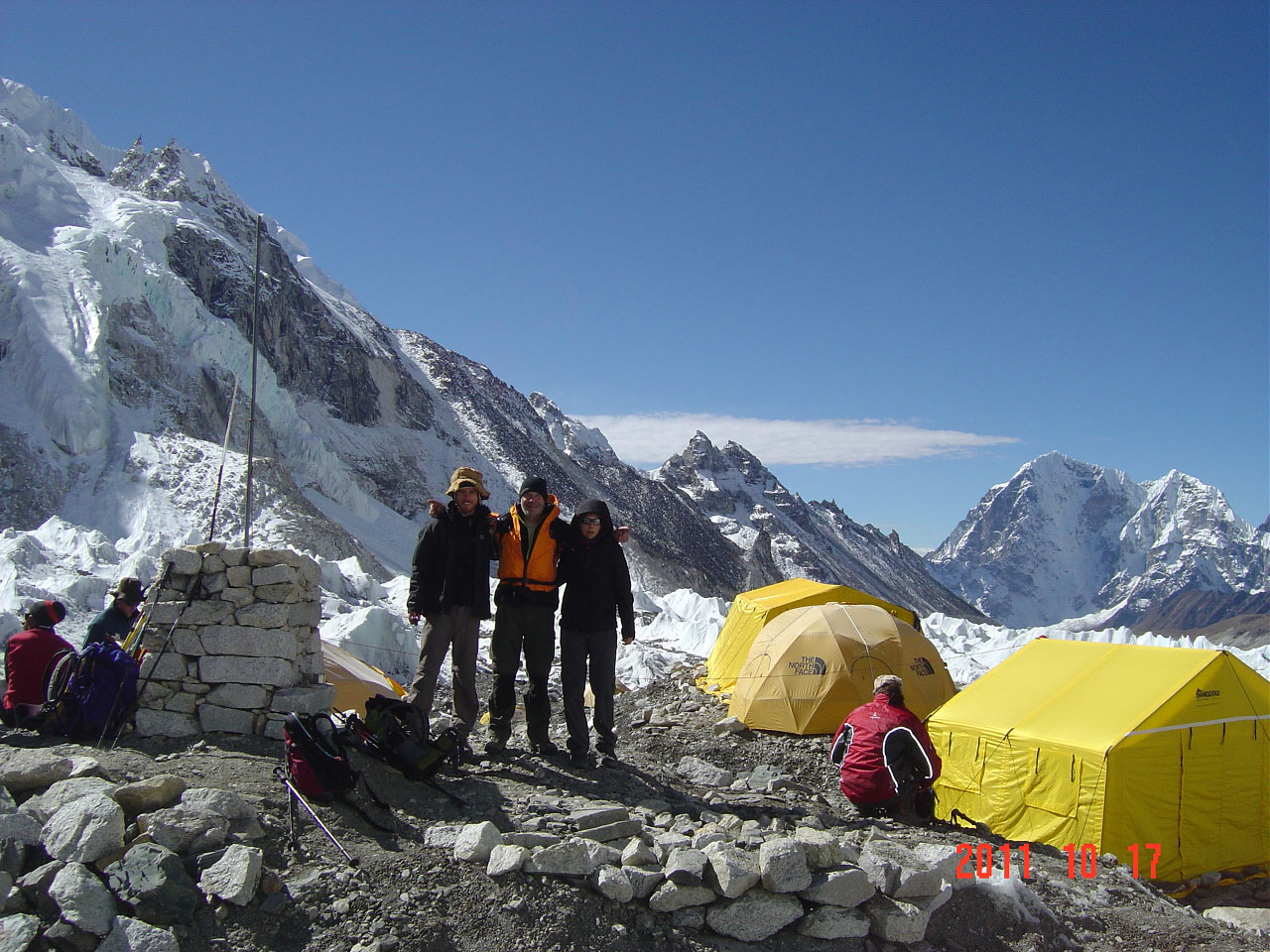
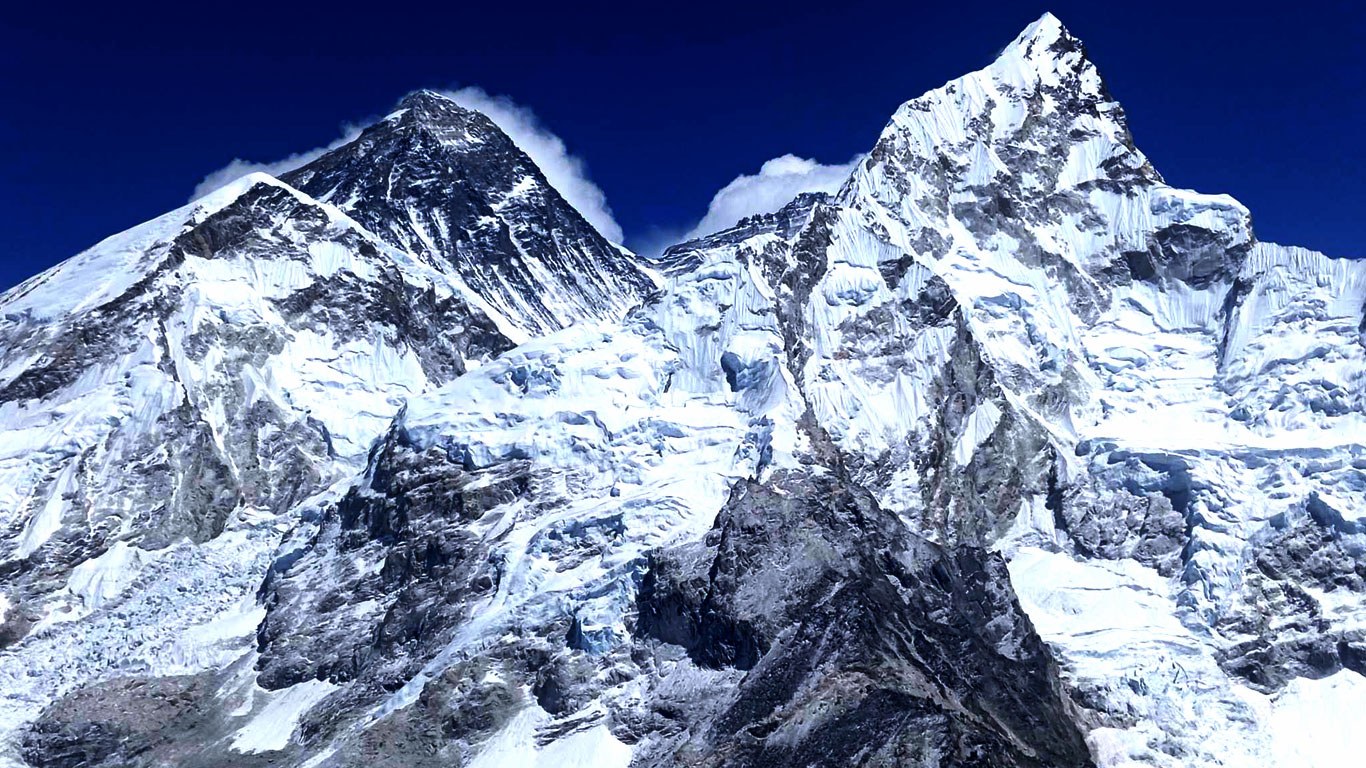
Everest Base Camp Trek is probably the highest and hardest base camp trek in the world as it is the gateway to the world’s tallest mountain, Mount Everest.
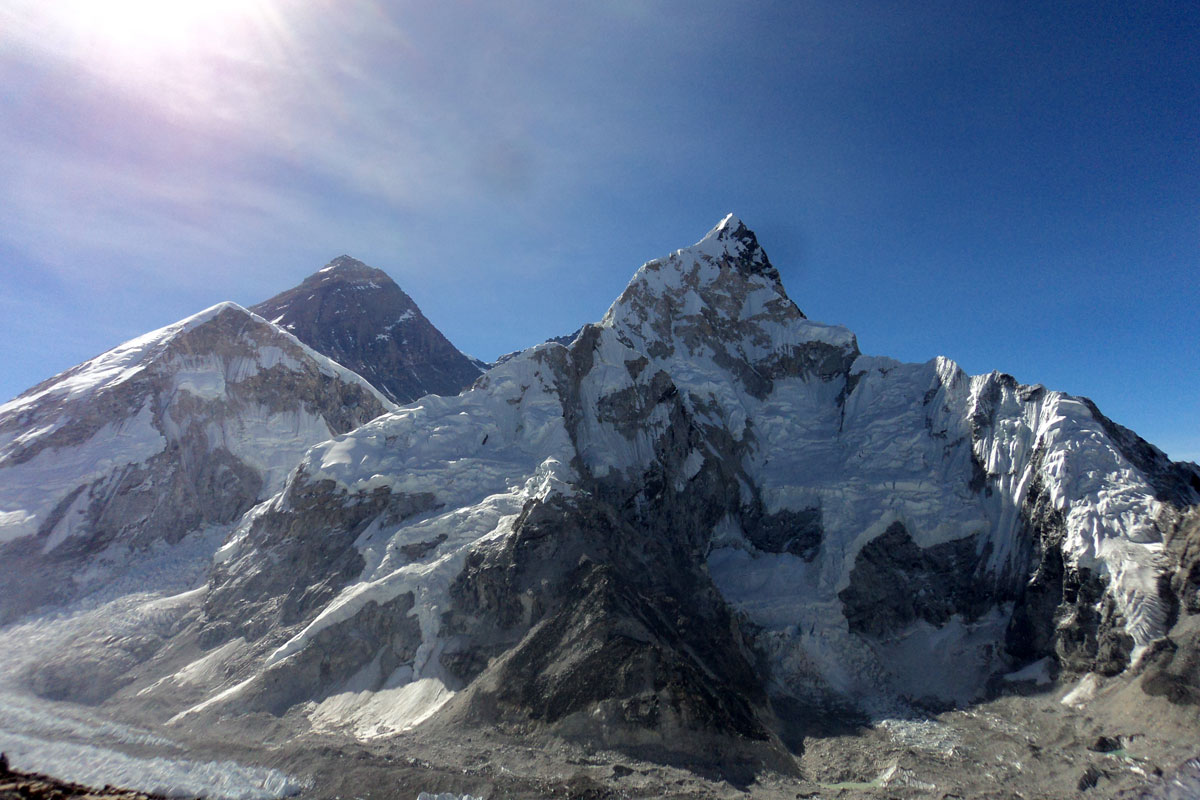
Every year millions of people from all across the world visit Nepal with the common goal of watching the world’s highest peak, Mount Everest.
Although not everyone comes with the intention of climbing the highest peak, most people at least have the Everest base camp trek to have the memory of their lifetime.
Similarly, this once-in-a-lifetime trek is a dream bucket list for several adventure freaks around the world.
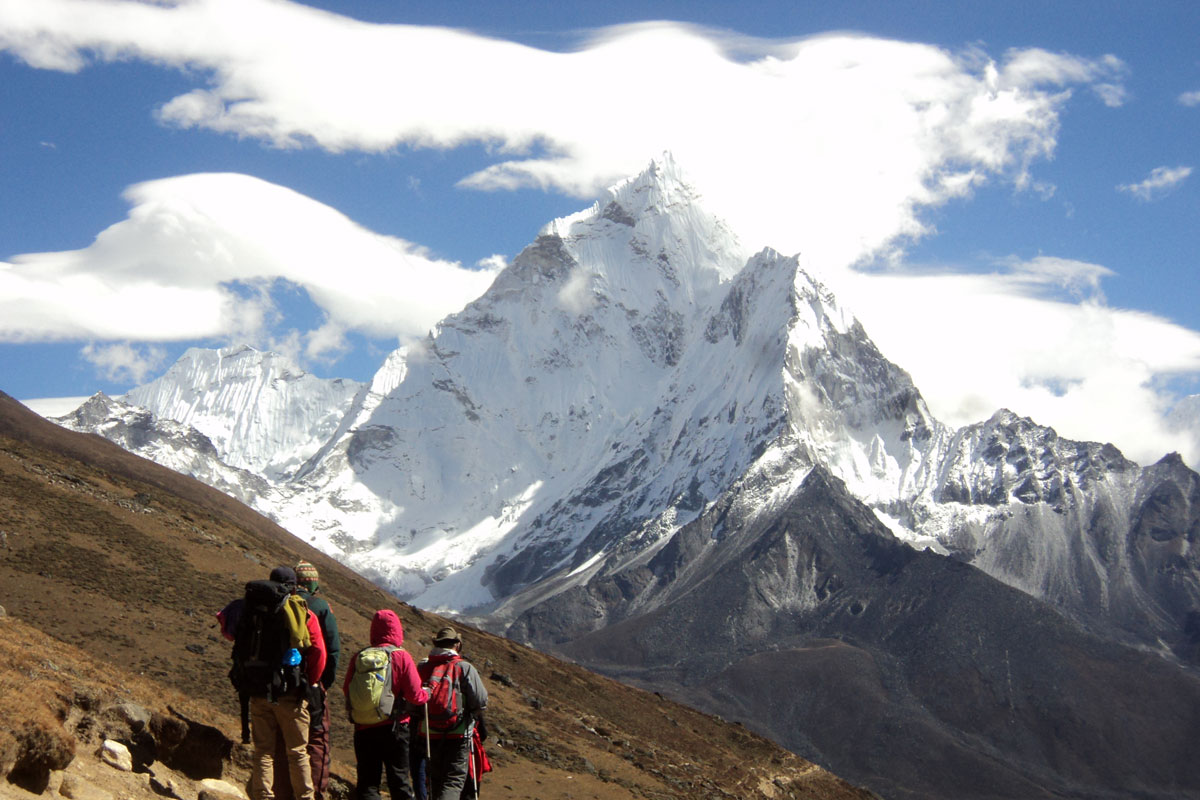
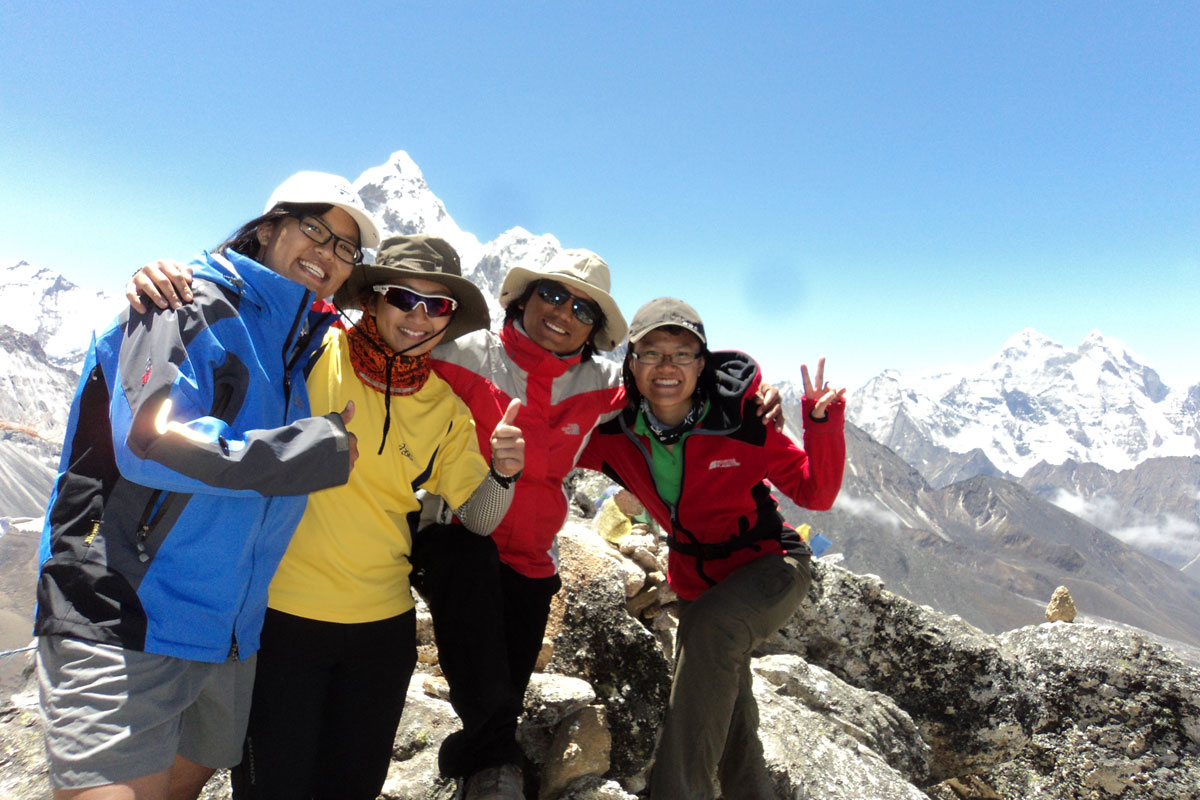
Throughout the base camp trek, you can have a majestic feeling and a jaw-dropping view of nature. No matter how hard the journey might be, reaching the highest base camp will surely restore your energy level.
Well, in this package of the Everest base camp trek, we have listed everything, including the cost, itinerary, guide, routes, etc.

Highlights of the Everest Base Camp Trek
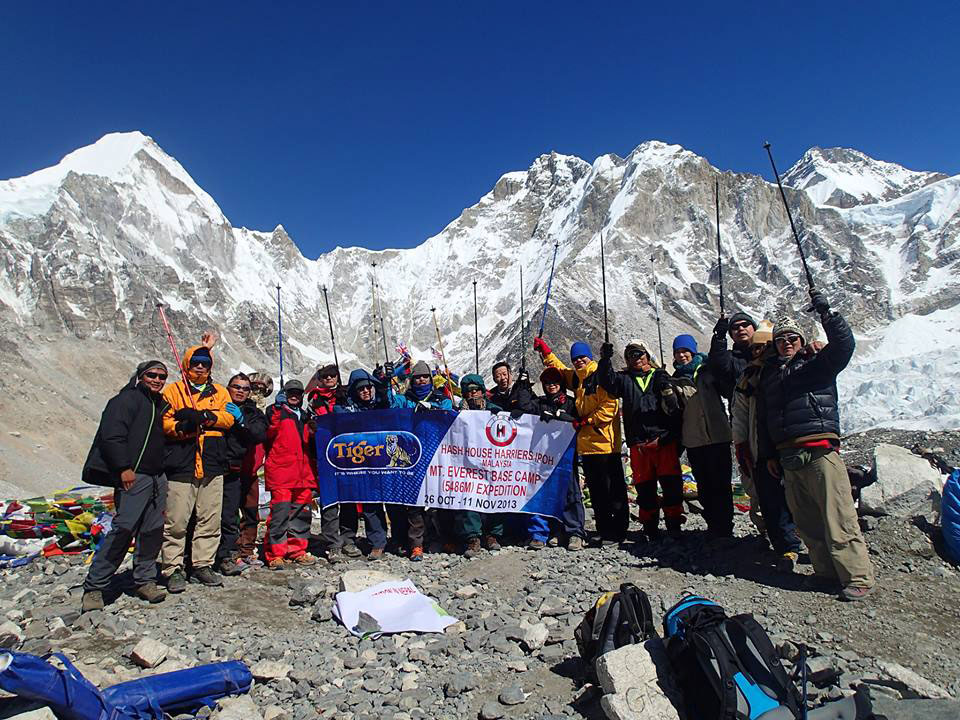
- Trek to 5,364 m Everest Base Camp, the starting point for Everest summits.
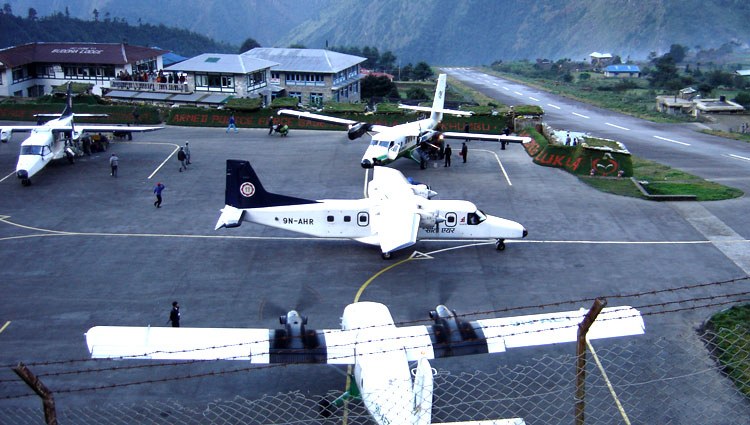
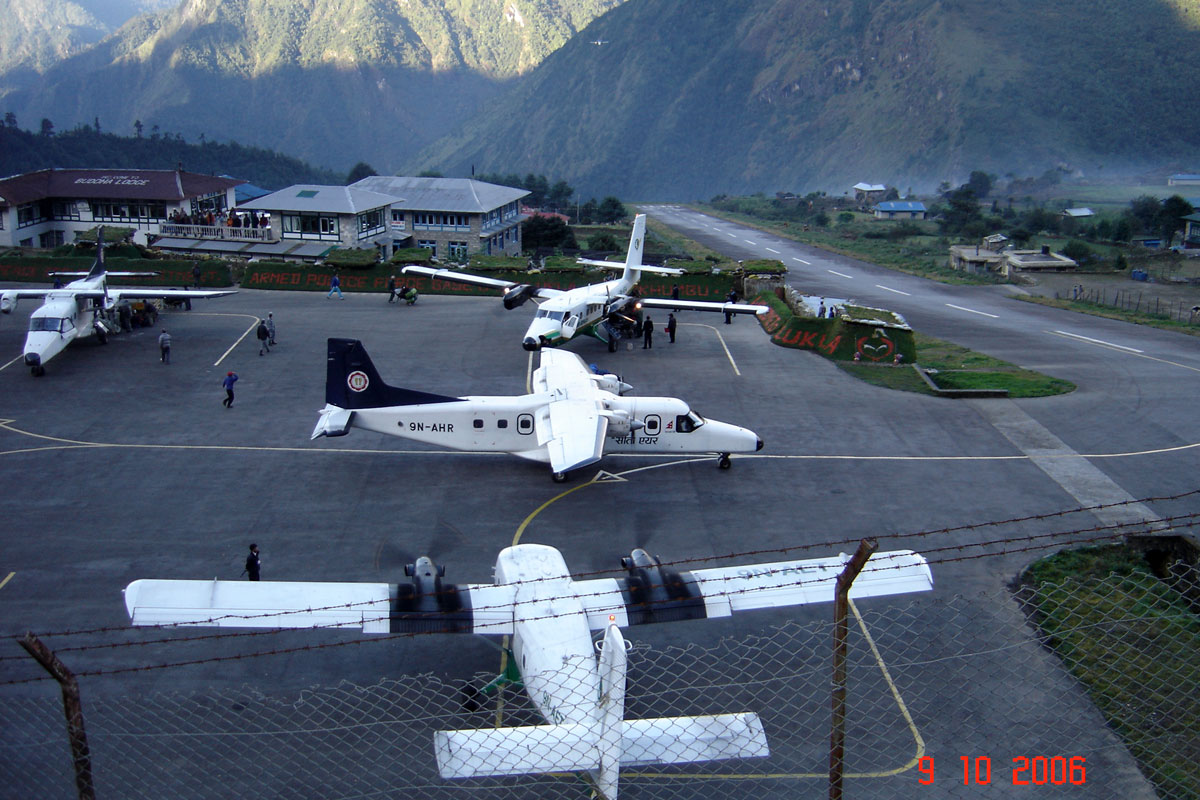
- Scenic mountain flight to Lukla—one of the world’s most adventurous airports.
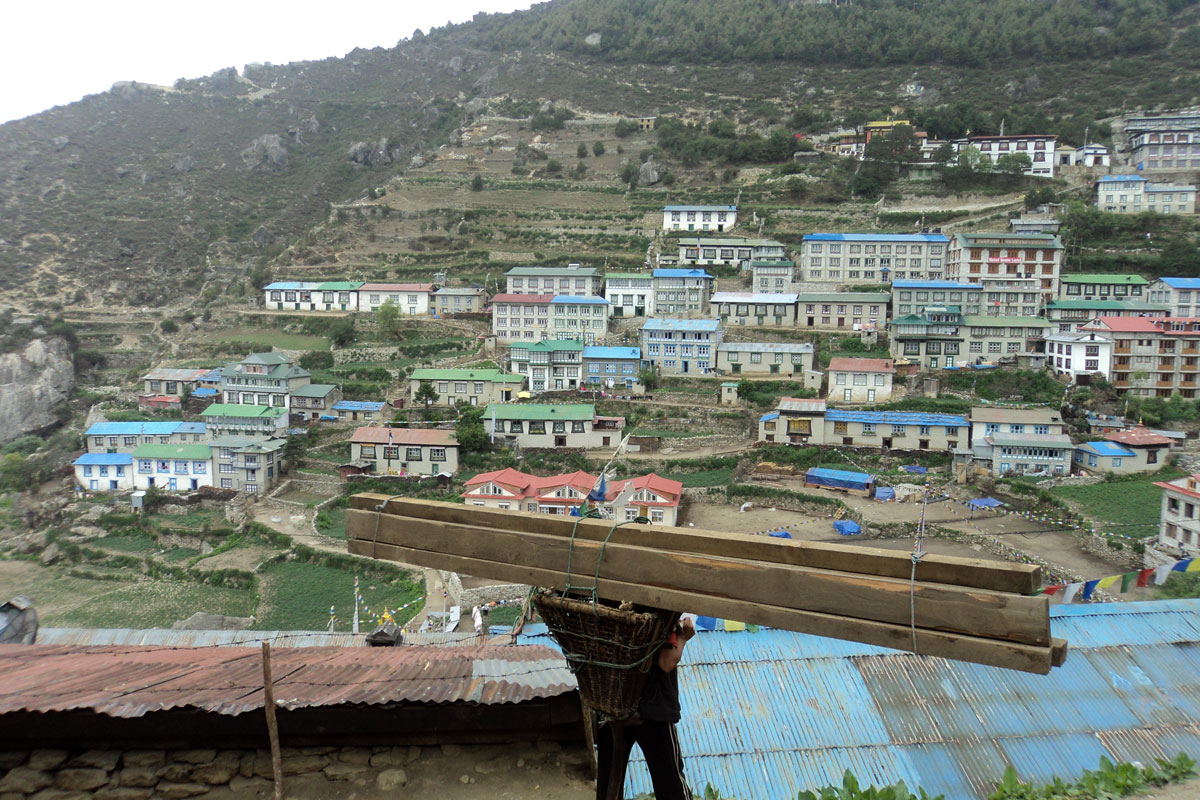
- Explore Namche Bazaar, the Sherpa capital with bakeries, cafés, and gear shops.
- Visit Tengboche Monastery, the spiritual heart of Khumbu.
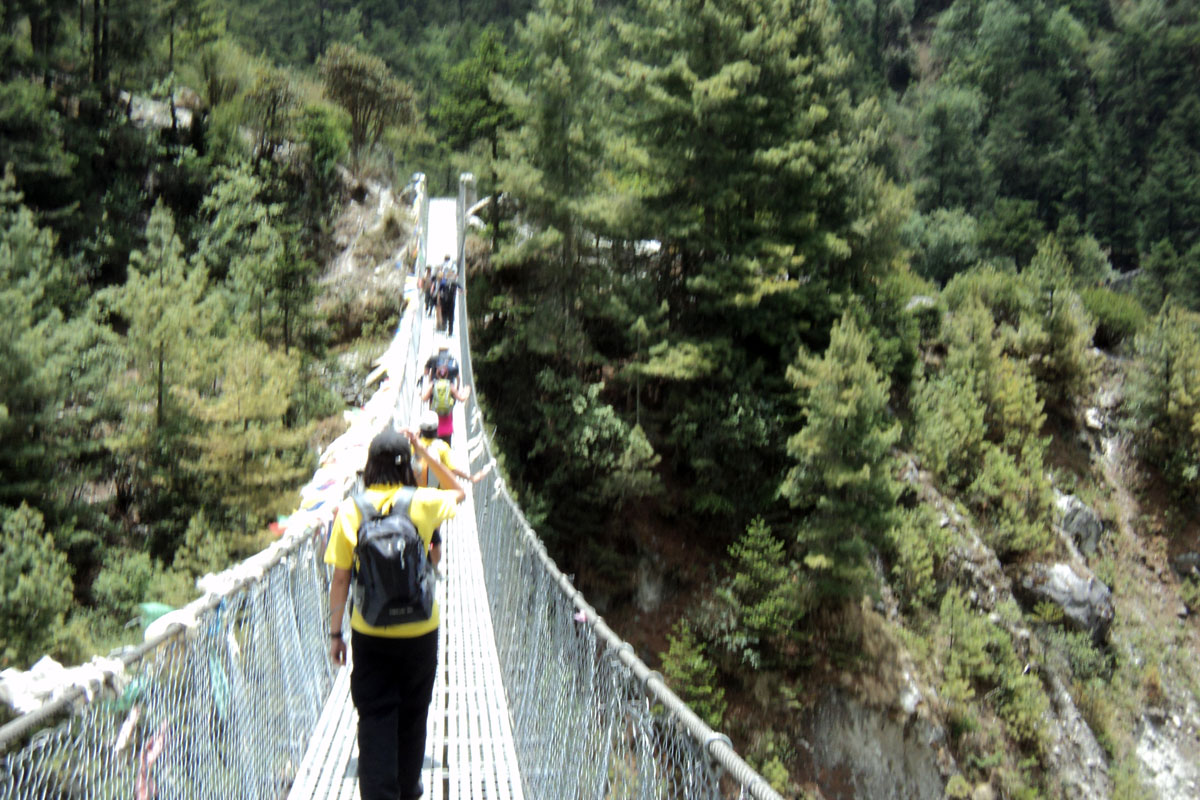
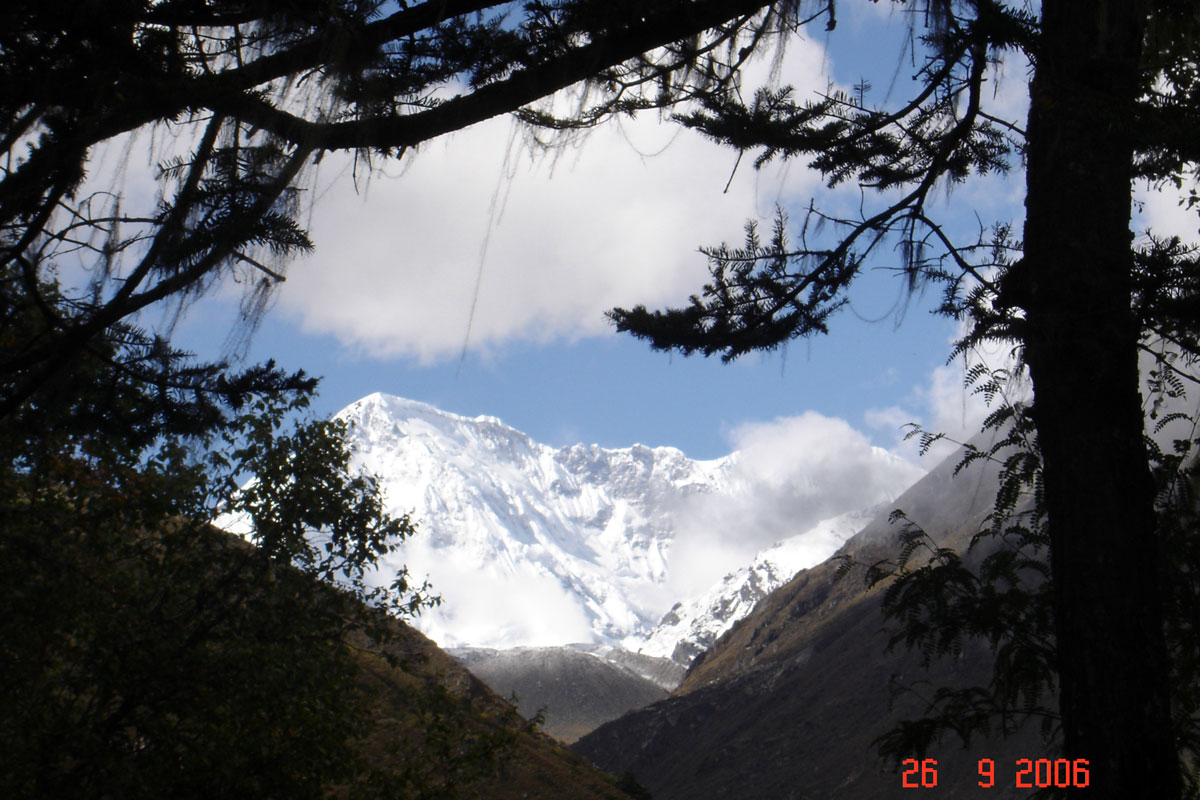
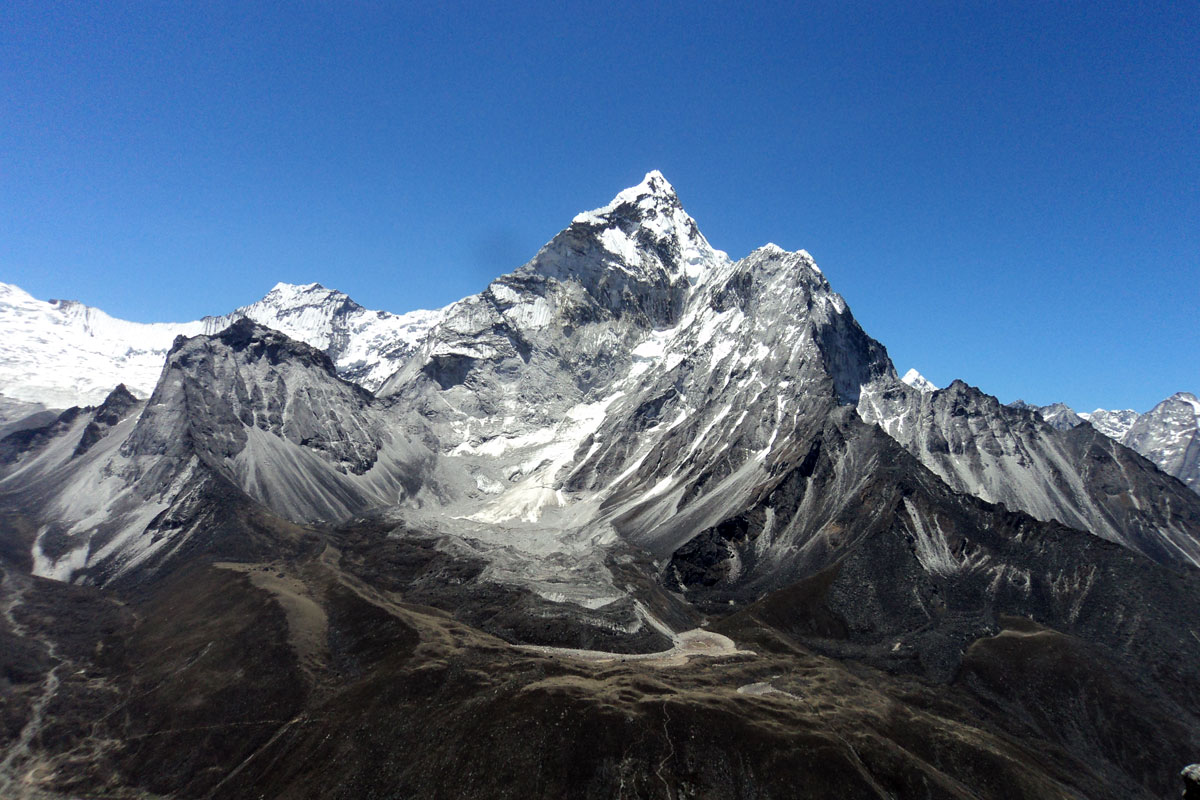
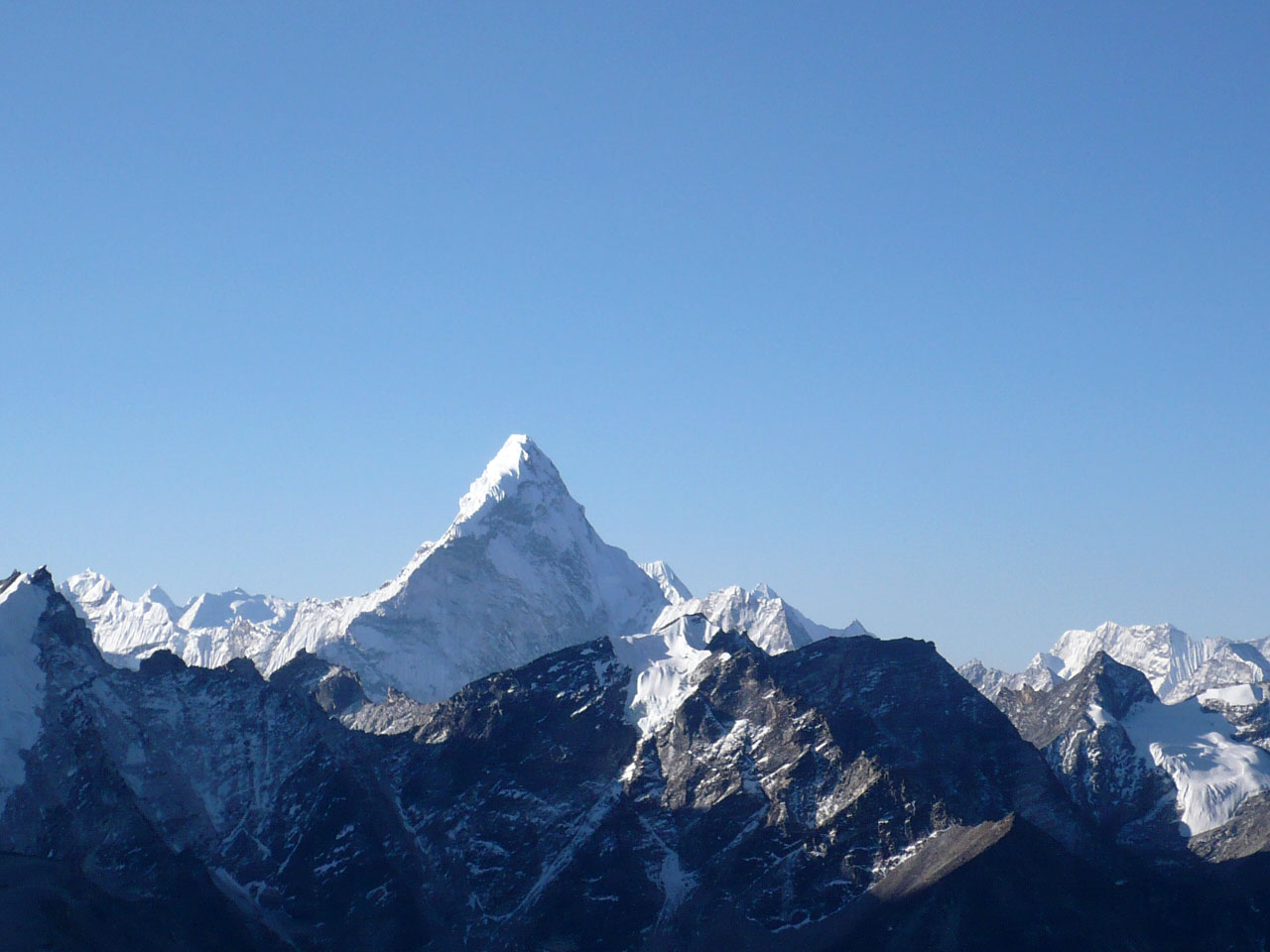
- Witness dramatic landscapes: waterfalls, glaciers, icefalls, and towering peaks.
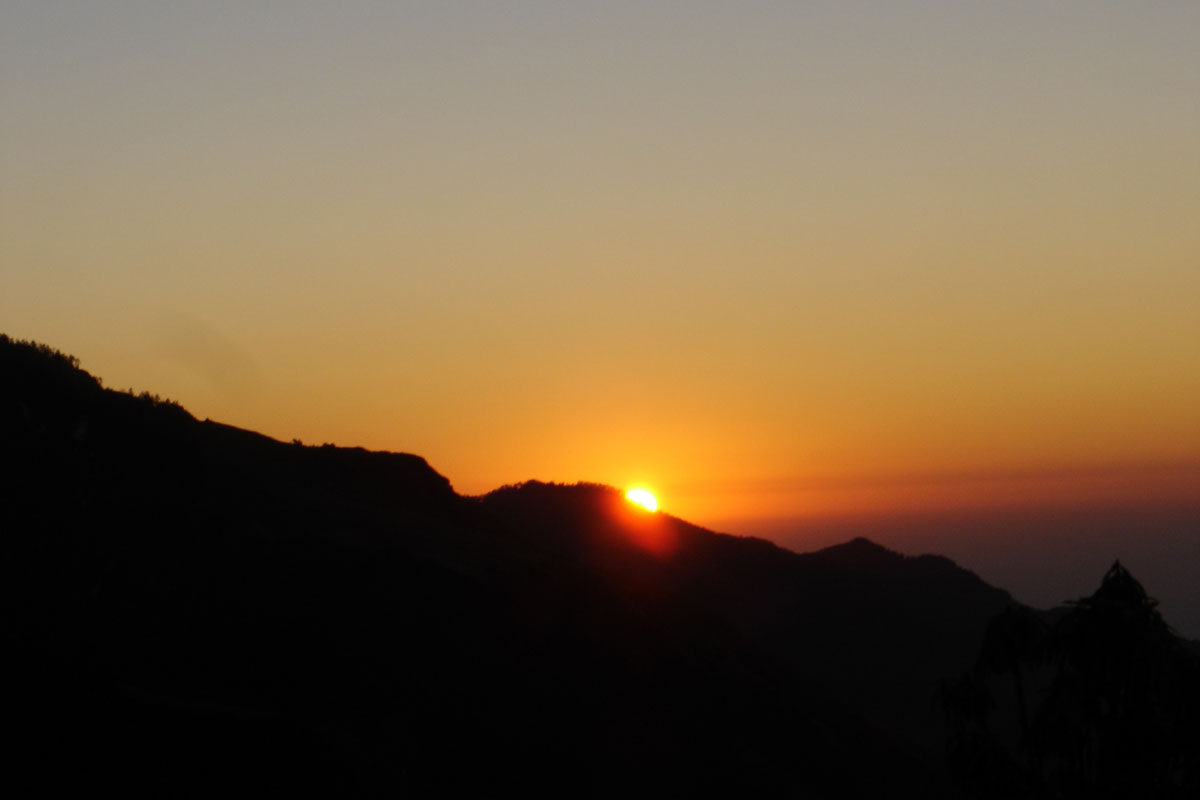
- Enjoy unforgettable sunrise from Kala Patthar (5,545 m)—the best Mt. Everest viewpoint.
- Learn about Sherpa culture, lifestyle, history, and mountaineering traditions.
- Comfortable teahouse stays with Nepali, Tibetan, and international cuisine.
- Safe acclimatization days built for successful trekking.
- Experienced local guides and porters ensuring safety and support.
GOOD TO KNOW – Everest Base Camp Trek (Essential Information)
Best Time to Trek to Everest Base Camp
Choosing the right season is one of the most important steps for a successful journey to Everest Base Camp. The Himalayas experience dramatic weather changes, so trekking during the best months ensures better visibility, safer trails, and a more enjoyable experience.
Spring (March–May)
Spring is one of the most beautiful and stable times for the Everest trek. The weather is mild, the days are longer, and the forests bloom with colorful rhododendrons. Trekkers enjoy comfortable temperatures and vibrant landscapes throughout the journey. This season is highly recommended for photographers and nature lovers.
Autumn (September–November)
Autumn offers the clearest Himalayan views after the monsoon clouds disappear. The skies are bright blue, temperatures are pleasant, and the trekking trails are lively. October also brings the Mani Rimdu Festival at Tengboche Monastery — a wonderful opportunity to witness Sherpa Buddhist culture and masked dances.
Other Seasons to Know
Monsoon (June–August): Trails are wet and slippery; frequent rain and limited views. Not recommended.
Winter (December–February): Clear but extremely cold, especially at night. Good for experienced and quiet trekkers.
Understanding Lukla Flights
Flying to Lukla is an exciting part of the Everest Base Camp journey, but it is also influenced by weather and seasonal traffic. Knowing how the system works helps you prepare properly.
Peak Season Flight Rules
During the busiest months — March, April, May, October, and November — flights do not take off from Kathmandu. Instead, they operate from Ramechhap/Manthali Airport, which requires a 4–5 hour drive from Kathmandu in the early morning.
Off-Season Flights
In winter and monsoon, flights usually operate directly from Kathmandu to Lukla, making travel more convenient.
Possible Flight Delays
Lukla is one of the world’s most weather-sensitive airports. Delays or cancellations may happen due to:
- Fog or clouds
- Strong winds
- Air traffic at Kathmandu
- Technical or safety concerns
Tip: Always keep 1–2 buffer days in your Everest itinerary.
How Difficult Is the Everest Base Camp Trek?
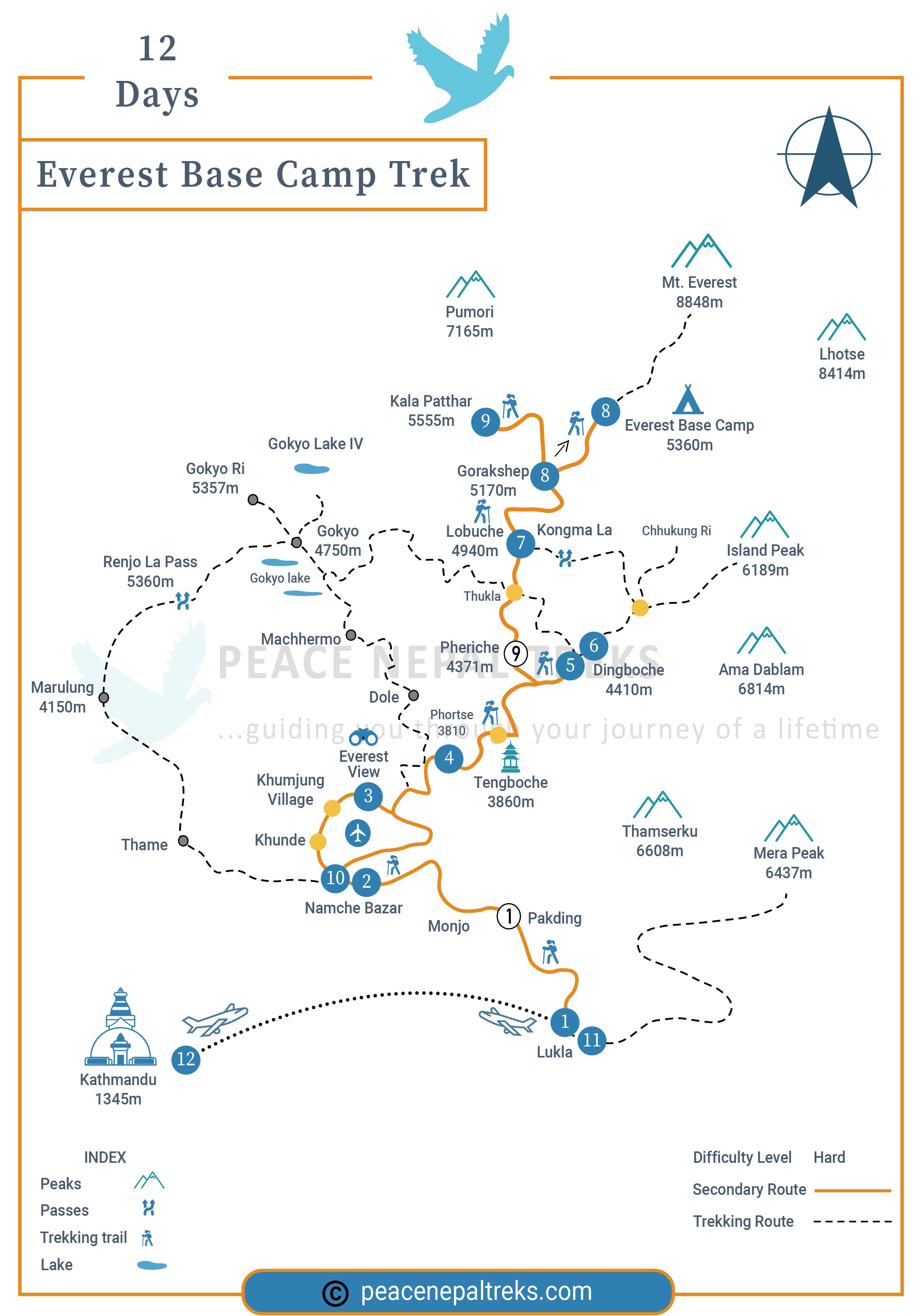
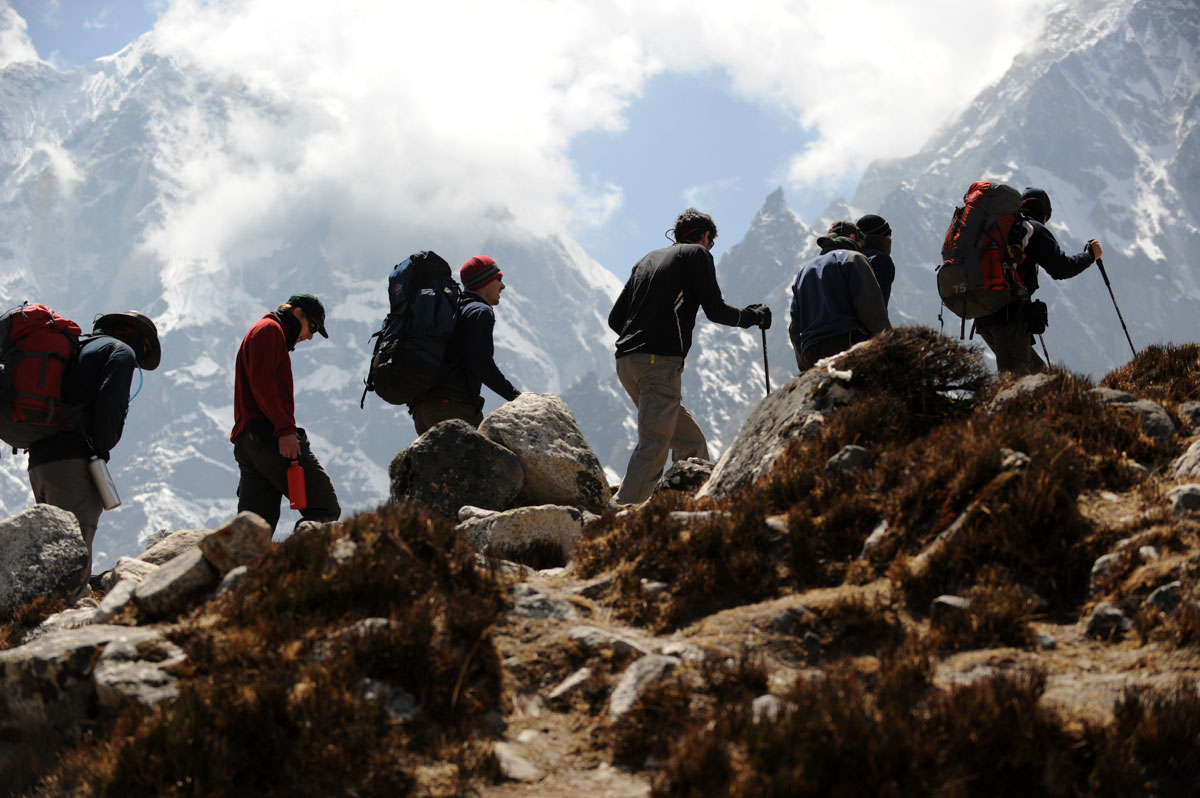
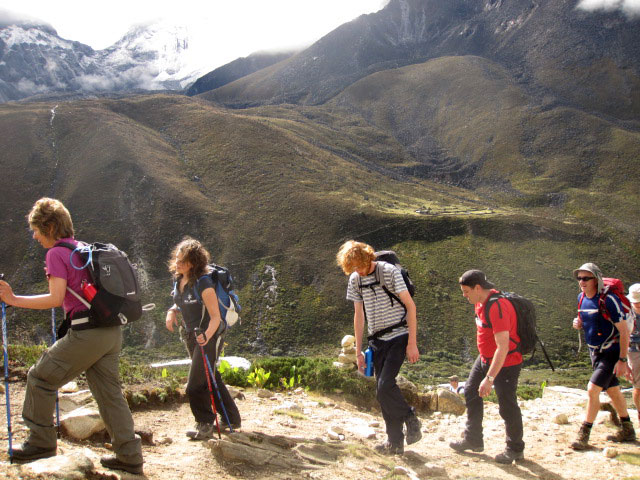
The Everest Base Camp Trek is physically demanding but achievable with good preparation. The trek covers around 130 km over 12–14 days, with daily hikes of 5–6 hours.
Challenges You Will Face
High altitude (maximum 5,545 m at Kala Patthar)
- Long walking days
- Cold temperatures
- Lower oxygen levels
- Simple accommodation in higher villages
HOW TO PREPARE EBC TREK
- To increase your success rate:
- Walk or hike regularly
- Train your legs and core
- Practice stair climbing
- Improve stamina through jogging or cycling
- Drink plenty of water
- Do yoga or breathing exercises
Proper acclimatization and gradual ascent are the keys to avoiding altitude sickness.
Sherpa Culture and Daily Life on the Trek
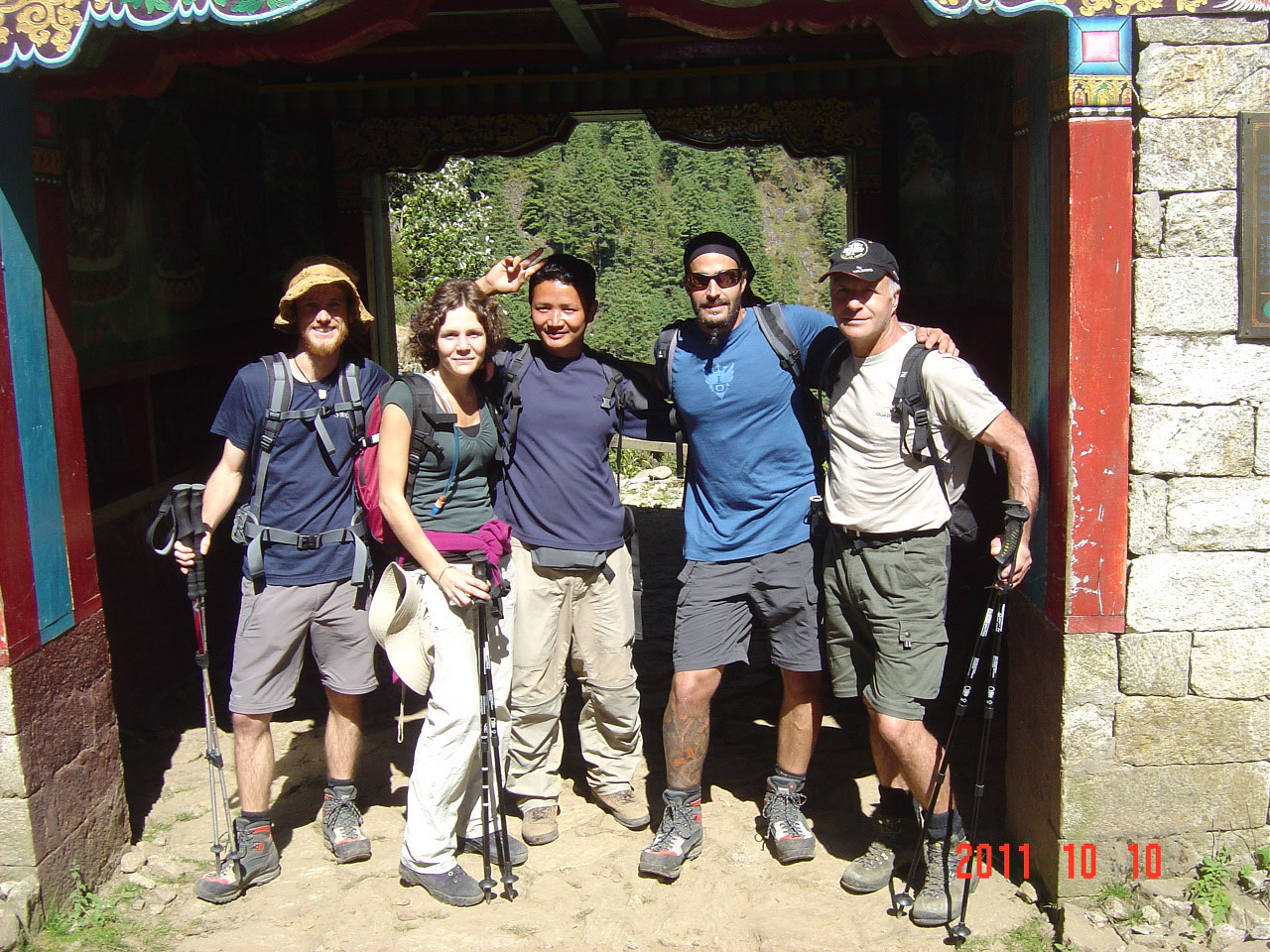
The Everest region is famous not only for its mountains but also for its warm Sherpa hospitality. During your journey, you will pass through beautiful villages like Namche Bazaar, Khumjung, Tengboche, and Pangboche.
Trekkers can enjoy Sherpa traditions, visit monasteries, spin prayer wheels, and have meaningful conversations with locals. The cultural experience makes the trek richer and unforgettable.
Must-See Cultural Highlights
- Tengboche Monastery and morning chanting
- Local markets in Namche Bazaar
- Mani Rimdu Festival (October)
- Traditional Sherpa homes
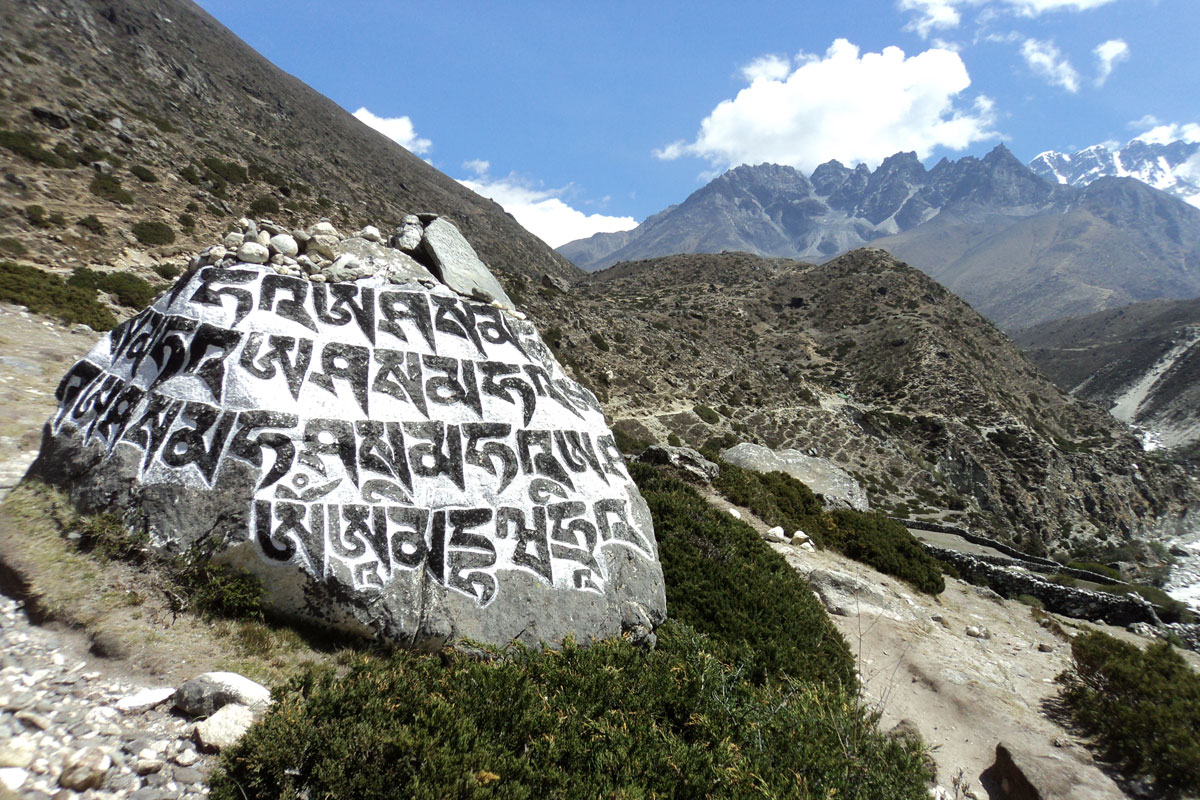
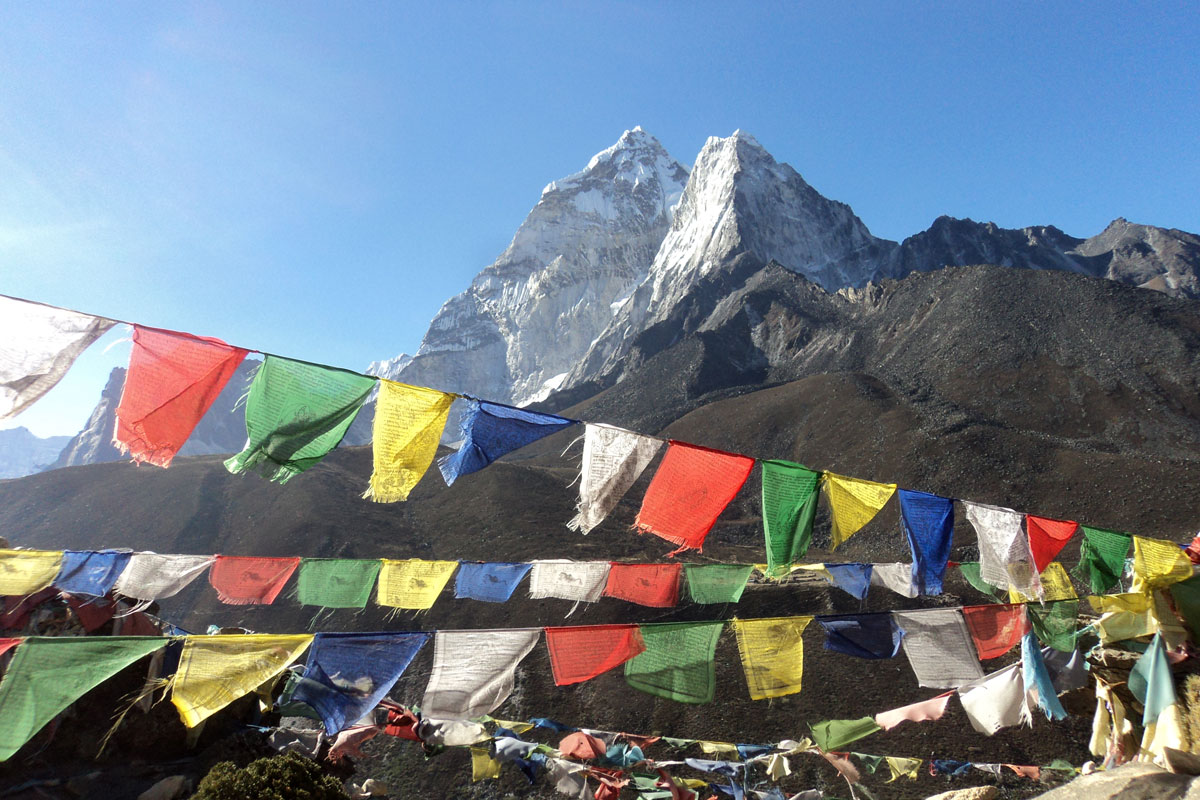
- Prayer flags, mani stones, and chortens
Safety and Acclimatization
Your safety is the highest priority while trekking the Everest trail. The slow ascent and careful monitoring help prevent altitude sickness.
Safety Measures include
- Trained and experienced guides
- Daily health checks (oxygen level and heart rate)
- First aid support
- Emergency evacuation if necessary
- Oxygen cylinders in case of emergency
- Satellite or radio communication
Acclimatization Days
Most itineraries include rest days at
These stops allow your body to adjust to the altitude and reduce the risk of AMS.
Preparing for the EBC Trek
Physical Preparation
- Cardio (running, swimming, cycling)
- Strength training (legs & core)
- Hiking practice
- Carrying a light backpack during training
Mental Preparation
- Expect simple rooms
- Expect cold mornings
- Stay positive and patient
- Focus on the beauty, not the difficulty
A strong mind helps just as much as a strong body.
Climate and Temperature Around Everest Base Camp
Season Overview
- Spring: Warm days, clear mornings, blooming flowers
- Autumn: Best mountain views, stable weather
- Winter: Very cold, quiet, snow-covered trails
- Monsoon: Rainy, cloudy, humid, limited visibility
Temperatures can drop below -20°C at night during winter and close to -10°C even in October and November at high altitude.
Accommodation on the Everest Base Camp Trek
A Complete & Practical Guide for First-Time Trekkers
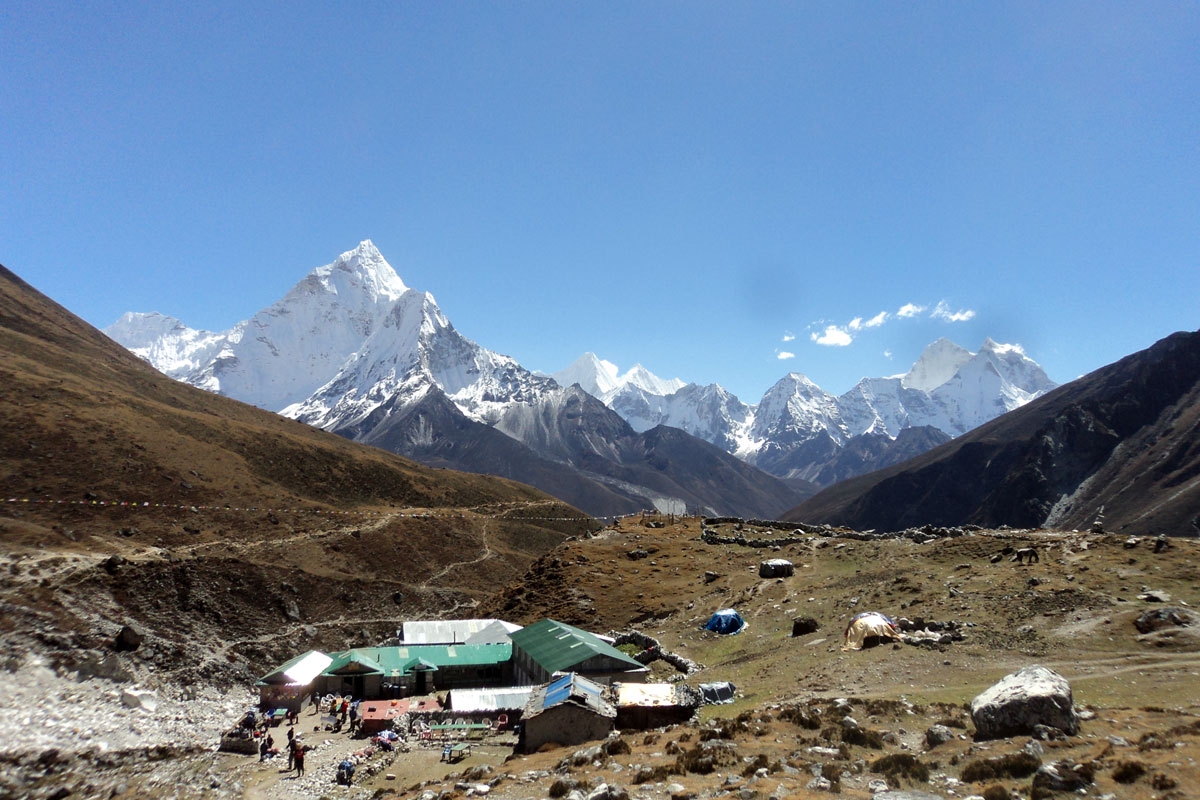
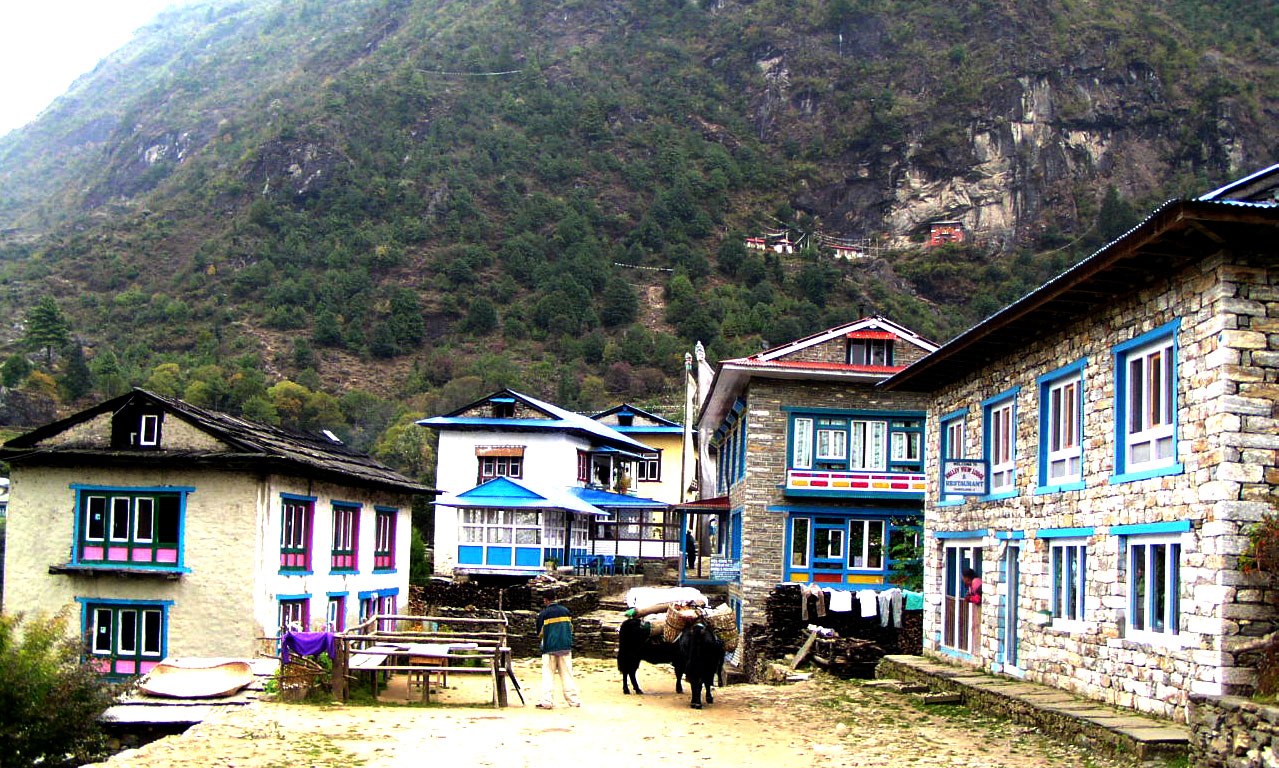
Accommodation on the Everest Base Camp Trek is one of the most memorable parts of the experience. Known as teahouses or mountain lodges, these places offer a warm, friendly environment where trekkers can rest, eat, and enjoy unforgettable Himalayan hospitality. From the peaceful villages of Phakding to the high-altitude settlements of Lobuche and Gorakshep, the lodges vary in comfort level, but all provide a cozy space to recover after a long trekking day.
Most accommodations are simple but comfortable, built using local stones and wood, and run by Sherpa families with generations of experience in hospitality. Rooms are usually twin-sharing, each with two single beds, clean mattresses, blankets, and pillows. At lower altitudes, trekkers can expect more comfortable facilities such as private rooms with attached bathrooms, Wi-Fi, hot showers, heated dining halls, and even bakeries. As you climb higher, the facilities become more basic due to remoteness, cold temperatures, and limited transportation of building materials.
The common area of every teahouse is the dining hall, warmed by a central stove powered by yak dung or kerosene. This is the heart of the lodge—where trekkers from around the world gather, eat, read books, share stories, drink tea, and enjoy the warmth. The farther you go, the more you’ll appreciate this cozy atmosphere.
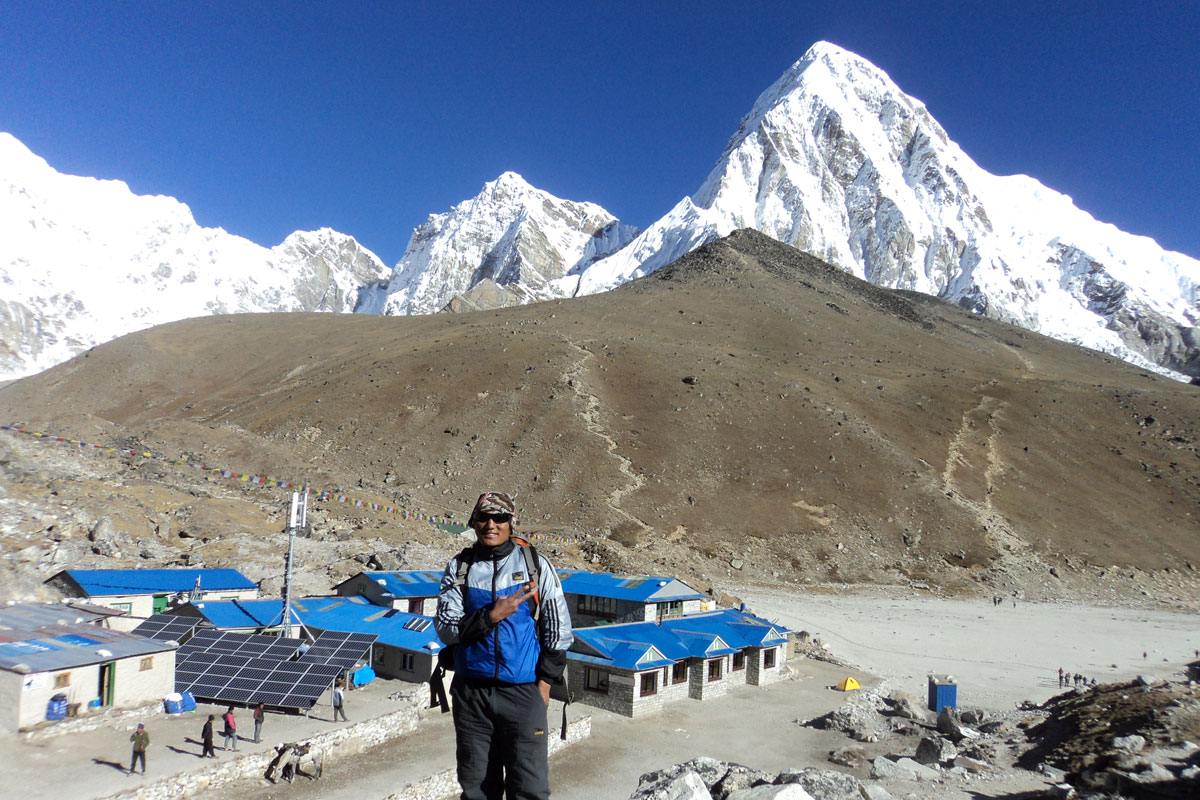
At higher altitudes such as Dingboche, Lobuche, and Gorakshep, lodges are more basic, and heating is limited. Rooms are colder, and hot showers or electricity may cost extra. Despite the simplicity, the warm hospitality, breathtaking views, and peaceful Himalayan nights make the experience truly special.
Accommodation on the Everest Base Camp Trek is not luxurious, but it is safe, reliable, clean, and a key part of the adventure, offering insights into Sherpa lifestyle and life in the world’s highest mountains.
Accommodation on the Everest Base Camp Trek
Room Style & Comfort
- Mostly twin-sharing rooms with two single beds.
- Clean mattress, bed sheet, pillow, and 1–2 blankets provided.
- Wooden walls with minimal insulation—warm sleeping bag recommended.
- Private rooms with attached bathrooms are available only in lower regions (Lukla, Phakding, Namche).
- Upper regions (Dingboche, Lobuche, Gorakshep) offer more basic rooms with shared toilets.
- No heating inside bedrooms—only the dining room is heated.
Dining Hall – The Heart of Every Teahouse
- Warmed by a central stove (yak dung or kerosene).
- Social space to meet other trekkers, guides, and Sherpa families.
- Meals served here: soups, dal bhat, momos, noodles, pasta, fried rice, pizza, pancakes, and more.
- Charging of devices often done in the dining hall (extra fee).
- Soft music, card games, books, and conversations make evenings enjoyable.
Hot Showers & Toilets
- Available in lower villages like Lukla, Phakding, Namche, Tengboche.
- Hot shower cost: NPR 300–800 depending on altitude.
- Higher up, you may find bucket showers with limited hot water.
Toilets
- Attached bathrooms available only in lower regions.
- Traditional squat or Western-style shared toilets in higher regions.
- In colder areas, water may freeze, so be prepared for limited bathroom facilities.
Electricity & Charging
- Solar or generator-based electricity in many lodges.
- Charging cost: NPR 200–500 per device.
- Power is not available 24 hours in most places.
- Carry a power bank (10,000–20,000 mAh recommended).
Wi-Fi & Mobile Network
- Wi-Fi available in most villages via Everest Link or local lodge networks.
- Wi-Fi cost: NPR 600–1,000 per card or per day.
- Mobile network (NCELL or NTC) available in many villages except high alpine areas.
- Internet becomes slower and more expensive as you go up.
Cleanliness & Hygiene
- Rooms are generally clean but simple.
- Dining halls are warm, clean, and hygienic.
- Bathrooms can be basic, especially above 4,000 meters.
- Lodges maintain good cleanliness despite limited water supply at altitude.
Payment System
- Most teahouses accept Nepali Rupees (NPR) only.
- Card payments rarely available.
- Bring enough cash from Kathmandu or Namche Bazaar.
Accommodation Booking
- During peak seasons (spring & autumn), lodges get full quickly.
- Guides arrange rooms in advance for better options.
- Trekkers trekking without a guide should arrive early to secure good rooms.
Shared Spaces & Social Atmosphere
- Every lodge has a dining hall where trekkers spend evenings.
- Great opportunity to meet people from around the world.
- Sherpa hosts often share stories about mountains, climbing, and culture.
Unique Luxury Options
For guests seeking comfort, luxury lodges are available up to Pangboche:
- Namche: Yeti Mountain Home, Everest View Hotel
- Monjo & Phakding: Premium lodges with heated rooms
These offer
- Electric blankets
- Attached bathrooms
- High-quality meals
- Comfortable beds & heatingWhat to Expect at Higher Altitudes
As you climb above 4,000 meters
- Lodges become more basic.
- Rooms get colder (below freezing at night).
- Water freezes in pipes.
- Showers may not be available due to extreme cold.
- Shared toilets are common.
- Dining room becomes the warmest and most comfortable place.
Tips for Better Sleep on the Trek
- Bring a good sleeping bag (-10°C to -15°C).
- Wear warm socks and thermals at night.
- Drink warm tea before bed.
- Avoid alcohol at high altitude—it can interfere with sleep.
- Earplugs help if your room is close to the dining hall.
What Guests Should Know About EBC Accommodation
Accommodation on the Everest Base Camp Trek is not luxurious, but it is safe, clean, comfortable, and filled with warm Sherpa hospitality. You will get:
- Cozy rooms
- Hot meals
- Warm dining halls
- Clean bedding
- Beautiful Himalayan views outside your window
With the right expectations and preparation, the teahouse experience becomes one of the most memorable parts of your Everest Base Camp adventure.