Find Your Tour
    Nepal Trek

    Putha Hiunchuli Climb - 7,246m Himalayan Adventure

    34 days From USD 19,595 Private trip available
    Book Now Make Inquiry Local experts, secure booking, no hidden costs
    Putha Hiunchuli Climb - 7,246m Himalayan Adventure

    Facts About Trip

    Duration34 Days
    GradeChallenging
    Best monthSpring/Autumn
    Max Elevation7,246m
    Group size2 people
    AccommodationTea House Accommodation/Camping Services
    MealLunch-Dinner_Breakfast
    Starts FromFlight: Kathmandu to Nepalgunj-Juphal
    End atFlight: Juphal-Nepalgunj-Kathmandu

    Overview And Highlights

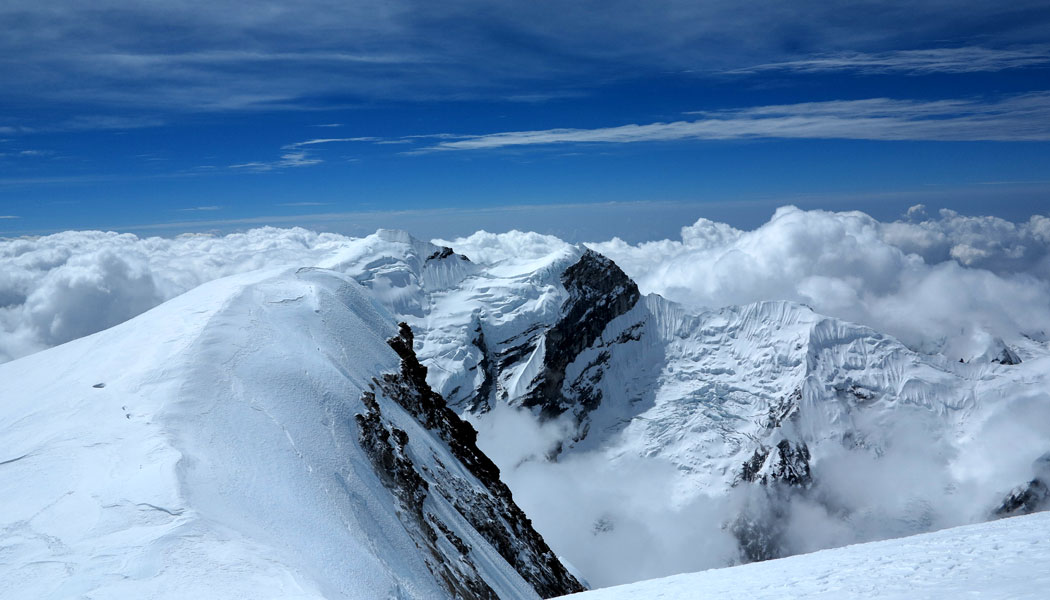
    Putha Hiunchuli (7,246m / 23,772 ft), also known as Dhaulagiri VII, is a prominent peak in Nepal's Dhaulagiri range. Despite its formidable altitude, it is considered one of the more accessible 7,000-meter peaks, making it an ideal objective for climbers aiming to transition from trekking peaks to higher-altitude expeditions. The mountain's remote location in the Dolpo region adds to its allure, offering climbers a blend of cultural immersion and alpine adventure.

    Overview of Putha Hiunchuli

    • Elevation: 7,246 meters (23,772 feet)
    • Location: Dolpo region, western Nepal
    • Range: Dhaulagiri Himalayas
    • First Ascent: 1954 by J.O.M. Roberts and Ang Nyima Sherpa
    • Best Seasons: Spring (April–May) and Autumn (September–November)
    • Difficulty: Moderate technical climb; suitable for climbers with prior high-altitude experience

    Putha Hiunchuli Expedition Highlights

    • Summit a 7,000m Peak: Reach the top of Putha Hiunchuli (7,246m), a less-crowded but highly rewarding Himalayan giant.
    • Ideal for Aspiring 8,000m Climbers: A perfect stepping stone for mountaineers transitioning from trekking peaks to high-altitude expeditions.
    • Remote Wilderness of Dolpo: Experience one of Nepal's most isolated and pristine regions, rich in Tibetan culture and untouched natural beauty.
    • Low Traffic Route: Unlike Everest or Annapurna regions, this route offers solitude and raw mountain adventure.
    • Cultural Encounters: Trek through traditional villages like Dunai, Tarakot, and Kagkot with authentic Buddhist monasteries and warm local hospitality.
    • Stunning Landscapes: Witness diverse terrains from lush valleys and alpine meadows to glacial moraines and dramatic snow-covered peaks.
    • Strong Support Team: Guided by experienced Sherpas and supported by a reliable logistics crew for safety and success.
    • Accessible Adventure: Despite its height, the standard northeast route involves moderate technical climbing, suitable for fit, determined mountaineers.
    • Comprehensive Acclimatization: Well-structured itinerary with acclimatization days to increase summit chances and minimize altitude sickness.

    Climbing Routes and Technical Aspects

    Standard Route: Northeast Face

    The most commonly used route to summit Putha Hiunchuli is via the Northeast Face. This route involves establishing three high camps:

    • Camp I: Approximately 5,500 meters

    • Camp II: Approximately 6,200 meters

    • Camp III: Approximately 6,500 meters

    The ascent includes traversing snow and ice slopes with gradients up to 35 degrees. Fixed ropes are typically installed in steeper sections to ensure safety. Climbers should be proficient in using crampons, ice axes, and managing roped travel. While the climb is less technical compared to other 7,000-meter peaks, it still demands excellent physical fitness and acclimatization.

    Alternative Routes

    Other routes, such as the Southwest Ridge and West Face, offer more technical challenges and are less frequently attempted. These routes involve steeper ice and rock sections and require advanced mountaineering skills.

    Trekking Route

    The journey to Putha Hiunchuli's base camp involves a scenic flight from Kathmandu to Nepalgunj, followed by another flight to Juphal in the Dolpo region. From Juphal, the trek to base camp takes approximately 7–8 days, passing through remote villages like Dunai, Tarakot, and Kagkot. Accommodations during the trek are a mix of teahouses and tented camps, depending on the location and availability.

    Base Camp and Higher Camps

    At base camp (around 4,900 meters), climbers stay in tented accommodations equipped with dining tents, kitchen facilities, and communication equipment. Higher camps are more rudimentary, with essential shelter and cooking arrangements. Porters and yaks are employed to transport gear and supplies to these camps.

    - - ? Sample Itinerary (33 Days)

    Day 1: Arrival in Kathmandu (1,350m); transfer to hotel

    Day 2: Expedition briefing and gear check in Kathmandu

    Day 3: Fly to Nepalgunj; overnight stay

    Day 4: Fly to Juphal; trek to Dunai (2,140m)

    Day 5: Trek to Tarakot (2,540m)

    Day 6: Trek to Musi Khola (2,890m)

    Day 7: Trek to Kagkot (3,285m)

    Day 8: Rest and acclimatization day in Kagkot

    Day 9: Trek to Panjing (4,200m)

    Day 10: Trek to German Base Camp (4,500m)

    Day 11: Trek to Putha Hiunchuli Base Camp (4,900m)

    Days 12–26: Climbing period, including establishment of high camps and summit attempt

    Day 27: Descend to base camp; pack up

    Day 28: Trek to Kagkot

    Day 29: Trek to Tarakot

    Day 30: Trek to Dunai

    Day 31: Trek to Juphal

    Day 32: Fly to Nepalgunj and then to Kathmandu

    Day 33: Departure from Kathmandu

    Permits and Regulations

    • Climbers need to obtain several permits for the Putha Hiunchuli expedition:
    • Climbing Permit: Issued by the Nepal Mountaineering Association (NMA)
    • Restricted Area Permit: Required for the Dolpo region
    • Trekkers' Information Management System (TIMS) Card: For trekking in Nepal
    • National Park Entry Permit: Depending on the specific route

    It's advisable to work with a registered trekking agency in Nepal to handle the logistics and permit arrangements.

    Essential Gear and Equipment

    • Clothing: Layered clothing system suitable for extreme cold, including down jackets, thermal base layers, and waterproof outer shells
    • Footwear: High-altitude mountaineering boots, gaiters, and crampons
    • Climbing Gear: Ice axe, harness, carabiners, ascenders, descenders, and helmet
    • Camping Equipment: Four-season tent, sleeping bag rated for -30°C, and sleeping pad
    • Other Essentials: Sunglasses with UV protection, headlamp, trekking poles, personal first aid kit, and high-calorie snacks

    Preparation and Training

    Climbing Putha Hiunchuli requires

    • Physical Fitness: Excellent cardiovascular endurance, strength, and stamina
    • Technical Skills: Proficiency in using climbing gear, glacier travel, and crevasse rescue techniques
    • Acclimatization: Experience with high-altitude environments to minimize the risk of altitude sickness
    • Engaging in a structured training program and participating in lower-altitude climbs can be beneficial.

    Cultural and Environmental Considerations

    The Dolpo region is rich in Tibetan culture and traditions. Climbers have the opportunity to visit ancient monasteries and interact with local communities. It's essential to respect local customs and support sustainable tourism practices.
    luxuryholidaynepal.com

    Environmental conservation is crucial. Climbers should adhere to Leave No Trace principles, properly dispose of waste, and minimize their ecological footprint.

    Putha Hiunchuli offers climbers a unique blend of high-altitude challenge and cultural exploration. Its relative accessibility among 7,000-meter peaks makes it an excellent choice for mountaineers seeking to push their limits. Proper preparation, respect for local customs, and environmental responsibility are key to a successful and rewarding expedition.

    Note: For the most current information on permits, logistics, and safety guidelines, please consult with a reputable trekking agency or the Nepal Mountaineering Association.

    Day to Day Itinerary

    Food

    Self-Food

    Accomodation

    Hotel Stay

    Elevation

    1350 m.

    Upon arrival at Tribhuvan International Airport, you'll be welcomed by the expedition team and transferred to your hotel. The rest of the day is free to rest or explore the nearby Thamel area.
     

    Food

    Self-Food

    Accomodation

    Hotel Stay

    Elevation

    1350 m.

    Today includes a guided tour of UNESCO World Heritage sites in Kathmandu such as Swayambhunath and Pashupatinath. In the afternoon, the team conducts an expedition briefing, gear check, and finalizes permit arrangements.

    Food

    Self-Food

    Accomodation

    Hotel Stay

    Elevation

    150 m.

    Take a short scenic flight (approx. 40 minutes) to the southwestern town of Nepalgunj. Depending on arrival time, you may have time to explore the bustling border town.

    Food

    Lunch-Dinner-Breakfast

    Accomodation

    Camping Stay Accommodation

    Elevation

    2500 m.

    After an early morning flight to Juphal, the trek begins with a gentle descent along the Bheri River. A 2–3 hour walk covering about 10 kilometers takes you to the small town of Dunai, the district headquarters of Dolpa.

    Food

    Lunch-Dinner-Breakfast

    Accomodation

    Camping Stay Accommodation

    Elevation

    2560 m.

    The trail follows the Bheri River gorge through pine forests and villages. This 6–7 hour walk covers roughly 12–14 kilometers and offers glimpses of local culture and riverside landscapes.

    Food

    Lunch-Dinner-Breakfast

    Accomodation

    Camping Stay Accommodation

    Elevation

    2895 m.

    A steady uphill trek of about 10–12 kilometers over 6 hours leads to Musikhola. You'll pass Lasicap and other farming settlements nestled in the Himalayan foothills.

    Food

    Lunch-Dinner-Breakfast

    Accomodation

    Camping Stay Accommodation

    Elevation

    2895 m.

    This segment climbs around 355 meters over 5–6 hours and spans approximately 8–10 kilometers. The trail winds through alpine terrain, gradually introducing thinner air and colder temperatures.
     

    Food

    Lunch-Dinner-Breakfast

    Accomodation

    Camping Stay Accommodation

    Elevation

    4200 m.

    The journey to German Base Camp takes about 5–7 hours across rugged alpine landscapes. Covering around 8 kilometers, this trail starts to reveal the snow-draped peaks of the Dhaulagiri range.

    Food

    Lunch-Dinner-Breakfast

    Accomodation

    Camping Stay Accommodation

    Elevation

    4915 m.

    A shorter yet steeper hike of 3–5 hours gains over 700 meters in altitude. The 6–8 km route follows glacial moraines and ends at the base camp, the primary staging point for summit preparations.
     

    Food

    Lunch-Dinner-Breakfast

    Accomodation

    Camping Stay Accommodation

    Elevation

    5500 m.

    During these 19 days, climbers follow a series of rotations between Base Camp, Camp I (~5,500m), and Camp II (~6,300m), ultimately making the summit push. Daily activities range from 4 to 6 hours of climbing or resting, depending on the weather and schedule. All logistics and safety are managed by professional guides and Sherpas.
     

    Food

    Lunch-Dinner-Breakfast

    Accomodation

    Camping Stay Accommodation

    Elevation

    3250 m.

    Another day of descent through familiar terrain. This 5–7 hour trek reintroduces green hills and alpine meadows.
     

    Food

    Lunch-Dinner-Breakfast

    Accomodation

    Camping Stay Accommodation

    Elevation

    2128 m.

    An extended downhill journey of about 7 hours follows the route down the valley, covering roughly 15 kilometers back to Dunai.

    Food

    Lunch-Dinner-Breakfast

    Accomodation

    Hotel Stay

    Elevation

    1350 m.

    A short 2–3 hour trek brings you back to Juphal. From there, you take two connecting flights to return to Kathmandu in the evening.
     

    Food

    Self-Food

    Accomodation

    Hotel Stay

    Elevation

    1350 m.

    Enjoy a relaxing day in the capital city. Explore local markets, buy souvenirs, or enjoy some final sightseeing.

    The expedition concludes with a transfer to the international airport for your flight home. The team will assist with final arrangements and farewells.

    Services Included on Price

    Selected packageRegular PackageMost Popular Choice
    USD 19,595per person
    Book Trip

    Regular Package Service Includes

    • Airport Transfers: Pick-up and drop-off at the airport as per the itinerary.
    • Hotel in Kathmandu: Accommodation in a 3-star hotel with breakfast (BB plan).
    • Private Transport: All ground transport by private vehicle as mentioned in the itinerary.
    • Climbing Permit: Official permit to climb Mt. Putha Hiunchuli.
    • Trekking Permits: All required trekking permits and national park entry fees.
    • Domestic Flights: Round-trip flights between Kathmandu – Nepalgunj – Juphal.
    • Accommodation: Teahouse and camping accommodations during the trek and climb.
    • Meals on Trek and Expedition: Breakfast, lunch, and dinner during the trekking and climbing period.
    • Climbing Sherpa: One experienced Sherpa guide per climber.
    • Professional Guides: Licensed, high-altitude experienced trekking and climbing guides.
    • Support Staff: Required porters, cooks, and kitchen crew for the entire expedition.
    • Camping Equipment: Dining tent, toilet tent, kitchen/store tent, tables, and chairs.
    • Liaison Officer: Government-appointed liaison officer for the expedition.
    • Staff Welfare: Wages, food, insurance, and gear for all staff involved.
    • Climbing Equipment: Essential group climbing gear provided.
    • Oxygen Supply: 3 oxygen cylinders per client and 1 for the Sherpa guide.
    • Base Camp Comforts: Warm base camp setup with room heaters for cold mornings/evenings.
    • Power Supply: Solar panels for battery charging and lights at base camp.
    • Backup Generator: Fuel-powered generator for emergency use when solar isn't available.
    • Satellite Phone: Available at base camp (charges apply per minute).
    • Taxes & Paperwork: All government taxes, VAT, and required documents.
    • Support Services: Free help with visa extensions, flight confirmations, and departure prep.

    Regular Package Service Excludes

    • Personal Climbing Gear: You’ll need to bring or rent your own gear.
    • Personal Insurance: Travel, medical, and emergency rescue insurance.
    • Visa & International Flights: Nepal visa fees and international airfare.
    • Alcoholic Drinks: Not included in the package.
    • Personal Expenses: Laundry, snacks, souvenirs, etc.
    • Extra Services: Any additional staff or services not included in the original package.
    • Sherpa Summit Bonus: US$ 700 bonus for Sherpa after successful summit (mandatory).
    • Tips: Gratuities for guides, porters, and staff.
    • Unforeseen Costs: Delays or costs due to weather, natural disasters, or political issues.

    Altitude Graph

    Frequently Asked Questions for Putha Hiunchuli Climb - 7,246m Himalayan Adventure

    1. What is the best season to climb Putha Hiunchuli?

    The best times to climb are spring (April–May) and autumn (September–early November). These seasons offer stable weather, clearer skies, and safer climbing conditions. Spring offers colder, drier weather; autumn provides post-monsoon clarity with less snow accumulation.

    2. How difficult is the climb?

    Putha Hiunchuli is considered a moderate technical 7,000m peak. It involves glacier travel, crevasses, and some steep snow/ice slopes, but it is less technical than other 7,000m+ peaks. It’s suitable for climbers with high-altitude trekking or 6,000m+ climbing experience.

    3. What permits are required?

    Climbers need:

    • Putha Hiunchuli Climbing Permit (from NMA)
    • Restricted Area Permit (Dolpo region)
    • TIMS Card
    • Shey Phoksundo National Park Entry Permit

    4. What equipment is essential for the climb?

    Key gear includes:

    • High-altitude double boots
    • Ice axe, crampons, and helmet
    • Climbing harness with ascender/descender
    • Down suit or summit-grade down jacket
    • Sleeping bag rated to -30°C
    • Full layering system, gloves, and UV goggles

    5. What kind of insurance is required?

    You must have:

    • Travel insurance with emergency helicopter evacuation
    • High-altitude mountaineering coverage up to at least 7,500m
    • Make sure your policy covers both medical emergencies and trip cancellation/interruption.

    6. How long does the expedition take?

    A full expedition lasts 30–33 days, including arrival in Kathmandu, trekking, acclimatization, climbing, and return.

    7. What is the itinerary like?

    The route involves flying to Juphal via Nepalgunj, trekking through Tarakot and Kagkot, then establishing base and high camps for summit attempts.

    8. Are guides and porters included?

    Yes, experienced IFMGA/NMA-certified climbing guides, Sherpa assistants, and porters/yaks are included in full-service expeditions.

    9. What kind of accommodation is available?

    • Kathmandu: 3-star hotels
    • Trekking: Teahouses and camping
    • Base Camp & Above: Fully-supported tented camps

    10. Do I need previous climbing experience?

    Yes. Ideally, climbers should have experience on trekking peaks (e.g., Island Peak, Mera Peak) and be familiar with glacier travel and use of technical equipment.

    11. What is the success rate?

    The summit success rate for guided expeditions is around 60–70%, depending on weather and acclimatization.

    12. What is the risk of altitude sickness?

    Moderate to high. Proper acclimatization, slow ascent, and hydration are essential. Medical support and emergency evacuation plans must be in place.

    13. What food is provided?

    Nutritious meals (Nepali, Western, vegetarian) are provided throughout. At high camps, high-calorie, easy-to-digest meals are used.

    14. Is there communication at base camp?

    Yes. Base camp usually has satellite phones or radio communications. Some outfitters offer Wi-Fi or satellite internet at extra cost.

    15. Why choose Putha Hiunchuli over other 7,000m peaks?

    It’s less commercialized, offers a wilderness experience, is less technical than peaks like Baruntse, and serves as an excellent preparation for 8,000m expeditions.

    Additional Information

    The best time to climb Putha Hiunchuli is during Nepal’s two main climbing seasons:

    1. Autumn Season (Mid-September to Early November)

    Pros:

    • Stable post-monsoon weather
    • Clear skies and excellent mountain views
    • Less snow accumulation on the route
    • Ideal for summit attempts due to dry, crisp conditions

    Why It’s Ideal

    Autumn is considered the most reliable season for high-altitude expeditions in Nepal. Trails are dry, visibility is excellent, and temperatures, though cold at higher altitudes, are stable.

    2. Spring Season (Mid-April to Early June)

    Pros:

    • Warmer daytime temperatures
    • Progressive snow melt eases access
    • Blooming rhododendrons on lower trails
    • Popular with expeditions and support teams

    Why It’s Popular:

    Spring offers more daylight hours and is generally warmer, making the climb physically less demanding. However, early-season snow may pose challenges in some years.

    - - Seasons to Avoid:

    • Monsoon (June–August): Heavy rainfall, landslides, and poor trail conditions.
    • Winter (December–February): Harsh cold, deep snow, and increased avalanche risk.

    Recommendation

    For the best chance of summit success with minimal weather interruptions, plan your Putha Hiunchuli expedition in October (peak autumn) or late April to mid-May (prime spring window).

    Climbing Putha Hiunchuli requires high-quality gear suited for extreme altitude and cold, glacier travel, and technical snow/ice terrain. Here's a detailed list broken down into categories:

    Personal Clothing & Layering System

    Base Layers

    • Moisture-wicking thermal tops and bottoms (2–3 sets)
    • Lightweight fleece or merino wool shirts

    Mid Layers

    • Fleece or insulated jacket
    • Softshell or synthetic insulated pants

    Outer Layers

    • Waterproof and windproof jacket (Gore-Tex or similar)
    • Waterproof and insulated pants (with side zippers)

    Down Insulation

    • 800-fill expedition down jacket or full-body down suit
    • Lightweight down jacket for base camp and trekking

    Footwear

    For Trekking

    • Comfortable, durable trekking boots (broken in)
    • Lightweight camp shoes or sandals

    For Climbing

    • Double insulated mountaineering boots (e.g., La Sportiva Olympus Mons, Scarpa Phantom 6000)
    • Gaiters to protect against snow ingress
    • High-altitude socks (4–6 pairs, thick wool or synthetic)

    Climbing Gear

    • Crampons (compatible with double boots)
    • Ice axe (general mountaineering type)
    • Climbing harness
    • Helmet
    • Belay device (ATC or similar)
    • Ascender (e.g., Petzl Tibloc or handled ascender)
    • Carabiners (2–3 locking, 2–3 non-locking)
    • Prusik loops and accessory cord
    • Sling or personal anchor system

    Sleeping & Camping Gear

    • Four-season sleeping bag (-30°C rated)
    • Sleeping pad (insulated, inflatable + foam combo ideal)
    • Compact pillow or stuff-sack pillow
    • Lightweight headlamp with spare batteries

    Bags & Packs

    • Expedition duffel bag (80–100L, waterproof)
    • Daypack/climbing pack (30–45L for summit and gear carry)
    • Waterproof pack covers or dry bags

    Personal Accessories

    • UV-protection glacier glasses (category 4 lenses)
    • Goggles (for summit day, windy/snowy conditions)
    • Headwear: Beanie, balaclava, sun hat, neck gaiter

    Gloves:

    • Lightweight liner gloves
    • Waterproof insulated gloves (mid-weight)
    • Expedition mittens (down or synthetic)

    Food & Water

    • Insulated water bottles (2L total capacity)
    • Thermos for summit day (1L)
    • Water purification tablets or filter
    • Personal snacks (energy bars, gels, dried fruit)

    Health & Safety

    • Personal first aid kit
    • High-altitude medications (e.g., Diamox, ibuprofen)
    • Sunscreen (SPF 50+), lip balm with SPF
    • Blister treatment supplies (moleskine, tape)
    • Wet wipes and a quick-dry towel

    Optional But Useful

    • Lightweight camera or GoPro
    • Solar charger or power bank
    • Journal, book, or cards for downtime

    Tip: Always consult with your expedition outfitter for a final gear checklist, as they may provide group gear like tents, ropes, and cooking equipment.

    Client Reviews

    No reviews yet. Traveled with us on this trip? Be the first to share your experience.

    Book Now Inquiry

    Our Representatives

    Holland

    Patrick Keulens Helmond

    Malaysia

    Chang Jong Kwon

    Singapore

    Switzerland

    Mark Eversham

    • Phone: 0041 78 608 1713

    We Are Associated

    • NTB
    • NMA
    • TAAN
    • Gov Nepal

    We Accept Payments

    • We Accept
    • We Accept
    • We Accept