Find Your Tour
  • Home »
  • Trips »
  • Everest Base Camp - Chola Pass Via Gokyo Trek

Everest Base Camp - Chola Pass Via Gokyo Trek

Everest Base Camp - Chola Pass Via Gokyo Trek

Facts About Trip

Days 17 Days
Grade Moderate to Difficult
Best month March/April/May & Sep/Oct/Nov/December
Maxi Elevation Gorak Shep 5,140M and visit Kala Pathar 5,550M/Chola Pass 5,420M
Group size 2 pax
Accommodation Lodge Stay Accommodation
Meal Self - Food
Starts From Flight: Kathmandu/Ramechhap to Lukla
End at Flight: Lukla to Kathmandu/Ramechhap

Overview And Highlights

Everest Base Camp – Cho La Pass – Gokyo Trek: Journey Through Two Stunning Himalayan Valleys

The Everest Base Camp – Cho La Pass – Gokyo Trek—also popularly known as the Gokyo Cho La Pass with Everest Base Camp route—is more than just a walk to the base of the world’s highest mountain. It’s a complete Himalayan experience that combines two spectacular valleys: the classic Khumbu (Everest) Valley and the peaceful Gokyo Valley. This adventurous anti-clockwise circuit is one of the top choices for trekkers searching for the EBC Cho La Pass Gokyo Trek or the Everest Base Camp Trek via Gokyo Lakes and Cho La Pass.

Unlike the standard Everest Base Camp Trek, this circuit includes the thrill of crossing the Cho La Pass, exploring the tranquil Gokyo Lakes, and climbing Gokyo Ri for panoramic views. Whether you call it the Everest Base Camp Chola Pass Gokyo Trek, Gokyo Cho La Pass Trekking, or simply the Cho La Pass Trek, this route remains one of the most complete adventures in the Everest region.

Highlights of Everest Base Camp – Cho La Pass – Gokyo Trek

  • Scenic mountain flight to Lukla – One of the world’s most thrilling airstrips
  • Trek through two iconic valleys – Khumbu (Everest) Valley and Gokyo Valley in one circuit
  • Visit Everest Base Camp (5,364m) – The highlight of the everest cho la pass trek
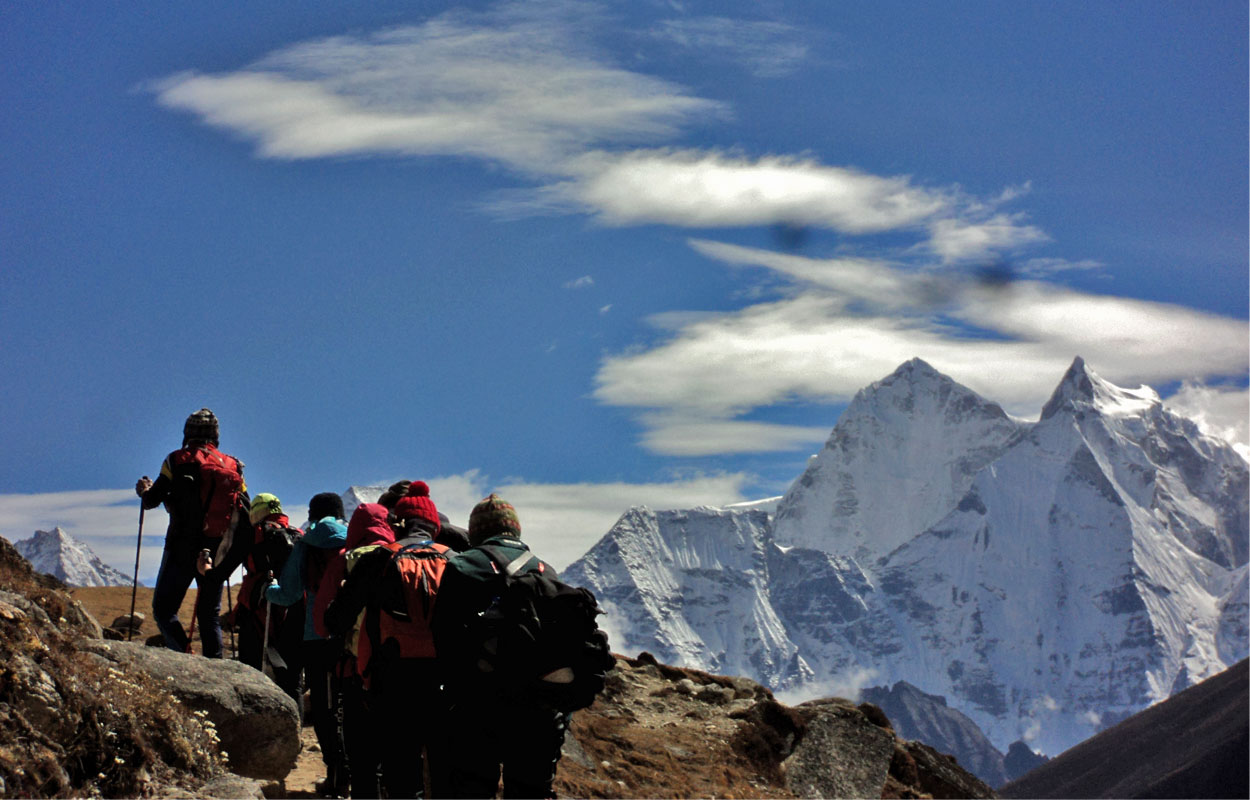
  • Sunrise hike to Kala Patthar (5,550m) – The best viewpoint of Everest and surrounding peaks
  • Cross Cho La Pass (5,420m / the official chola pass height) – A thrilling high Himalayan experience
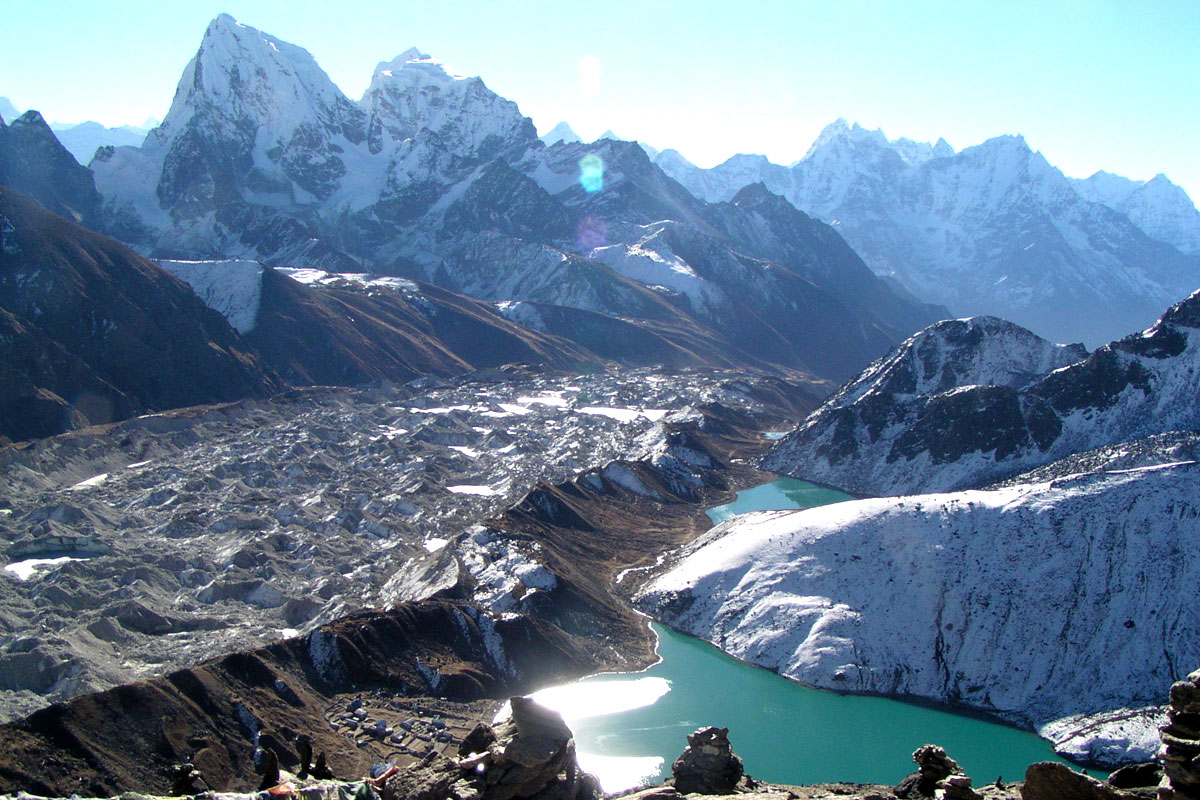
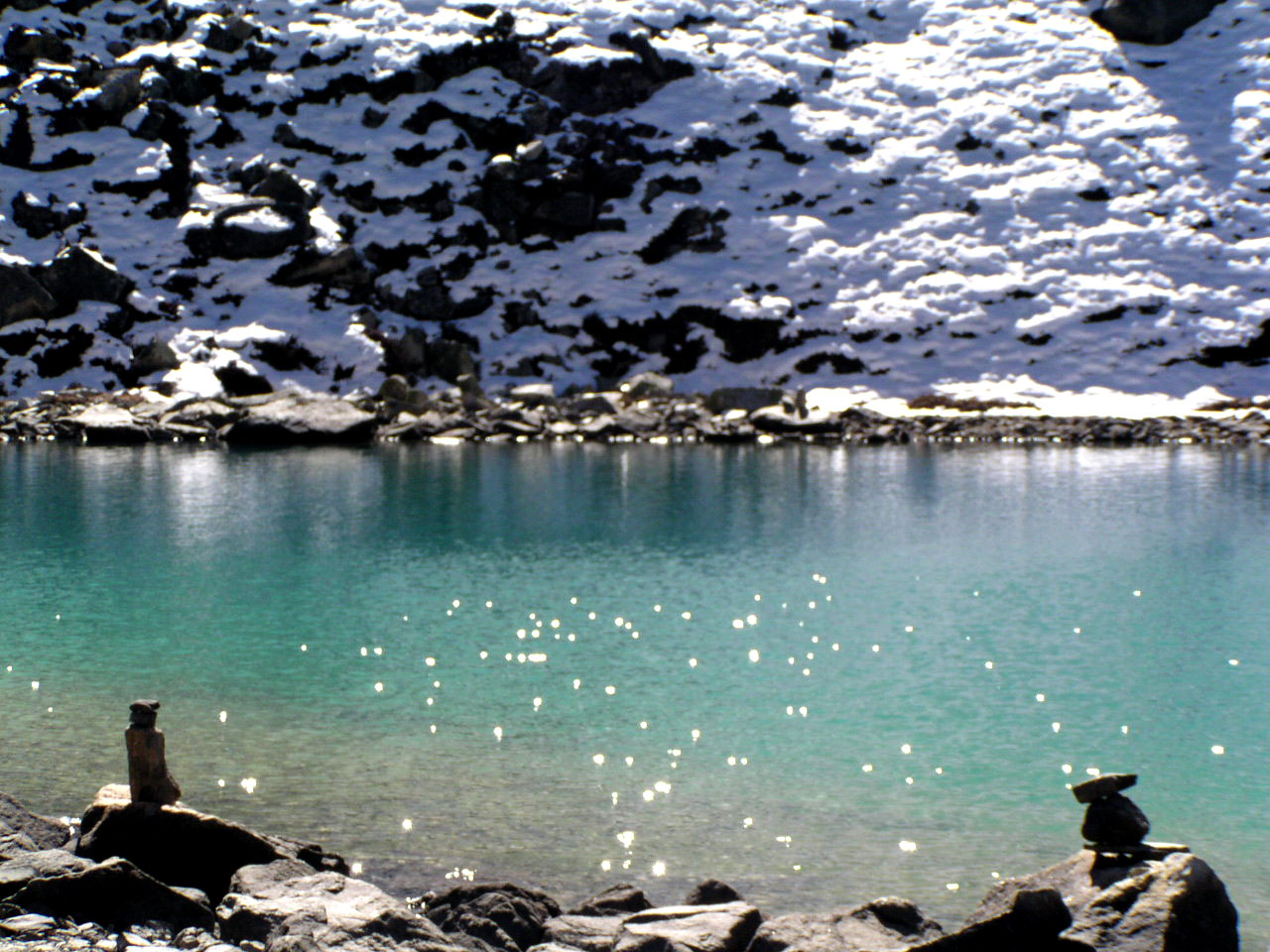
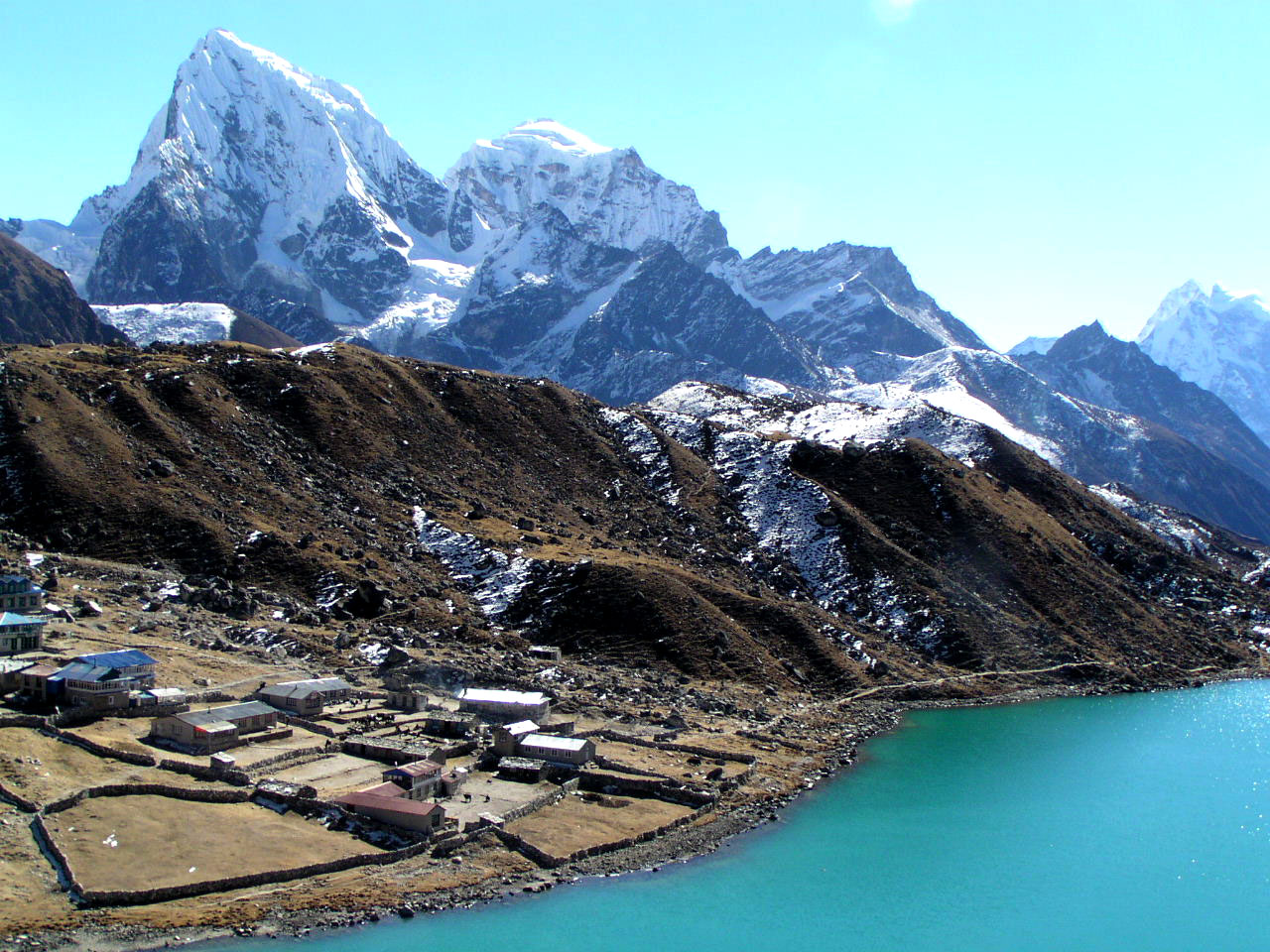
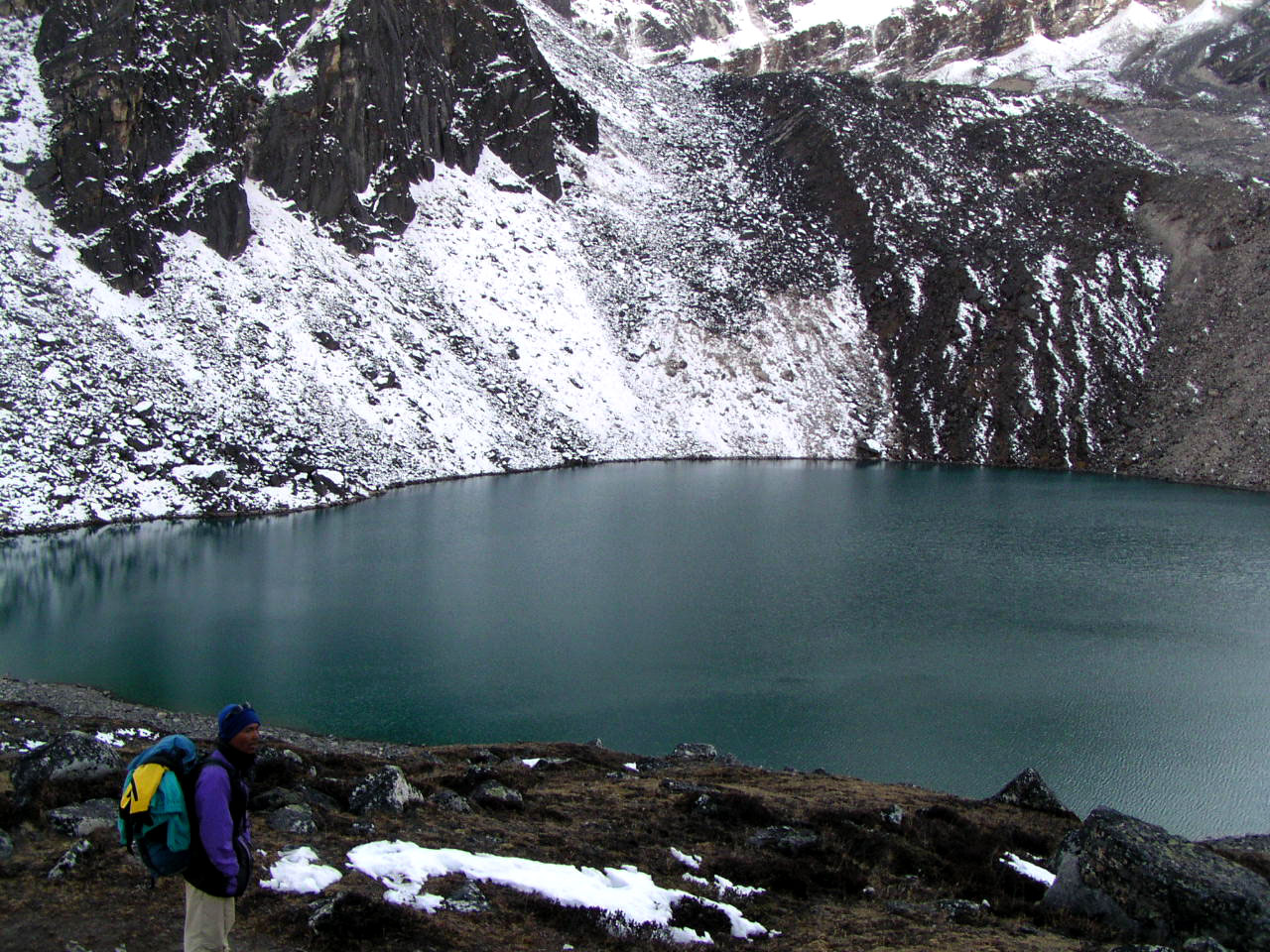
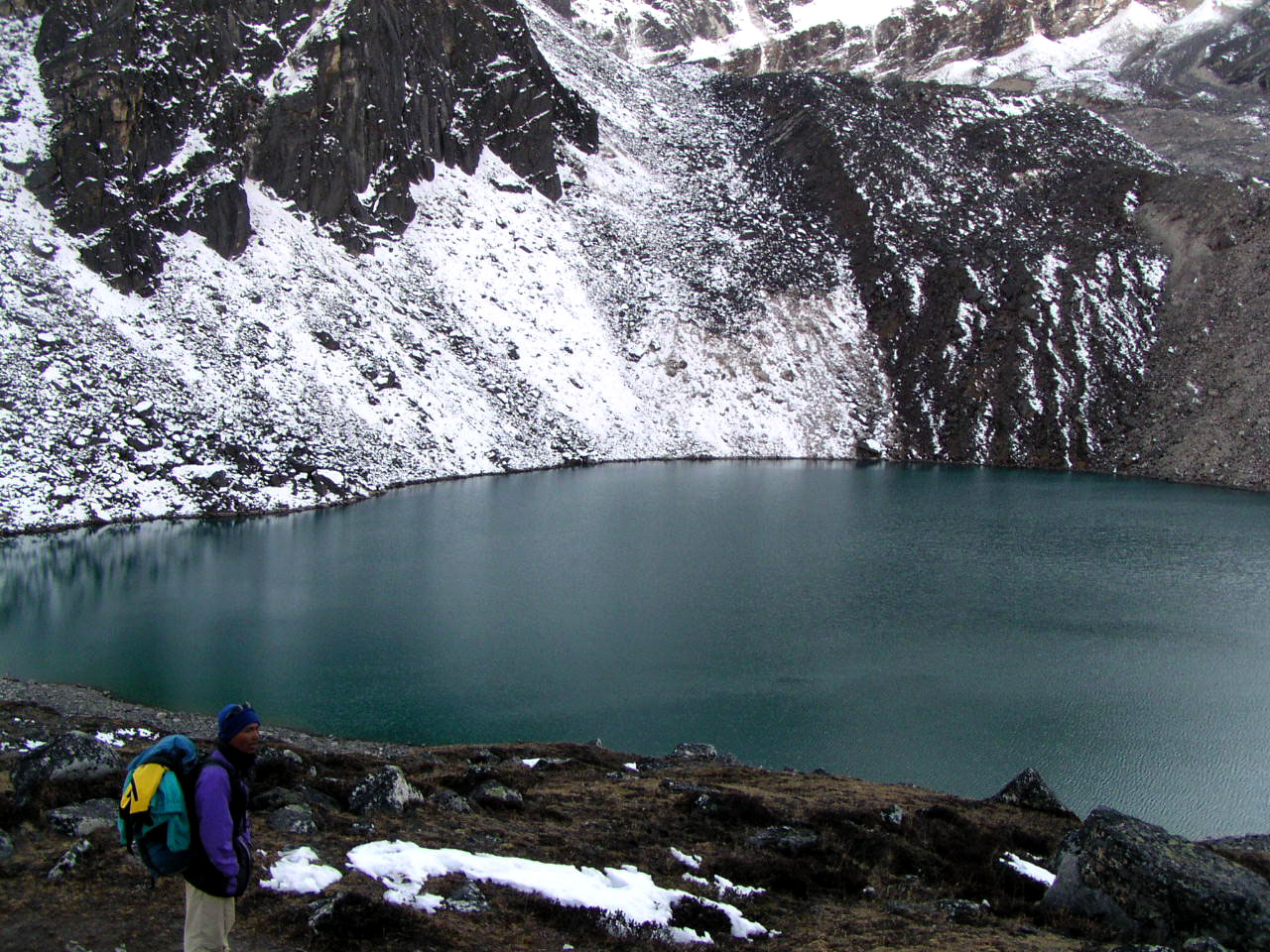
  • Explore Gokyo Lakes – A chain of six turquoise glacial lakes featured in every everest base camp and gokyo lakes trek
  • Climb Gokyo Ri (5,360m) – World-class 360° Himalayan panoramic views
  • See four 8,000-meter peaks – Everest, Lhotse, Makalu, and Cho Oyu
  • Witness massive glaciers – Khumbu and Ngozumpa glaciers
  • Experience Sherpa culture – Ancient monasteries, villages, and traditions
  • Peaceful off-the-beaten route – Quieter than the standard EBC trail
  • Circular route – Enjoy a more complete journey than typical treks
  • Great for experienced trekkers – Ideal for those seeking more than EBC

Why This Trek is So Unique

Two Distinct Valleys – One Epic Experience

This route is often referred to as the "Everest Two Valleys Trek" because it combines the Gokyo Lakes with Everest Base Camp via Cho La Pass. Anyone searching for the gokyo chola pass trek or the longer Chola Pass Trek 17 Days will find this circuit perfect.

The Khumbu Valley is lively, cultural, and home to iconic villages like Namche Bazaar and Tengboche. The Gokyo Valley, in contrast, is quiet, serene, and home to sparkling turquoise lakes.

Experiencing both valleys means you enjoy unmatched scenic diversity without backtracking.

Two of the Best Viewpoints in the Himalayas

Kala Patthar (5,550m) offers one of the closest views of Everest. Trekkers on the EBC Cho La Pass Gokyo Trek consistently rate this viewpoint as the most rewarding.

Gokyo Ri (5,360m) provides sweeping panoramas of Everest, Makalu, Lhotse, and Cho Oyu—something unique to the Everest Base Camp Trek via Gokyo Lakes and Cho La Pass.

Cho La Pass – The Thrill of a High Himalayan Crossing

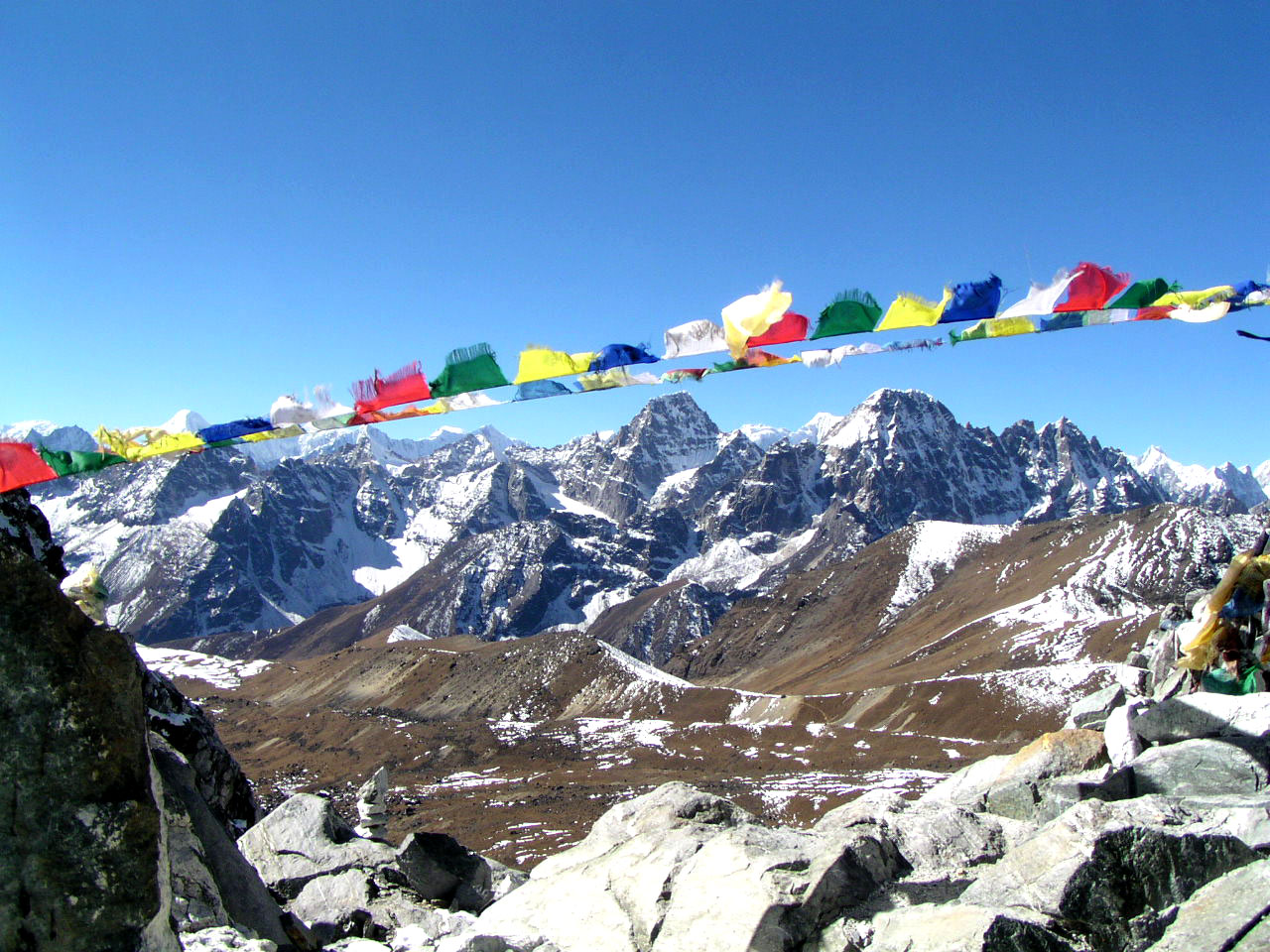
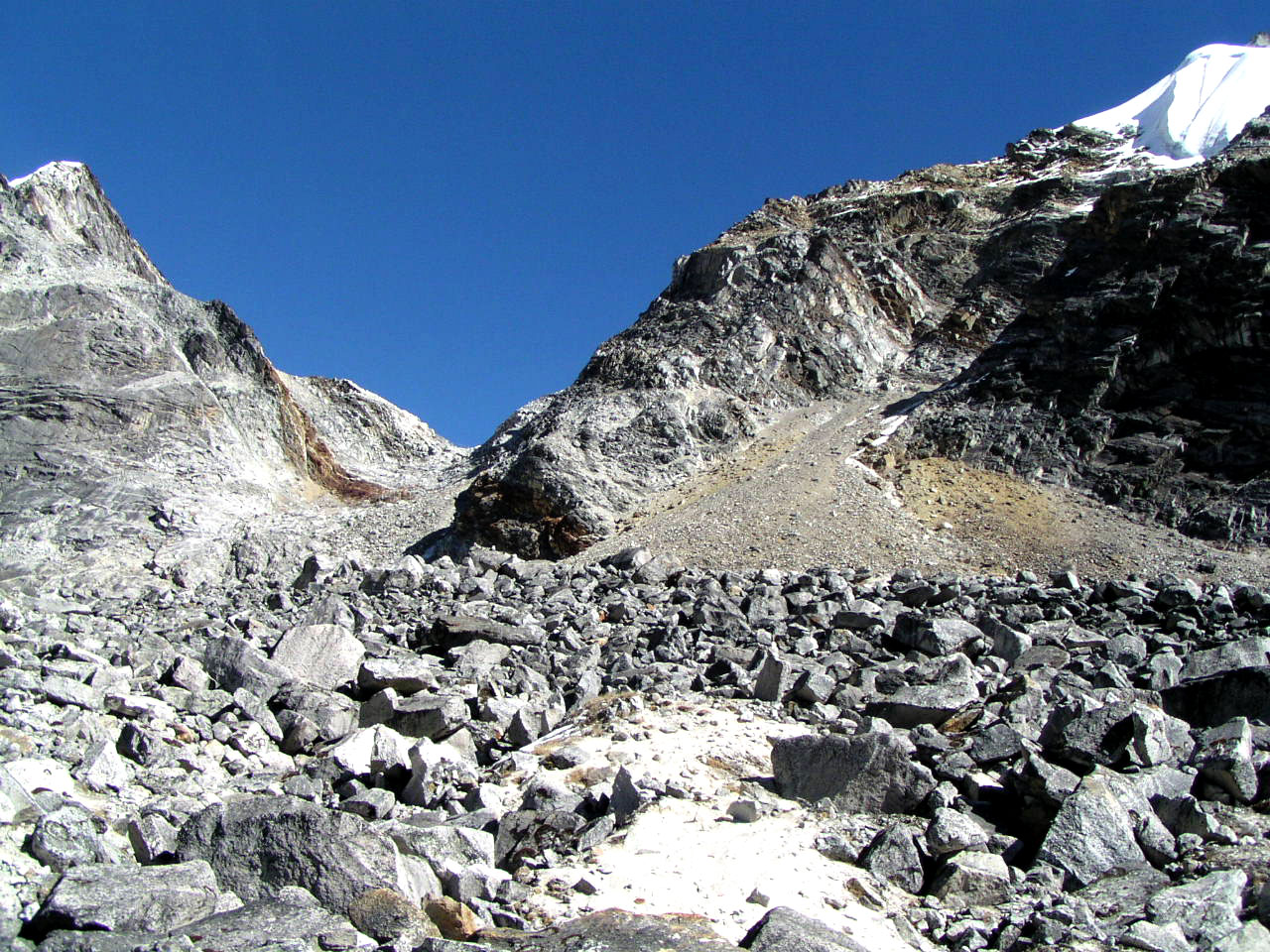
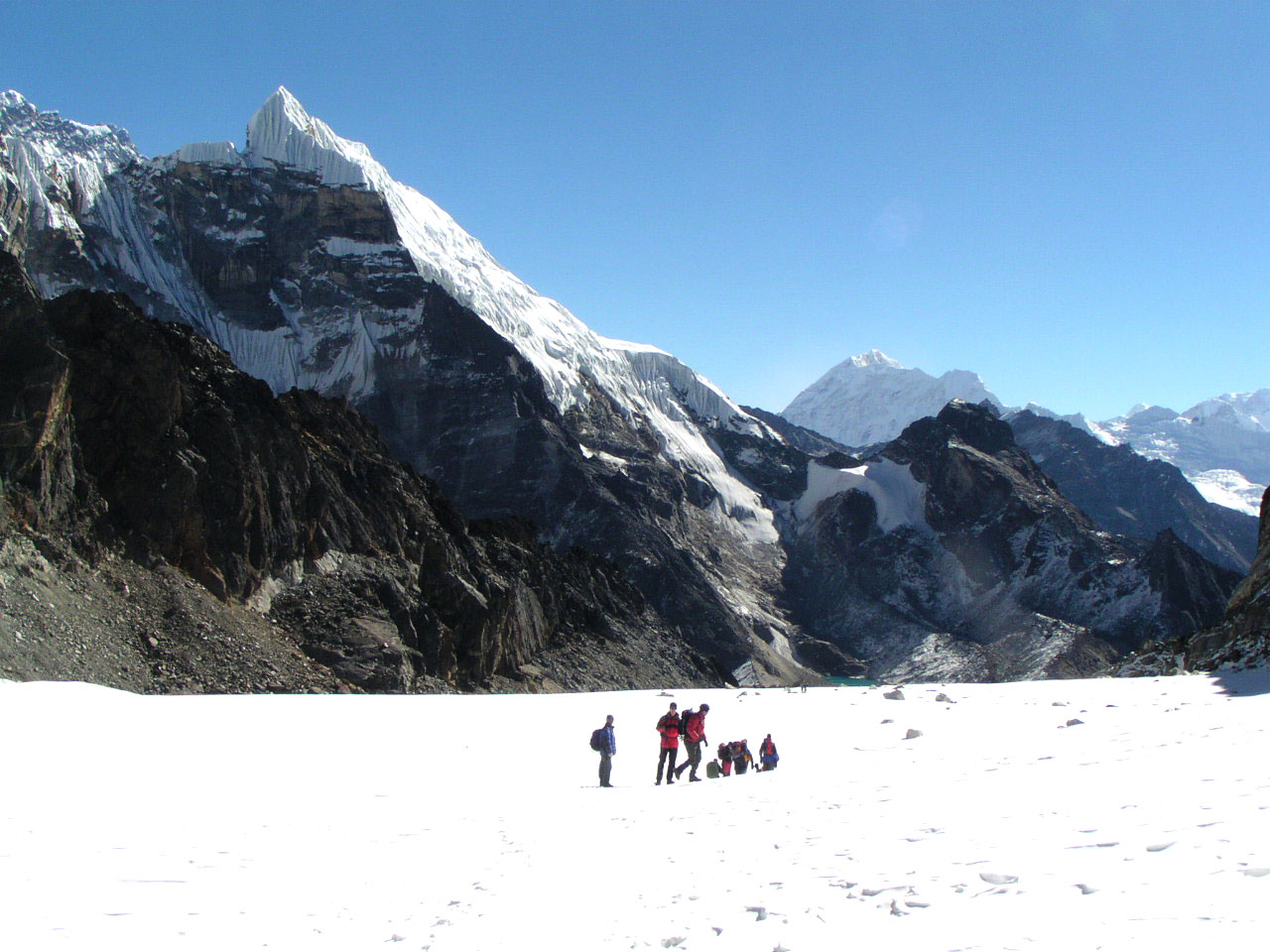
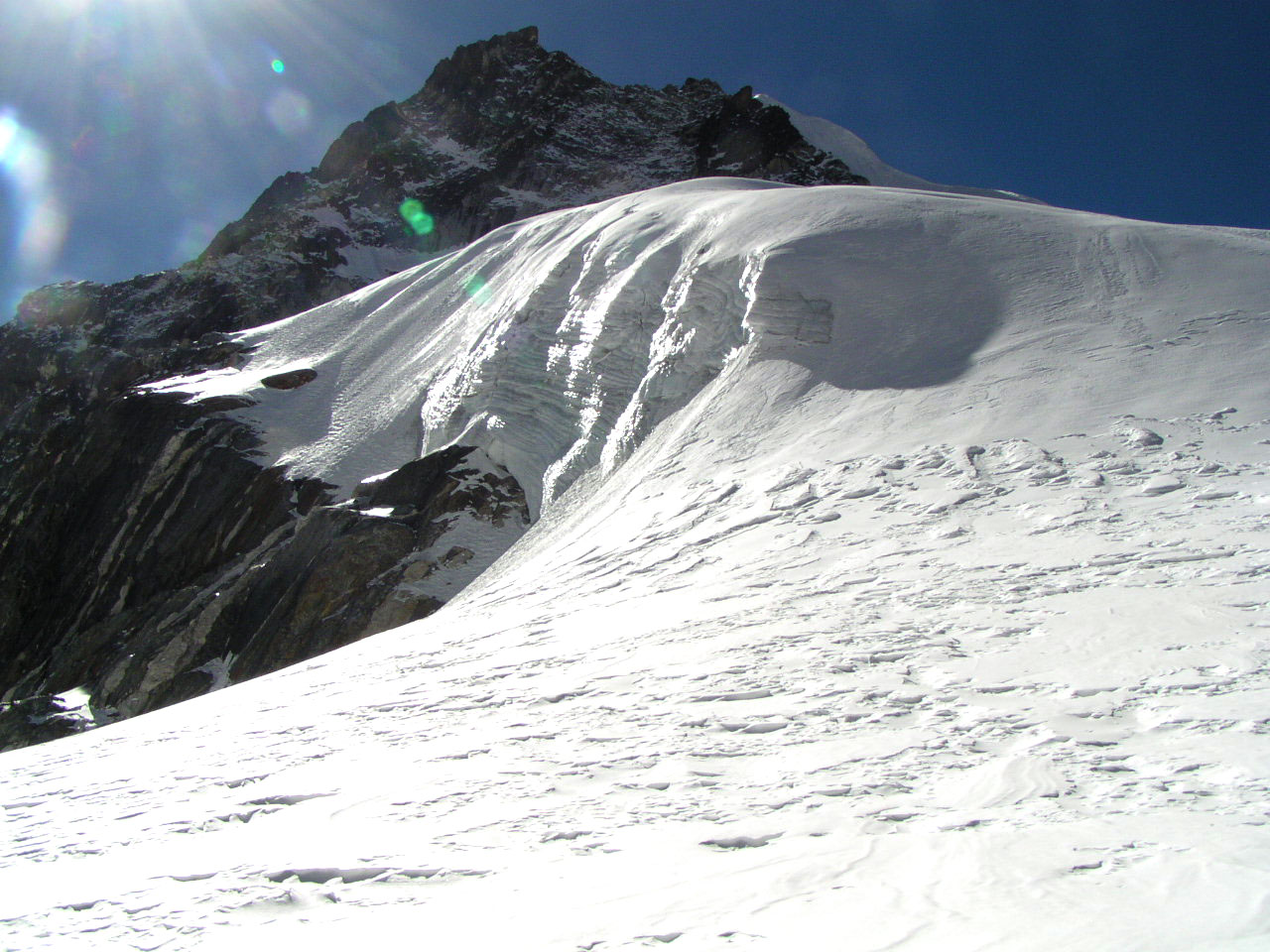
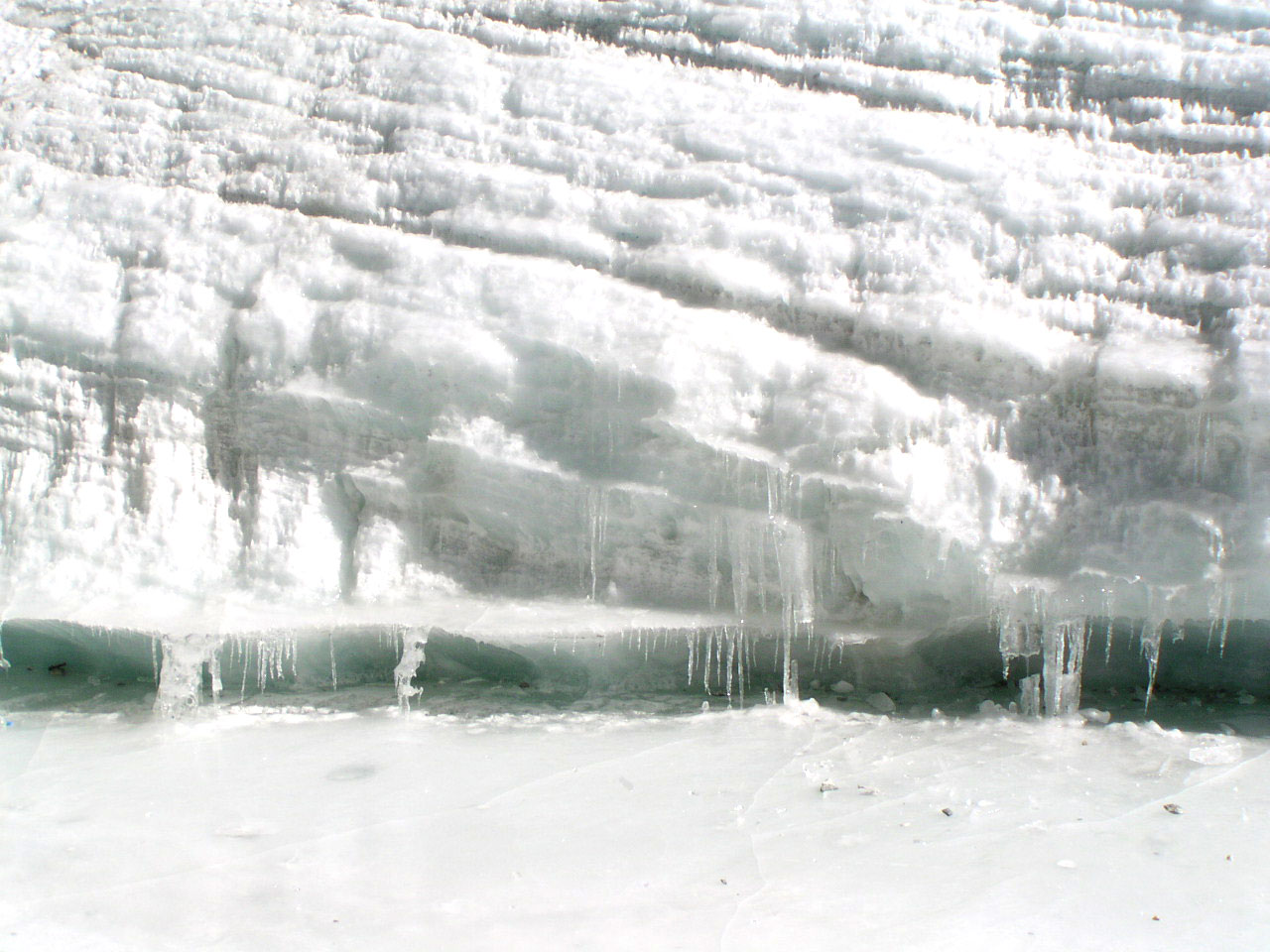
The Cho La Pass (5,420m) is the highest section of the trek. Although challenging, it requires no technical mountaineering skills. Snow patches, icy rocks, and glacial fields make it the highlight of any Cho La Pass Trek or Gokyo Cho La Pass Trekking route.

Reaching the pass feels like a major achievement and opens the gateway to the Gokyo Valley.

Visit Everest Base Camp – A Dream for Many

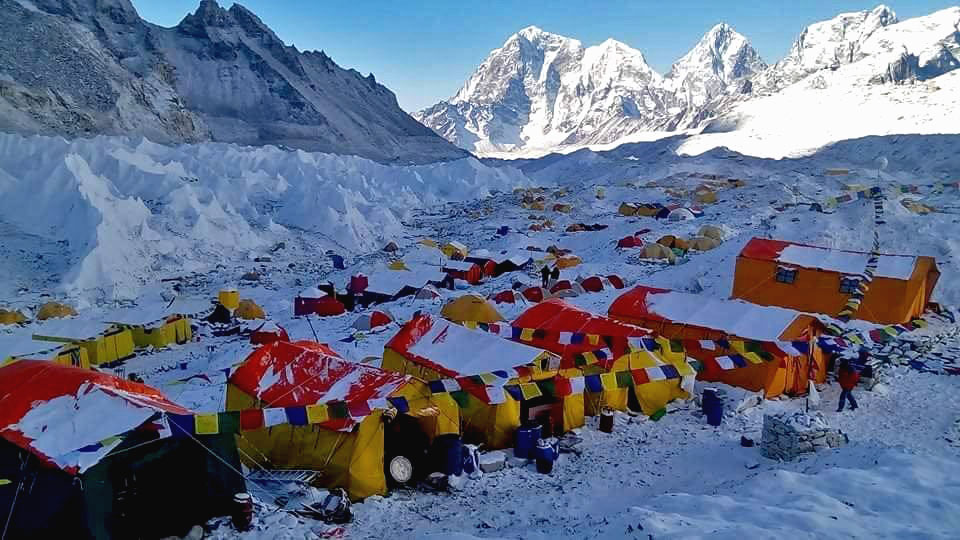
Standing at Everest Base Camp is the ultimate milestone for anyone on the Everest Base Camp & Gokyo Lakes Trek. While the peak is not visible from the base camp itself, the atmosphere, prayer flags, and the presence of mountaineers create a powerful experience.

Scenic Diversity: Glaciers, Forests, Lakes & Villages

No other trek in the Everest region offers such a remarkable mix of scenery. Whether you choose the everest cho la pass trek or the full Chola Pass Trek 17 Days itinerary, you will pass through forests, villages, glaciers, and the stunning Gokyo Lakes.

  • Rhododendron and pine forests
  • Sherpa villages and monasteries
  • High-altitude glaciers and moraines
  • Turquoise Gokyo Lakes

Sherpa Culture and Spiritual Heritage

The Khumbu region is rich in spirituality. Trekkers on the Everest Base Camp Chola Pass Gokyo Trek will encounter chortens, mani walls, prayer wheels, and monasteries throughout the trail—especially at Tengboche and Pangboche.

High Altitude Acclimatization and Safety

Since this trek goes above 5,000 meters multiple times, proper acclimatization is essential. The pace is similar to that recommended for the Gokyo Cho La Pass with Everest Base Camp route. Peace Nepal Treks ensures a safe and well-balanced itinerary.

What You’ll See on This Trek

  • Mt. Everest (8,848.86m)
  • Lhotse (8,516m)
  • Makalu (8,485m)
  • Cho Oyu (8,188m)
  • Ama Dablam (6,812m)

Lakes and Glaciers

  • Gokyo Lakes – sacred glacial lakes
  • Ngozumpa Glacier – longest glacier in Nepal
  • Khumbu Glacier – near Everest Base Camp

Best Time to Do This Trek

Autumn (Sept–Nov) – Clear skies and stable weather, the best season for the everest base camp and gokyo lakes trek.

Spring (Mar–May) – Warm, scenic, and ideal for photos.

Winter (Dec–Feb) – Quiet trails but possible snow on Cho La Pass.

Monsoon (Jun–Aug) – Not recommended.

Who Is This Trek Suitable For?

  • Trekkers with prior high-altitude experience
  • Those looking for a more challenging adventure than standard EBC
  • Fit trekkers prepared for long walking days

Packing Tips for This Trek

  • Warm layers and down jacket
  • Waterproof clothing
  • Broken-in trekking boots
  • Sleeping bag (-10°C to -15°C)
  • Sunglasses & sunscreen
  • Trekking poles (essential for Cho La Pass)

Why Trek With Peace Nepal Treks?

Peace Nepal Treks organizes expert-guided treks including the Gokyo Chola Pass with Everest Base Camp trail and the EBC Chola Pass Gokyo Trek. Our experienced guides, proper acclimatization planning, and caring support team ensure the best trekking experience.

  • Experienced guides & porters
  • Well-designed itineraries for safe acclimatization
  • Local expertise and personalized service
  • Permit arrangements, Lukla flights & logistics handled

A Life-Changing Adventure

The Everest Base Camp – Cho La Pass – Gokyo Trek is one of Nepal’s most rewarding trekking routes. If you're looking for a journey that combines the beauty of Gokyo Lakes, the challenge of Cho La Pass, and the iconic Everest Base Camp, this adventure is truly unforgettable.
Day to Day Itinerary

Expand All Close All
Day 1 : Arrival at Tribhuvan International Airport and transfer to the hotel. Hotel Stay.
Food
Self-Food
Accomodation
Lodge Accommodation
Elevation
1300

Upon landing at Tribhuvan International Airport, you will be greeted by our representative and assisted with your luggage. You’ll then be transferred to your hotel in Kathmandu, where you can relax and recover from your journey. Depending on your arrival time, you can explore nearby areas or enjoy some downtime at the hotel. Welcome to Nepal!

Day 2 : Flight: Kathmandu/Ramechhap to Lukla 2,840M and Trek to Phakding 2,610M, Overnight in Phakding, Lodge Stay.
Food
Self-Food
Accomodation
Lodge Accommodation
Elevation
2609

-- Manthali (Ramechhap Airport) to Lukla Flight: In busy times like March, April, May, October, and November, flights to Lukla leave from Ramechhap/Manthali instead of Kathmandu due to heavy air traffic.
We leave early in the morning, around 2 AM, from Kathmandu to Ramechhap, which takes about 4 - 5 hours by car or by shuttle bus. Then, we catch a flight to Lukla. These months are busy for trekking, so there's a lot of air traffic. That's why the flight departs from another airport called Ramechhap.
Kathmandu Airport to Lukla flight: In quieter months such as January, February, June, July, August, September, and December, Lukla flights depart from Kathmandu as usual. 

Day 3 : Trek Phakding 2,610M to Namche Bazaar 3,440M, Overnight in Namche Bazaar, Lodge Stay.
Food
Self-Food
Accomodation
Lodge Accommodation
Elevation
3439

The trek to Namche Bazar is a steep climb through forests of rhododendron around the Sagarmatha National Park. After crossing several suspension bridges and four hours of walking we reach the Sherpa market of Namche Bazaar.

Day 4 : Acclimatization day in NamcheBazaar 3,440M, Overnight in Namche Bazaar, Lodge Stay.
Food
Self-Food
Accomodation
Lodge Accommodation
Elevation
3439

Two days of rest in Namche Bazaar helps us in acclimatization and prepares us for our journey ahead. Namche, the trading capital of the Khumbu region was once the trading grounds of Tibetan Salt. Even today we can see Tibetans selling rugs, clothing, salt, and dried meat in the region. Namche is believed to be one of the best places on earth to see the sunrise and set.

Day 5 : Trek NamcheBazar 3,440M to Tengboche 3,860M. Overnight stay in Tengboche,Lodge Stay.
Food
Self-Food
Accomodation
Lodge Accommodation
Elevation
3860

After breakfast, we walk through many mani walls and stay beautiful village of Tengboche. The largest Buddhist monastery in Khumbu (Tengboche Monastery also known as Dawa Choling Gompa is situated in Tengboche village 3,860m.
We can see the beautiful panoramic view of the Himalayan Mountains, including the well-known peaks of TawacheEverestNuptseLhotseAma Dablam, and Thamserku

Day 6 : Trek Tengboche 3,860M to Dingboche 4,410M, Overnight stay in Dingbuche, Lodge Stay.
Food
Self-Food
Accomodation
Lodge Accommodation
Elevation
4410

we follow the Imja Khola through Pangboche until we reach Dingboche.

Day 7 : Acclimatization day in Dingboche, Overnight sta in Dingbuche, Lodge Stay.
Food
Self-Food
Accomodation
Lodge Accommodation
Elevation
4410

Today is a day of leisure day and walk around the places for good acclimatize about 2/ 3 hours walking around. We stay for the night in Dingboche.

Day 8 : Trek Dingbuche 4,410m to Lobuche 4,910M, Overnight stay in Lobuche, Lodge Stay.
Food
Self-Food
Accomodation
Lodge Accommodation
Elevation
4910

Today we ascend to Lobuche passing through the terminal moraine of the Khumbu glacier. We camp at Lobuche for the night.

Day 9 : Trek Lobuche 4,910M to Gorak Shep 5,140M and visit Kala Pathar 5,550M in the afternoon ascent 2 hours & visit Everest base camp, Lodge Stay.
Food
Self-Food
Accomodation
Lodge Accommodation
Elevation
5364

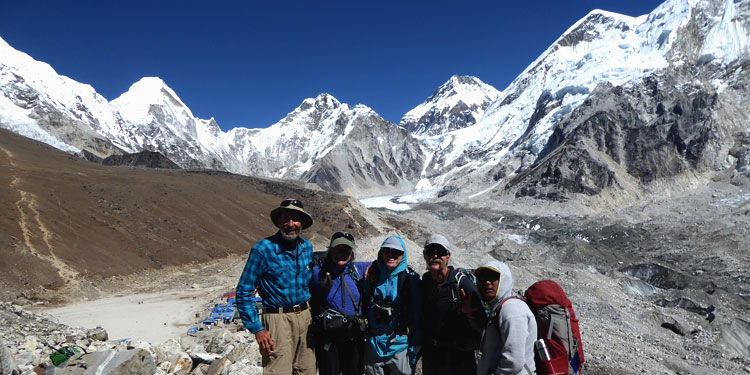
Gorak Shep is the Base Camp of the historical 1953’ Everest Expedition and the site where Peace Nepal Treks had successfully organized the 2009’ Everest Cricket Match. We have a time climbing the famous Kala Patthar peak (5,550m) in the evening and next early morning visit the Everest base camp 5,364m.

Day 10 : Trek back Gorakshep 5,140M to Lobuche, Overnight stay in Lobuche, LODGE STAY ACCOMMODATION.
Food
Self-Food
Accomodation
Lodge Accommodation
Elevation
4910

Early morning, we walk towards the Everest base camp (5,364m) and return to Gorakshep. From Gorak Shep, we return to Lobuche, overnight stay in Lobuche

Day 11 : Trek Lobuche 4,910m to Dzongla 4,830M, Overnight stay in Dzongla, LODGE STAY ACCOMMODATION.
Food
Self-Food
Accomodation
Lodge Accommodation
Elevation
4830

Dzongla is a pleasant walk from Lobuche and offers superb views of the Everest, Kala Pathar, and Pumori peaks.

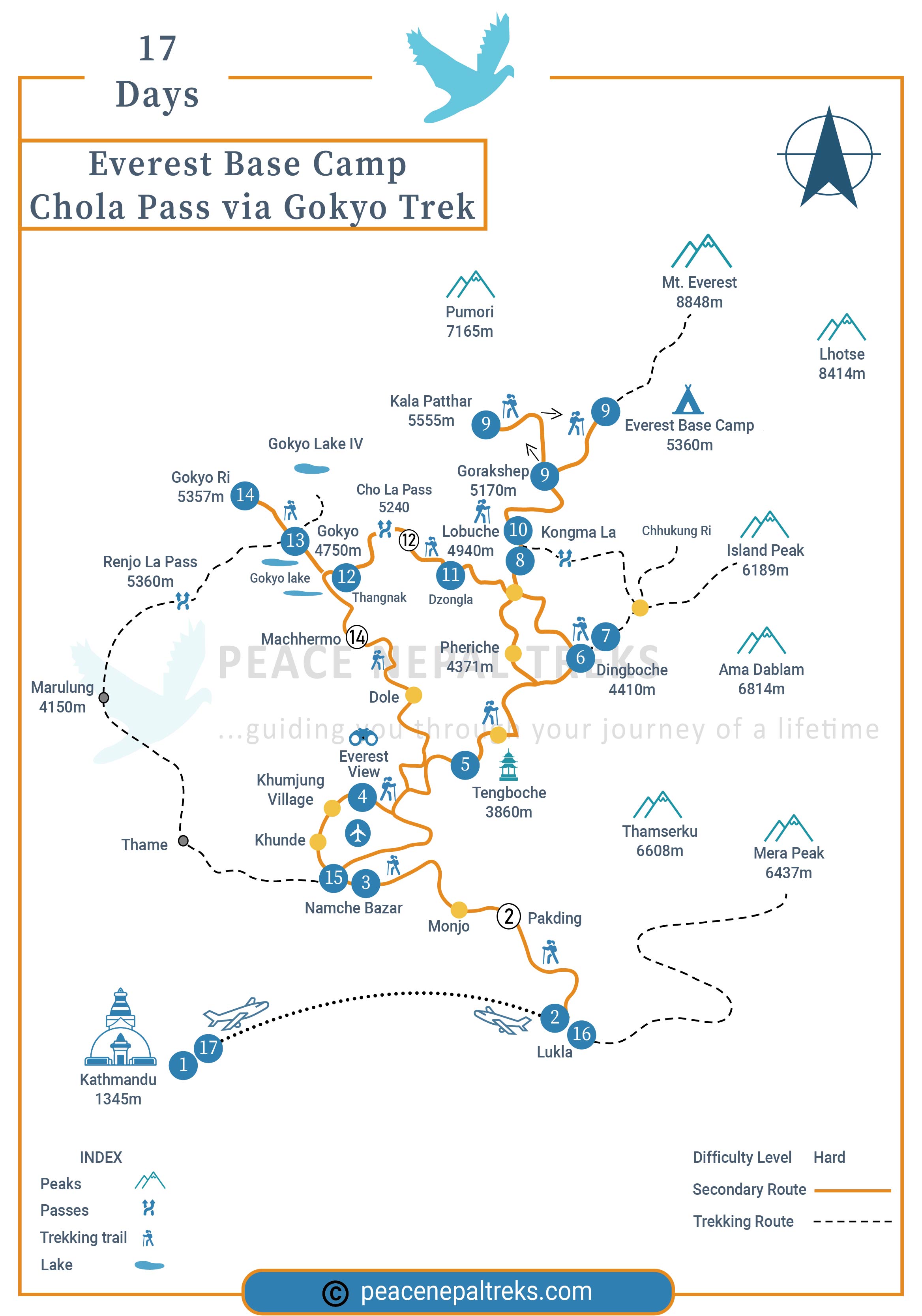
Day 12 : Trek Dzongla 4,830m to Chola pass 5,420M, Overnight stay in Thangnak, LODGE STAY ACCOMMODATION.
Food
Self-Food
Accomodation
Lodge Accommodation
Elevation
5420

Today we trek to Chola Pass 5,420m which is a comparatively difficult climb due to steep slopes and glacial traverses. We stay for the night in Thangnak kharka.

Day 13 : Trek Thangnak 4,700m to Gokyo 4,790M, Overnight stay in Gokyo, LODGE STAY ACCOMMODATION.
Food
Self-Food
Accomodation
Lodge Accommodation
Elevation
4790

After successful Chola Pass 5,420M, we walk to Gokyo and night stay in Gokyo.

Day 14 : Walking Gokyo 4,791m to Gokyo ri 5,360m and walking further down to Machhermo, Overnight stay in Machhermo, LODGE STAY ACCOMMODATION.
Food
Self-Food
Accomodation
Lodge Accommodation
Elevation
4470

Gokyo is a small village at the foot of the magnificent Gokyo Ri 5,360m, a 3-hour ascent from its base. The view from the top of this small snow-covered hill is breathtaking and captures a stunning Everest between the Changtse and Nuptse.

Day 15 : Trek back Machhermo 4,470m to Namche Bazar 3,400M, Overnight stay in Namche Bazar, LODGE STAY ACCOMMODATION.
Food
Self-Food
Accomodation
Lodge Accommodation
Elevation
3400

The trail now descends to Namche Bazaar which offers superb views of Everest, Nuptse, Lhotse, Ama Dablam, Thamserku, and Kwangde peaks. We stay overnight at Namche, a perfect place to celebrate the success of our two-week trek.

Day 16 : Trek back down Lukla, Overnight stay in Lukla, LODGE STAY ACCOMMODATION.
Food
Self-Food
Accomodation
Lodge Accommodation
Elevation
2840

On our way back, we cross suspension bridges over the Dudh Koshi River, make our way through steep descends and walk past numerous tea houses before finally arriving at Lukla.

Day17 : Flight: Lukla to Ramechhap Airport and drive to Kathmandu about 4-5 hrs. Overnight stay in Kathmandu hotel.
Food
Self-Food
Accomodation
Kathmandu Hotel Stay

During April/May and October/November, you can take a short 15-minute flight from Lukla to Ramechhap. These months are when many tourists visit, so Lukla can be quite busy. After landing, we'll drive for about 4 to 5 hours to Kathmandu, where you'll spend the night at a hotel. This marks the beginning and end of your holiday. Thank you for visiting our country and for your support. We're grateful for your visit.

Note: Above holiday itinerary can be customized to our guest-specific requirements and can make shorter and longer. We design your holidays accordingly.

Services Included on Price

Standard Package Cost USD 1295 per person

Standard Package Service Includes

Airport Transportation

  • Round-trip transfers between Kathmandu International & Domestic Airports and your hotel
  • Private vehicle service for smooth, timely, and hassle-free arrivals and departures
  • Friendly assistance to make your arrival and departure easy and stress-free

Hotel Stay in Kathmandu

  • One night stay in a comfortable 3-star hotel in Kathmandu
  • Clean, cozy rooms with modern facilities
  • Perfect place to rest and relax before or after the trek

Permits & Entry Fees Everest Base Camp - Chola Pass Via Gokyo Trek

  • All required government permits and entry fees
  • Everest National Park/region entry fee
  • Pasang Lhamu Rural Municipality local tax
  • All government taxes included – no hidden or extra costs

Guide & Porter Services (Fully Covered) for Everest Base Camp - Chola Pass Via Gokyo Trek

Professional Trekking Guide

  • Government-licensed, experienced, and English-speaking trekking guide for his 16-day wages
  • Very good knowledge of trekking routes, mountains, weather, altitude safety, and local culture
  • Guide services fully covered, including: Daily wages, Insurance, Meals and accommodation, Trekking equipment

Porter Service During the Trek

  • One strong and reliable porter shared between two guests - Maximum 20 kg load per porter and his 16-day porter wages
  • Porter services fully included: Daily wages, Insurance, Meals and accommodation, Trekking equipment
  • Our porters are honest, experienced, and well cared for

Trekking Accommodation (Mountain Lodges)

  • 11 nights in the best available tea houses / mountain lodges during the trek
  •  Rooms on a twin-sharing basis
  • Clean, warm, and comfortable lodges with friendly local hospitality

Kathmandu / Ramechhap – Lukla – Kathmandu Flights

  • Round-trip flight for guests from Kathmandu or Ramechhap to Lukla and return
  • Round-trip flight for the trekking guide from Kathmandu to Lukla and return
  • Flights arranged carefully to support smooth trekking logistics

Trekking Equipment from Peace Nepal Treks

(Provided if needed – all equipment must be returned after the trek)

  • Trekking poles
  • Nepali-made down jacket
  • Nepali-made sleeping bag
  • Nepali-made duffle bag
  • Gaiters
  • Snow-walking crampons (provided if needed due to snow conditions)
  • Charging adapter
  • Power bank for mobile charging

Health & Safety Support

Your safety is our top priority

  • Digital pulse oximeter for daily oxygen-level checks at high altitude
  • Diamox (Acetazolamide) and basic altitude medicines if required
  • Emergency first-aid kit carried by trekking staff at all times

Drinking Water

  • Unlimited water purification tablets for safe and eco-friendly drinking water
  • Bottled mineral water is available along the trail and paid by guests if preferred

Important Note on Drinking Water

We strongly recommend using tap water with purification tablets, because it is:

  • Safe and healthy
  • Economical
  • Environmentally friendly
  • Helps reduce plastic waste in the mountains

Food Extras During the Trek

  • Energy bars and cookies, especially at higher altitudes and base camp
  • Seasonal fresh fruits when available

Communication & Power

  • Local NCELL SIM card for communication during the trek (to be returned after the trek)
  • Power bank provided for charging mobile phones on the trail

Emergency Support

  • Full rescue coordination and assistance in case of emergency or severe weather
  • Rescue support provided subject to valid personal travel insurance

Additional Support & Services

  • Everest Region / Himal trekking map
  • Eco-friendly rubbish and waste management throughout the trek
  • Trek completion certificate after successfully finishing the trek
  • All government taxes and Peace Nepal Treks official service charges included

Standard Package Service Excludes

Meals & Drinks (Not Included)

  • Meals in Kathmandu and during the trek (breakfast, lunch, and dinner) are not included.
    For meals on the trek, we recommend budgeting approximately USD 30–40 per person per day, depending on food choices and altitude.
  • Snacks and drinks such as chocolates, soft drinks, bottled mineral water, energy or nutrition bars, and alcoholic beverages.

Extra Hotel Stays

  • Any extra nights in Kathmandu or Pokhara beyond the included hotel stay.

Tipping for the Guide, porter, and driver

  • Tips for the trekking guide, porter, support staff, and drivers at the end of the trip.
  • Tipping is appreciated but not mandatory.
  • As a general guideline, around 15% of the total trip cost is recommended, depending on the service quality and your satisfaction during the trek.

Rescue & Emergency Costs

  • Any rescue or medical expenses in case of emergency.
  • This includes helicopter evacuation, ambulance services, hospital stays, medical tests, and medicines.
  • These costs must be covered by your travel insurance.
  • We will fully assist and support you in arranging rescue and medical help during emergencies.

Travel Insurance (Required)

  • Travel insurance is mandatory for all trekkers.
  • Your insurance must cover:- Trekking accidents - Altitude sickness - Emergency ambulance or helicopter rescue
  • Please bring a copy of your insurance policy and also send us a copy before arrival.
  • This helps us respond quickly and arrange support if needed.

Personal & Extra Expenses

Personal expenses such as

  • Bottled water
  • Coca-Cola and other soft drinks
  • Wi-Fi charges during the trek
  • Hot showers
  • Charging electronic devices
  • Any other personal or unforeseen expenses

City Sightseeing Costs in Kathmandu and Pokhara

  • Entrance fees
  • Transportation
  • City guide fees

International & Domestic Flights and Visa

  • International flight tickets to and from Nepal.
  • Nepal entry visa fee (payable on arrival at Kathmandu Airport):
  • 15 days – USD 30
  • 30 days – USD 50
  • 90 days – USD 125
  • For your convenience, you can fill out the visa form online before arrival and pay cash at the airport. This makes the visa process faster and easier.

Personal Trekking Equipment

  • Personal trekking gear such as clothing, trekking boots, and other personal equipment.

Other Services

  • Any services not mentioned in the “Cost Includes” section are not included.

Altitude Graph

Route Map

FAQs

This trek is a combined adventure that takes you through both the classic Everest Base Camp trail and the beautiful Gokyo Valley. The route includes climbing Kala Patthar, visiting Everest Base Camp, crossing the high Cho La Pass, exploring Gokyo Lakes, and climbing Gokyo Ri. It is one of the most complete Himalayan treks and is often called the Gokyo Cho La Pass with Everest Base Camp trek or the EBC Cho La Pass Gokyo Trek.

This trek is considered challenging because of high altitude, long walking days, and the crossing of Cho La Pass. It is harder than the standard Everest Base Camp trek but does not require technical climbing experience. Good fitness and previous trekking experience are recommended.

The Cho La Pass height is 5,420 meters (17,782 feet). This is the highest and most difficult point of the trek, and weather conditions can change quickly, so proper acclimatization is essential.

Cho La Pass is steep and can be icy or snowy depending on the season, making it one of the most challenging sections of the trek. While it does not require ropes or technical climbing tools, trekkers must walk carefully, especially during the descent. Trekking poles and proper boots are very helpful.

No technical climbing skills are needed. The Cho La Pass Trek is a trekking route, not a mountaineering climb. However, good physical fitness, confidence walking on rocky and snowy terrain, and high-altitude experience are important.

Most itineraries range from 15 to 18 days. Some trekkers choose a Chola Pass Trek 17 Days itinerary, depending on acclimatization needs and side trips such as Gokyo Ri or Chhukung Ri.

The best seasons are:

Autumn (September–November) – clear skies, best visibility, stable weather

Spring (March–May) – warmer temperatures, flowers in bloom

Winter may have heavy snow on the pass, and monsoon has slippery trails and low visibility.

This trek is not recommended for beginners. It is best for trekkers who have already completed other high-altitude treks such as Annapurna Circuit, Mardi Himal, or Langtang Valley. Beginners may struggle with altitude and the steep climbing on Cho La Pass.

The Everest Base Camp Trek via Gokyo Lakes and Cho La Pass adds more scenery and adventure than the normal EBC trek. You explore Gokyo Lakes, climb Gokyo Ri, and cross Cho La Pass. It is longer, more varied, and more rewarding.

Major highlights include Everest Base Camp, Kala Patthar sunrise, Cho La Pass crossing, Gokyo Lakes, Gokyo Ri climb, Sherpa villages, glaciers, sacred lakes, and views of four 8,000-meter mountains (Everest, Lhotse, Makalu, Cho Oyu).

The highest points are:

  • Kala Patthar – 5,550 m
  • Cho La Pass – 5,420 m
  • Gokyo Ri – 5,360 m
  • Everest Base Camp – 5,364 m

Accommodation is in local teahouses, offering twin-sharing rooms with basic amenities. Heating is limited, and hot showers are available in some places for an extra cost. Gokyo and Lobuche have simple but comfortable lodges.

Teahouses offer meals such as dal bhat, soups, noodles, pasta, fried rice, eggs, potatoes, porridge, tea, and coffee. Food is vegetarian-friendly and safe for trekkers.

Yes, you need:

  • Sagarmatha National Park Entry Permit
  • Khumbu Pasang Lhamu Municipality Permit

Peace Nepal Treks arranges all permits for you.

Yes. The trek reaches very high altitude, and the pass involves steep climbing. Proper acclimatization, slow walking, drinking water, and resting when needed are important. Guides from Peace Nepal Treks monitor your health daily.

Most days involve 5 to 7 hours of walking, and on the day of crossing Cho La Pass, it may take 8 to 9 hours including breaks.

The Gokyo Lakes are famous for their bright turquoise color, reflections of the mountains, and peaceful surroundings. They are considered sacred and are one of the biggest highlights of the Everest Base Camp and Gokyo Lakes Trek.

The climb to Gokyo Ri is steep but safe and takes about 2 to 3 hours. The views from the top are some of the best in the Himalayas, including four 8,000 m peaks.

Most of the year, Cho La Pass can be crossed safely without crampons. However, after snowfall or in early winter, micro-spikes are recommended. Your guide will advise based on conditions.

You need a warm down jacket, thermal layers, waterproof jacket, trekking boots, gloves, sleeping bag, sunglasses, sunscreen, and trekking poles. A complete gear list is usually provided by Peace Nepal Treks.

ATMs are available only in Lukla and Namche Bazaar. After Namche, there are no ATMs, so you must carry enough cash for the trail.

The most recommended direction is anti-clockwise:
EBC → Cho La Pass → Gokyo.
This helps with acclimatization and makes the Cho La Pass crossing safer.

Yes, but charging costs extra in higher villages. Solar power is available in many teahouses. A power bank is strongly recommended.

Temperatures can drop to:

  • -10°C to -15°C at night in high camps
  • -5°C at Gokyo and Lobuche

Wind on the pass can make it feel colder.

Because of challenging sections like the Cho La Pass and high altitude, a guide and porter are highly recommended. They help with navigation, safety, and carrying loads.

You get more variety, more scenery, and more adventure. The addition of Gokyo Lakes, Gokyo Ri, and Cho La Pass makes this route far more rewarding than the standard EBC trail.

Yes. Snow, ice, or strong winds can sometimes make the pass unsafe. In such cases, guides choose a safer alternative route or wait for better conditions.

You should be able to walk long distances for several days, climb steep hills, and handle cold and high altitude. Regular hiking practice helps.

Most treks start with a flight from Kathmandu or Ramechhap to Lukla. The trek usually ends at Lukla as well, making it a circular or loop trek.

Peace Nepal Treks provides expert local guides, well-planned acclimatization schedules, safe Cho La Pass crossings, reliable porter support, customized itineraries, and personal care throughout the journey. Their experience ensures a safe, comfortable, and memorable Everest Base Camp – Cho La Pass – Gokyo Trek.

Additional Information

Easy Weather, Great Views & Fewer Crowds – Plan Your Trek the Right Way

The Everest Base Camp – Chola Pass via Gokyo Trek is one of the most beautiful and adventurous journeys in the Himalayas. To make this trip safe, enjoyable, and full of amazing memories, it’s important to choose the right time of year. Let’s explore the best trekking seasons and months to help you plan better.

Autumn Season (September to November) – The Best Time to Go

The most recommended time for this trek is during the autumn months. This season offers the clearest skies, stable weather, and breathtaking mountain views.

Why Choose Autumn?

Perfect Weather: Cool mornings, sunny days, and very little rain or snow.

Incredible Views: The skies are usually very clear, so you can enjoy perfect views of Mount Everest, Ama Dablam, and other peaks.

Festivals: You might get to see Nepal’s famous festivals like Dashain and Tihar during this time, adding a cultural touch to your journey.

Trekking in October – The Most Popular Month

October is the peak trekking month in Nepal, and for good reason.

Highlights of October

Ideal Conditions: Not too hot, not too cold, with clear skies almost every day.

Great Visibility: You’ll enjoy the best views of the mountains without fog or clouds.

Fewer Tourists (compared to later in November): The trails are busy but not overcrowded.

Colorful Trails: Autumn leaves make the forests and hills come alive with golden and red colors.

Trekking in November – Quieter but Still Perfect

November is also a fantastic month to do the Everest Base Camp – Chola Pass – Gokyo trek.

Highlights of November

Post-Monsoon Clarity: The air is clean, and the skies are still very clear.

Less Snow on the Pass: Chola Pass remains accessible before winter snow starts building up heavily.

Peaceful Trails: Fewer trekkers means a more peaceful, nature-focused experience.

Final Tips for Trekking Time

Avoid December to February – These are winter months with heavy snow and freezing cold, especially at Chola Pass.

Avoid June to August – This is the monsoon season, when rain makes trails slippery and clouds block mountain views.

If you’re planning in early September, check weather updates regularly. The monsoon might linger in the first week.

If you go in late November, carry extra warm clothes as temperatures drop quickly.

Why Season Matters for This Trek

The Chola Pass (5,420m) is a high mountain pass that can get very dangerous with snow and ice. So, trekking before winter is safer and more comfortable. Also, the views from Gokyo Ri and Kala Patthar are best enjoyed under blue skies—and autumn gives you exactly that.

When Should You Go?

If you’re looking for

  • Perfect weather 
  • Stunning views 
  • Safe and dry mountain passes 
  • A memorable trekking experience 

Then October and November are your best bet for the Everest Base Camp – Chola Pass – Gokyo Trek. You’ll enjoy the Himalayas at their finest and return home with beautiful memories and incredible photographs.

Easy Guide to Your Personal Trekking Gear

If you’re going on the Everest Base Camp – Chola Pass – Gokyo Trek, you need the right gear to stay warm, safe, and comfortable. Don’t worry—this list is simple and easy to follow.

You can bring most things from home, but if you forget something, you can buy or rent in Kathmandu at a good price.

Clothing You Need

  • Trekking boots – strong and waterproof. Use them before the trek to make them comfortable.
  • Sandals or slippers – for relaxing in the lodge after walking.
  • Socks – 3–4 warm and soft pairs (wool or synthetic is best).
  • Down jacket – for cold days and nights.
  • Fleece jacket – a warm layer for cooler weather.
  • T-shirts – 2–3 breathable shirts (not cotton).
  • Trekking pants – 2–3 quick-dry pants for walking.
  • Shorts – for warm weather in the lower areas.
  • Windbreaker/rain jacket – keeps you dry and protects from wind.
  • Woolen hat – keeps your head warm at high altitude.
  • Sun hat or cap – for sunny days.
  • Gloves – one warm pair and one light pair.
  • Gaiters (optional) – protect your legs when walking on snow or rocks.

Bags and Sleeping

  • Sleeping bag – warm (good for -15°C to -20°C). You can rent in Kathmandu.
  • Duffel bag or rucksack – your main bag (carried by porter, max 20kg).
  • Daypack – small backpack (8–12kg) that you carry. Keep your water, snacks, camera, etc.
  • Water bottles – carry 2 liters. Reusable bottles are better.

Personal Items

  • Toiletries – toothbrush, toothpaste, soap, shampoo, etc.
  • Toilet paper – not always available on the trail.
  • Towel – small, fast-drying travel towel.
  • Wet wipes – useful for cleaning when no shower is available.
  • Sunscreen – strong (SPF 30 or more).
  • Lip balm – with SPF to protect your lips.
  • Basic medicine – like painkillers, cough drops, band-aids.
  • Water purification tablets – for safe drinking water.
  • Altitude medicine (Diamox) – ask your doctor before the trek.
  • Snacks or energy bars – helpful on long walking days.

Extra Things (Optional but Useful)

  • Sunglasses – to protect from the bright sun and snow glare.
  • Headlamp or torch – for early morning hikes or dark rooms.
  • Extra batteries – for your torch or camera.
  • Camera – to capture amazing mountain views.
  • Book, cards, or music – for evening relaxation.
  • Binoculars – to see far-off mountains or wildlife.
  • Plastic bag – for your rubbish (keep the trail clean).
  • Small padlock – for locking your bag or lodge room.

Final Tips

  • Dress in layers – it’s cold in the morning and evening but warmer during the day.
  • No need to bring too much – pack smart, not heavy.
  • You can buy or rent most gear in Kathmandu if you need to.
  • Bring some small Nepali money for snacks, showers, or donations along the trail.

Important to Know

  • Your porter will carry your main bag (up to 20kg).
  • You will carry your daypack during the day.
  • Keep your camera, snacks, water, and jacket in your daypack for easy access.

For Guests & Nepali Staff – Safety First at High Altitude

The Everest Base Camp – Chola Pass – Gokyo Trek is a high-altitude adventure that involves steep trails, glacier crossings, and mountain passes like Chola Pass (5,420m). That’s why having the right travel insurance is very important—for both international guests and the Nepali trekking team.

For Guests (Foreign Trekkers)

Travel insurance is mandatory for all trekkers doing this route. You should buy insurance before coming to Nepal.

Your Insurance Must Include

High-altitude coverage (at least up to 6,000 meters)

  • Emergency helicopter evacuation
  • Medical treatment and hospital bills
  • Trip cancellation or delay
  • Loss or theft of baggage
  • Accidents or injuries while trekking

Why It’s Important

  • If you get altitude sickness, you might need a helicopter rescue, which can cost USD $3,000–$6,000.
  • Most villages along the trail have no road access—so helicopters are the only emergency exit.
  • Hospitals in Nepal (especially private ones) can be expensive without insurance.

Recommended Providers

You can choose from many trusted international companies, like:

  • World Nomads
  • Allianz Travel
  • Global Rescue
  • Tugo (Canada)
  • True Traveller (UK/Europe)
  • SafetyWing

Just make sure your policy covers trekking above 5,000m and includes helicopter rescue in Nepal.

For Nepali Staff (Guide & Porters)

As a responsible trekking agency, Peace Nepal Treks provides insurance for all Nepali guides, assistant guides, and porters who join this trek.

Staff Insurance Includes

  • Accidental death or injury coverage
  • Medical treatment and hospitalization
  • Emergency helicopter evacuation if needed
  • Workplace (trekking-related) accident insurance

Final Note

Check your policy carefully—many standard travel insurances don’t cover trekking above 3,000m or helicopter rescue.

If you're unsure, ask your insurance company to confirm coverage for trekking in Nepal above 5,000m.

We recommend you carry a copy of your insurance certificate and emergency contact details with you during the trek.

Client Reviews

Rajesh K. (India)  •  Unknown  •  Dec 03, 2025

Epic Journey of a Lifetime

I chose the Everest Base Camp - Chola Pass via Gokyo Trek because I wanted a route that was both adventurous and less crowded — and it absolutely delivered. The views from Gokyo Ri were unbelievable, and crossing the Chola Pass felt like a true alpine challenge. Reaching Everest Base Camp at the end made the journey complete, but honestly, every part of this trek was amazing. Thank you to Peace ... See more
Anna H. (Germany)  •  Unknown  •  Dec 03, 2025

“Perfect Mix of Adventure and Scenery”

Trekking through the Everest region via Gokyo Lakes and Chola Pass was like living in a National Geographic documentary. Every step offered stunning Himalayan panoramas — from Gokyo Ri's panoramic views of Cho Oyu, Everest, and Makalu, to the thrilling Chola Pass crossing and finally standing at Everest Base Camp. I loved the route because it felt quieter and more unique compared to the classic ... See more
Lucas W. (Canada)  •  Unknown  •  Dec 03, 2025

“Incredible Himalayan Adventure Across Two Valleys”

The Everest Base Camp – Chola Pass via Gokyo Trek was hands-down the most breathtaking adventure I’ve ever experienced. This trek offers so much more than just reaching Everest Base Camp — the Chola Pass and the turquoise Gokyo Lakes were the true highlights for me. The variety in landscapes, from rugged glaciers to serene lakes and Sherpa villages, was simply magical. Crossing the high-alti ... See more
Joost van Iersel - Netherlands  •  Unknown  •  Nov 22, 2025
Epic EBC–Gokyo–Cho La Pass Trek – A Heartfelt Thank You to Peace Nepal Treks Our EBC–Gokyo–Cho La Pass Trek was an absolutely unforgettable adventure, and we are deeply grateful to Nir and his team for making it truly exceptional. The Himalayas were breathtaking—the Everest region, the Gokyo Valley, and the stunning Cho La Pass crossing were all spectacular highlights—but it was Nir ... See more
Ironman K  •  Kathmandu, Nepal  •  Aug 08, 2023
great trekking company I like the guys of this trekking company. they just doing things simple, easy & straightforward. good experience guide & good arrangements with very competitive pricing... will plan my next trip with them again....
markstevens71  •  Kathmandu, Nepal  •  Aug 06, 2023
a stunning experience This really was one of (not the) best experiences I've ever had & it would never have been the same if not for the care and professionalism of nir and his amazing team. So, after hanging around at Kathmandu airport and reading that flights to Lukla had been canceled due to bad weather, Bil and Mila suggested that we do the "old school route" that starts at Jiri, adding 5 ext ... See more
Bezzanewb  •  Kathmandu, Nepal  •  Aug 06, 2023
A truly amazing experience!!! Peace Nepal Treks provided us with a truly incredible experience. An amazing time trekking through the beautiful landscapes of Nepal with wonderful, friendly, and knowledgeable guides, incredible food, and the most spectacular views you could imagine, I would definitely recommend this company if you are visiting Nepal. They were able to help us with all our additiona ... See more
Ashleigh S  •  Kathmandu, Nepal  •  Aug 06, 2023
Amazing Trek to Everest Base Camp Chola Pass Gokyo Ri Trek We went on a 17-day trek, to EBC and across to Goyko Ri and it was the highlight for us out of our 13 months of traveling the world. The views are breathe taking and we felt well looked after by our guide and porter. The organization was superior and we were able to plan the trip in one day as Nir responds immediately which is great! Than ... See more
Pajo  •  Kathmandu, Nepal  •  Jul 28, 2022
Amazing trekking experience to Gokyo Ri and Renjo La Pass The trekking was amazing and it was one of the most exciting travel experiences for me so far. Everything was really well organized and the guide did a great job. He made sure we got the most out of the trekking, setting the proper pace and sharing his rich experiences along the way. Next to the ascent to Gokyo Ri also Renjo La Pass was in ... See more
Anna Bedineishvili  •  Kathmandu, Nepal  •  Jul 21, 2022
EBC + Gokyo We organized a 16-day trek with Nir’s help. He was extremely responsive and flexible. Invited us to his home for a delicious family meal. Provided us with sleeping bags and poles. Arranged a lot of transportation for us even outside the trek. The trek itself was phenomenal. Our guide Prem was very professional and perceptive. Made sure we were always safe and closely monitored us ... See more

You can send your enquiry via the form below.

Duration: 17 Days
USD 1295 Per Person
  • Guaranteed departures
  • Trusted company over 25+ years
  • No Hidden Costs
  • Book Now, Pay Later
Make Enquiry

Ask with Lama.

Similar Packages

Enjoy the popular trekking and tour packages in Nepal Himalayas. 2026.

Everest Region Trek 11 Days

Everest Gokyo Ri Trek
( 5 ) 13 Reviews
Everest Base Camp - Chola Pass Via Gokyo Trek

$1295 / Person
View Details

Everest Region Trek 17 Days

Everest Base Camp - Chola Pass Via Gokyo Trek
( 5 ) 10 Reviews
Everest Three Passes Trek

$1395 / Person
View Details

Everest Region Trek 20 Days

Everest Three Passes Trek
( 5 ) 11 Reviews
EBC Trek

$1085 / Person
View Details

Everest Region Trek 10 Days

EBC Trek
( 5 ) 3 Reviews
Everest Base Camp Trek with Mani Rimdu Festival

$1285 / Person
View Details

Everest Region Trek 17 Days

Everest Base Camp Trek with Mani Rimdu Festival
( 5 ) 6 Reviews
Everest Panorama Trek with Mani Rimdu Festival

$1085 / Person
View Details

Everest Region Trek 12 Days

Everest Panorama Trek with Mani Rimdu Festival
( 4.6666666666667 ) 3 Reviews

We Are Associated

  • NTB
  • NMA
  • TAAN
  • Gov Nepal

Find & Follow Us on

© 2011 - 2026 All rights reserved. Peace Nepal Treks.