The Upper Dolpo Trek Nepal is one of the last remaining places in the Himalayas where ancient Tibetan culture, Bon religion, caravan trade routes, blue glacial lakes, yak-grazed pastures and rugged desert valleys still breathe in complete purity. Nestled behind the towering ridges of the Dhaulagiri range and bordering Tibet, Upper Dolpo stands as a world almost frozen in time — unmodified by roads, untouched by modern lifestyle, and unspoiled by mass tourism.
Unlike popular trails such as the Everest Base Camp Trek or the Mardi Himal Trek, where settlements and treks are well developed, the Dolpo region rewards only those who seek raw, quiet, and authentic Himalayan wilderness. Trekking in Dolpo means stepping beyond the familiar — into silence, wind-shaped corridors, sacred caves, and an ancient philosophy that still guides life here.
For pure explorers, scholars of culture, high-altitude trekkers, documentary filmmakers, spiritual travelers and wilderness lovers — Upper Dolpo Trek is the final frontier.
Upper Dolpo lies within Shey Phoksundo National Park, Nepal’s largest protected area — stretching across glacial ravines, desert ridges, yak-grazing valleys and the trans-Himalayan plateau. Dolpo borders Tibet, both culturally and geographically, which is why its lifestyle, religion, dialect and architecture are closer to Tibet than modern Nepal.
Due to extreme remoteness, the region remained closed for centuries, and even today requires a special permit to enter. This isolation is the reason Dolpo treks remain pure — landscapes are untouched, society is unchanged, and peace is uninterrupted.
Nepal Tourism Board Permit Guidelines → ntb.gov.np
A Living Civilization in the 21st Century
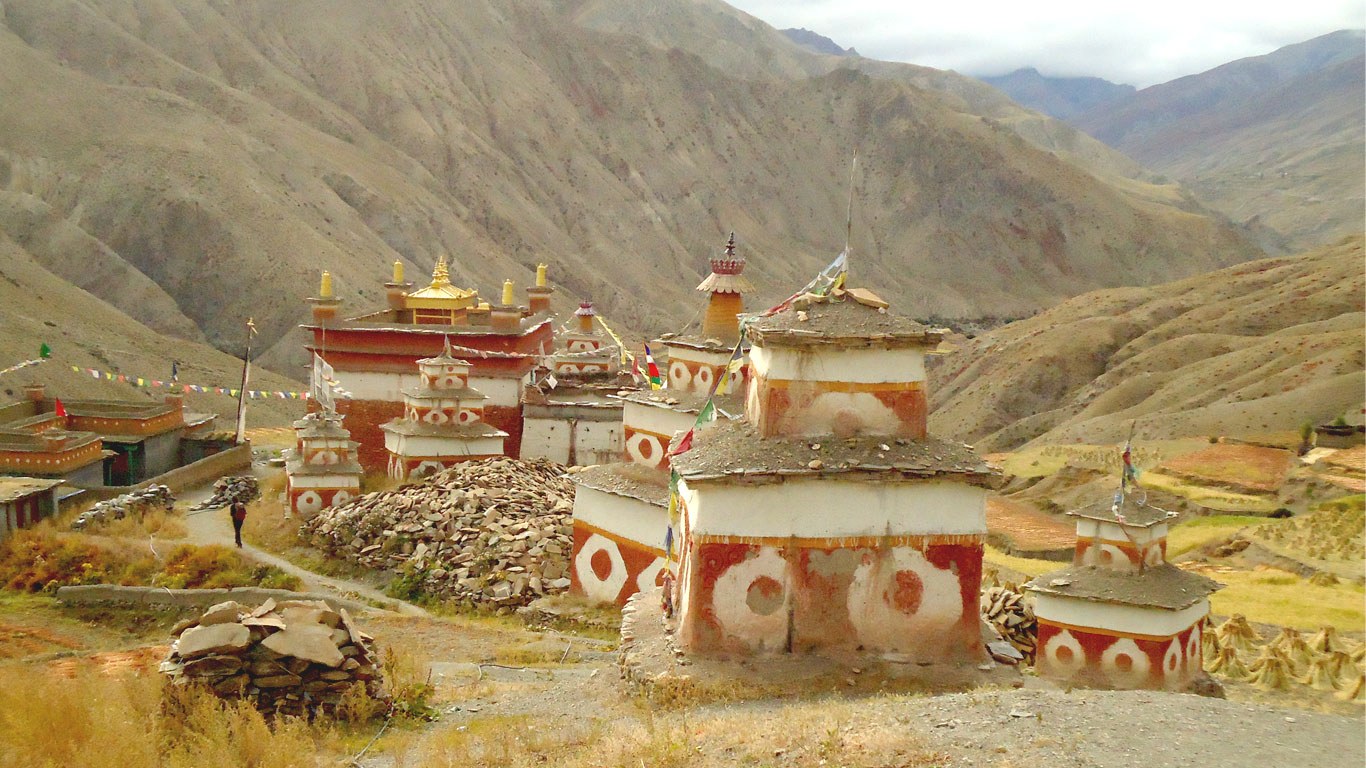
Dolpo is not just geography — it is spiritual heritage. Villagers here still follow Bon religion, one of the oldest Himalayan belief systems which predates Tibetan Buddhism itself. Prayer horns echo through stone alleys, monks meditate in candle-lit caves, women spin yak-wool at doorsteps, men trade salt and grain across 5,000m passes, and children run barefoot beneath red cliffs.
This is why Upper Dolpo Trek Nepal holds deep emotional value — you are not just trekking mountains, you are walking inside a breathing culture.
Peace Nepal Treks also offers: Upper Mustang Trek — the Last Forbidden Kingdom
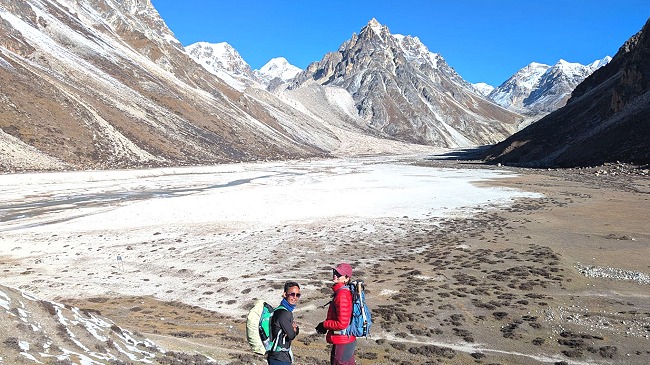
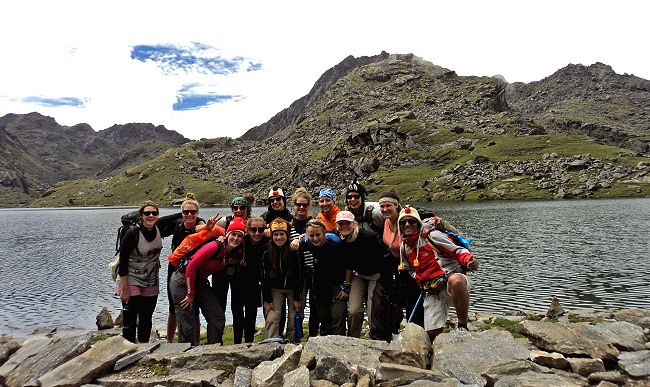
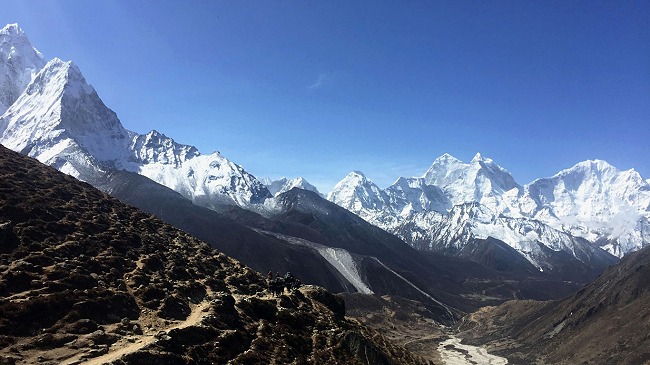
Dolpo is visually unlike any common trekking region. There are no dense forests or lush green terraces. Instead, you enter a high-altitude desert of rusty cliffs, ancient gorges, blue glacial streams, layered rock walls, and the iconic emerald-blue Shey Phoksundo Lake — one of Nepal’s greatest natural wonders.
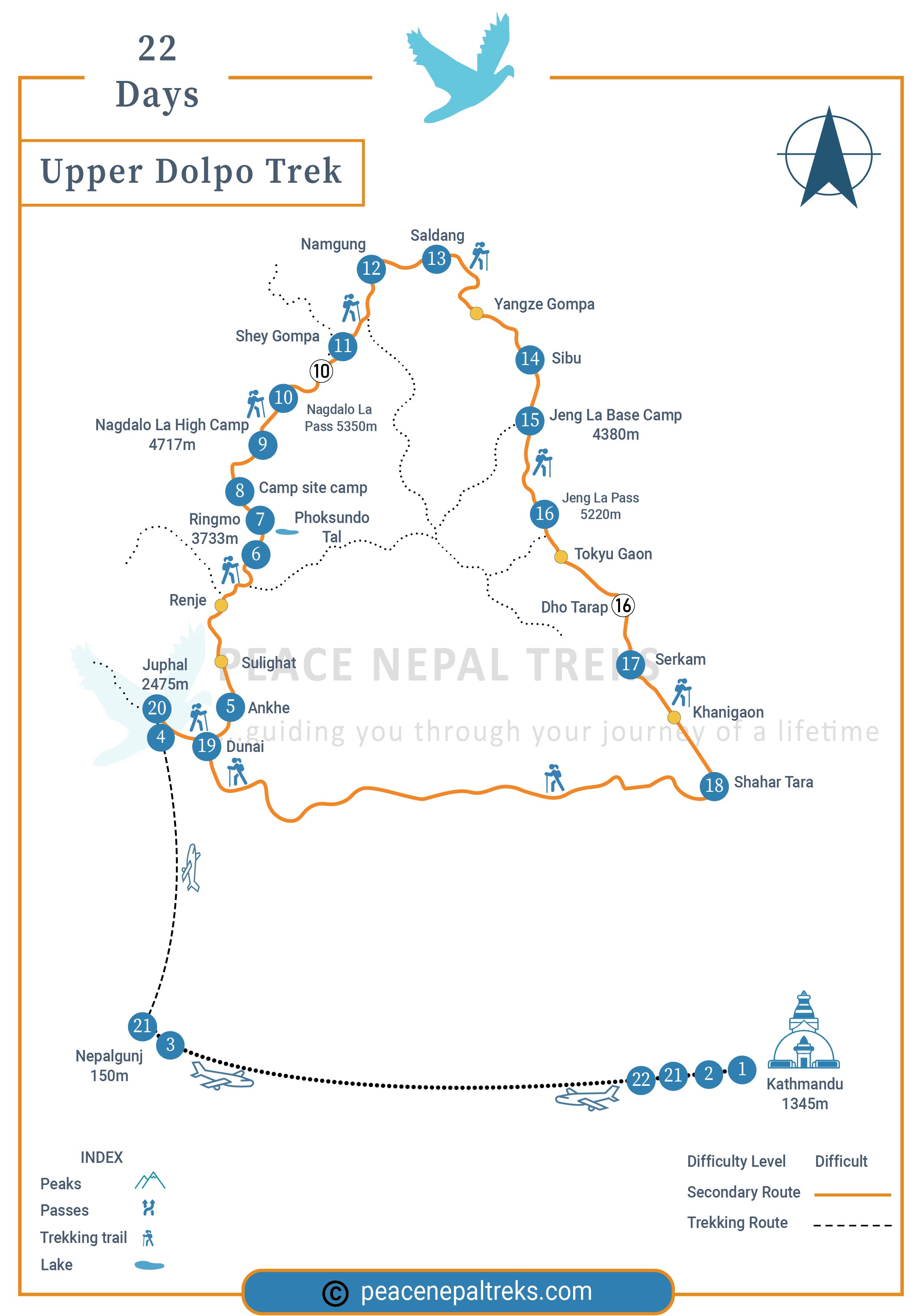
A Upper Dolpo Trek Map shows how vast the landscapes truly are — valleys that stretch endlessly, passes that pierce the sky, and distant villages dotting empty horizons.
Because access is difficult and permits are expensive, only a very small number of trekkers visit Upper Dolpo every year. This keeps the environment serene and pristine — making it one of Nepal’s most premium trekking destinations.
Compared to commercial trails, Upper Dolpo is a pilgrimage for those who prefer soul over comfort.
Because Upper Dolpo lies inside a restricted zone, special trekking permits are mandatory. Independent travel is strictly not allowed — trekkers must enter through a registered company such as Peace Nepal Treks.
Permit Type |
Cost & Validity |
|---|---|
| Upper Dolpo Restricted Area Permit (RAP) | USD 500 per person for first 10 days + USD 50 per additional day |
| Lower Dolpo Permit | USD 20 per week per person |
| Shey Phoksundo National Park Entry | NPR 3,000 (approx. USD $25) |
Because Dolpo lies in a trans-Himalayan rain-shadow zone, its weather pattern is unlike most trekking regions. The trail stays dry even during monsoon — making it one of Nepal’s rare all-season treks.
Fields bloom, skies are clear
Perfect climate for high passes
Cultural activity & village life active
Highly recommended
Rain-shadow = very little rainfall
Green alpine valleys & flowing rivers
Great time for long expedition circuits
One of the only treks possible in monsoon
Crystal-clear mountain views
Calm winds, warm trekking days
Best photography conditions
Peak season for Dolpo Trek Nepal
Passes freeze, trails risky
Suitable only for expedition-level trekkers
Best Time Overall: April–June & September–November
After your arrival in Kathmandu, our representatives at the airport will help you transfer to your hotel check-in.
As the trek takes around 24 days, more or less, a whole day might not be enough for preparation. To make sure that you have all the essential requirements including clothes, gadgets, food, etc, this day is all about trek preparation.
Flight from Kathmandu to Nepalgunj (165m) 1 hour, Overnight stay in Nepalgunj Hotel accommodation.
The second day of the trek starts with a flight to Nepalgunj for about an hour from Kathmandu. Nepalgunj lies at the west of Nepal and closer to the Indian border with a warmer temperature than Kathmandu.
The third day starts with a morning flight towards Juphal which takes around 45 minutes of an amazing flight to the foothill of Himalayan. During the flight, you can experience the breathtaking morning view of mount Annapurna and the Dhaulagiri mastiff.
Similarly, after reaching Juphal airport, the trekking begins towards Dunai.
The fifth day is pretty tough as the trek goes uphill for the first three hours in a dry and desert landscape. However, this is the day to reach the unbelievable natural lake, Phoksundo Lake.
This is the day to admire the beauty and acclimatize yourself nearby Phoksundo Lake and explore the villages of Ringo and Tibetan monasteries.
Ringmo village separates the boundary for lower and upper Dolpo. So, it is the day to finally begin the trek for Upper Dolpo entering the restricted area. This trail was an ancient salt trade route between Nepal and Tibet.
The trek ends with beautiful camping at an elevation of 6612 meters with a spectacular view of Kanjirowa Himal.
We trek through a unique trail crossing a high rock wall on both sides. The trail is uphill with the stony ground and thorny juniper bushes throughout the trek to reach the Base Camp.
Another difficult day to trek as the trail goes inclined for two and half hours to reach Nangdalo La pass at the elevation of 5350 meters. After reaching the highest pass of the trek, the downhill starts for four hours to reach Shey Gompa.
We explore the Shey Gompa village and monastery throughout the day recharging the body for the next day’s trek. Throughout the day, we explore Tsakang Gompa monastery a meditation center of great lamas from Tibet.
The trek today is quite hard as it leads along with the steep climbing and downhill to the picturesque village.
Saldang is one of the largest villages in the region.
The trek continues across the terraced fields, stupas, monasteries, Chhortens, mani wall, villages, etc. Similarly, the trek also passes along the green field of local barley.
Jeng-La Base Camp is the last pass of the Upper Dolpo Trek and the hardest trek of the journey. We need to cross the river twice and walk on barren hills, steep roads, and silent valleys.
We cross the last pass of the journey walking uphill for hours. Reaching Jyanta-La Pass, you can see the majestic view of mount Dhaulagiri and the barren lands of Inner Dolpo. Similarly, the day ends after reaching down towards Dho-Tarap.
We walk downhill along the river Tarap to reach Serkam village where the movement of people and animals increases.
Same as the day before, walking alongside the river and the dense forest. Several ups and downs appear throughout the day including stony and slippery roads.
The trek today is quite simple than the day before to reach Dunai. The trek includes climbing the hill and walking aside the river.
Back to the starting point of the trek walking along the motorable roads and through the cultivated rice fields.
The final day starts with a flight from Juphal to Nepalgunj and another flight from Nepalgunj to Kathmandu.
After getting back to Kathmandu you can also explore Kathmandu city visiting several heritage sites.
Note: Above holiday itinerary can be customized as our guest specific requirements and can make shorter and longer. We design your holidays accordingly.
Medical support in Upper Dolpo Trekking: Emergency first aid kit carried by the support staff
Camping equipment for trekking: We always provide every guest on a holiday trek with high qualities equipment: good qualities tent, a Gas stove for food preparation, a toilets tent and papers, a kitchen tent with necessary utensils, a Dining tent (for eating), table and chairs as a group, hand clean up towel and soap with tap water, Ice ax, and sable.
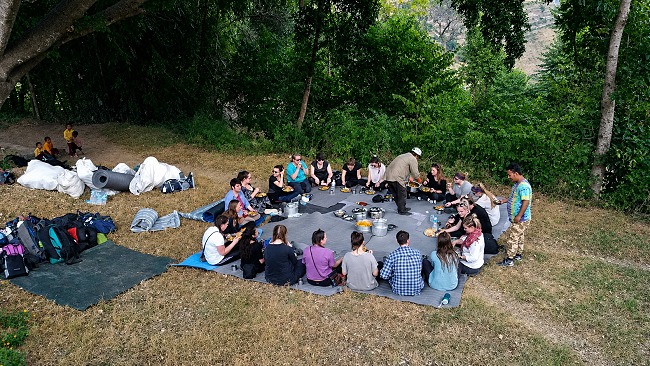
Accommodation and meals Upper Dolpo Trekking: During camping treks, an expert cook accompanies us and serves the best local dishes with different items on our plates. Both food and accommodation during camping treks are our responsibilities. We serve three meals on camping treks.
Breakfast Verities: Tea, coffee, hot chocolate, milk, boil water/different kinds of Tibetan bread, toast, omelet fried or scrambled, boil egg, porridge, muesli, cornflake, chapatti, jam, honey, pinner butter, rice pudding, pancake, butter, salami, sinoman role.
Lunch: Juice, tea (black/lemon/coffee), boil water/ sandwich, potato cheaps, different items of bread, vegetable, macaroni, chaumin, fried/boil potatoes, plan chapatti, black beans.
Dinner: Different items Soup, popcorn, prawn, cookies, papad/ local Nepali verities food (Daal/rice/vegetables/meat/pickle), pizza (vegetable/mushroom/chicken), burger, pasta, chicken meat, can meat, veg/non-veg momo, spagity, noodles, tuna fish, sasit, spring role.
Desert: tea, coffee, milk, chocolate, boil water, cake, pie, seasonal fruits, tin fruit, mango, apple, and banana.
Water: we serve with boil water drinks along the trek either you can make tea or coffee for a day trip. It should be better to bring a good quality water bottle for the trek.
The Upper Dolpo Trek is famous for its untouched landscapes, ancient Bon-Buddhist culture, and remote Himalayan settlements that remain unchanged for centuries. The region lies in the Trans-Himalayan zone, close to the Tibetan plateau, offering a rare chance to explore isolated villages, sacred monasteries like Shey Gompa, and high passes above 5,000 meters. Peace Nepal Treks guides trekkers through rugged trails, crystal-clear lakes like Phoksundo Lake, and valleys that showcase authentic Dolpo traditions, making it a once-in-a-lifetime adventure.
A typical Upper Dolpo trek itinerary ranges between 22–27 days, depending on trekker pace and acclimatization needs. Peace Nepal Treks designs customizable itineraries that include Juphal, Dunai, Chhepka, Ringmo, Shey Gompa, Saldang, Dho Tarap, and Jomsom. The itinerary features multiple rest days for acclimatization, exploration of monasteries, and visits to traditional Dolpo homes. This personalized itinerary ensures comfort, safety, and great cultural exposure.
The Upper Dolpo trek distance usually covers 250–300 kilometers (depending on route variations). On average, trekkers walk 5–7 hours per day, with longer days during high-pass crossings. Peace Nepal Treks ensures the pacing allows proper acclimatization and safe movement through high altitudes and rugged terrain.
The Upper Dolpo Trek map displays a long, remote trail crossing deep valleys, high alpine passes, and isolated villages. Navigation is challenging because the region has very few signposts or marked paths. For this reason, Peace Nepal Treks provides experienced Dolpo guides who know the terrain, seasonal weather shifts, river crossings, and safe acclimatization points, ensuring a smooth and safe trekking experience.
The Upper Dolpo trek price generally ranges from USD 3,500 to USD 5,200 per person, depending on group size, duration, permit fees, domestic flights, and services. Since Upper Dolpo is a restricted region requiring camping logistics, yaks/porters, and multiple staff, the cost is higher than regular treks. Peace Nepal Treks ensures high-quality gear, professional guiding, and smooth logistics at competitive pricing.
The Upper Dolpo Trek permit is mandatory and includes:
Upper Dolpo Restricted Area Permit: USD 500 per person (first 10 days), then USD 50 per day
Shey Phoksundo National Park Entry Permit: NPR 3,000
Peace Nepal Treks manages all permit processing, passport copies, and paperwork on behalf of trekkers.
Upper Dolpo is considered strenuous and demanding, suitable for trekkers with good physical fitness and previous high-altitude experience. The trek crosses multiple 5000m+ passes such as Kang La and Sela La, involves long walking days, and requires camping for several nights. Peace Nepal Treks ensures acclimatization days and professional staff support throughout the journey.
The best season for the Upper Dolpo Trek is May–September, during Nepal’s summer/monsoon months. Unlike the rest of Nepal, Upper Dolpo lies in the rain shadow, meaning it stays dry, clear, and perfect for trekking when other regions receive monsoon rains. Clear skies, warm weather, and open high passes make this the ideal trekking period.
Most of the Upper Dolpo region requires camping accommodation, as there are very few lodges or tea houses. Peace Nepal Treks provides high-quality tents, kitchen tents, dining tents, sleeping bags, mattresses, cooks, and porters. In lower areas like Dunai, Chhepka, and Ringmo, basic lodges may be available.
Since the region is remote, Peace Nepal Treks provides a full camping kitchen team that prepares hygienic, nutritious meals, including rice, pasta, lentils, vegetables, bread, soups, and tea/coffee. Fresh ingredients are carried along the route to maintain quality and health standards.
For trekkers choosing a shorter version, the Dolpo trek distance is around 150–180 km, typically covering Lower Dolpo and Phoksundo Lake. Peace Nepal Treks offers multiple Dolpo packages, including Lower Dolpo, Upper Dolpo, and Dolpo to Mustang routes.
A shorter Dolpo trek itinerary usually includes Juphal–Dunai–Chhepka–Ringmo–Shey Phoksundo–Dho Tarap–Juphal. Peace Nepal Treks can adjust the itinerary based on client fitness, interest, and available holiday time.
The Dolpo trek cost ranges from USD 2,000–3,200, depending on duration and logistics. Upper Dolpo, being longer and more restricted, has a higher price, but Peace Nepal Treks provides cost-effective packages with full logistics and guide support.
Yes—due to the demanding altitude, long walking days, and high passes, previous trekking experience is recommended. Peace Nepal Treks also conducts a fitness assessment and offers preparatory advice.
Trekkers should have good cardiovascular fitness, strong legs, stamina, and mental endurance. Training 6–8 weeks before departure is advised.
Upper Dolpo is safe when trekked with licensed guides and experienced staff. Peace Nepal Treks ensures trained guides, first-aid equipment, satellite communication, and emergency evacuation support.
Altitude ranges from 2,500m to over 5,400m. Major passes include:
Kang La Pass (5,350m)
Sela La Pass (5,094m)
Jeng La Pass (5,110m)
Yes, Phoksundo Lake is a major highlight. Trekkers spend a night in Ringmo and enjoy views of the turquoise lake surrounded by barren, dramatic cliffs.
Dolpo is home to ancient Bon and Tibetan Buddhist cultures. Monasteries like Shey Gompa, centuries-old traditions, Yak caravans, local attire, and festivals provide deep cultural immersion.
Yes, altitude sickness is a real risk. Peace Nepal Treks follows proper acclimatization procedures, slow pacing, and carries emergency oxygen and medication.
Yes, mandatory. Insurance must cover high-altitude rescue up to 6,000 meters. Peace Nepal Treks assists clients in selecting suitable insurance providers.
Peace Nepal Treks handles all camping chores, from setup to meals, so trekkers experience comfortable, hassle-free camping even in remote terrain.
The flight from Nepalgunj to Juphal Airport takes about 35 minutes and is the gateway to all Dolpo region treks.
Network coverage is extremely limited. Only a few villages have weak signals. Peace Nepal Treks provides satellite communication for emergencies.
Wildlife includes blue sheep, snow leopards, Himalayan wolves, yaks, musk deer, and large birds like lammergeiers and golden eagles.
Yes, all Dolpo packages are fully customizable—duration, route, camping style, itinerary pacing, and add-on destinations like Mustang or Rara Lake.
Yes, the Upper Dolpo to Upper Mustang trek is an option, creating a long, adventurous route crossing remote passes.
Temperatures range from 0°C to –15°C at night and mild days during summer. Proper layering is essential.
Highlights include:
Phoksundo Lake
Shey Gompa (Crystal Mountain)
Dho Tarap Valley
High passes above 5,000m
Bon and Buddhist culture
Yak caravans
Isolated Dolpo villages
Camping in pristine landscapes
Peace Nepal Treks offers expert Dolpo guides, strong logistical support, quality camping equipment, personalized itineraries, reliable staff, and competitive Dolpo trek price packages. With years of trekking experience, they ensure safety, comfort, and unforgettable cultural immersion.
The Upper Dolpo Trek is a rare Himalayan adventure that demands the right timing, careful planning, and a deep understanding of the region’s unique climate. Because Upper Dolpo lies in the Trans-Himalayan rain-shadow, the weather patterns differ greatly from popular trekking regions like Everest and Annapurna. Selecting the ideal season ensures safer high-pass crossings, clearer mountain views, and a culturally rich experience through some of Nepal’s most remote valleys.
Below is a professional, longer, and detailed explanation of the best season and time for the Upper Dolpo Trek, written to perform strongly on Google search ranking and AI search results.
The best time to trek Upper Dolpo is between May and September, a period when the region experiences its most stable weather, open high passes, and comfortable temperatures. Unlike most trekking regions in Nepal, Upper Dolpo receives very little rainfall during the monsoon because it lies behind the massive Dhaulagiri and Annapurna ranges, which block monsoon clouds. This makes Dolpo one of the few destinations where trekking in monsoon months is not only possible but ideal.
During these months, trekkers enjoy:
This season offers the best combination of scenery, adventure, and cultural immersion, making it perfect for both new and returning explorers.
Late spring marks the beginning of the trekking window in Upper Dolpo. The snow from winter begins to melt, making the trails more accessible. Temperatures rise, and the landscapes turn vibrant with blossoming flowers and greener valleys.
This period is especially favored by trekkers who want clear skies and minimal trail traffic.
While most of Nepal experiences heavy monsoon rainfall during June to August, Upper Dolpo remains dry, warm, and surprisingly pleasant for trekking. The rain-shadow effect creates an arid environment similar to Tibet, keeping trails open and skies clear.
This season also aligns with local festivals, giving trekkers a rare chance to experience deep-rooted Bon and Buddhist cultural traditions.
September marks the end of the Upper Dolpo trekking season, offering a final window before winter sets in. The skies are exceptionally clear after the monsoon, making this one of the most beautiful times for photography and cultural exploration.
September is among the most popular months for trekkers seeking dramatic landscapes and stable temperatures.
Trekking to Upper Dolpo after October becomes extremely challenging and often dangerous due to:
For safety reasons, Peace Nepal Treks does not operate Upper Dolpo itineraries in winter, except for special expeditions requiring advanced mountaineering logistics.
| Season | Months | Condition | Suitability |
|---|---|---|---|
| Best Season | May – September | Dry, warm, clear skies | Highly recommended |
| Late Spring | May – June | Melting snow, great views | Excellent |
| Summer/Monsoon | June – August | Dry in rain-shadow region | Best for culture & wildlife |
| Early Autumn | September | Clear skies, stable weather | Excellent |
| Winter | Oct – April | Snow, cold, closed passes | Not advised |
The right season transforms Upper Dolpo from a difficult expedition into a rewarding, spiritual, and unforgettable Himalayan journey.
The Upper Dolpo Trek is a high-altitude, remote, and fully camping-based expedition that requires proper preparation and high-quality personal equipment. Since the region goes above 5,000 meters, crosses long ridgelines, and has extremely limited shops or lodges, trekkers must carry reliable and warm gear. Below is the complete list of personal trekking equipment for the Upper Dolpo Trek, categorized for easy understanding and professional presentation.
Layering is critical for regulating body temperature during long days of hiking and cold nights in camp.
The terrain in Upper Dolpo varies from rocky trails to sandy deserts to snowy passes.
Useful for river crossings, mud, snow, and dust
Peace Nepal Treks provides tents, but personal sleeping comfort is important.
(Large duffel bag is usually provided by Peace Nepal Treks for porters.)
(Peace Nepal Treks carries a group medical kit, but personal items are recommended.)
These items are especially helpful during long days crossing high passes.
Peace Nepal Treks helps obtain all Upper Dolpo Trek permits, but keeping documents accessible is essential.
The most important items trekkers MUST have include:
Upper Dolpo is one of Nepal’s last untouched wilderness regions. With high passes, camping nights, and isolated trails, proper equipment ensures:
Peace Nepal Treks always recommends trekkers to prepare well to fully enjoy the beauty, culture, and remoteness of the Upper Dolpo Trek.
The Upper Dolpo Trek is a highly remote, high-altitude expedition that crosses several passes above 5,000 meters, requires camping for many days, and involves rugged terrain where immediate evacuation or medical facilities are not available. Because of this, proper insurance coverage is essential for both international trekkers (guests) and Nepali trekking staff (guides, porters, cooks, helpers) to ensure safety, financial protection, and legal compliance.
Below is the complete insurance guideline.
All international trekkers joining the Upper Dolpo Trek must have comprehensive travel insurance that covers high-altitude trekking and emergency evacuation. This is a mandatory requirement for restricted-region treks in Nepal.
Since Upper Dolpo involves crossing high passes like:
Trekkers must purchase insurance that covers illness, injury, and altitude sickness up to 6,000 meters.
There are no roads, hospitals, or vehicle access in Upper Dolpo. In case of emergency, evacuation is only possible by helicopter.
Your insurance must include:
This is extremely important for safety.
Unpredictable weather, illness, or flight cancellations (especially Nepalgunj–Juphal) can affect travel plans. Good insurance should cover:
Insurance should cover hospital bills, doctor visits, diagnostic tests, and medications while in Nepal.
In rare cases of serious medical issues, repatriation (return to home country with medical support) must be covered.
Trekkers should choose well-known and reliable companies such as:
(Guests should check individual country availability.)
Peace Nepal Treks can guide guests on selecting the right policy, but insurance must be purchased before arrival in Nepal.
Peace Nepal Treks is committed to the safety and well-being of all Nepali staff. For restricted-area and high-altitude expeditions like Upper Dolpo, proper staff insurance is mandatory and provided by the company.
Covers accidental injuries, frostbite, altitude-related complications, and other risks staff may face during trekking.
Covers hospital treatment, emergency medication, and doctor consultations if staff become unwell during the expedition.
Since staff also trek above 5,000 meters, their insurance specifically includes:
Just like guests, Nepali guides and porters are also covered for helicopter evacuation from remote locations if required.
Peace Nepal Treks provides life insurance for all trekking staff as per Nepal Government & Trekking Agencies’ Association of Nepal (TAAN) regulations.
Upper Dolpo is extremely remote, with no vehicle roads, no hospitals, and very limited communication signals. Staff carry loads, set up camps, cook meals, and navigate difficult terrain daily, making insurance essential for:
Peace Nepal Treks always ensures that all Nepali support staff are fully insured before the trek begins.
| Category | Coverage Required | Notes |
|---|---|---|
| International Guests | High-altitude medical (up to 6,000m), helicopter rescue, trip cancellation, medical treatment, repatriation | Must be purchased before arrival |
| Nepali Guides & Porters | Accident, medical, life insurance, helicopter rescue | Provided by Peace Nepal Treks |
| Upper Dolpo Special Need | High-altitude evacuation + remote rescue | Mandatory for all |
Having proper insurance ensures that both guests and staff are protected throughout the journey.
Enjoy the popular trekking and tour packages in Nepal Himalayas. 2026.
© 2011 - 2026 All rights reserved. Peace Nepal Treks.