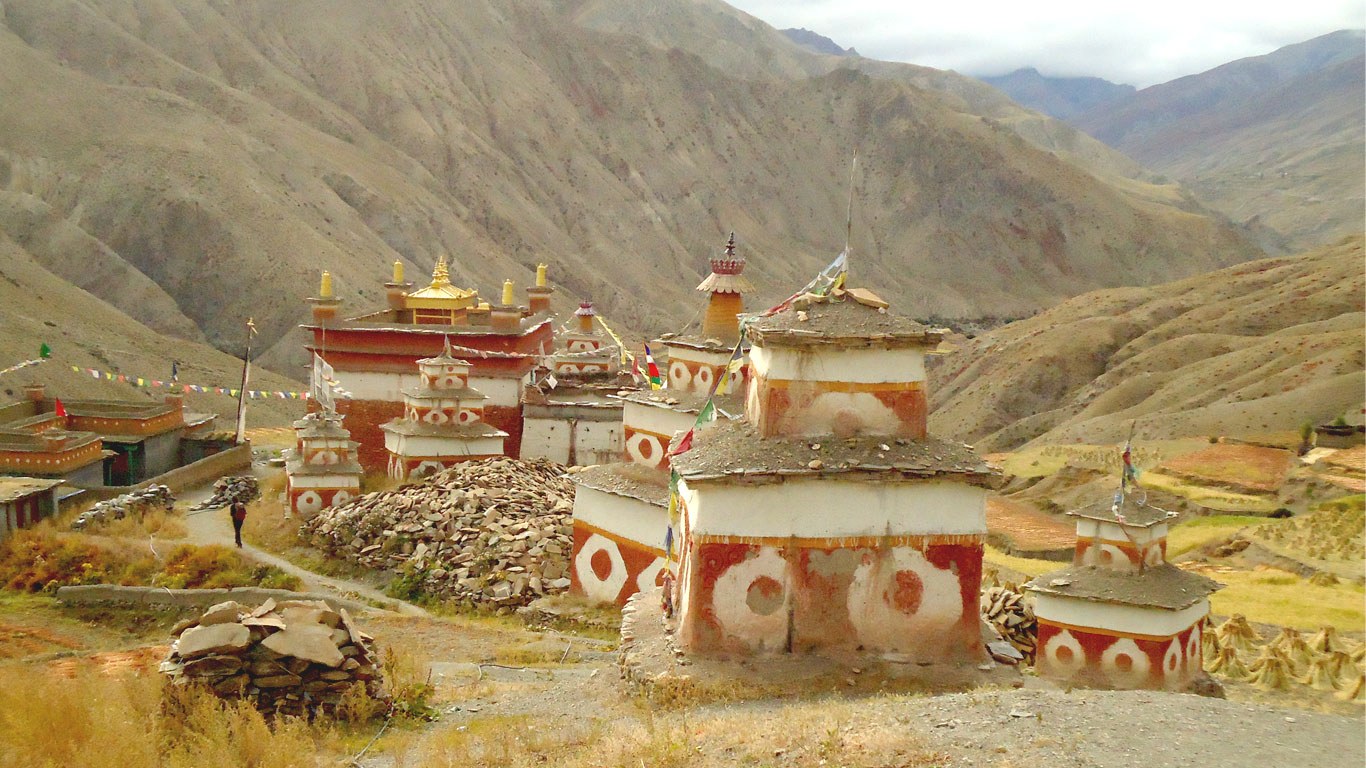
If you've started researching the Upper Dolpo Trek, you've probably noticed something odd: most articles just say "spring and autumn are best" and leave it there. That's true for most of Nepal, but Dolpo doesn't quite follow the usual rules. It sits in a rain shadow behind the Dhaulagiri range, which changes the calculation entirely — and it's one of the reasons this region has its own trekking rhythm.
Hand-picked itineraries
Recommended Trips
Related journeys you may want to explore after reading this article.
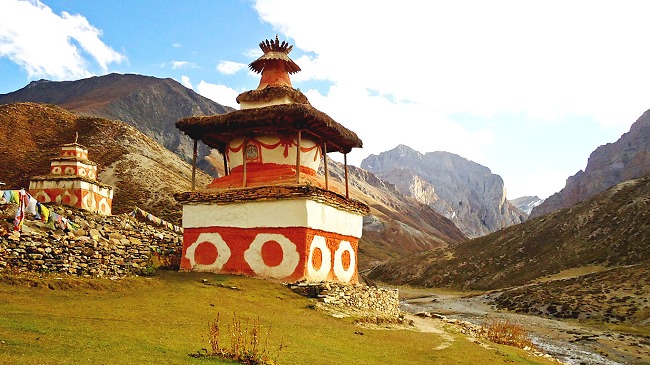
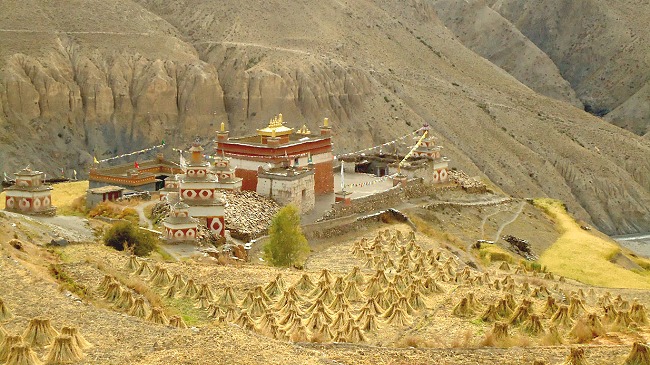

Choosing the right Upper Dolpo Trek season matters more here than on most Nepal routes, because this is a remote, camping-based trek through restricted terrain, several days from the nearest road. Getting the timing wrong doesn't just mean a few cloudy photos — it can mean snowbound passes, closed flights to Juphal, or a trek that's technically doable but far harder than it needs to be. This guide walks through what each season actually looks like on the ground, so you can match your trip dates to what you actually want from the trek.
What Makes Dolpo's Weather Different
Most of Nepal's high Himalaya sits directly in the path of the summer monsoon. Dolpo doesn't. It lies north of the Dhaulagiri massif, in the rain shadow, so the clouds that soak the Annapurna and Everest regions from June to August largely spend themselves before reaching this far west. That's why you'll sometimes hear Dolpo described as Nepal's "hidden desert" — brown hills, sparse vegetation, and a climate that behaves more like Tibet than the lush mid-hills further east.
This geography is the whole reason Dolpo has a trekking season that differs from the standard Everest or Annapurna advice, and it's worth understanding before you pick your dates.
Autumn (Mid-September to November): The Most Reliable Window
Autumn is generally considered the best time for the Upper Dolpo Trek, and for good reason. The monsoon has cleared out, the air is dry, and visibility across the high passes — Kang La, Saldang La, Jeng La — tends to be at its sharpest. You get long views over the Kanjiroba range and across the barren plateau country toward Tibet.
Days are cool but manageable at lower elevations, and nights above 4,000 metres start getting properly cold, especially from late October onward. Trail conditions are usually firm and dry, which matters on the passes where a fresh dusting of snow can slow a group down considerably.
The trade-off is that this is also the busiest window, relatively speaking. "Busy" in Dolpo still means a handful of groups on the trail rather than crowds, but if you want maximum solitude, this isn't quite it.
Spring (Mid-March to Mid-May): A Quieter, Milder Alternative
Spring is the second recommended season, and it has a different character. Temperatures are a touch milder than peak autumn, lower valleys start showing signs of green, and rhododendron and other flowering shrubs appear at the lower elevations you pass through en route (though Dolpo's high plateau itself stays fairly stark year-round).
Visibility in spring can be excellent, but it's more variable than autumn — some afternoons bring haze or localized cloud buildup, particularly later in the season as temperatures rise. Early spring (mid-March) can still carry leftover winter snow on the higher passes, so it's worth checking conditions with your agency before committing to very early dates.
Spring also tends to see fewer trekking groups in Dolpo compared to autumn, which appeals to travellers who want the region's isolation without adding extra difficulty.
Monsoon / Summer (June to August): The Underrated Option
This is where Dolpo genuinely breaks from the rest of Nepal. While the Annapurna and Everest regions are socked in with cloud and rain from June through August, Dolpo's rain shadow means it often stays relatively dry and clear during these months. Some experienced trekkers and photographers deliberately choose summer for this reason — it's one of the few times you can do serious high-altitude trekking in Nepal while most of the country is under monsoon cloud.
It's not a free pass, though. "Rain shadow" doesn't mean zero rain, and the approach — flying into Juphal or driving in via Nepalgunj and Surkhet — still passes through monsoon-affected lower regions, where flight delays and landslide-damaged roads are a real possibility. Once you're actually inside the Dolpo restricted area, conditions tend to improve noticeably. If you go in summer, build in some buffer days at the start of your itinerary for possible flight disruption, and confirm current road and flight conditions with your agency closer to departure.
Winter (December to February): Generally Not Recommended
Winter closes most of Dolpo's high passes. Heavy snow, extreme cold at altitude, and unreliable flights into Juphal make this season impractical for the standard Upper Dolpo circuit. Some lower sections of the Dolpo region stay accessible, but the classic route over Kang La and the high passes toward Shey Gompa is not something we'd recommend attempting in winter. If your travel dates only allow for winter, it's worth discussing alternative lower-altitude itineraries with your trekking agency rather than forcing the full route.
Quick Comparison
| Season | Trail Conditions | Views | Crowds | Notes |
|---|---|---|---|---|
| Autumn (mid-Sep–Nov) | Dry, stable | Excellent, clearest of the year | Busiest (relatively) | Most reliable overall choice |
| Spring (mid-Mar–mid-May) | Good, early season snow possible on passes | Good, more variable than autumn | Quieter | Milder temperatures, greenery lower down |
| Summer/Monsoon (Jun–Aug) | Dry inside Dolpo due to rain shadow; wetter on the approach | Often clear once inside restricted area | Very quiet | Flight/road delays possible en route |
| Winter (Dec–Feb) | Snowbound passes | N/A – route often impassable | N/A | Not recommended for the full circuit |
Altitude and Acclimatisation, Whatever Season You Choose
Season affects weather, but altitude affects your body regardless of the month. The Upper Dolpo Trek crosses several passes above 5,000 metres, and multiple nights are spent above 4,000 metres. That's a serious altitude profile by any standard, and it deserves the same respect in July as it does in October.
Build acclimatisation days into your itinerary, especially around Shey Gompa and before the Kang La and Saldang La crossings. Watch for headaches, nausea, or unusual fatigue, and don't push through symptoms that don't improve with rest. Because this is a camping trek in a genuinely remote area, evacuation options are limited compared to teahouse routes like Everest or Annapurna — which makes proper acclimatisation, and travelling with an experienced guide, non-negotiable rather than optional.
Permits and Timing: Something Worth Planning Around
Upper Dolpo is a restricted area, and that shapes your season planning in a practical way. You'll need an Upper Dolpo Restricted Area Permit, a Shey Phoksundo National Park entry permit, and — depending on your exact route — a Lower Dolpo permit as well. The restricted area permit is priced for a set number of days, with additional daily charges beyond that, so your chosen itinerary length has a direct cost impact. Permits must be processed in Kathmandu through a registered trekking agency well before departure; solo or independent trekking isn't permitted here, and a minimum group size and a licensed guide are required by regulation.
Because processing takes time, the season you choose should factor in lead time for permits, not just weather. If you're aiming for a specific autumn departure, for example, it's worth starting the permit and itinerary conversation with your agency several weeks ahead rather than a few days out. For a full breakdown of current permit types and costs, it's best to check directly with your trekking agency, as fees and regulations for restricted areas are reviewed periodically by the Nepal government.
Packing Considerations by Season
Regardless of when you go, you're camping most nights and spending significant time above 4,000 metres, so a solid four-season sleeping bag and proper down layers are essential year-round. A few season-specific notes:
- Autumn: Expect cold nights, especially by late October and November. Pack for sub-zero temperatures at camp.
- Spring: Layering matters more here — mornings can be cold while afternoons at lower elevation warm up quickly.
- Summer: Pack for both dry, sunny conditions inside Dolpo and the possibility of wet weather on the approach route through lower, monsoon-affected areas. A good rain shell earns its weight.
- All seasons: UV exposure at altitude is intense even on cool days — sun protection is not optional.
Who This Trek Suits
The Upper Dolpo Trek is built for experienced trekkers rather than first-timers. It's a long, camping-supported expedition through genuinely remote terrain, with multiple high passes and limited support infrastructure compared to teahouse treks. If you've completed at least one high-altitude trek before and are comfortable with tented camping, basic food logistics, and several consecutive days without phone signal or easy exit points, this region rewards that experience with a kind of isolation and cultural depth that's hard to find elsewhere in Nepal.
If you're newer to trekking, it's worth building experience on a teahouse-based high-altitude route first, then returning to Dolpo once you know how your body handles sustained altitude.
Common Mistakes When Choosing a Season
Booking winter dates without checking route feasibility. The Upper Dolpo circuit generally isn't viable in deep winter — confirm with your agency before locking in dates.
Ignoring the approach route in summer. Even though Dolpo itself often stays relatively dry in monsoon, the flights and roads getting there don't. Build in buffer days.
Underestimating cold at altitude in "warm" months. Even in what counts as Dolpo's mild season, nights above 4,000 metres are genuinely cold. Don't pack light based on the calendar alone.
Leaving permit processing too late. Restricted area permits take time to arrange and can't be rushed at the last minute, particularly in the busier autumn window.
Planning Your Trip
If autumn or spring works with your schedule, those remain the most straightforward choices for weather and trail conditions. If you're drawn to the idea of trekking somewhere genuinely quiet, summer inside Dolpo's rain shadow is worth serious consideration too, as long as you plan around the approach logistics.
Whichever Upper Dolpo Trek season fits your calendar, the details — permits, acclimatisation days, camping logistics — matter as much as the month you pick. Our Upper Dolpo Trek itinerary is built around these seasonal patterns, and our team can help you settle on dates, sort permits, and put together a realistic acclimatisation schedule before you commit to a departure.
Frequently Asked Questions
What is the best time for the Upper Dolpo Trek? Autumn (mid-September to November) is generally considered the most reliable, with clear skies and stable trail conditions. Spring (mid-March to mid-May) is a strong second choice with milder temperatures.
Can you trek Upper Dolpo in monsoon season? Yes. Because Dolpo sits in a rain shadow behind the Dhaulagiri range, it often stays drier than the rest of Nepal during June to August. The approach route to the region can still be affected by monsoon weather, though.
Is Upper Dolpo trekkable in winter? Generally no, not on the full standard route. Heavy snow closes the high passes and flights into Juphal become unreliable. Check with your agency about alternative lower-altitude options if winter is your only window.
How cold does it get on the Upper Dolpo Trek? Nights above 4,000 metres are cold in every trekking season, and temperatures drop further from late autumn into winter. A four-season sleeping bag and proper down layers are recommended regardless of when you go.
Do I need a special permit for Upper Dolpo, and does the season affect it? Yes, Upper Dolpo requires a Restricted Area Permit plus a Shey Phoksundo National Park entry permit, arranged through a registered agency in Kathmandu. The season itself doesn't change the permit requirement, but processing takes time, so plan ahead regardless of when you're travelling.
How many days above high altitude should I expect on this trek? The route crosses several passes above 5,000 metres and includes multiple nights above 4,000 metres, so proper acclimatisation planning matters in any season.
Is Upper Dolpo suitable for first-time trekkers? Not really. It's a demanding, camping-based expedition through remote terrain, better suited to trekkers with prior high-altitude experience.
Can I trek Upper Dolpo solo? No. Independent trekking isn't permitted in this restricted area — you need a minimum group size and a licensed guide arranged through a registered trekking agency.