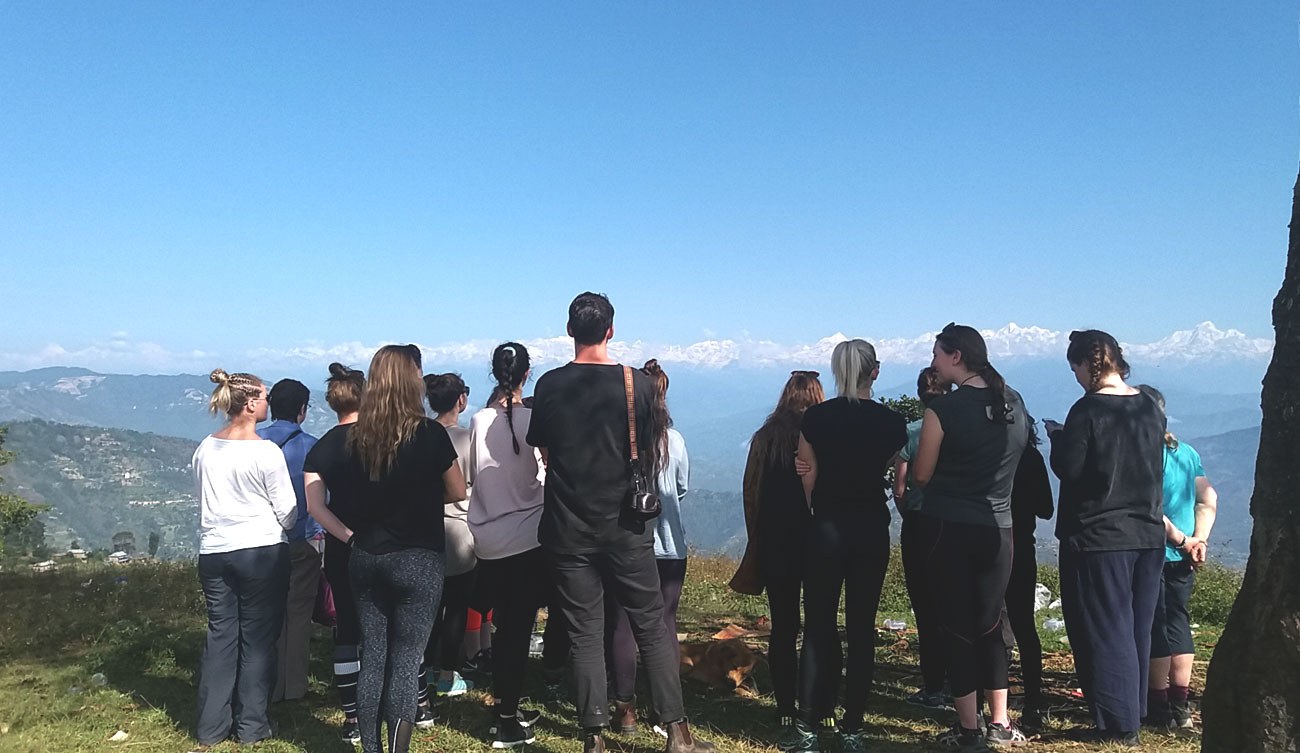
Trekking in Nepal with kids is not the wild idea it might sound like at first. Thousands of families walk these trails every year, and with the right route, the right pace, and the right guide, a Himalayan trek can turn into one of the most memorable trips your family ever takes together. No screens, no rush, just mountains, villages, and time spent as a family with nothing else pulling for attention.
Hand-picked itineraries
Recommended Trips
Related journeys you may want to explore after reading this article.
That said, trekking with children is a different kind of trip than trekking with adults. The routes need to be shorter, the pace slower, and the planning more deliberate. Here is everything a parent actually needs to know before booking.
Is Trekking in Nepal Safe for Kids?
Yes, when the trip is planned properly. Nepal's trekking industry has grown up around families in recent years. Teahouses along the popular routes now offer private rooms, kid friendly meals, and warmer common areas than they did a decade ago, and guides on the well established trails are experienced with children and know how to keep the day light and fun rather than a forced march.
The main things to manage are altitude, pace, and comfort, not danger in the way parents often imagine. Petty theft and scams can occur in cities like Kathmandu, but they are uncommon on the trail itself. The real planning work is choosing a route that stays low enough and short enough for small legs and developing lungs.
There is no official minimum age for trekking in Nepal, and families have brought children as young as toddlers on gentle routes. Most guides and experienced trekking families agree that five years and up is the sweet spot, since kids at that age can usually walk several hours a day, understand basic instructions, and are old enough to tell you clearly if something feels wrong.
Choosing the Right Trek for Your Family
The single biggest mistake parents make is picking a trek built for adult trekkers and hoping kids can keep up. Everest Base Camp and the full Annapurna Circuit are extraordinary trips, but they involve two to three weeks of walking, high altitude, and long daily distances that are simply too much to ask of most children under twelve.
The good news is that Nepal has plenty of shorter, lower altitude routes that deliver the same rhododendron forests, mountain villages, and sunrise views without the physical toll.
Poon Hill is the classic choice, and for good reason. The Poon Hill Trek tops out at 3,210 meters, which keeps altitude sickness risk low, and walking days run four to six hours through Gurung and Magar villages, dense forest, and stone step trails. The reward is one of the best sunrise views in the Himalayas, with Annapurna and Dhaulagiri lighting up gold in front of you. It is short enough for a family with limited time and gentle enough for children who have never trekked before.
For families who want to slow things down even more, the Ghorepani Jomsom Trek follows a similar low altitude path with a bit more time to explore villages along the way, making it easy to build in rest days if the kids need them.
If your family wants mountains without any trekking at all, consider pairing a short trek with a stay in Chitwan National Park. Our jungle safari packages let kids spot rhinos, crocodiles, and exotic birds from a jeep or canoe, which is often the highlight of the whole trip for younger children who find long walking days harder than the adults do.
What to Expect Each Day
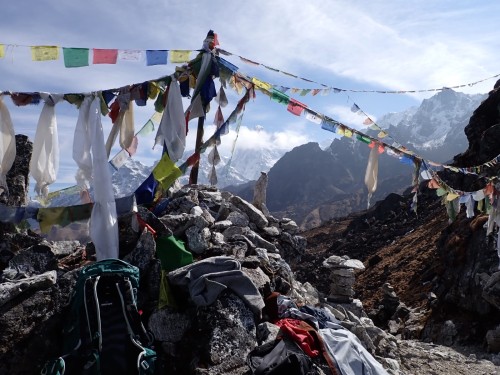
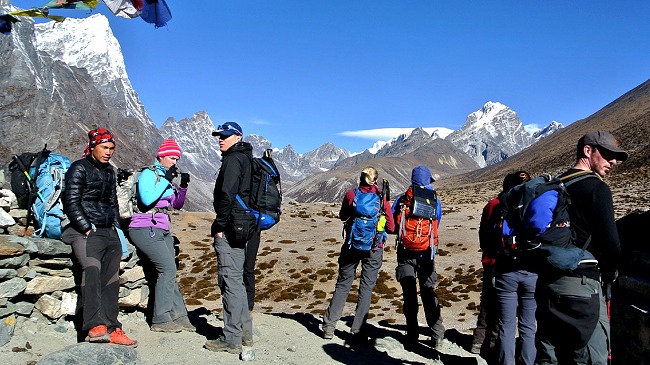
A family trekking day in Nepal looks nothing like an adult paced expedition. Expect to walk four to six hours at most, broken into smaller chunks with plenty of stops for snacks, photos, and simply catching your breath. Good guides build in games along the trail, whether that means counting suspension bridges, spotting prayer flags, or naming the mountains as they come into view.
Evenings are spent in teahouses, which have improved considerably over the years. Many now offer private family rooms, warm dining halls, and menus with familiar comfort food alongside local dishes like dal bhat. Board games, hot chocolate, and early bedtimes tend to become the evening routine, and most kids sleep remarkably well after a day outdoors.
One practical note: baby changing facilities do not exist on the trail, so families trekking with toddlers still in diapers should plan and pack accordingly.
Altitude and Health Considerations
Altitude sickness does not discriminate by age, and it can affect children just as unpredictably as adults, sometimes even more so since younger kids may struggle to describe what they are feeling. This is exactly why sticking to routes below 3,500 meters matters so much for family treks, and why a slow, well acclimatized pace beats a rushed itinerary every time.
Watch for the same warning signs you would in an adult: headache, unusual fatigue, loss of appetite, or irritability that goes beyond normal tiredness. With younger children, sudden clinginess, poor sleep, or a change in behavior can sometimes be the clearest signal something is wrong. If any of these appear, the response is the same regardless of who is affected: stop ascending, and descend if symptoms do not improve.
A few practical health habits make a real difference on family treks. Keep kids hydrated throughout the day, even when they are not asking for water. Pack familiar snacks to supplement local meals, since picky eaters and unfamiliar food do not mix well after a long walking day. And always travel with a guide trained in basic first aid and altitude awareness, since catching early symptoms is far easier for someone who knows exactly what to look for.
Practical Tips for Trekking With Kids in Nepal
Hire a licensed guide, always. Beyond being a legal requirement on Nepal's national park and conservation area routes, an experienced guide knows how to pace a day for children, keep morale high, and manage any health concerns before they become serious. Many guides are genuinely wonderful with kids, turning porters into playmates and long afternoons into adventures.
Consider a porter for younger children. On some routes, children under about six can be carried part of the way in a doko, a traditional woven basket carried by a porter, which lets tired little legs rest without stopping the day's progress entirely.
Pack light daypacks for kids who want to carry something. A small backpack with their own water bottle and a favorite snack gives children a sense of ownership over the trek without adding real weight.
Travel during spring or autumn. March to May brings blooming rhododendrons and warmer days, while September to November offers the clearest mountain views and the most stable weather. Both seasons are far easier on families than the cold of winter or the rain of monsoon season.
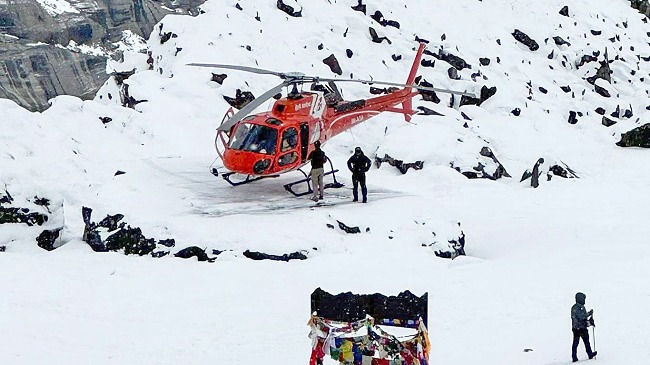
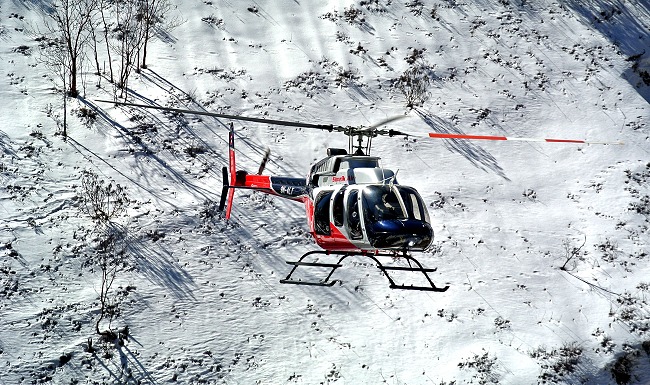
Get proper travel insurance. Make sure your policy covers high altitude trekking and emergency helicopter evacuation for every member of the family, children included. This is not optional, and reputable trekking companies will ask to see proof of it.
Build in downtime before and after the trek. A day or two in Kathmandu before heading to the mountains helps everyone adjust to the time zone and gives kids a gentle introduction to Nepali culture. Our Kathmandu Historical Tour is an easy, low effort way to explore Durbar Squares, temples, and local markets with a guide who keeps young minds engaged through stories rather than dry history lessons.
What to Pack for Family Trekking
Layering matters more than any single piece of gear. Mountain weather shifts quickly, so pack breathable base layers, a warm fleece or down jacket, waterproof outer layers, and a warm hat and gloves even for lower altitude routes. Broken in, comfortable hiking shoes are essential, and it is worth testing them on shorter walks at home before the trip rather than discovering blisters on day one.
Sun protection is easy to overlook at altitude, where UV exposure is stronger than it feels. Sunscreen, sunglasses, and a wide brimmed hat protect kids from sunburn even on cool, cloudy days. A basic first aid kit, any regular medications, and simple entertainment like a deck of cards or a small notebook for keeping a trip journal round out a solid packing list.
Frequently Asked Questions
What is the best trek in Nepal for kids? The Poon Hill Trek is widely considered the best starting point for families. It is short, stays below 3,500 meters, passes through beautiful villages, and rewards the effort with one of the finest sunrise views in the Himalayas.
What age can children start trekking in Nepal? There is no official minimum age, and families have trekked with toddlers on gentle routes. Most guides recommend five years and older for the best balance of stamina, understanding, and enjoyment.
Do children need a TIMS card or trekking permit in Nepal? Requirements vary by region and by the child's age, and rules have changed in recent years. It is best to confirm current permit requirements with your trekking agency before you travel, since they will handle the paperwork for your family either way.
Is altitude sickness a bigger risk for kids? Altitude sickness affects people unpredictably regardless of age or fitness, and children are not automatically more at risk. However, younger kids may have a harder time communicating symptoms, so parents and guides need to watch behavior closely rather than waiting for a child to say something feels wrong.
How much walking can kids realistically handle each day? Most children aged five and up can comfortably manage four to six hours of walking when the pace is slow and broken up with regular breaks. Younger children may need a porter or doko for part of the distance.
Plan Your Family Adventure With Peace Nepal Treks
Trekking in Nepal with kids takes a bit more planning than a standard adult itinerary, but it rewards that effort many times over. The mountains do not need to be conquered at speed to be unforgettable, and some of the best family memories come from a slow morning walk through a rhododendron forest or a shared cup of hot chocolate in a teahouse as the stars come out.
At Peace Nepal Treks, we build family itineraries around your children's ages, fitness, and interests, pairing experienced, kid friendly guides with routes that keep everyone comfortable and genuinely excited for the next day. Whether that means the sunrise at Poon Hill, a jungle safari in Chitwan, or a gentle first day exploring Kathmandu's temples together, we are here to help your family experience the Himalayas at exactly the right pace.