Nepal’s Himalayas are famous for trekking, but not all routes are the same. If you’re looking for beautiful views, real local culture, and peaceful trails without the crowds, the Pikey Peak Trek is a fantastic choice. Located in Nepal’s lower Solu region, this lesser-known trek is often called a hidden treasure.
One of the best things about this trek is the view from the top of Pikey Peak (4,065 meters). On a clear morning, you can see Mount Everest and many other famous peaks. This view was even described by Sir Edmund Hillary as one of his favorites in Nepal.
The Pikey Peak Trek is also perfect for beginners or anyone looking for a quieter, more relaxing experience in the mountains. It's short, scenic, and full of rewarding moments.
The Pikey Peak Trek is one of the best short treks in the lower Everest region, offering amazing sunrise views over Mount Everest and beautiful Himalayan scenery. The cost depends on the number of people in your group.
Pikey Peak Trek Cost Details
Minimum 2 People: USD 775 per person
2 to 5 People: USD 695 per person
More than 5 People: USD 650 per person
The more people in the group, the lower the cost per person. This is a great opportunity to enjoy the beautiful Pikey Peak Trek at a reasonable price with your friends or family.
Pikey Peak lies in the Solukhumbu District—part of the Everest region, but much quieter. The name “Pikey” comes from a local Sherpa deity connected to the sky and nature.
As you trek, you’ll pass through green forests filled with rhododendrons and magnolias, climb up to windy ridges, and walk across peaceful valleys. The trek offers views of not just Everest, but also Makalu, Lhotse, Kanchenjunga, Annapurna, and more.
The highlight of the trek is reaching the top of Pikey Peak. It’s not too hard to climb, and from the summit, the sunrise over the mountains is absolutely breathtaking. You’ll see golden light spilling over snowy peaks, with clouds floating in the valleys—an unforgettable moment.
Unlike other high treks, Pikey Peak doesn’t require weeks of training or climbing at extreme heights. You can enjoy one of Nepal’s best views with just a few days of walking.
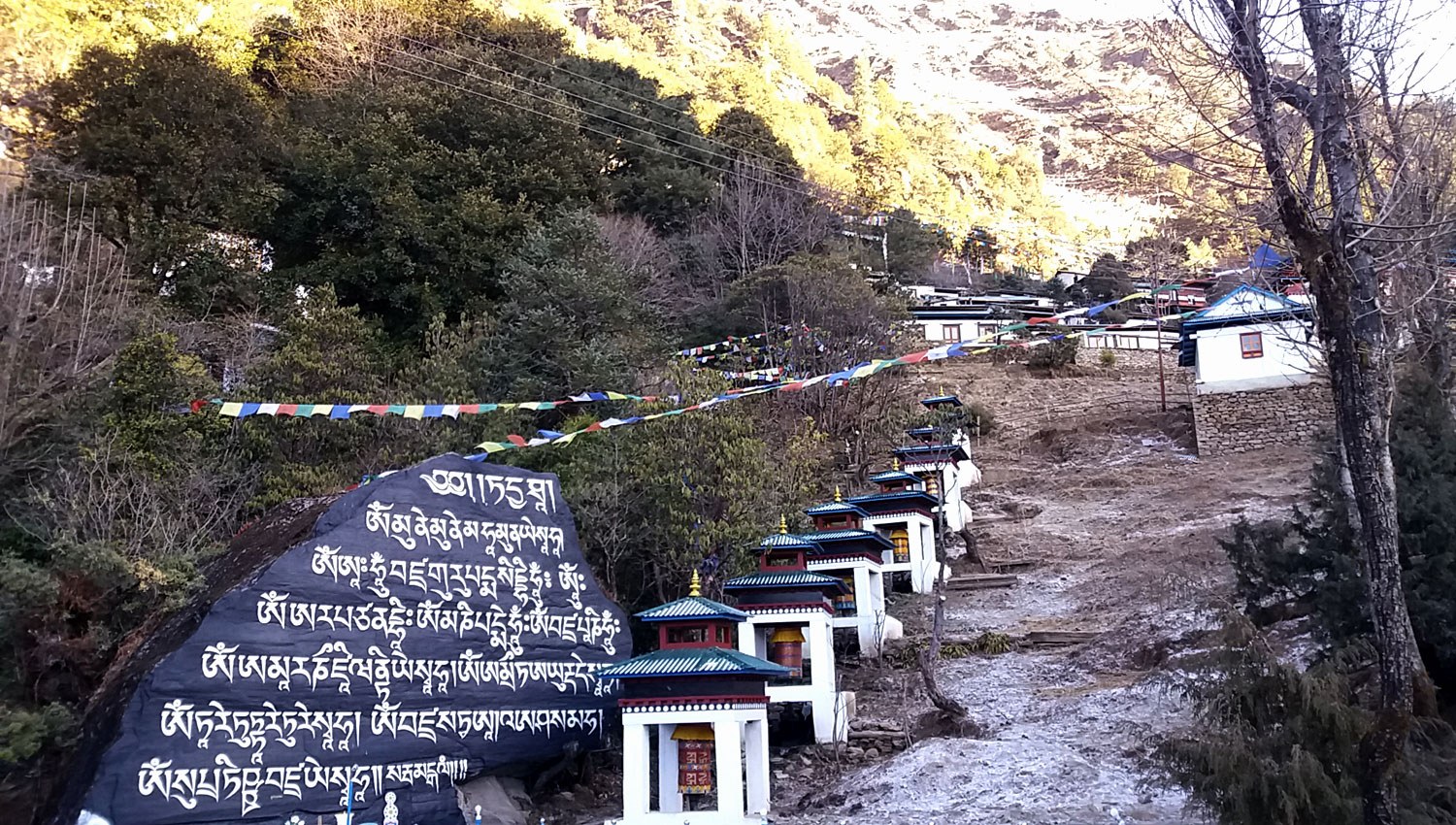
This trek is not just about mountains—it’s also about people and traditions. You’ll walk through small villages like Jhapre and Junbesi, home to the Sherpa community. Here, you can learn how locals live, visit colorful Buddhist monasteries, and even watch monks chanting in the evenings.
One important place is the Thuptenchholing Monastery, where many monks and nuns live and study. Visiting this peaceful place gives you a deeper connection to the region’s spiritual side.
Here are some of the best parts of the Pikey Peak Trek:
Stunning Mountain Views: See panoramic views of Mount Everest and many other peaks from Pikey Peak’s summit.
Beautiful Nature: Walk through forests, flower-filled meadows, and quiet hilltops.
Peaceful Trails: Enjoy a quiet trek with fewer tourists and more time to relax and reflect.
Monasteries and Culture: Visit historic Buddhist monasteries, meet monks, and experience Sherpa hospitality.
Wildlife and Flowers: Spot animals like Himalayan thars and colorful birds. In spring, rhododendron flowers brighten the forests.
Perfect for Photography: Capture amazing sunrise shots, village life, and spiritual moments in monasteries.
Cozy Teahouse Stays: Stay in warm, welcoming teahouses. Share meals and stories with locals and other trekkers.
Unlike popular treks like Everest Base Camp, the Pikey Peak Trek is less crowded, shorter, and doesn’t require a flight to Lukla. You can start the trek with a jeep or bus ride from Kathmandu to Dhap or Phaplu.
It usually takes around 7 to 9 days to complete, so it’s great for people with limited time. Plus, the trail is moderate—not too easy, not too hard—making it great for most fitness levels.
Spring (March to May): Rhododendrons bloom and skies are clear.
Autumn (September to November): Best visibility and stable weather.
Winter (December to February): Quiet trails, snow views—just bring warm clothes!
Monsoon (June to August): Rainy but green—more for cultural travel than views.
Along the trail, you’ll stay in small local teahouses. These are simple but cozy places run by local families. Meals are warm and filling. You’ll eat local dishes like:
And sometimes pancakes or pasta for a change!
Evenings are quiet and peaceful—perfect for relaxing after a day’s walk.
These are easy to get, either from a travel agency or at permit offices.
The trek is great for
The Pikey Peak Trek is a true hidden gem in Nepal. It offers everything—views of Everest, peaceful trails, local culture, and an unforgettable adventure—without the stress of busy routes or high costs.
Whether you're looking for your first Himalayan trek or just a quieter path, Pikey Peak is a perfect choic
Upon your arrival at Tribhuvan International Airport, our staff will warmly welcome you and arrange your transfer to your hotel for a comfortable stay.
Along the way, enjoy views of forests, terraced fields, and rivers. After reaching Dhap Bazaar, explore the local market.
Enjoy views of Numbur Himal and Everest along the way. Visit the stupa and a small Buddhist monastery in Jhapre. Overnight stay in a lodge.
The trail climbs to Bhulbhule, offering stunning Everest views. Pass a mani stone wall, old yak shelters, and a beautiful forest with rhododendron trees (blooming in spring). After leaving the forest, it’s a two-hour walk to Pikey Peak Base Camp.
Start early to catch the sunrise at Pikey Peak. The trail climbs steadily and offers stunning views of Thamserku, Everest, and six other 8,000-meter peaks, including Lhotse, Makalu, Manaslu, Kanchenjunga, Annapurna, and Dhaulagiri. After enjoying the views, return to Base Camp and continue to Jasmane Bhanjyang for an overnight stay.
After breakfast, begin your trek through the forest, followed by a meadow. Next, reach Taktor for lunch. Continue along a wide gravel road to Junbesi, where you can visit a Buddhist monastery. Junbesi is a beautiful village with tea houses, a stupa, and a lively atmosphere. The village is home to Sherpa, Magar, and Tamang people. Enjoy views of rivers, snow-capped hills, and a peaceful monastery. After several days of trekking, Junbesi offers more teahouse options, making it a perfect place to relax and unwind.
Take a rest day to visit Thuptenchholing Monastery, one of Nepal’s largest, perched high above Junbesi and home to mostly female monks. Explore the monastery and its kitchens, where you’ll meet friendly monks. Alternatively, take a 2-3 hour trek through the forest to a high ridgeline for stunning views of Ama Dablam and Everest. If you're feeling energetic, you can do both hikes in one day.
Today, you'll drive back to Kathmandu from Junbesi. Depart early in the morning (around 6:00 AM) and after an 12 hour drive, you’ll reach Kathmandu. Upon arrival, you’ll be transferred to your hotel. Enjoy the rest of the day at your leisure.
All necessary transportation during your trip is well organized and included
All equipment must be returned after the trek.
Your safety is our top priority,
Personal expenses such as
The Pikey Peak Trek with Peace Nepal Treks is a scenic Himalayan trekking adventure in the lower Solu–Khumbu region of Nepal, designed for trekkers who want spectacular mountain views, Sherpa culture, and quiet trails without the crowds of longer treks. The trek leads to Pikey Peak (4,065 m), offers panoramic views of Everest and other high Himalayan peaks, and blends natural beauty with local village experiences, all expertly organized by Peace Nepal Treks.
The standard Pikey Peak Trek itinerary with Peace Nepal Treks lasts around 7–9 days, depending on your chosen schedule and pace. This allows enough time to walk comfortably, acclimatize, enjoy views from the summit, and explore Sherpa villages like Jhapre and Junbesi on the way.
On the Pikey Peak Trek, the highest point you will reach is Pikey Peak at about 4,065 meters (13,336 feet) above sea level. This altitude offers one of the most breathtaking panoramic sunrise views of the Himalayas, including Everest, Makalu, Lhotse, Kanchenjunga, and other majestic peaks.
The Pikey Peak Trek is considered easy to moderate—perfect for travelers with basic fitness who want a genuine Himalayan trek without extreme altitude or long, strenuous days. Daily walking typically ranges from 5–7 hours, with manageable ascents and descents, making it suitable for enthusiastic beginners who want an unforgettable mountain experience.
The highlights of the Pikey Peak Trek with Peace Nepal Treks include:
Sunrise and sunset panoramic views of multiple 8,000m peaks, especially Everest and Kanchenjunga.
Visiting traditional Sherpa villages and Buddhist monasteries.
Walking through rhododendron forests and scenic ridgelines.
Peaceful Himalayan trails with cultural and natural experiences.
The best time to do the Pikey Peak Trek is during spring (March–May) and autumn (September–November). During these seasons, the weather is stable, skies are clear, and mountain views are spectacular. Winter is also possible for trekkers who enjoy snow and quiet trails, while the monsoon season is lush but may have limited views due to rainfall.
From the summit of Pikey Peak, trekkers can enjoy a breathtaking 360-degree panorama of the Himalayan range, including iconic peaks like Mount Everest, Lhotse, Makalu, Kanchenjunga, and others, making this summit one of the most memorable viewpoints for any Himalayan trekker.
Yes — the Pikey Peak Trek is a great choice for first-time trekkers because it doesn’t require high-altitude experience, long walking hours, or technical trekking skills. Peace Nepal Treks provides guidance and support so even novice trekkers can enjoy the mountains confidently.
To trek Pikey Peak, travelers usually need a Gaurishankar Conservation Area Permit (GCAP) and a local trekking permit for the Solu region. Peace Nepal Treks handles all permit arrangements, so you don’t have to worry about paperwork or extra charges.
The trek normally begins with a scenic road journey from Kathmandu to Dhap Bazaar or to another trailhead in the Solu region. From there, you begin walking through forests, villages, and ridgelines toward the higher Himalayan landscapes, supported by your guide from Peace Nepal Treks.
On the Pikey Peak Trek, trekkers stay in local tea houses and lodges run by Nepali families. These lodges offer clean and cozy rooms, warm meals, and a chance to meet other trekkers. Peace Nepal Treks ensures comfortable stays and nourishing food throughout your trekking days.
Travelers often pass through traditional Sherpa villages, visit Buddhist monasteries, see local rituals, and interact with friendly villagers. These cultural moments add depth to your trekking experience and connect you with genuine Himalayan traditions.
Daily walking hours on the Pikey Peak Trek typically range from 5–7 hours, with manageable ascents and scenic rest stops. Peace Nepal Treks plans the itinerary to balance challenge and comfort, allowing you to enjoy the journey at a relaxed pace.
Yes — on clear days, especially from the Pikey Peak viewpoint, you can see Mount Everest, along with other towering Himalayan peaks, making it one of the most rewarding short treks in Nepal’s Everest region.
The Pikey Peak Trek is moderate in difficulty and doesn’t demand extreme fitness. Basic fitness and some practice hiking or walking beforehand will help, but the trek’s pace is manageable for most people who prepare with simple cardio and leg exercises.
Yes! Peace Nepal Treks offers customizable itineraries for the Pikey Peak Trek. If you want longer or shorter trips, cultural stays, or extra sightseeing, the team can tailor your trek to fit your needs and travel plans.
Peace Nepal Treks prioritizes safety with experienced guides, first-aid support, proper acclimatization, and clear communication at each stage of the Pikey Peak Trek. They also monitor weather and trail conditions to keep you safe throughout the journey.
Yes — while the Pikey Peak Trek is moderate in difficulty, travel insurance is strongly recommended to cover emergency evacuation, medical treatment, and unexpected situations. Good insurance adds peace of mind to your Himalayan adventure.
Unlike longer routes like Everest Base Camp, the Pikey Peak Trek is shorter, less crowded, and offers breathtaking views of Everest without a flight to Lukla. It’s perfect for travelers with limited time who still want authentic Himalayan landscapes and culture.
Choosing Peace Nepal Treks means you get a trusted, responsible, and experienced trekking partner who handles all logistics, permits, accommodation, guides, and safety measures. Their local expertise ensures you enjoy the best of the Pikey Peak Trek — from stunning views and cultural encounters to smooth travel arrangements.
Choosing the best season for Pikey Peak Trekking makes a big difference to your overall experience—weather comfort, mountain views, trail conditions, and cultural encounters. The Pikey Peak Trek (4,065 m) is famous for its wide Himalayan panorama (including Everest on clear days), gentle difficulty, and quieter trails. Below is a clear, season-by-season guide to help you plan the perfect trek with Peace Nepal Treks.
Why it’s great: Spring is one of the best times for Pikey Peak Trekking. Days are mild, skies are often clear, and the hills bloom with rhododendrons and wildflowers.
Weather: Pleasant daytime temperatures (10–18°C), cool nights at higher elevations
Views: Excellent chances to see Everest, Makalu, Lhotse, Kanchenjunga
Trail conditions: Dry and comfortable; great for photography
Who it’s best for: First-time trekkers, nature lovers, photographers
Tip: April offers peak blooms and stable weather—ideal for sunrise views from Pikey Peak.
Why it’s best: Autumn is widely considered the top season for Pikey Peak Trekking thanks to stable weather and crystal-clear mountain vistas.
Weather: Dry, cool, and stable (12–20°C during the day)
Views: Sharp, uninterrupted panoramas after monsoon rains clear the air
Trail conditions: Excellent; well-maintained paths and comfortable walking
Culture: Festive season with Dashain and Tihar celebrations
Tip: October is the prime month for postcard-perfect Himalayan views and comfortable trekking days.
Why consider it: Winter offers a peaceful and uncrowded Pikey Peak experience, with magical snow scenery at higher elevations.
Weather: Cold nights; sunny but chilly days (5–10°C)
Views: Often very clear, especially in the mornings
Trail conditions: Possible snow near the summit; manageable with warm gear
Who it’s best for: Experienced walkers, winter lovers, solitude seekers
Tip: Start early on summit day and carry proper layers; guides help assess snow conditions safely.
Why it’s possible: While not the most popular, monsoon trekking is still doable on Pikey Peak with flexible planning.
Weather: Warm and humid with afternoon showers
Views: Limited on cloudy days; beautiful after rain breaks
Trail conditions: Lush but sometimes muddy; leeches in forest sections
Upside: Very green scenery, fewer trekkers, quieter villages
Tip: Choose early-morning walks and expect occasional weather changes; good rain gear is essential.
Best Overall: Autumn (Sep–Nov) – best views, best weather
Best for Flowers & Mild Weather: Spring (Mar–May)
Best for Solitude & Snowy Views: Winter (Dec–Feb)
Best for Green Landscapes & Fewer People: Monsoon (Jun–Aug)
No matter the season, the Pikey Peak Trek remains one of Nepal’s most rewarding short treks—offering big Himalayan views without extreme altitude or crowds. With experienced guides, flexible itineraries, and careful seasonal planning, Peace Nepal Treks helps you choose the right time to match your comfort, interests, and travel window.
Here’s a comprehensive list of essential trekking equipment for the Pikey Peak Trek, with details on each item to ensure a safe and comfortable journey:
Base Layer (Top & Bottom)
Outer Layer
Thermal Layer (for colder months)
Neck Gaiter or Buff
Trekking Boots
Camp Shoes or Sandals
Socks
Sleeping Bag
Sleeping Liner
Sleeping Pad
Backpack
Daypack
Trekking Poles
Water Bottles / Hydration Bladder
Waterproof Dry Bags
Headlamp with Extra Batteries
Sunglasses
Sun Protection
Personal Hygiene Items
Toilet Paper
First Aid Kit
Personal Identification
Camera
Power Bank
Snacks
Multi-tool or Swiss Army Knife
Maps/Route Information
Insurance Documents
Portable Oxygen Cylinder
Camera with Extra Batteries
Books or Journal
Gaiters
Important Tips
Altitude Preparation: If trekking at higher altitudes, consider including altitude sickness medication (such as Diamox) and discuss it with your doctor before the trek.
With the right gear, you’ll be well-prepared to take on the Pikey Peak Trek, ensuring both comfort and safety throughout the journey.

Safety, responsibility, and peace of mind with Peace Nepal Treks
For the Pikey Peak Trekking, safety is a top priority—for both international guests and Nepali trekking staff. Below is a clear and detailed explanation of guest insurance requirements and Nepali staff insurance coverage, as practiced by Peace Nepal Treks.
Although the Pikey Peak Trek is considered easy to moderate and does not involve extreme altitude, travel insurance is strongly recommended for all guests.
Even on lower-altitude treks, unexpected situations can happen, such as:
Having proper insurance gives you peace of mind and ensures quick support if needed.
We recommend your insurance policy includes:
Even though Pikey Peak is 4,065 m, many insurers require coverage above your maximum trekking altitude.
Peace Nepal Treks is fully committed to ethical and responsible trekking, and this includes full insurance coverage for all Nepali staff involved in the Pikey Peak Trek.
All trekking staff are insured according to Nepal government and trekking association standards, including:
In addition to insurance, Peace Nepal Treks ensures:
| Category | Coverage |
|---|---|
| Guest Insurance | Strongly recommended (medical + evacuation) |
| Staff Insurance | Fully included and arranged by Peace Nepal Treks |
| Emergency Coordination | Managed by Peace Nepal Treks |
| Ethical Trekking | Fully practiced and guaranteed |
With Peace Nepal Treks, you trek with confidence knowing that:
Enjoy the popular trekking and tour packages in Nepal Himalayas. 2026.
© 2011 - 2026 All rights reserved. Peace Nepal Treks.