Find Your Tour
  • Home »
  • Trips »
  • Annapurna Base Camp with Poon Hill Trek

Annapurna Base Camp with Poon Hill Trek

Annapurna Base Camp with Poon Hill Trek

Facts About Trip

Days 12 Days
Grade Moderate - Moderate
Best month Spring month and Autumn
Maxi Elevation ABC - 4,130m/ Poon Hill - 3,210m
Group size 2 people
Accommodation Tea House Accommodation
Meal Self-Food
Starts From Drive: Kathmandu to Pokahra
End at Flight: Pokhara to Kathmandu

Overview And Highlights

 Annapurna Base Camp with Poon Hill Trek – The Ultimate Himalayan Sunrise & Glacier Adventure

The Annapurna Base Camp (ABC) with Poon Hill Trek is one of Nepal's most loved trekking combinations. It blends the stunning Himalayan scenery of the Annapurna region with the spectacular sunrise from Poon Hill, traditional Gurung villages, lush rhododendron forests, and high-altitude glacier basins.

Perfect for both first-time trekkers and experienced adventurers, this trek offers cultural immersion, moderate altitude, and incredible natural beauty. The trail gives you everything from mountain views and forest trails to cultural charm and warm hospitality.

Highlights of Annapurna Base Camp with Poon Hill Trek

  • Panoramic sunrise views over Annapurna, Dhaulagiri, and Machhapuchhre from Poon Hill (3,210m)
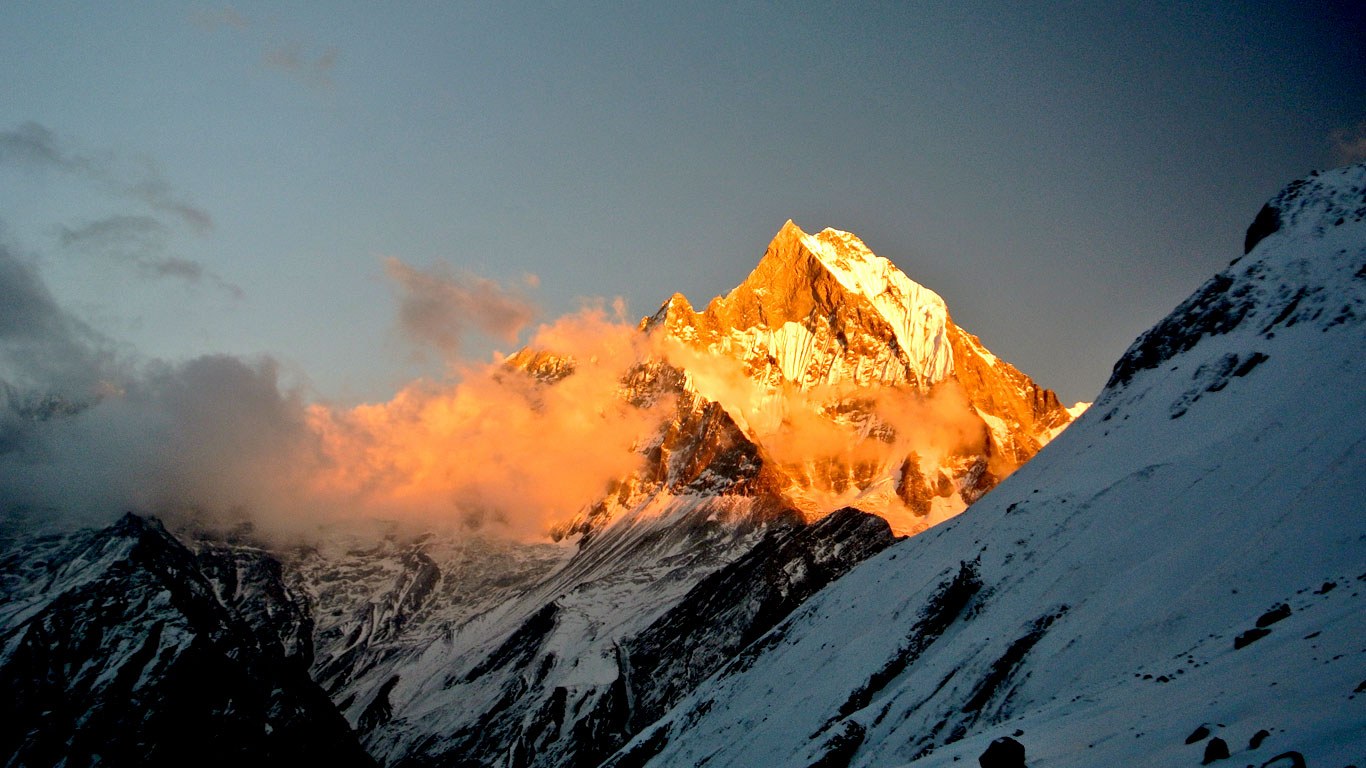
  • Explore the glacial basin of Annapurna Base Camp (4,130m) surrounded by Himalayan giants
  • Walk through lush rhododendron and bamboo forests
  • Visit traditional Gurung and Magar villages like Ghorepani, Ghandruk, and Chhomrong
  • Enjoy natural hot springs at Jhinu Danda
  • Experience the rich biodiversity of the Annapurna Conservation Area
  • Ideal for beginners and experienced trekkers
  • Incredible photography opportunities and peaceful nature escapes

Accommodation on the Trek

During the trek, you will stay in locally-run teahouses. These are basic but comfortable lodges with:

  • Twin-sharing rooms with beds, pillows, and blankets
  • Shared bathrooms (hot showers available at extra cost)
  • Dining halls that serve hot meals and provide a warm place to relax

The higher you go, the more basic the facilities become, but the hospitality remains welcoming throughout.

Hotel Accommodation in Kathmandu and Pokhara

Before and after the trek, you'll stay in 3-star level hotels:

  • In Kathmandu: Comfortable hotels like International Guest House or similar
  • In Pokhara: Lakeside hotels such as Hotel Shaara or equivalent

Rooms are based on twin-sharing with breakfast included, offering a relaxing stay before and after your trekking adventure.

Meals During the Trek

Meals during the trek are not included in your package, so you have the flexibility to choose your own food at the teahouses.

Typical food options include:

  • Nepali Dal Bhat (rice, lentils, vegetables)
  • Pasta, noodles, fried rice, soups
  • Pancakes, porridge, eggs, and toast for breakfast
  • Tea, coffee, and hot lemon

Prices for meals vary slightly with altitude, and most trekkers spend around $25 to $35 per day.

Suitable for All Trekking Levels

This trek is great for first-time hikers as well as experienced trekkers:

  • No technical climbing required
  • Daily walks range from 4 to 7 hours
  • Good for people with moderate fitness

With proper planning and a steady pace, even beginners can enjoy this trek. Guides help you understand the route, culture, and natural surroundings.

Altitude and AMS (Acute Mountain Sickness)

Though the Annapurna Base Camp trek reaches 4,130 meters, the risk of AMS is lower than in other high-altitude treks due to the gradual ascent.

Still, precautions are necessary:

  • Take enough rest days (especially in Ghorepani and Chhomrong)
  • Drink 3-4 liters of water daily
  • Avoid alcohol and heavy meals
  • Know symptoms: headache, nausea, dizziness

Your guide will monitor your condition and recommend descending if needed. Carrying Diamox (with medical advice) is optional.

Physical Training & Preparation

For first-time trekkers, it’s helpful to prepare your body 3–4 weeks in advance:

  • Walking or hiking 4–6 km per day
  • Stair climbing or uphill walking to build endurance
  • Light weight training or yoga for strength and flexibility

The better your fitness, the more enjoyable your experience will be. No advanced athletic level is needed, but being in good shape helps reduce fatigue and prevent injury.

Permits Required

To enter the Annapurna region, you need:

  • TIMS Card (Trekkers' Information Management System)
  • ACAP Permit (Annapurna Conservation Area Permit)

These permits can be arranged by your trekking agency or obtained in Kathmandu or Pokhara.

Hiring a Guide and Porter

Hiring a professional guide and porter makes the journey safer and more comfortable:

  • Guide cost: USD $30–$35 per day
  • Porter cost: USD $20–$25 per day (carries up to 20–25kg)

They are experienced, insured, and trained in first aid and mountain safety. Your guide will handle logistics, share local knowledge, and ensure your overall well-being.

Packing Essentials

Must-have items for the trek include:

  • Down jacket, thermal base layers
  • Rainproof jacket and pants
  • Trekking boots (well broken-in)
  • Warm hat, gloves, socks
  • Sleeping bag (rated to -10°C to -15°C)
  • Trekking poles, headlamp, water bottles
  • Purification tablets or filter
  • Toiletries and personal medications
  • Sunscreen, lip balm, first aid kit

Most of these can be bought or rented in Kathmandu or Pokhara.

Safety and Travel Insurance

It’s important to have travel insurance that covers:

  • Emergency helicopter evacuation
  • High-altitude medical treatment
  • Trip cancellation or interruption

Peace Nepal Treks and other agencies will assist with rescue coordination in case of emergency. Share your policy details with your guide before the trek begins.

Cultural Encounters Along the Trail

The trek passes through beautiful Gurung and Magar villages where you can:

  • See traditional houses and lifestyles
  • Visit local monasteries and prayer flags
  • Interact with locals and enjoy authentic meals
  • Learn about customs and community life in the Himalayas

These enriching experiences make your journey more meaningful beyond the mountains.

Why This Trek is Worth Every Step

The Annapurna Base Camp with Poon Hill Trek is a beautiful blend of scenery, challenge, culture, and comfort. Whether you're coming for the mountain views or looking for your first Himalayan adventure, this trek delivers everything you hope for.

From the stunning sunrise at Poon Hill to the icy majesty of Annapurna Base Camp, every day is filled with inspiration. With the right preparation, team, and mindset, this trek will become one of your most memorable journeys.

Ready to start your adventure?

Let Peace Nepal Treks help you plan the perfect Annapurna Base Camp with Poon Hill experience — safe, flexible, and unforgettable!

Day to Day Itinerary

Expand All Close All
Day 1 : Arrival in Kathmandu, International Guest House Stay.
Food
Self-Food
Accomodation
International Guest House
Elevation
1350

Welcome to Nepal! Upon landing at Tribhuvan International Airport, our friendly airport representative will greet you at the arrival gate holding a sign that reads "Peace Nepal Treks" with your name on it. You’ll then be transferred to your hotel in Thamel, the popular tourist hub in Kathmandu. The drive takes about 30 minutes (8 km). After check-in, take time to rest or enjoy an evening walk around the local shops and restaurants.

Accommodation: International Guest House or similar (with breakfast)

Meals: Self-paid

Day 2 : Drive from Kathmandu to Pokhara (820m), Hotel Shaara Stay.
Food
Self-Food
Accomodation
Hotel Shaara Stay
Elevation
820

Begin your Himalayan journey with a scenic 6–7 hour drive (approx. 200 km) from Kathmandu to Pokhara via tourist bus. Along the way, enjoy beautiful views of the countryside, rivers, terraced fields, and small towns. Once in Pokhara, check in to your hotel and relax near the lakeside. Optional activities include boating on Phewa Lake, visiting the Peace Pagoda, or exploring the lakeside markets.

Accommodation: Hotel Shaara or similar

Meals: Self-paid

Day 3 : Drive Pokhara to Kimche and Trek to Sinuwa (2,340m), Tea House Stay.
Food
Self-Food
Accomodation
Tea House Stay
Elevation
2340

After breakfast, drive for about 1.5 to 2 hours (30 km) to Kimche, the trek starting point. Begin your walk through traditional villages and terraced hillsides. Pass the charming village of Chhomrong, then descend to cross a suspension bridge before climbing up steep stone steps to Sinuwa. The day is a mix of uphill and downhill, giving you a taste of trekking in the Annapurna region.

Trekking Distance: ~13–15 km

Trekking Time: 6–7 hours

Day 4 : Trek from Sinuwa to Deurali (3,200m), Tea House Stay.
Food
Self-Food
Accomodation
Tea House Stay
Elevation
3200

Today’s trail takes you through dense forests of bamboo and rhododendron. The walk is peaceful and shaded, offering glimpses of distant snow peaks through the trees. You’ll pass Bamboo and Dovan, gradually climbing to Deurali, a high-altitude village surrounded by cliffs and waterfalls.

Trekking Distance: 6–7 km

Trekking Time: 5–6 hours

Day 5 : Trek to Machhapuchhre Base Camp (MBC) and Annapurna Base Camp (ABC), Tea House Stay.
Food
Self-Food
Accomodation
Tea House Stay
Elevation
4130

Climb higher today as you trek past MBC (3,700m) to reach Annapurna Base Camp (4,130m). This section offers jaw-dropping alpine views, glacier rivers, and panoramic mountain walls. By afternoon, you’ll arrive at the famous ABC bowl, surrounded by towering peaks including Annapurna I, Hiunchuli, and Machhapuchhre (Fishtail).

Trekking Distance: 5–6 km

Trekking Time: 5–6 hours

Day 6 : Trek from Annapurna Base Camp to Bamboo (2,310m), Tea House Stay.
Food
Self-Food
Accomodation
Tea House Stay
Elevation
2310

After watching the sunrise over the Annapurnas, begin your descent toward Bamboo. The trail retraces your steps down through alpine meadows and forested trails. You’ll pass Deurali and Dovan again, enjoying the downhill walk and changing scenery.

Trekking Distance: 12–14 km

Trekking Time: 7 hours

Day 7 : Trek from Bamboo to Chhomrong (2,170m), Tea House Stay.
Food
Self-Food
Accomodation
Tea House Stay
Elevation
2170

Today’s trek includes a mix of uphill and downhill sections. You’ll climb back up to Sinuwa, descend to the river, and make a final climb to Chhomrong, a beautiful Gurung village with stunning views of the valley and peaks.

Trekking Distance: 6–7 km

Trekking Time: 5–6 hours
 

Day 8 : Trek from Chhomrong to Tadapani (2,630m), Tea House Stay.
Food
Self-Food
Accomodation
Tea House Stay
Elevation
2630

Depart Chhomrong and head north through lush rhododendron forests and hillside farms. The trail offers changing terrain, with steep climbs and relaxing flat sections. On clear days, enjoy sweeping views of Annapurna South and Hiunchuli.

Trekking Distance: 8–9 km

Trekking Time: 5–6 hours
 

Day 9 : Trek from Tadapani to Ghorepani (2,860m), Tea House Stay.
Food
Self-Food
Accomodation
Tea House Stay
Elevation
2860

Trek through dense forest and alpine vegetation, gradually ascending toward the lively village of Ghorepani. This village is a popular resting point and provides a great view of the Dhaulagiri and Annapurna ranges. Prepare for the next morning's sunrise hike.

Trekking Distance: 10–12 km

Trekking Time: 6 hours

Day 10 : Hike to Poon Hill (3,210m), Trek to Ulleri, and Drive to Pokhara, Hotel Shaar Stay in Pokahra.
Food
Self-Food
Accomodation
Hotel Shaara Stay
Elevation
3210

Start early with a short hike to Poon Hill (30–40 mins) to catch the sunrise over the Himalayas. The panoramic views of Dhaulagiri, Annapurna, and Machhapuchhre are unforgettable. After taking photos and enjoying the moment, descend back to Ghorepani for breakfast, then continue downhill to Ulleri (1,960m). From there, drive back to Pokhara and enjoy a relaxing evening.

Total Trekking Distance: 14–16 km

Trekking Time: 7–8 hours

Day 11 : Explore Pokhara and Fly to Kathmandu, International Guest House Stay.
Food
Self-Food
Accomodation
International Guest House
Elevation
1350

Spend the morning exploring Pokhara's lakeside charm. Visit Davis Falls, Gupteshwor Cave, or take a boat ride on Phewa Lake. In the afternoon, take a short 25-minute flight back to Kathmandu. Upon arrival, our staff will transfer you back to your hotel.

Accommodation: International Guest House or similar (with breakfast)

Day 12 : Final Departure – Explore Kathmandu Before Your Flight.

Enjoy some free time for last-minute shopping or sightseeing around Thamel or Durbar Square. Depending on your flight time, we will transfer you to the airport for your onward journey. Thank you for trekking with Peace Nepal Treks!

Meals: Self-paid

Transfer: Airport drop-off included

Services Included on Price

Standard Package Cost USD 555 per person

Standard Package Service Includes

🛬 Transportation

  • Pick-up and drop-off from Kathmandu International Airport
  • Kathmandu to Pokhara by tourist bus
  • Pokhara to trek starting point by private vehicle
  • Trek end point back to Pokhara by shared private jeep
  • Flight from Pokhara to Kathmandu (after the trek)
  • Transportation for Nepali staff (Kathmandu ↔ Pokhara)

Hotel Accommodation

  • All nights in Kathmandu and Pokhara in twin-sharing rooms
  • International Guest House in KTM & Hotel Shaar in Pokhara or similar
  • Breakfast included (BB plan)

 Mountain Accommodation

  • All nights in best available teahouses (twin-sharing basis) during the trek

Guides and Porters

  • 1 experienced trekking guide
  • 2 assistant guides
  • 3 porters (1 porter for every 2 guests, max 20kg per porter)

We cover their:

  • Wages for 10 days
  • Insurance
  • Meals and lodge stays
  • Trekking equipment

Permits & Entry Fees

  • Annapurna Conservation Area Permit (ACAP)
  • All government taxes and entry fees

Trekking Gear (if needed)

  • Sleeping bag, duffle bag, down jacket
  • Trekking poles (All must be returned after the trek)

Water & Snacks

  • Unlimited safe drinking water (with purification tablets)
  • Energy bars and cookies (especially at base camp)

Health & Safety

  • Diamox (altitude sickness medicine)
  • Pulse oximeter (to measure oxygen levels at altitude)
  • Rescue arrangements in case of emergency or bad weather

Communication

  • Local NCELL SIM card (return after trek)

 Extras

  • Annapurna Base Camp trekking map
  • Waste/rubbish management
  • 13% VAT and Peace Nepal Treks service charge

Standard Package Service Excludes

Meals:

  • All meals (breakfast, lunch, dinner) in Kathmandu, Pokhara, and during the trek are not included.
  • → Budget around USD $30 to $40 per person per day on trek.

Snacks & Drinks:

  • Personal snacks like chocolate, soft drinks, bottled water, alcoholic drinks, and nutrition bars are not included.

Tips:

  • Tips for your guides, porters, and driver at the end of the trek are not included.
  • Suggested minimum: 10% of your total package cost.

Emergency Rescue:

  • Any costs for emergency situations like helicopter evacuation or hospital treatment are not covered.
  • You must have travel insurance that covers high-altitude trekking and emergencies.

Personal Expenses:

  • Bottled water or Coke on the trek
  • Wi-Fi, hot showers, charging phones/devices
  • Laundry or other extra services

City Sightseeing:

  • Sightseeing in Kathmandu or Pokhara, entrance fees, transport, or hiring a city guide are not included.

International Flight & Visa:

Your flight to/from Nepal and the Nepal visa fee (payable on arrival in Kathmandu):

  • 15 Days – USD $30
  • 30 Days – USD $50
  • 90 Days – USD $125

Trekking Gear:

  • Your personal clothing and equipment for trekking is not included (boots, jackets, backpack, etc.)
  • Anything not mentioned in the "included" section is considered excluded.

Altitude Graph

FAQs

1. What is the best time to do the Annapurna Base Camp with Poon Hill Trek?

The best times are Spring (March–May) and Autumn (September–November). These seasons offer clear skies, great mountain views, and pleasant temperatures.

2. How difficult is this trek?

It is a moderate trek, suitable for both beginners and experienced trekkers. Daily walks range from 5 to 7 hours, with some uphill and downhill trails.

3. How high do we go during the trek?

The highest point is Annapurna Base Camp at 4,130 meters (13,550 ft). Poon Hill is at 3,210 meters (10,531 ft).

4. What type of accommodation is available during the trek?

You’ll stay in local teahouses/lodges that offer twin-sharing rooms with basic bedding and shared bathrooms. In cities like Kathmandu and Pokhara, you’ll stay in 3-star standard hotels.

5. Can I choose my meals during the trek?

Yes. Meals are à la carte at teahouses. You can order from the menu and pay directly. Common meals include dal bhat, pasta, noodles, soups, and pancakes.

6. Do I need prior trekking experience?

No prior experience is needed. This trek is perfect for first-time trekkers with a reasonable level of fitness.

7. What physical preparation is recommended?

You should start light cardio training, walking, hiking, or gym workouts at least 4–6 weeks before your trek. Focus on endurance and leg strength.

8. Is altitude sickness a risk on this trek?

Yes, there is a moderate risk of Altitude Mountain Sickness (AMS). It’s important to ascend gradually, stay hydrated, and rest when needed. ABC is below 4,500m, which reduces risk compared to higher treks.

9. Are guides and porters included?

You can hire licensed guides and porters easily. They help with navigation, safety, and carrying your bag (each porter usually carries 20–25kg for two trekkers).

10. What permits do I need for this trek?

You need:

TIMS Card (Trekkers’ Information Management System)

Annapurna Conservation Area Permit (ACAP)

11. What should I pack for the trek?

Essentials include:

Sleeping bag, warm clothes, waterproof layers

Trekking shoes, poles, headlamp

Water bottles and purification tablets

First aid kit, sun protection, and snacks

12. How do I get to the starting point of the trek?

You’ll drive or fly from Kathmandu to Pokhara, then take a private vehicle to Kimche or Nayapul, the typical trek start points.

13. What is the weather like on the trek?

Spring: warm days, blooming flowers, cool nights

Autumn: clear skies, fresh air, mild temperature

Winter: colder, especially at night

Monsoon: wet and muddy, not recommended

14. Is there mobile network or Wi-Fi on the trail?

Yes, many teahouses offer Wi-Fi for a small fee. Mobile signals (mostly NCell) work in many parts of the trail but can be weak in high areas.

15. Is travel insurance necessary?

Yes. Make sure it covers:

Emergency helicopter evacuation

Medical treatment

High-altitude trekking up to 4,500 meters

Additional Information

1. What essential trekking gear should I bring for the Annapurna Base Camp with Poon Hill Trek?

Here’s a list of must-have items:

  • Sleeping bag (rated to at least -10°C)
  • Down jacket and fleece layers
  • Thermal base layers
  • Waterproof/windproof jacket and pants
  • Trekking boots (well broken-in)
  • Trekking poles
  • Woolen hat, gloves, and socks
  • Sun hat, sunglasses, and sunscreen
  • Reusable water bottles + purification tablets
  • Headlamp with extra batteries
  • Toiletries and personal items
  • Quick-dry towel and wet wipes
  • Small daypack (20–30 liters)

2. Can I rent trekking gear in Nepal?

Yes. You can rent or buy quality trekking gear in Thamel (Kathmandu) or Lakeside (Pokhara). Items like sleeping bags, down jackets, and poles are widely available at affordable rates.

3. Do I need crampons or technical gear?

No. Crampons or ice axes are not required for this trek unless you’re trekking in deep winter (Dec–Feb) when snow can block the trail.

When is the best time to do this trek?

The best seasons are:

Spring (March to May): Clear skies, rhododendron blooms, and pleasant temperatures.

Autumn (September to November): Best visibility, dry trails, and perfect mountain views.

Can I do this trek in winter?

Yes, but expect very cold mornings and nights (down to -15°C at ABC). The trail may be snowy, and some lodges could be closed. Proper gear is essential.

Is it possible to trek during monsoon?

Monsoon (June to August) is not recommended due to heavy rain, muddy/slippery trails, leeches, and poor visibility.

Is travel insurance required for this trek?

Yes. Travel insurance is mandatory for all trekkers. Your insurance must include:

  • Emergency helicopter evacuation
  • Medical treatment and hospital coverage
  • Trip cancellation or interruption

What altitude coverage should my insurance include?

Your policy should cover trekking up to 4,500 meters, which is above Annapurna Base Camp (4,130m).

What documents should I carry?

Always carry:

  • A digital and printed copy of your insurance policy
  • Emergency contact numbers of your provider
  • Share a copy with your guide or trek organizer

 Do Nepali guides and porters need insurance too?

Yes. Reputable trekking agencies like Peace Nepal Treks provide:

  • Accidental and medical insurance
  • Rescue coverage
  • Proper trekking equipment and wages
Inquiry This Trip

Similar Packages

Enjoy the popular trekking and tour packages in Nepal Himalayas. 2025.

Annapurna Region Trek 7 Days

Poon Hill Trek
( 5 ) 10 Reviews

Annapurna Region Trek 20 Days

Tilicho Lake Annapurna Circuit Annapurna Base Camp Trek
( 5 ) 8 Reviews
Mardi Himal Trekking

$395 / Person
View Details

Annapurna Region Trek 6 Days

Mardi Himal Trekking

Annapurna Region Trek 16 Days

Dhaulagiri Trek

Annapurna Region Trek 8 Days

Khopra Ridge and Poon Hill Trek

We Are Associated

  • NTB
  • NMA
  • TAAN
  • Gov Nepal

Find & Follow Us on

© 2011 - 2025 All rights reserved. Peace Nepal Treks.