
Long before hospitals, roads, or organized religion reached Nepal's hill villages, people looked to a different kind of healer for guidance: the shaman. Known locally as Jhankri, Dhami, or Bombo, these traditional spiritual practitioners have bridged the human and spirit worlds for centuries, treating everything from physical illness to bad dreams, family conflict, and spiritual imbalance with drums, chanting, herbs, and ritual.
Hand-picked itineraries
Recommended Trips
Related journeys you may want to explore after reading this article.
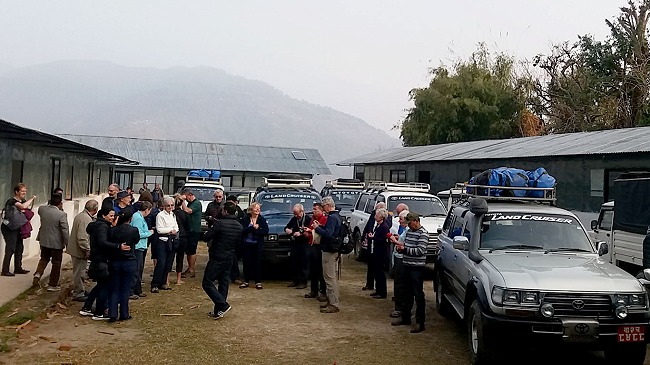
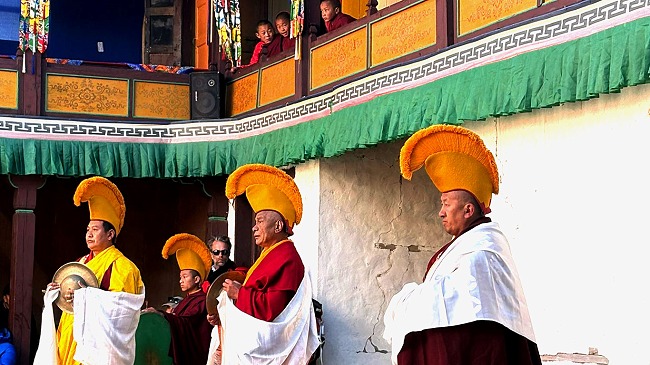
For travelers drawn to Nepal's deeper cultural layers, beyond the trekking trails and mountain views, shamanism offers a rare window into a living tradition that predates Hinduism and Buddhism in the Himalayas, yet still thrives quietly in villages just a few hours from Kathmandu.
This guide explains what shamanism in Nepal actually is, its history, how it's practiced today, and how you can experience it respectfully and authentically on a guided cultural tour.
What Is Shamanism in Nepal?
Shamanism is not a religion. It has no fixed scripture, central authority, or formal conversion process. Instead, it's a worldview and a healing practice built on a few core beliefs: that everything in nature (mountains, rivers, forests, stones, ancestors) carries spiritual energy, and that a trained practitioner can act as an intermediary between the human world and the spirit world.
In Nepal, this practitioner goes by different names depending on the ethnic community and region:
- Jhankri: the most widely used term across the hills of Nepal
- Dhami: often used when the shaman channels a specific deity or ancestral spirit
- Bombo: a term used among some Tamang communities
- Other regional names include Phedangma (Limbu), Nachhung or Mangpa (Rai), and Lhawa (Sherpa)
A shaman's toolkit typically includes a double-headed frame drum called a dhyangro, bells worn around the waist, necklaces of rudraksha and ritho seeds, a distinctive headdress, chanting, and offerings of rice, flowers, incense, and holy water. During a ritual, a shaman may enter a trance state, allowing a spirit, often the Ban Jhankri, a forest spirit central to Nepali shamanic mythology, to work through them to diagnose illness, counter negative energy, or communicate with ancestors on behalf of a family.
A Brief History of Nepali Shamanism
Shamanic practice in Nepal predates the arrival of both Hinduism and Buddhism, rooted in the animist worldview of the region's indigenous communities, including the Tamang, Gurung, Magar, Rai, Limbu, Sunuwar, Sherpa, and Newar peoples. Through successive waves of political and religious change (the Licchavi period, the Malla kingdoms, the Shah unification, and beyond), shamanic knowledge continued to pass from teacher to student through oral tradition rather than written text.
Rather than being replaced by Hinduism and Buddhism, shamanism in Nepal blended with them. In many Tamang villages, for instance, shamanic ritual sits comfortably alongside Buddhist Lama practices, ancestor worship, and local temple traditions, a syncretism you can still see clearly in communities like Thulo Parsel in Kavrepalanchok district. Even in Kathmandu Valley's Newar culture, shamanic elements appear woven into Hindu and Buddhist practice, from spirit-medium traditions to neighborhood shrines.
Today, Nepal's shamanic tradition is far from a relic. It remains an active part of rural life, and organizations such as the Nepal Shaman Association continue to document and preserve it, even as urbanization and modern healthcare change how younger generations relate to it.
How Shamanic Rituals Work
A typical healing ritual might involve:
- Diagnosis: the shaman identifies whether an ailment is physical, emotional, or spiritual in origin, often through divination
- Drumming and chanting: rhythmic drumming on the dhyangro combined with mantras helps the shaman enter a trance state
- Offerings: rice, flowers, incense, and sometimes animal sacrifice are used to appease or communicate with spirits
- Spirit communication: in more advanced rituals, a shaman may allow themselves to be briefly possessed by an ancestral spirit so family members can communicate with the deceased
Village shamans are also respected as herbalists, often prescribing medicinal plants alongside ritual healing, a role that made them, historically, the primary healthcare providers for entire communities.
Where to Witness Shamanism in Nepal
While shamans practice throughout Nepal's hill regions, a few places stand out for travelers who want a genuine, respectful glimpse into the tradition:
- Kavrepalanchok District: particularly the Temal and Thulo Parsel areas, home to Tamang communities where Buddhist and shamanic traditions coexist closely
- Narayan Temple, Narayansthan (Temal): one of the most remarkable shamanic gathering points in the country
- Baglamukhi Temple, Patan: known in Kathmandu Valley as a place where people seek out shamans for spiritual matters
- Rural villages across the Gurung, Magar, Rai, and Limbu regions of the mid-hills and eastern Nepal
Janai Purnima: The Best Time to Witness Nepal's Shaman Gathering
If there's one event that puts Nepali shamanism on full display, it's Janai Purnima, the full moon festival typically falling in August. On this day, Hindus across Nepal visit temples, rivers, and sacred ponds for ritual purification and protective thread-tying ceremonies.
At Narayan Temple in Narayansthan village, Temal, Janai Purnima becomes something extraordinary: more than 100 shamans from surrounding hill communities converge on the temple grounds. Dressed in traditional ritual attire and carrying drums, bells, and offerings, they chant, dance, and perform ceremonies late into the night, while local villagers come to receive blessings and spiritual protection. It is not a staged cultural show. It's a genuine, multi-generational spiritual event, and one of the most striking cultural gatherings you can witness in Nepal.
How You Can Experience Shamanism in Nepal Respectfully
Because shamanism is a sacred, living tradition rather than a tourist performance, the right way to experience it is with a knowledgeable local guide who understands the culture, speaks the local language, and has an established relationship with the community. Wandering into a village hoping to stumble across a ritual isn't realistic, and showing up uninvited to a private ceremony would be disrespectful.
This is exactly the gap Peace Nepal Treks' Nepal Shamanism, Monastery & Village Homestay Tour is designed to fill.
This 8-day cultural and spiritual journey takes you from Kathmandu's major heritage sites (Swayambhunath, Boudhanath Stupa, Pashupatinath Temple, and the historic city of Bhaktapur) into the rural heart of Kavrepalanchok district. Highlights include:
- A peaceful overnight stay at Namobuddha Monastery, including meals and conversation with resident monks and a Lama Guru
- A visit to the Guru Rinpoche Meditation Cave in Temal, an important Vajrayana Buddhist site
- A stop at Narayan Temple in Narayansthan, the heart of the Janai Purnima shaman gathering
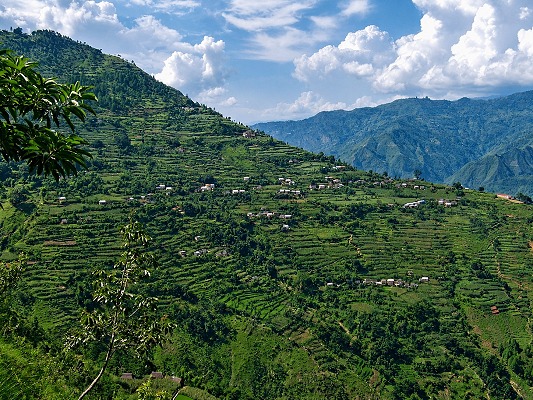
- Two nights in a local homestay in Thulo Parsel village, living alongside a Tamang family
- A guided shaman offering and prayer ceremony, observed respectfully with your guide's cultural context
- An easy 3-hour village walk through farmland, traditional homes, and a local government school (with the option to donate school supplies)
Because timing matters so much with this kind of cultural immersion, the tour can be arranged year-round to experience monastery life, village culture, and Buddhist chanting, but travelers hoping to witness the full shamanic gathering at Narayan Temple should aim to travel during the Janai Purnima full moon in August.
Responsible Travel: How to Engage With Shamanic Culture
If you're planning to witness a shamanic ritual in Nepal, a few etiquette points go a long way:
- Always ask permission before taking photos or videos, especially during active ceremonies
- Stay quiet and observant during rituals; treat it as a sacred event, not entertainment
- Never touch ritual items (drums, offerings, sacred objects) without invitation
- Dress modestly and follow your guide's instructions around temples and ceremonies
- If you wish to offer a donation to a shaman or Lama after a ceremony, do so respectfully and discreetly
Approached this way, witnessing Nepali shamanism becomes less like sightseeing and more like being welcomed, briefly, into a tradition that has quietly shaped Himalayan life for thousands of years.
Ready to Experience Nepal's Living Shamanic Tradition?
Few cultural experiences in Nepal are as authentic, or as rarely accessible to outside visitors, as a real shamanic ceremony in its home village setting. Combined with a monastery stay and genuine Tamang village homestay, it's a journey that goes well beyond typical Kathmandu sightseeing.
Explore the full itinerary, pricing, and departure details for the Nepal Shamanism, Monastery & Village Homestay Tour, or get in touch with Peace Nepal Treks to plan your visit around the Janai Purnima festival for the best chance to witness Nepal's shamans gather in full ceremonial force.