The Gosainkunda Pilgrimage Trek is a beautiful spiritual and Himalayan journey to the sacred Gosainkunda Lake in Nepal’s Langtang region. Located at an altitude of approximately 4,380 metres, Gosainkunda is one of Nepal’s most respected Hindu pilgrimage destinations and an important sacred place for Buddhist communities as well.
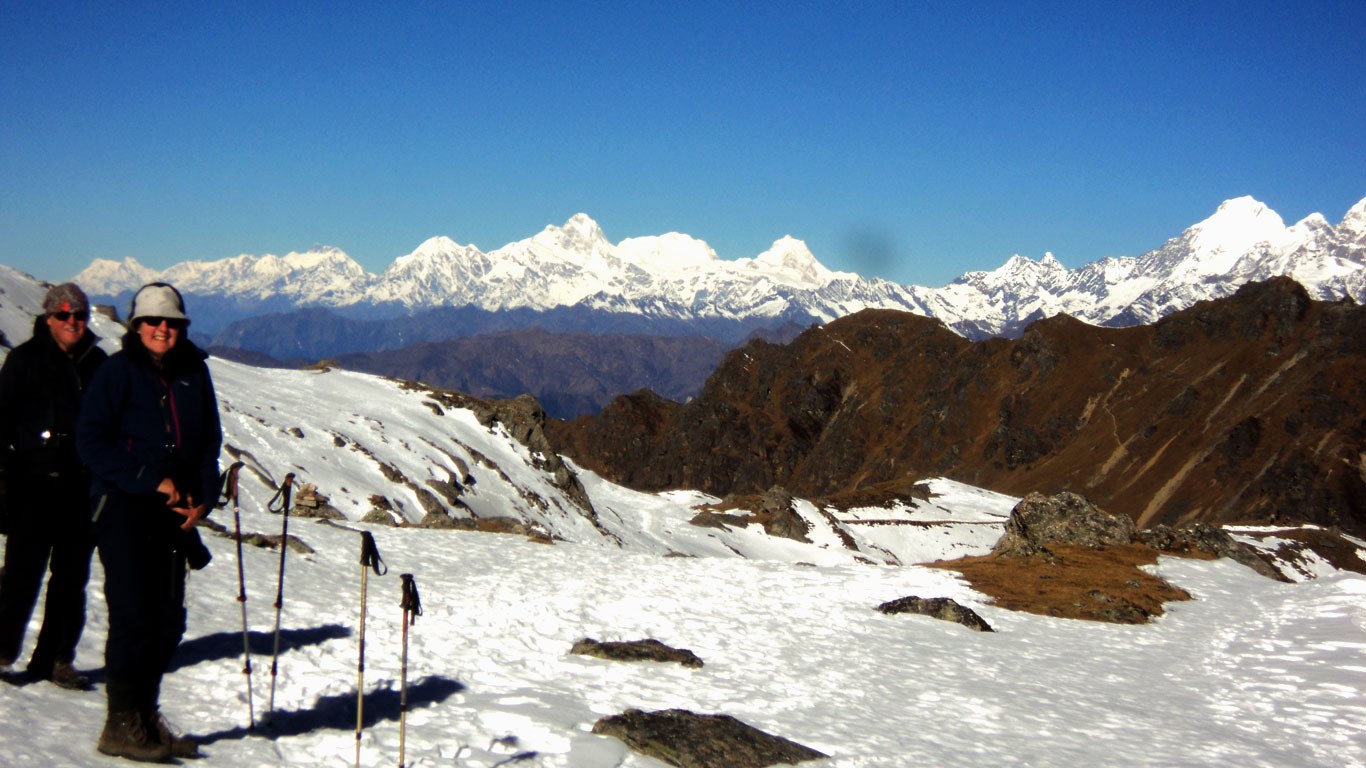
The trek takes you through the peaceful landscapes of Langtang National Park, passing traditional mountain settlements, monasteries, rhododendron forests, yak pastures and high alpine ridges. As you climb higher, the green hills gradually change into rocky mountain terrain surrounded by impressive Himalayan scenery.
Gosainkunda is also written as Gosaikunda, so both spellings are commonly used by trekkers and pilgrims searching for this sacred destination.
According to Hindu belief, Lord Shiva created Gosainkunda by striking the mountain with his trident to obtain water after swallowing poison. Every year, many devotees visit the lake during Janai Purnima, taking a holy bath and offering prayers beside its cold mountain waters.
The Gosainkunda lake system and its surrounding wetlands were added to the list of internationally important Ramsar wetlands in 2007. The area is valued not only for its religious importance but also for its fragile high-altitude environment.
Peace Nepal Treks arranges the Gosainkunda Pilgrimage Trek with an experienced local guide, comfortable transportation, trekking permits and carefully planned overnight stops. The journey is suitable for religious pilgrims, nature lovers and trekkers looking for a meaningful Himalayan experience close to Kathmandu.
The Gosainkunda trek offers much more than mountain walking. It combines spiritual belief, natural beauty, local culture and Himalayan adventure in one rewarding journey.
Pilgrims can visit one of Nepal’s most sacred mountain lakes, while trekkers can enjoy peaceful forests, open ridges and beautiful views of the Langtang and Ganesh Himal regions. Compared with longer Himalayan expeditions, the trek can be completed within a relatively short holiday.
The trail usually begins from Dhunche, which is reached by road from Kathmandu. From Dhunche, the route climbs through Deurali, Dhimsa, Chandanbari or Sing Gompa, Cholangpati and Lauribina before reaching Gosainkunda.
Gosainkunda is deeply connected with Hindu mythology. It is believed that Lord Shiva created the lake with his trident while searching for water to cool his throat after swallowing poison.
Hindu devotees believe that bathing in Gosainkunda’s holy water during Janai Purnima helps cleanse spiritual sins and brings blessings. The lake is also respected by Buddhist pilgrims, making it an important shared religious site in the Himalayas.
During Janai Purnima, the quiet trekking route becomes a lively pilgrimage trail filled with worshippers, traditional healers, monks and local families. Visitors can observe prayers, religious rituals, traditional music and cultural ceremonies around the lake.
The Gosainkunda Pilgrimage Trek is considered a moderate to challenging high-altitude trek. It does not require climbing equipment or technical mountaineering skills, but the trail includes long uphill sections, stone steps, rocky paths and a rapid increase in altitude.
The highest overnight destination is approximately 4,380 metres at Gosainkunda Lake. Because the route rises above 4,000 metres, trekkers must walk slowly, drink enough water and allow their bodies time to adjust to the altitude. Nepal Tourism Board recommends gradual ascent and careful management of sleeping altitude above 2,500 metres.
People with basic hiking experience and reasonable physical fitness can complete the trek successfully. Some preparation, including regular walking, stair climbing, cycling or light cardiovascular exercise, is recommended before arriving in Nepal.
The best general seasons for the Gosainkunda Trek are:
Spring: March to May
Spring normally offers comfortable walking temperatures, flowering rhododendrons and beautiful mountain scenery.
Autumn: September to November
Autumn is popular for clearer skies, stable trekking conditions and excellent Himalayan views.
Janai Purnima pilgrimage season
Travel during Janai Purnima is best for people who want to experience the religious festival and pilgrimage atmosphere. However, trails and lodges can become crowded during the main festival period.
Winter: December to February
Winter trekking may be possible, but the upper trail can receive heavy snow. Gosainkunda Lake and sections near Lauribina may freeze, and some lodges may close.
Monsoon: June to August
The lower route may be wet, cloudy and slippery. Nevertheless, many pilgrims travel during the monsoon because Janai Purnima follows the lunar calendar and often falls during this season.
Accommodation is available in local teahouses and mountain lodges along the main Gosainkunda trekking route.
Rooms are generally simple and comfortable, with twin beds, blankets and shared toilet facilities. Facilities become more basic at higher elevations, especially around Lauribina and Gosainkunda.
During Janai Purnima, permanent lodges can fill quickly. Temporary shelters and tents may also be used because of the large number of pilgrims.
Local lodges normally offer a menu from which trekkers can choose their own meals.
Common choices include:
Food choices become simpler at higher altitudes because all supplies must be carried to the mountain lodges.
The journey normally begins with a road trip from Kathmandu to Dhunche in Rasuwa district.
Private jeep transportation provides more comfort and flexibility. Public buses are less expensive but may take longer and offer fewer rest stops. Road conditions can be rough in some areas, particularly during the monsoon.
After completing the trek, travellers return from Dhunche to Kathmandu by road.
The route enters Langtang National Park, so trekkers generally require:
The Nepal Tourism Board lists the Langtang–Gosainkunda and Gosainkunda routes among trekking areas covered by its guide and TIMS requirements. Regulations and fees can change, so the latest requirements should be confirmed before departure.
Peace Nepal Treks arranges the necessary trekking permits for guests when included in the selected package.
The Gosainkunda Pilgrimage Trek is suitable for:
Travellers should be prepared for cold weather, basic mountain accommodation and several hours of walking each day.
Peace Nepal Treks is a locally operated trekking company based in Kathmandu. Our experienced team arranges safe, flexible and personalised journeys throughout Nepal.
For the Gosainkunda Pilgrimage Trek, we can provide:
Our goal is to make your pilgrimage safe, comfortable and spiritually meaningful while supporting the mountain communities along the route.
After your arrival in Kathmandu our representatives at the airport will transfer you to your hotel and help you in checking in.
It takes about 11 hours on a bus for us to reach Dhunche. Since tourist buses do not travel to this region we make our journey in a local bus. Overnight stay in Dhunche.
From Dhunche we cross rivers, pass through forests and walk mostly uphill before we stop for an overnight stay in Sing Gompa.
Trek Sing Gompa to Gosainkunda, Overnight stay in Gosainkunda (4,200m), LODGE STAY ACCOMMODATION (about 5 to 6 hours walking).
As we head towards the Laurebina Pass (4,610m) the trail climbs through rugged paths passing through small lakes in between.
From Tharepati the trail passes through forests of fir and rhododendron as we arrive in Magen Goth (3,420m), Panghu, and finally Khutumsang.
The trail now descends to the beautiful hamlet of Gul Bhanjyang and then climbs up to Thodang Betini (2,260m) and Chipling (2,170m).
Today our trail makes a steep descent as we stop in Pati Bhanjyang (1860m), before finally arriving in Chisopani.
Our 8-days trek ends in Sundarijal a beautiful place high above the Kathmandu valley. A short ride in a cab takes us from Sundarijal to Kathmandu. You can either fly to your destination today or you can stay in a hotel in Kathmandu.
Today, you have time till your departure from Kathmandu and can visit the historical city of Kathmandu and tourist places in Thamel.
Note: Above holiday itinerary can be customized as our guest specific requirements and can make shorter and longer. We design your holidays accordingly.
All transportation is arranged from your arrival in Nepal until your final departure.
For more comfort, faster travel, and flexible stops:
Comfortable accommodation is included throughout the trip.
Peace Nepal Treks arranges all required permits and official paperwork.
There are no hidden permit costs.
Your trek is supported by an experienced and professional team.
Guide and porter wages, meals, accommodation, insurance, and trekking equipment are fully included.
Essential trekking equipment is provided free of charge and must be returned after the trek.
Useful items are provided to make your trek more comfortable.
Your health and safety are always our priority.
Rescue and medical costs must be covered by personal travel insurance.
Bottled mineral water is available along the trail at your own cost.
We recommend using tap water with purification tablets. This is safe, affordable, and better for the environment.
Meals in Kathmandu & During the Gosainkunda Pilgrimage Trek
Meals in Kathmandu and during the Gosainkunda Pilgrimage Trek are not included in the package cost.
Any services not clearly stated in the “Cost Includes” section are not included.
Online Visa Application (Recommended to save time)
Please bring a passport valid for at least 6 months and a passport-size photo.
Personal trekking equipment not listed in the “Cost Includes” section is not included.
Guests are responsible for personal items such as
Trekking boots Personal clothing Gloves, hats, sunglasses Personal medicines
Visa fees payable at Kathmandu Airport:
15 Days – USD 30 30 Days – USD 50 90 Days – USD 125
International airfare to and from Nepal is not included. Nepal entry visa fees are not included in the package.
Kathmandu sightseeing tours are not included unless clearly mentioned.
Entrance fees to monuments Transportation City tour guide services
Any personal expenses during the trek are not included, such as:
Bottled drinking water Wi-Fi or internet charges Hot showers Charging electronic devices Laundry services Souvenirs or gifts Any unexpected personal costs during the trek
Travel and medical insurance are mandatory for all guests and must cover:
High-altitude trekking Emergency helicopter rescue
Any costs related to emergencies are not included.
Emergency rescue operations Helicopter evacuation Medical treatment Hospitalization Medicines
Recommended guideline
Around 15% of the total trip cost, depending on your satisfaction with the guide, porter, and driver.
These items are available to buy along the trekking route. Guests may also bring their favorite snacks from Kathmandu if they wish.
The package includes only the hotel nights mentioned in the itinerary.
We are happy to help arrange extra hotel nights if needed.
Tips for the trekking staff are not included in the trip cost.
Tipping is optional, but it is a common and appreciated practice in Nepal. Tips are usually given at the end of the trek as a thank-you for good service.
Personal snacks and drinks are not included in the package.
This includes
Chocolates, energy bars, biscuits Soft drinks, bottled mineral water Alcoholic beverages Tea, coffee, and hot drinks outside meal times
Approximately USD 30–40 per person per day, depending on what you order and your drink choices. Food prices increase gradually with altitude due to transportation difficulty—this is normal in mountain regions.
Yes, physically fit beginners can complete the trek with an experienced guide and a properly paced itinerary. However, the altitude and steep uphill sections should not be underestimated.
Yes. Peace Nepal Treks can arrange Gosainkunda pilgrimage packages for individuals, families, religious groups and visitors travelling from India.
The lake can freeze during the colder winter months. Snow may also cover the upper trail around Lauribina and Gosainkunda.
No technical climbing equipment is normally required. Good trekking shoes, warm clothing, rain protection and trekking poles are recommended.
Yes. Janai Purnima is the most important pilgrimage period, but advance booking is recommended because transportation and accommodation become busy.
Yes. Gosainkunda is above 4,000 metres, so altitude sickness is possible. A gradual ascent, proper hydration and immediate reporting of symptoms are important.
Meal arrangements depend on the selected package. When meals are not included, travellers can choose food freely from the lodge menu and pay directly.
Yes. The itinerary can be adjusted for private travellers, families, pilgrimage groups and visitors with limited holiday time.
The best seasons for the Gosaikunda Pilgrimage Trek are spring and autumn.
Spring offers mild temperatures, blooming rhododendron forests, and beautiful mountain views. The days are generally pleasant, although the nights can still be cold at higher altitudes.
Autumn is the most popular trekking season. The weather is usually stable, the skies are clear, and the Himalayan views are excellent.
Many Hindu and Buddhist pilgrims visit Gosaikunda during the Janai Purnima festival, which usually falls in July or August. This is the best time to experience the religious atmosphere, traditional rituals, and local culture.
However, this period is during the monsoon season, so the trail can be wet, muddy, and cloudy.
Winter trekking is possible, but heavy snow and icy trails may make the upper route difficult. During the monsoon, rainfall, slippery paths, and poor road conditions can affect the journey.
Proper trekking equipment is important because the route reaches a high altitude of around 4,380 metres.
Peace Nepal Treks can provide a sleeping bag, down jacket, duffle bag, trekking poles, gaiters, and snow crampons when required. These items must be returned after the trek.
All guests should have comprehensive travel insurance before joining the Gosaikunda Pilgrimage Trek.
The insurance should cover:
Guests should carry a copy of their insurance policy and emergency contact details during the trek.
Rescue, evacuation, and medical costs are not included in the trek package and must be covered by the guest’s insurance company.
Peace Nepal Treks provides proper insurance for all trekking staff, including guides and porters.
Staff insurance includes:
Guide and porter wages, meals, accommodation, equipment, and insurance are fully included in the trek cost.
This ensures that our trekking staff are properly protected, fairly treated, and able to provide safe and professional service throughout the journey.
No reviews yet. Traveled with us on this trip? Be the first to share your experience.
Adrian Mula
Robert and Arnica Reurekas
Patrick Keulens Helmond
Richard Kirtley
Chang Jong Kwon
Lim Tianshun
Mark Eversham