Nar Phu Trek with Kang La Pass – A Journey through Remote Himalayas
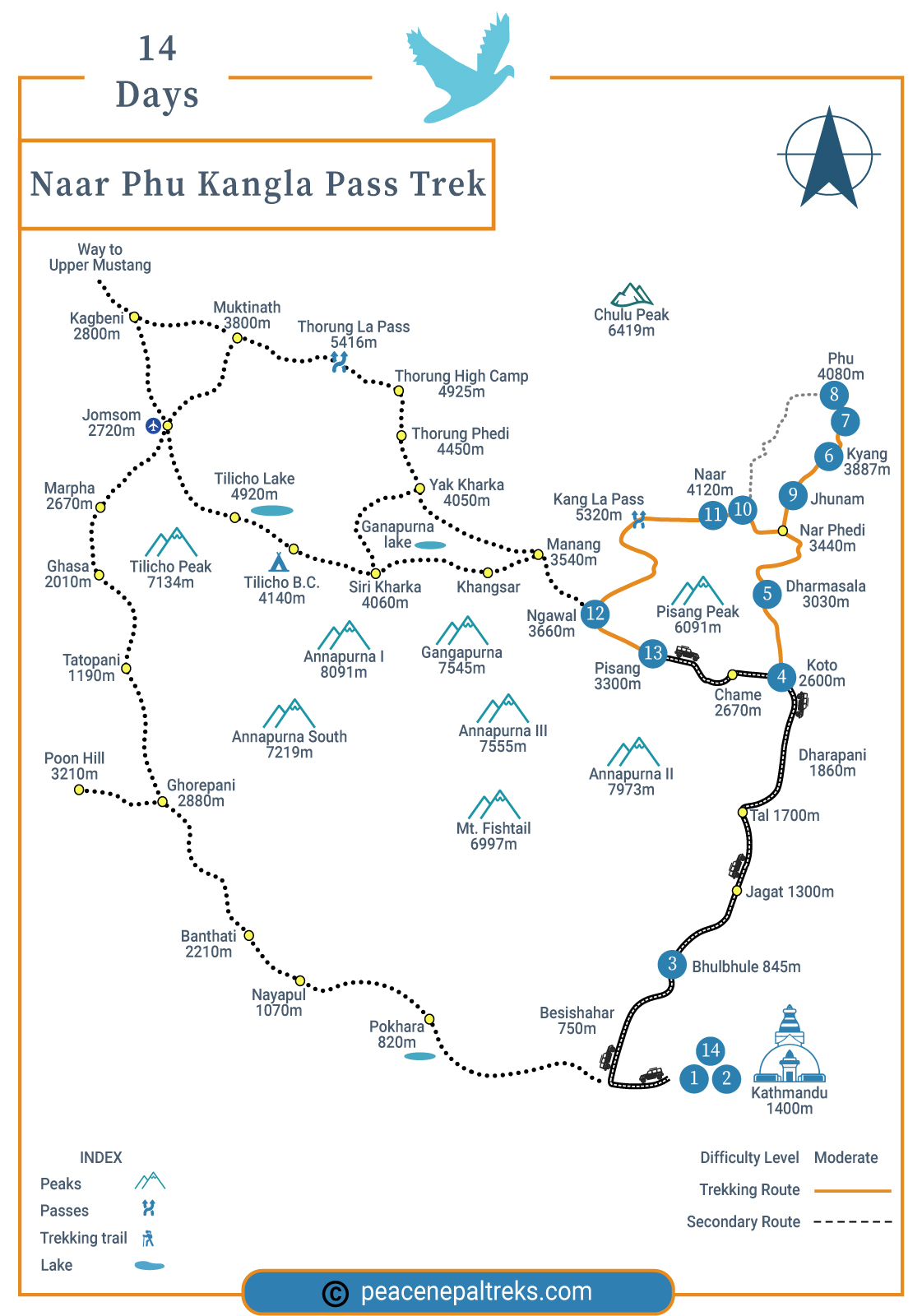
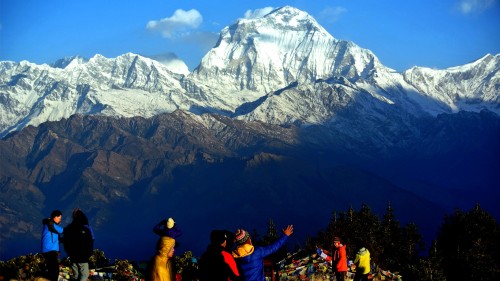
The Nar Phu Trek is one of the most captivating and lesser-known treks in Nepal, situated in the Annapurna region. This trek offers trekkers the opportunity to experience the beauty and tranquility of remote valleys, ancient Tibetan culture, and some of the most breathtaking mountain scenery in the world. The journey begins with a drive from Kathmandu to Besisahar, followed by an exciting jeep ride to Koto, and a gradual trek towards the Nar and Phu valleys. These valleys are home to small Tibetan-influenced villages, where time seems to stand still, and the traditional way of life remains intact. The trek continues with an ascent to the Kang La Pass (5,320M), one of the highest points of the trek, providing panoramic views of the Annapurna, Manaslu, and Dhaulagiri mountain ranges. After crossing Kang La Pass, trekkers descend through beautiful villages like Ngawal and Pisang before returning to Kathmandu.
The Nar Phu Trek is often less crowded than other popular trekking routes in Nepal, making it a great choice for those seeking a more peaceful, off-the-beaten-path adventure. The trek offers an exceptional combination of cultural exploration, natural beauty, and a challenge with the high-altitude crossing of Kang La Pass (5,320M). The trek also provides a deep immersion into the life and traditions of the people living in these remote regions, with opportunities to visit ancient monasteries and learn about Tibetan Buddhist practices.
Short Itinerary for Nar Phu Trek with Kang La Pass
Day 1: Arrival in Kathmandu
Day 2: Drive from Kathmandu to Besisahar (170 km, 6-7 hrs)
Day 3: Drive from Besisahar to Bulbule and trek to Koto (2,600M)
Day 4: Trek from Koto to Dharmasala (3,230M)
Day 5: Trek from Dharmasala to Kyang (3,700M)
Day 6: Trek from Kyang to Phu (4,250M)
Day 7: Rest day in Phu for acclimatization and exploration
Day 8: Trek from Phu to Nar Village (4,110M)
Day 9: Rest day in Nar for acclimatization and exploration
Day 10: Trek from Nar to Kang La Pass (5,320M) and descend to Ngawal (3,660M)
Day 11: Trek from Ngawal to Pisang (3,300M)
Day 12: Drive from Pisang to Besisahar, then take a local bus to Kathmandu
Day 13: Departure from Kathmandu
Cost of the Trek
The cost of the Nar Phu Trek with Kang La Pass depends on various factors such as group size, services included, and seasonality. Generally, a full-package trek with Peace Nepal Treks can range from $1,200 to $1,600 USD per person. This cost typically includes a professional guide and porter, transportation (jeep/bus), permits (Annapurna Conservation Area Permit and Special Permit for Nar and Phu), accommodation in teahouses or lodges, and meals (Breakfast, Lunch, Dinner). The price may vary based on specific preferences such as private services or higher-end accommodation options.
Best Time to Trek Nar Phu with Kang La Pass
The ideal time to embark on the Nar Phu Trek with Kang La Pass is during the spring (March to May) and autumn (September to November) months, when the weather is favorable for trekking.
Spring (March to May): The spring season brings mild temperatures, clear skies, and the beauty of blooming rhododendron forests. This is an excellent time to witness Nepal’s natural beauty, with the surrounding valleys and forests coming to life. The temperatures are moderate, and the views are generally clear and stunning.
Autumn (September to November): Autumn is the peak trekking season in Nepal. After the monsoon rains, the air is crisp, the skies are clear, and the views of the mountains are unobstructed. The temperatures are ideal for trekking, and the trekking trails are usually dry, making it the most popular time for trekkers.
Winter (December to February): While winter trekking offers solitude and tranquility, the cold temperatures, particularly at high altitudes around Kang La Pass, can be harsh. Snowfall may make the trail challenging, but the rewards are quiet, pristine landscapes and a more peaceful trekking experience. Only experienced trekkers should consider winter treks.
Summer/Monsoon (June to August): Monsoon rains bring heavy rainfall to the region, making the trails slippery and prone to landslides. This is generally not a recommended time for trekking, especially in remote regions like Naar and Phu, where trail conditions can worsen.
Why Choose the Nar Phu Trek with Kang La Pass?
Remote and Unexplored: This trek takes you to remote valleys and villages that are off the beaten path, offering an authentic trekking experience away from the crowds.
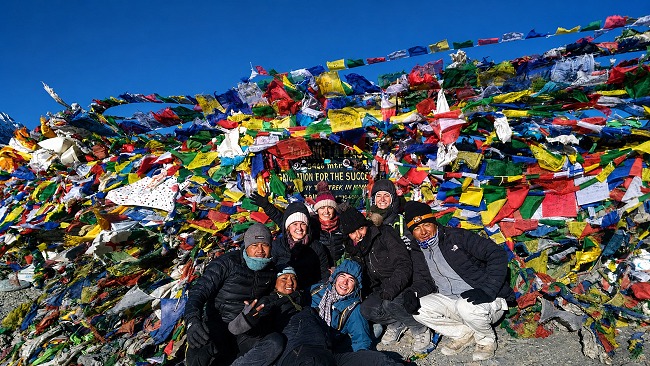
High-Altitude Adventure: Crossing the Kang La Pass at over 5,320M is a challenging yet exhilarating experience, with panoramic views of some of the highest peaks in the Himalayas, including Annapurna, Manaslu, and Dhaulagiri.
Cultural Immersion: Experience the Tibetan-influenced cultures of the Naar and Phu valleys, where ancient Buddhist monasteries, traditions, and lifestyles offer a glimpse into the spiritual heart of the Himalayas.
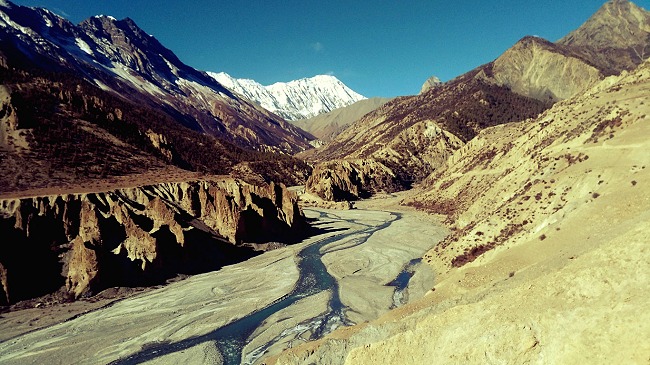
Unique Landscapes: The trek offers a diverse range of landscapes, from lush forests to alpine meadows, high mountain passes, and barren, Tibetan-style valleys.
Peaceful and Tranquil: The Nar Phu region is much less crowded than other trekking routes, providing trekkers with a quieter, more peaceful trekking experience, allowing you to truly connect with nature and local communities.
The Nar Phu Trek with Kang La Pass is an exceptional adventure for trekkers seeking a blend of culture, nature, and challenge in the heart of Nepal’s Himalayas. It offers a unique opportunity to explore remote valleys, cross high-altitude passes, and experience the rich cultural heritage of one of Nepal’s hidden gems.