Ultimate Guide to Monsoon Season Treks in Nepal: Where to Go, What to Expect
Nepal's monsoon season, spanning from June to September, transforms the landscape into a lush, vibrant haven. While many trekkers avoid this period due to heavy rainfall and potential trail challenges, the monsoon offers unique opportunities for those seeking solitude, rich cultural experiences, and verdant scenery. Certain regions, especially those in rain-shadow areas, remain relatively dry and are ideal for trekking during this season.
Understanding Monsoon Trekking in Nepal
The monsoon season officially starts in June and typically lasts until August. However, due to global warming and climate change, the rainy season often extends through September. Among these months, June stands out as the best time for monsoon trekking since it experiences comparatively less rainfall than July, August, and September. Mornings often present clear skies, making early starts advantageous. Trails can be slippery, and leeches are common in lower elevations, but the rains rejuvenate the flora, leading to blooming wildflowers and cascading waterfalls.
Best Treks for June
In June, before the heavy monsoon rains reach their peak, trekkers still have access to many of Nepal’s most celebrated routes across several iconic regions. This month offers relatively drier conditions and more predictable weather, making it one of the better times within the monsoon window to embark on a Himalayan journey. The Everest region features the Everest Base Camp Trek (EBC TREK), delivering panoramic views of the world's highest peak alongside rich Sherpa culture. In the Annapurna region, both the Annapurna Circuit Trek (ACT)and Annapurna Base Camp Treks (ABC TREK) showcase a dynamic blend of alpine beauty and diverse ethnic villages.
The Manaslu region, known for its remoteness, presents the Manaslu Circuit and the Tsum Valley Treks, perfect for those craving solitude and untouched scenery. The Mardi Himal Trek in the Annapurna area offers a shorter and quieter alternative with stunning vistas of Machapuchare. The Langtang region near Kathmandu is ideal for the Langtang Valley Trek—lush, scenic, and culturally rich. For seasoned trekkers looking for an off-the-grid adventure, the Kanchenjunga Base Camp Trek in the far east offers dramatic landscapes and a true sense of wilderness. All these trails remain accessible in June, provided trekkers come equipped with the right gear and a flexible mindset.
Highlights of June Treks
Everest Base Camp Trek: Panoramic views of Everest, Sherpa culture, and alpine monasteries
Annapurna Circuit Trek: Thorong La Pass, varied ecosystems, and scenic village life
Annapurna Base Camp Trek: Towering peaks, lush forests, and hot springs
Manaslu Circuit Trek: Remote terrain, suspension bridges, and Tibetan-style villages
Tsum Valley Trek: Hidden Buddhist monasteries, spiritual ambiance, and traditional culture
Mardi Himal Trek: Short yet scenic, close views of Machapuchare and peaceful paths
Langtang Valley Trek: Glacial valleys, Tamang heritage, and wildlife
Kanchenjunga Base Camp Trek: Remote exploration, diverse flora and fauna, and towering peaks
Recommended Treks for July, August, and September
As the monsoon intensifies through July and August and often persists into September, it becomes crucial to select trekking routes that lie in rain-shadow regions—areas protected from heavy rains by the surrounding mountains. During these months, regions in the far west and north of Nepal such as Upper Mustang and Dolpo become prime trekking destinations.
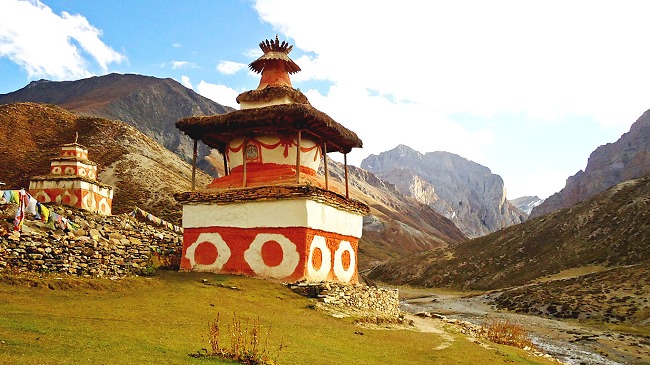
The Upper Mustang region, located north of the Annapurna and Dhaulagiri ranges, features a semi-arid desert landscape and Tibetan Buddhist culture. The Upper Mustang Trek typically spans 12–16 days and takes trekkers into the mystical walled city of Lo Manthang, through barren cliffs and canyons, all largely untouched by the monsoon rains.
The Dolpo region, tucked away in western Nepal, is divided into two main trekking options. The Upper Dolpo Trek, lasting 20–25 days, is a demanding journey into one of Nepal’s most isolated corners. It features Shey Phoksundo Lake, ancient Bon monasteries, and dramatic high-altitude desert scenery. The Lower Dolpo Trek, a more accessible 15–18 day route, still offers a rich experience of remote trails, cultural villages, and sparse monsoon rainfall. Both these routes remain dry due to their position behind the Dhaulagiri massif.
These regions not only escape the worst of the rains but also provide an immersive cultural and scenic experience, making them ideal for trekking in mid-monsoon.
Highlights of Rain-Shadow Treks (July–September)
Upper Mustang Trek: Tibetan culture, Lo Manthang, dramatic desert landscapes
Upper Dolpo Jomsom Trek: Shey Phoksundo Lake, Bon monasteries, remote alpine valleys
Lower Dolpo Trek: Cultural immersion, wildlife encounters, and fewer trekkers
Tips for Monsoon Trekking
Start Early: Begin treks early in the morning to avoid afternoon rains.
Proper Gear: Use waterproof clothing, sturdy boots, and rain covers for backpacks.
Leech Protection: Wear leech socks and carry salt or insect repellent.
Stay Informed: Regularly check weather forecasts and be prepared for itinerary changes.
Hire a Guide: Trails can be challenging; a local guide ensures safety and enriches the experience.
Essential Packing List
Waterproof jacket and pants
Quick-drying clothing
Trekking poles
Water purification tablets
First aid kit
Headlamp with extra batteries
Leech socks and insect repellent
Waterproof backpack cover
Best Months for Monsoon Trekking
June: Start of the monsoon; trails are less muddy and many classic treks are still viable.
July & August: Peak monsoon stick to rain-shadow areas like Upper Mustang and Dolpo.
September: Rains begin to wane; landscapes are lush and vibrant.
Monsoon trekking in Nepal offers a unique blend of solitude, cultural immersion, and natural beauty. With proper planning and route selection, trekkers can experience the Himalayas in a refreshing light, away from the usual crowds. Whether it’s the lush green valleys in June or the dry, mystical landscapes of Mustang and Dolpo in mid-monsoon, Nepal's trails remain inviting year-round.