Lobuche Peak Climbing: A Thrilling Adventure in the Himalayas
Lobuche Peak is one of the most sought-after climbing destinations in Nepal. Renowned for its challenging yet rewarding trails, Lobuche Peak offers breathtaking views of the Himalayas and an unparalleled sense of accomplishment for climbers who reach the summit.
This peak is ideal for experienced climbers seeking an adventure in the majestic Khumbu region. With the right preparation and support, Lobuche Peak Climbing can be a life-changing experience.
Lobuche Peak consists of two summits: Lobuche East and Lobuche West. While Lobuche East, standing at 6,119 meters (20,075 feet), is the more popular choice for climbers, Lobuche West at 6,145 meters (20,161 feet) is considered more technically challenging. The climb to Lobuche East requires moderate mountaineering skills and is perfect for those looking to transition from trekking to climbing.
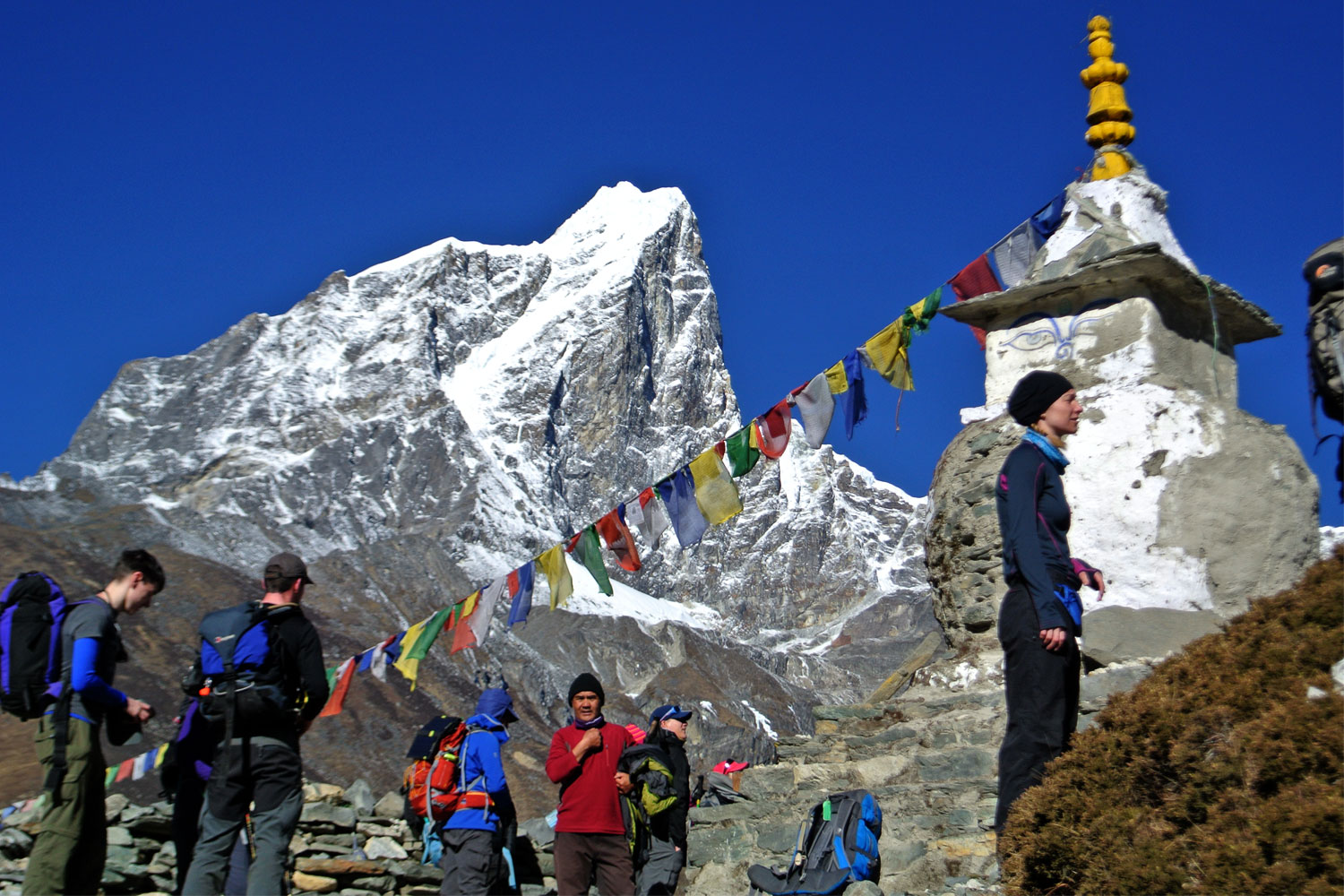
The peak is located in the Khumbu region, home to iconic mountains such as Mount Everest, Mount Lhotse, and Mount Ama Dablam. The stunning views from the summit and the journey through this picturesque region make Lobuche Peak Climbing an unforgettable adventure.
The journey begins with a scenic flight from Kathmandu to Lukla, the gateway to the Everest region. From Lukla, trekkers traverse iconic villages such as Phakding, Namche Bazaar, Tengboche, and Dingboche, heading towards Lobuche.
After successfully summiting Lobuche Peak, climbers descend and retrace their steps back to Kathmandu.
The perfect seasons for Lobuche Peak Climbing are Spring (April–June) and Autumn (October–December). These months offer stable weather, clear skies, and excellent mountain visibility—essential for a safe and successful summit.
✔ Clear and stable weather
✔ Best snow conditions for climbing
✔ Warm daytime temperatures and colder but manageable nights
✔ Higher success rate for Lobuche Peak summit
✔ Stunning sunrise and sunset views from the summit ridge
Climbing in winter becomes extremely cold with heavy snowfall, while monsoon brings rain, clouds, and flight cancellations.
Reaching Lobuche Peak begins with a famous mountain flight to Lukla. From Lukla, climbers follow the classic Everest Base Camp trekking route, which is one of the world’s most beautiful trails.
✔ Fly Kathmandu → Lukla (25–30 minutes)
✔ Trek from Lukla to Phakding, Namche Bazaar, Tengboche, Dingboche
✔ Continue to Lobuche village on the Everest Base Camp trail
✔ Hike to Lobuche High Camp, the starting point of the climb
This route offers perfect acclimatization and prepares the body for high altitude.
To legally climb Lobuche Peak, several permits are required. Peace Nepal Treks manages all paperwork for you.
Required permits:
✔ Lobuche Peak Climbing Permit (NMA Permit)
✔ Sagarmatha National Park Entry Permit
✔ Khumbu Pasang Lhamu Rural Municipality Permit
All permits must be obtained through a registered trekking company with a licensed mountain guide.
Lobuche Peak Climbing is a moderate to challenging trekking peak. It is perfect for motivated beginners and intermediate climbers who want a technical peak before attempting higher mountains.
Main Difficulty Factors:
✔ Altitude (6,119 meters)
✔ Snow and ice climbing using fixed ropes
✔ Cold temperatures during summit morning
✔ Long walking days during the trek
✔ Exposure to changing mountain weather
With proper acclimatization and a trained guide from Peace Nepal Treks, the climb becomes safe and achievable.
Many climbers combine Everest Base Camp (EBC) and Kala Patthar with Lobuche Peak Climbing. This combination is truly the best for acclimatization and adventure.
✔ Perfect altitude preparation
✔ Explore the world-famous Everest Base Camp
✔ Visit Kala Patthar (best view of Mt. Everest)
✔ Enjoy Sherpa culture and beautiful villages
✔ Stronger body adaptation before climbing day
This combination makes the whole journey more meaningful and rewarding.
The final and most exciting part of the climb starts from Lobuche High Camp, usually at 2–3 AM. Climbers make their way up a rocky trail, then onto snow-covered slopes using fixed ropes and proper climbing gear.
✔ Early wake-up and warm tea
✔ Put on climbing gear (crampons, harness, helmet, ascender)
✔ Follow fixed ropes set by guides
✔ Snow and ice climbing sections
✔ Reach the summit ridge for a breathtaking sunrise
✔ See panoramic views of Everest, Lhotse, Ama Dablam, Nuptse, Makalu, Pumori
The summit ridge of Lobuche East offers one of the best Himalayan panoramas in Nepal.
The adventure begins with the dramatic flight from Kathmandu to Lukla, famous for its mountain landing.
The trekking trail to Lobuche Peak is the same as the Everest Base Camp trail, known for culture, scenery, and high altitude beauty.
✔ Sherpa villages (Namche Bazaar, Khumjung)
✔ Tengboche Monastery (largest in the region)
✔ Snow-capped peaks everywhere
✔ Suspension bridges and river valleys
✔ Gradual acclimatization hiking
This is one of the most beautiful trekking routes on Earth.
Proper gear is essential for comfort and safety during Lobuche Peak Climbing. You will need both trekking gear and mountaineering gear.
✔ Down jacket
✔ Thermal layers
✔ Waterproof jacket & pants
✔ Trekking boots
✔ Warm gloves, hat, buff
✔ Sunglasses
✔ Headlamp
✔ Sleeping bag (-15°C / -20°C)
✔ Crampons
✔ Climbing boots
✔ Ice axe
✔ Harness
✔ Ascender (Jumar)
✔ Carabiners
✔ Helmet
✔ Safety ropes (provided by the guide)
Most mountaineering gear can be rented in Kathmandu at affordable prices, making the climb budget-friendly.
Climbing conditions are perfect in these two main seasons:
✔ Warmer temperature
✔ Longer days
✔ Stable snow conditions
✔ Great for first-time climbers
✔ Clear visibility
✔ Stunning mountain views
✔ Less snowfall
✔ Cold but stable weather
These months offer the best climate for a safe summit.
Climbing is possible but extremely cold.
✔ Heavy snow
✔ Strong winds
✔ Risk of altitude issues
✔ Only for advanced climbers
Not recommended.
✔ Rain and cloud cover
✔ Slippery trails
✔ Poor visibility
✔ Frequent Lukla flight cancellations
Climbers can expect a thrilling mix of trekking, climbing, and enjoying the best Himalayan scenery. The trail offers peaceful forests, traditional Sherpa villages, monasteries, glaciers, and high-altitude landscapes.
✔ Sunrise from the summit
✔ Close views of Everest and Ama Dablam
✔ Ice and snow terrain experience
✔ Scenic trekking route to EBC
✔ Sherpa hospitality and culture
Lobuche Peak is known for offering a true mountaineering experience at a comfortable level.
The journey includes world-famous mountain landmarks and cultural highlights:
Major Attractions:
✔ Namche Bazaar – the Sherpa capital
✔ Tengboche Monastery – spiritual Sherpa center
✔ Everest Base Camp – iconic mountaineering camp
✔ Kala Patthar – best Everest viewpoint
✔ Khumbu Glacier – massive ice fields
✔ Lobuche High Camp and Summit – ultimate highlight
Every day offers something new and inspiring.
Solo climbing is not allowed for Lobuche Peak.
✔ A licensed climbing guide
✔ A registered trekking company
✔ Proper permits
This rule ensures climber safety and proper mountain management.
Accommodation is comfortable during the trek and simple during the climb.
✔ Twin-sharing rooms
✔ Warm dining halls
✔ Hot meals and drinks
✔ Charging and Wi-Fi available in major villages
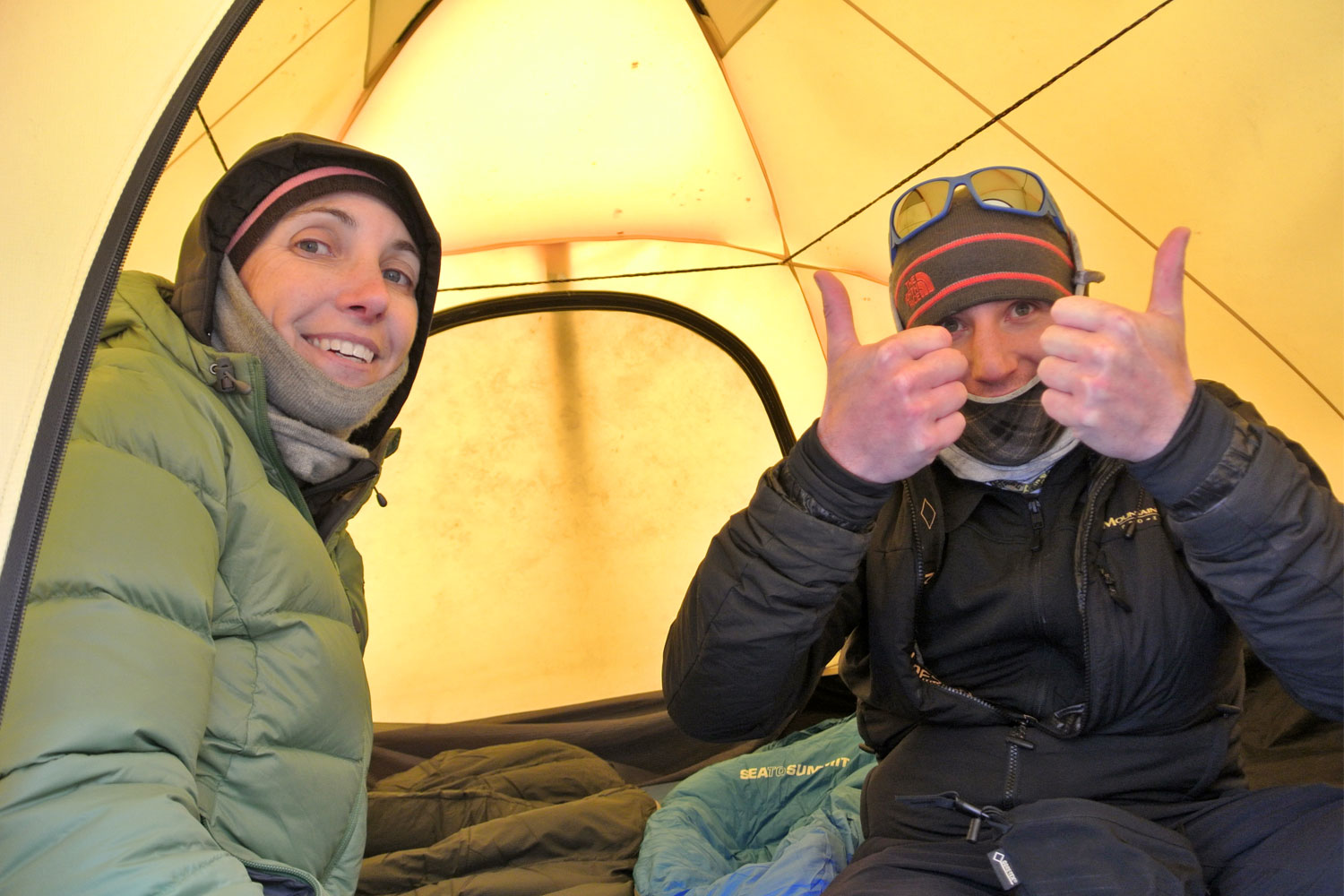
✔ Sleeping tents
✔ Dining tent
✔ Kitchen tent
✔ Hot meals prepared by the climbing staff
This combination gives comfort during the trek and safety during the climb.

We provide airport pick-up and arrange your hotel stay. Our team will be waiting for you with a name board and the Peace Nepal Treks sign for easy identification.
Fly from Kathmandu to Lukla (Tenzing Hillary Airport, 2,800m) and enjoy stunning Himalayan views. After landing, you’ll meet locals and see trekkers heading to or returning from Everest.
From Lukla, trek along the Dudh Koshi River, crossing colorful bridges and passing rhododendron and pine forests. Small villages with scenic views lead to your destination, Phakding.
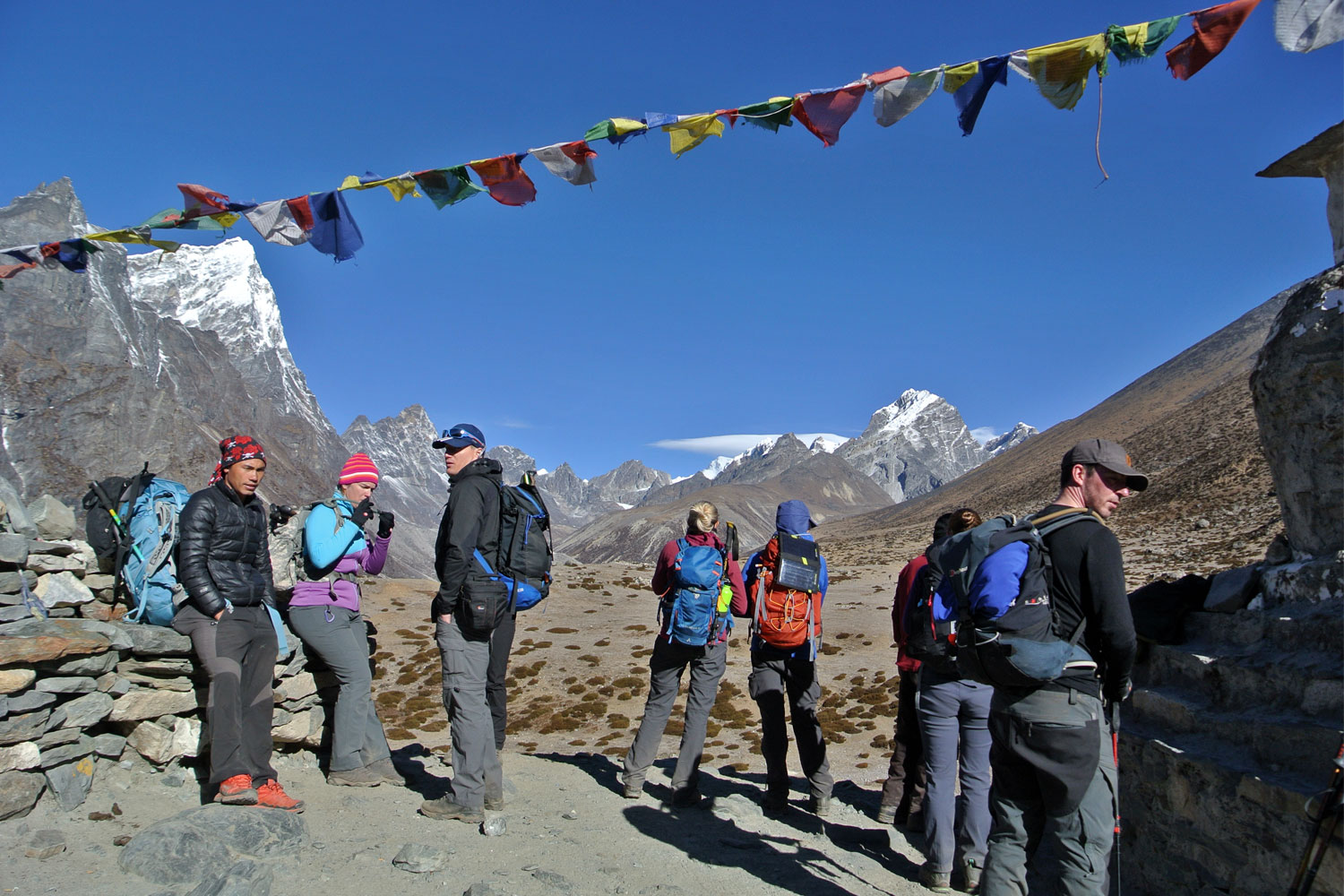
Today, we trek to Namche Bazaar, the gateway to the Everest region. Along the way, we'll cross suspension bridges, pass prayer flags, and visit gompas. The journey becomes more scenic as we approach the Sherpa settlements and Namche Bazaar.
On your acclimatization day in Namche, you can explore the town, visit the Everest View Hotel for stunning mountain views, and explore the local museums. Overnight stay in Namche.
Trek from Namche to Tengboche, taking in breathtaking views of the Himalayas along the way. As you walk through rhododendron forests and small villages, you’ll reach Tengboche, home to the famous Tengboche Monastery. Overnight stay in a lodge.
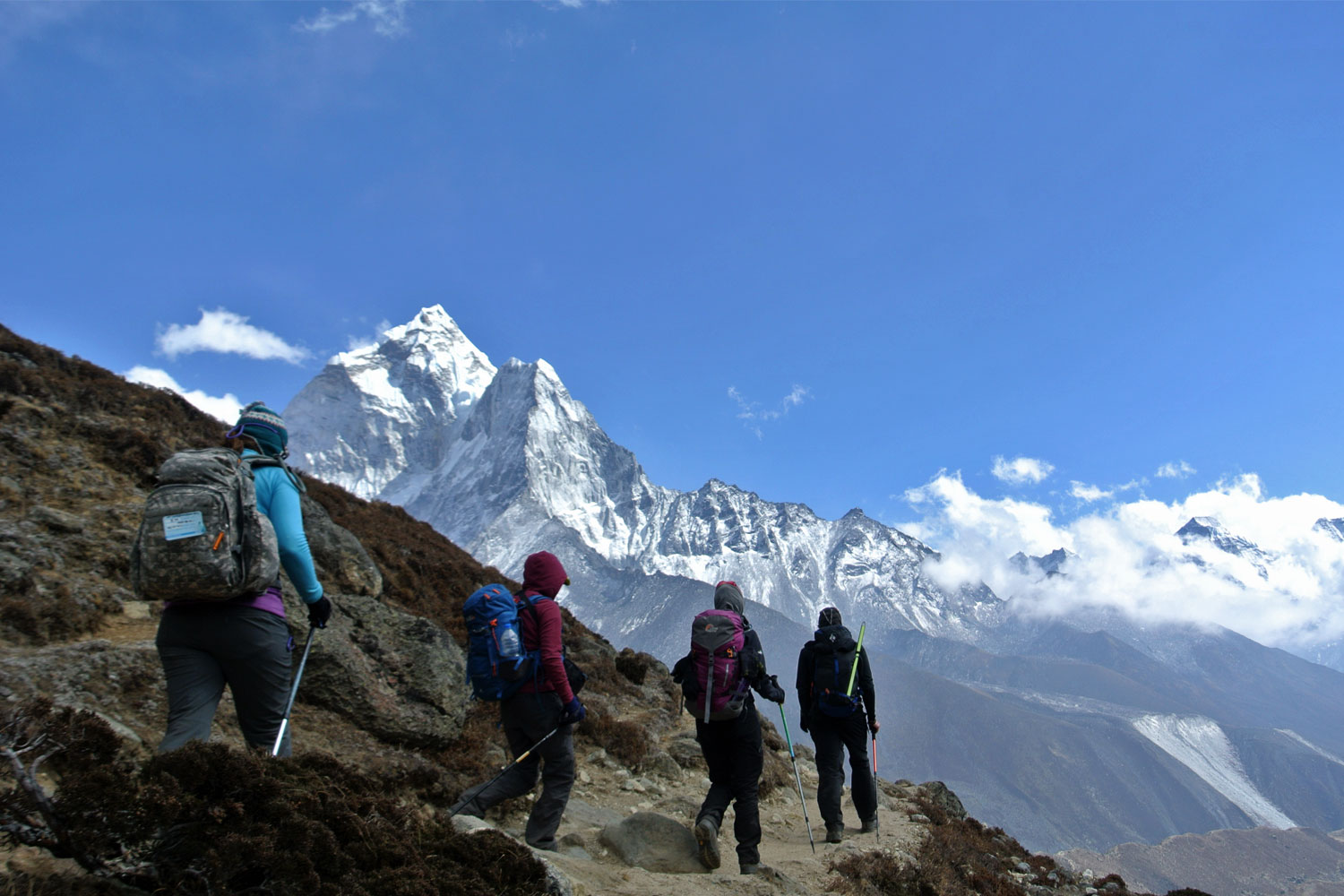
Trek from Tengboche to Dingboche, passing through beautiful alpine landscapes and small Sherpa villages. The route offers stunning views of the surrounding peaks, including Ama Dablam. Overnight stay in Dingboche.
On your rest day in Dingboche, you'll take a short hike to a higher altitude, such as Nagarjun Hill, to help your body adjust to the elevation. The hike offers panoramic views of nearby peaks like Lhotse, Makalu, and Ama Dablam. Afterward, you can relax and explore the village, enjoy the peaceful atmosphere, and prepare for the next stage of your trek.
Trek from Dingboche to Lobuche, passing through stunning landscapes with views of towering peaks like Pumori and Nuptse. As you walk along the rugged terrain, you'll be surrounded by alpine meadows and glaciers, making it an unforgettable experience. The trail gradually ascends, offering a glimpse of the high-altitude beauty before reaching Lobuche for an overnight stay.
Trek from Lobuche to Gorakshep (about 5 km, 3-4 hours), passing through rocky paths and glaciers with spectacular mountain views. After reaching Gorakshep, take a short break before continuing the hike to Everest Base Camp (about 4 km, 2-3 hours). The trail leads you to the iconic Base Camp, offering an unforgettable experience at the foot of the world’s highest peak. Return to Gorakshep for an overnight stay.
Start the day with an early morning hike to Kalapatthar (5,545m), a popular viewpoint offering panoramic views of Mount Everest and the surrounding peaks. After soaking in the breathtaking sunrise and mountain scenery, trek back to Gorakshep. Then, continue your journey down to Lobuche (about 7 km, 4-5 hours), descending through rugged terrain and enjoying the changing landscape as you head back. Stay overnight in Lobuche after an unforgettable day.
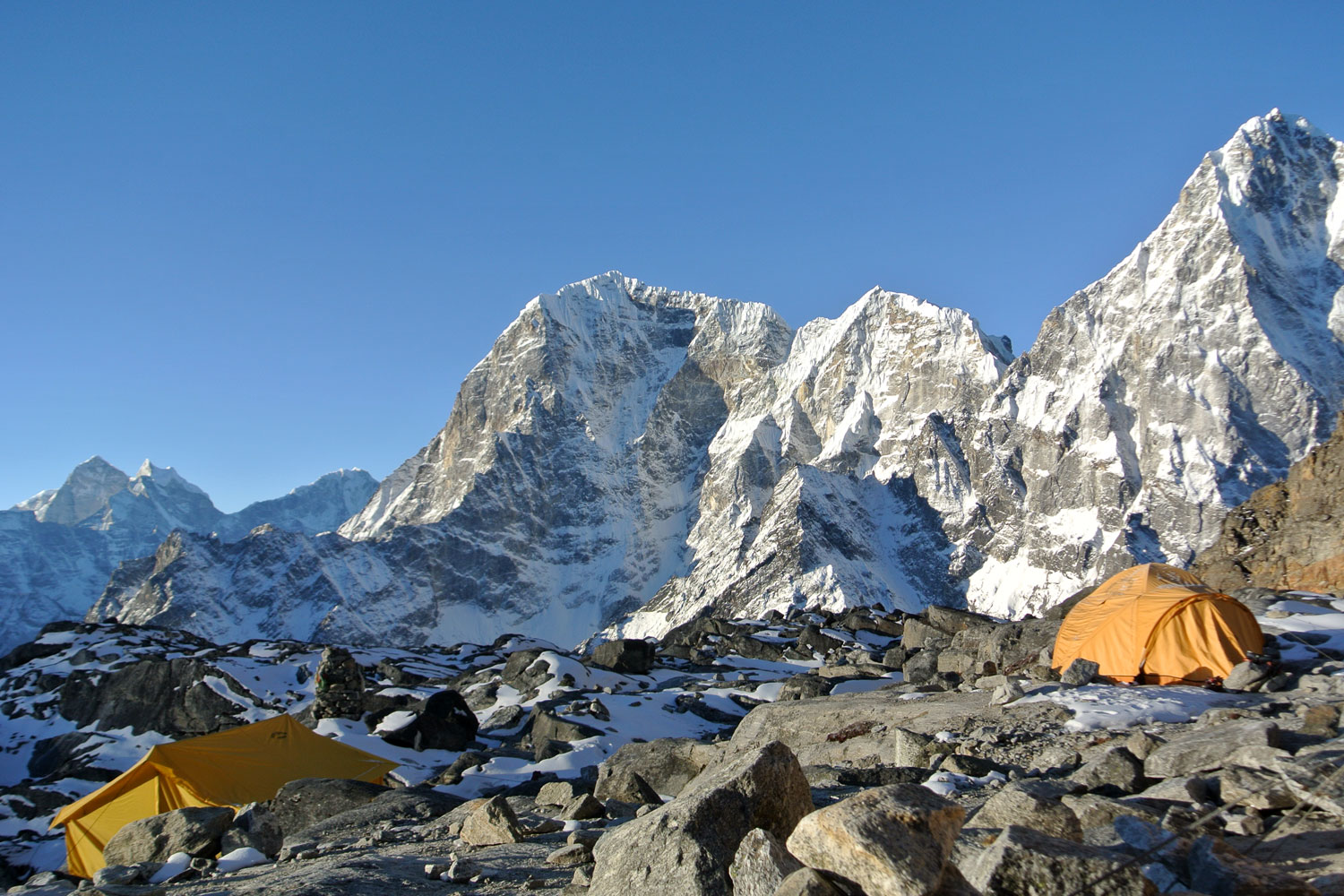
Trek from Lobuche to Lobuche Base Camp (about 6-7 km, 4-5 hours), climbing through rocky terrain and glacier moraines. As you make your way up, enjoy stunning views of towering peaks like Ama Dablam and Nuptse. The trail leads to Lobuche Base Camp, where you will set up a tented camp for the night. The Base Camp offers a perfect setting to prepare for the climb ahead and immerse yourself in the spectacular Himalayan surroundings.
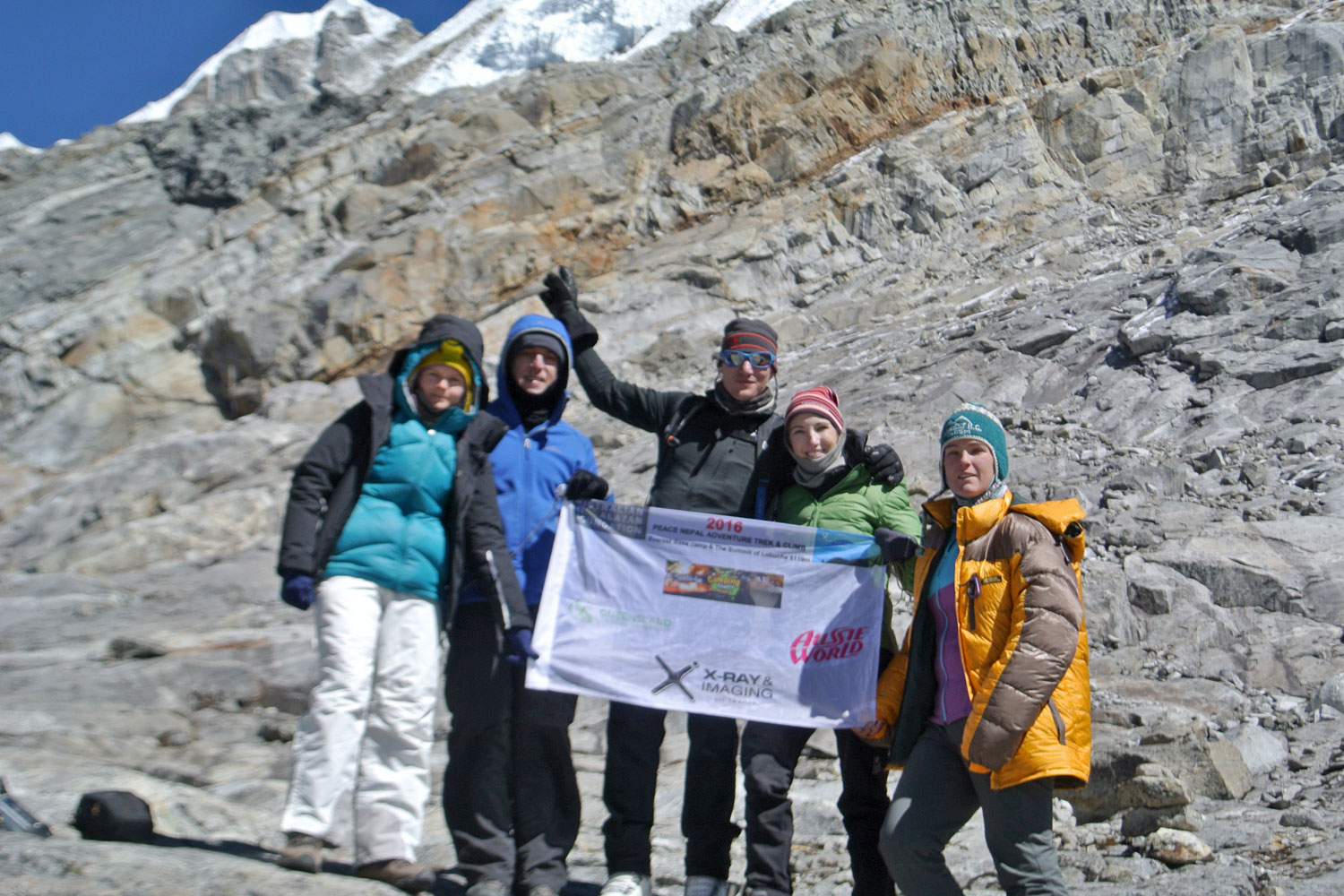
After an early start, begin your ascent of Lobuche East 6,119M, navigating through snow, ice, and challenging terrain. The climb requires technical skills, and with the guidance of experienced guides, you'll reach the summit, where you'll be rewarded with breathtaking panoramic views of Everest, Lhotse, Nuptse, and other surrounding peaks. After celebrating your success, descend back to Lobuche Base Camp, then continue your trek down to Lobuche village for an overnight stay in a comfortable lodge, reflecting on your achievement.
After your summit of Lobuche East, begin your trek back, descending from Lobuche to Tengboche (about 6-7 hours, 10-12 km). The route offers stunning views as you pass through picturesque villages, forests, and cross suspension bridges over the Dudh Koshi River. As you approach Tengboche, you'll be welcomed by views of towering peaks, including Ama Dablam. Stay overnight in a lodge in Tengboche, where you can rest and reflect on your incredible journey.
Trek from Tengboche to Namche Bazaar (about 6-7 hours, 10-12 km), descending through scenic forests of pine and rhododendron, with occasional views of Everest and other majestic peaks. Along the way, cross suspension bridges over the Dudh Koshi River and pass small Sherpa villages. The trail gradually leads to the bustling hub of Namche Bazaar, where you can enjoy the lively atmosphere and reflect on your journey. Stay overnight in Namche Bazaar.
Trek from Namche Bazaar to Lukla (about 6-7 hours, 10-12 km), descending through beautiful forests, crossing suspension bridges, and passing traditional Sherpa villages. The trail offers stunning views of the surrounding mountains as you make your way back towards Lukla. Once you reach Lukla, enjoy the sense of accomplishment after completing your trek to the Everest region. Stay overnight in Lukla, where you'll prepare for your flight back to Kathmandu the following day.
e Himalayas.
Take a flight from Lukla back to Kathmandu. Once you arrive, a transfer will be arranged to take you to your hotel in Kathmandu, where you can relax and enjoy the rest of your time in the city.
City Sightseeing: Entrance fees, transportation, and guide charges for Kathmandu city tours.
International Flights & Visa Fees: Airfare for your international flights and Nepal entry visa fees, which are
Food During Tea House Trek: Meals at tea houses are not included and can cost approximately USD35 per person per day. Guests can choose meals from the menu at each tea house.
Lobuche Peak Climbing is a thrilling mountaineering adventure in the Everest Region, located near Lobuche village and Everest Base Camp. Standing at an impressive 6,119 meters, Lobuche East offers both technical climbing sections and rewarding summit views of Mount Everest, Lhotse, Nuptse, Ama Dablam, and Pumori. Many climbers choose Lobuche Peak because it combines a classic Everest Base Camp Trek with Lobuche Peak climbing, making it a perfect climb for those who want to experience both trekking and mountaineering in the Khumbu region. Peace Nepal Treks provides safe logistics, Sherpa climbing support, and a detailed Lobuche Peak itinerary suitable for both beginners and semi-experienced climbers.
Lobuche Peak elevation is 6,119 meters above sea level, making it one of Nepal’s most sought-after trekking peaks. Climbing Lobuche East involves steep snow slopes, glacier travel, rope sections, and fixed lines. It is considered more technical than Island Peak but still achievable for beginners with strong fitness. Peace Nepal Treks provides acclimatization days, training sessions at Lobuche High Camp, and professional Sherpa guides to ensure safe summit success.
When comparing Lobuche Peak vs Mount Everest, Lobuche Peak is significantly lower, far less technical, and does not require extreme expedition-style climbing. Mount Everest requires months of preparation, supplemental oxygen, and high-level expertise, while Climbing Lobuche East can be completed in 18–22 days with basic climbing training. However, both peaks share the same Khumbu region, meaning Lobuche Peak allows climbers to enjoy Everest views without the extreme risks and costs.
Lobuche village altitude is approximately 4,940 meters (16,207 ft) and plays a crucial role in the acclimatization process. It is the last major settlement before reaching Everest Base Camp and Lobuche High Camp. Trekkers spend a night here to adjust to the altitude before ascending further. Peace Nepal Treks arranges comfortable teahouse accommodation and provides daily health checks to monitor acclimatization.
Lobuche High Camp (approximately 5,400 meters) is the final camping point before summit day. The camp is set on rocky terrain with dramatic views of Everest, Nuptse, and Lhotse. Climbers receive training in rope skills, crampon walking, and ice axe use at High Camp. Temperatures can drop below –15°C at night, but Peace Nepal Treks provides warm tents, proper meals, and professional support to prepare climbers for the summit push.
A standard Lobuche Peak itinerary includes trekking through the Everest region—Lukla, Namche Bazaar, Tengboche, Dingboche, Lobuche village, Gorakshep, and Everest Base Camp—before the climb. Most programs follow this pattern:
Trek to EBC and Kala Patthar
Return to Lobuche village
Move to Lobuche High Camp
Summit Lobuche Peak the next morning
Peace Nepal Treks creates customized itineraries to match the client’s fitness and acclimatization needs.
The Lobuche Peak climbing cost depends on group size, service level, and season. Costs usually include permits, climbing Sherpa guide, accommodation, meals during the climb, domestic flights, climbing equipment (group gear), High Camp logistics, and emergency arrangements. Peace Nepal Treks offers competitive pricing with high-quality services, making it one of the best value options for Lobuche Peak climbing in Nepal.
Yes, the Lobuche Peak climbing cost for Nepali climbers is significantly lower compared to international climbers because Nepali citizens enjoy discounted NMA permit fees and domestic pricing. Peace Nepal Treks offers special rates for Nepali groups or mountaineering clubs wanting to climb Lobuche Peak with professional Sherpa support.
Yes, a Lobuche Peak climbing map clearly shows the trekking route through the Everest region, the turn-off from Lobuche village, the trail to High Camp, and the summit approach. Many maps also include the Lobuche Peak climbing and Everest map, which highlights both the EBC trek trail and the mountaineering route to the peak. Peace Nepal Treks provides maps during the briefing session.
Climbing Lobuche East is considered more technical than Mera Peak and Island Peak due to steeper slopes, mixed snow and rock sections, and fixed rope climbing. However, with proper acclimatization and Sherpa guidance, climbers with good fitness and determination can successfully reach the summit. It is an excellent training peak for future 7,000m or 8,000m expeditions.
Yes, beginners can climb Lobuche Peak if they have good physical fitness and follow proper acclimatization. Peace Nepal Treks provides full pre-climb training at Lobuche High Camp, teaching how to use crampons, harness, jumar, and descend safely with fixed ropes.
Most expeditions take 18–22 days, depending on whether climbers combine it with the Everest Base Camp Trek with Lobuche Peak climbing. A shorter version is possible for those who are already acclimatized.
Climbers need a Nepal Mountaineering Association (NMA) permit for Lobuche East, Sagarmatha National Park permit, and a Khumbu Pasang Lhamu Rural Municipality permit. Peace Nepal Treks handles all paperwork and logistics.
On the trekking portion, climbers stay in comfortable teahouses. During the climb, accommodation is in tents at Lobuche High Camp. Peace Nepal Treks provides 4-season tents, mattresses, and high-altitude meals.
Essential equipment includes crampons, ice axe, harness, helmet, jumar, down jacket, mountaineering boots, and thermal layers. Peace Nepal Treks provides group gear like ropes, ice screws, fixed lines, and tents.
While not mandatory, doing the Everest Base Camp Trek with Lobuche Peak climbing greatly improves acclimatization. Many climbers choose this combined package for better altitude adaptation and enhanced mountain views.
Summit day begins around 2:00 AM. Climbers use headlamps, fixed ropes, and crampons to ascend steep snow slopes. The climb involves glacier travel, rope sections, and a final ridge leading to the 6,119m summit. The sunrise view of the Everest range is extraordinary.
With proper acclimatization and expert Sherpa support, Lobuche Peak is considered safe. Peace Nepal Treks ensures daily health checks, weather monitoring, and full climbing safety management.
Peace Nepal Treks maintains a high summit success rate, thanks to experienced climbing Sherpas, well-planned itineraries, and strong support at High Camp.
The best seasons are spring (March–May) and autumn (September–November) when weather conditions are stable, skies are clear, and temperatures are moderate.
Temperatures at Lobuche High Camp can drop to –10°C to –20°C depending on the season. Summit mornings are extremely cold but clear.
Very important. The itinerary typically includes acclimatization days in Namche Bazaar and Dingboche, plus the Everest Base Camp trek before climbing. Proper acclimatization reduces the risk of altitude sickness.
Teahouse meals are served during the trek, while freshly prepared hot meals are served at High Camp. Peace Nepal Treks sends an experienced cook with the climbing crew.
Yes. Tea houses provide boiled water, and at High Camp the team provides purified and boiled water. Climbers may also bring purification tablets.
Travel insurance must include high-altitude rescue coverage up to 6,500m, helicopter evacuation, and medical care. Peace Nepal Treks also provides insurance for Nepali staff.
Climbers should have good cardiovascular fitness, stamina, and the ability to walk 5–7 hours daily. No previous technical climbing is required, but training helps.
The Lobuche Peak climbing and Everest map shows the entire route from Lukla to Namche Bazaar, Tengboche, Dingboche, Lobuche village, and the climbing route to High Camp and the summit. It helps climbers visualize the journey.
No, climbing without a certified guide is unsafe and not allowed by Nepal’s mountaineering regulations. Lobuche Peak requires rope fixing, glacier navigation, and technical guidance.
Lobuche Peak offers more technical climbing than Island Peak and provides closer views of Everest. It is also an ideal training peak for future 7,000m and 8,000m climbs like Ama Dablam or Everest.
Peace Nepal Treks provides licensed Sherpa climbers, high-quality equipment, well-designed itineraries, fair pricing, full safety management, and personalized support. Their expertise in Lobuche Peak climbing and their excellent service make them one of Nepal’s most trusted companies for peak climbing.
Here’s a checklist of recommended gear specifically for Lobuche Peak climbing. This list is based on our extensive climbing experience to ensure you’re well-prepared for the trek and summit.
Important Note: Bring essential items from home, but climbing and trekking gear can also be rented or purchased in Kathmandu. Porters can carry up to 20kg, while climbers should carry a light daypack (8-12kg) with items like water, snacks, and a camera for easy access.

Personal Items
This comprehensive checklist ensures you’re equipped for a safe, comfortable, and successful climb of Lobuche Peak.
Climbing Lobuche Peak (6,119m) is an exhilarating experience, but the timing of your adventure can greatly affect the difficulty and enjoyment of the journey. The best months for climbing are divided into two main seasons: Spring (March to May) and Autumn (September to November). Each season offers unique advantages and challenges, catering to climbers of varying experience levels.
Spring is one of the most popular times to climb Lobuche Peak. The weather is generally stable, with moderate temperatures and clear skies, making it perfect for trekking and climbing.
Advantages:
Comfortable Weather: Daytime temperatures are mild, with evenings and nights being cold but manageable.
Clear Views: The surrounding mountains and landscapes are at their most picturesque.
Blossoming Rhododendrons: Trekking trails are adorned with colorful rhododendron forests.
Less Wind: Wind conditions on the summit are relatively calmer compared to other seasons.
Ideal for Beginners: The snow is more compact, providing better grip for climbing.
Challenges:
Requires early booking due to high demand.
Autumn Season (September to November): Perfect for Clear Skies and Crisp Weather
Autumn is another excellent time for climbing. After the monsoon rains, the air is clean, and the skies are crystal clear, offering breathtaking views of the Himalayas.
Advantages
Stable Weather: Minimal chances of rain or snow, ensuring safer climbing conditions.
Crystal-Clear Views: The most stunning panoramic views of Everest and surrounding peaks.
Festive Atmosphere: Autumn coincides with Nepal’s major festivals like Dashain and Tihar, adding cultural richness to your trip.
Challenges:
Nights are colder compared to spring, especially at higher altitudes.
Slightly busier trails due to peak trekking season.
Difficult Months: Winter and Monsoon
Winter (December to February):
Climbing in winter is extremely challenging due to freezing temperatures, heavy snowfall, and icy trails. It is suitable only for experienced climbers seeking a tougher adventure.
Monsoon (June to August)
Monsoon brings heavy rains, making trails slippery and increasing the risk of landslides. Cloudy weather also limits mountain views.
Conclusion
For a comfortable and enjoyable climb, Spring (April to May) and Autumn (October to November) are the best months. If you’re an experienced climber looking for solitude and added challenges, winter might be an option. However, the monsoon season is not recommended for climbing Lobuche Peak.
Choose the right season based on your skill level and expectations to ensure a safe and unforgettable Himalayan adventure!
Want to experience the Himalayas with just your group of friends or family? Great news—we offer fully customized private adventures designed around your preferences, pace, and schedule.
Whether you're planning a Pisang Peak climb, Lobuche expedition, or any Himalayan trek, our Private Adventure team is ready to assist with:
Let us help you turn your dream Himalayan journey into reality—just the way you want it!
Travel insurance is mandatory for anyone participating in the Lobuche Peak Climbing expedition with Peace Nepal Treks. Your insurance policy must specifically cover:
Please ensure your insurance is valid throughout the entire duration of your trip. Bring a physical copy with you and share a digital copy with our team in advance—this allows us to act quickly and make necessary arrangements in case of any emergency.
Enjoy the popular trekking and tour packages in Nepal Himalayas. 2025.
6000m Peak Climbing 19 Days
Larkya Peak Climbing- 6,219 M6000m Peak Climbing 11 Days
Kusum Kangaru Climbing - 6,369 M© 2011 - 2025 All rights reserved. Peace Nepal Treks.