Everest Base Camp Trek with Mani Rimdu Festival – A Cultural & Spiritual Adventure
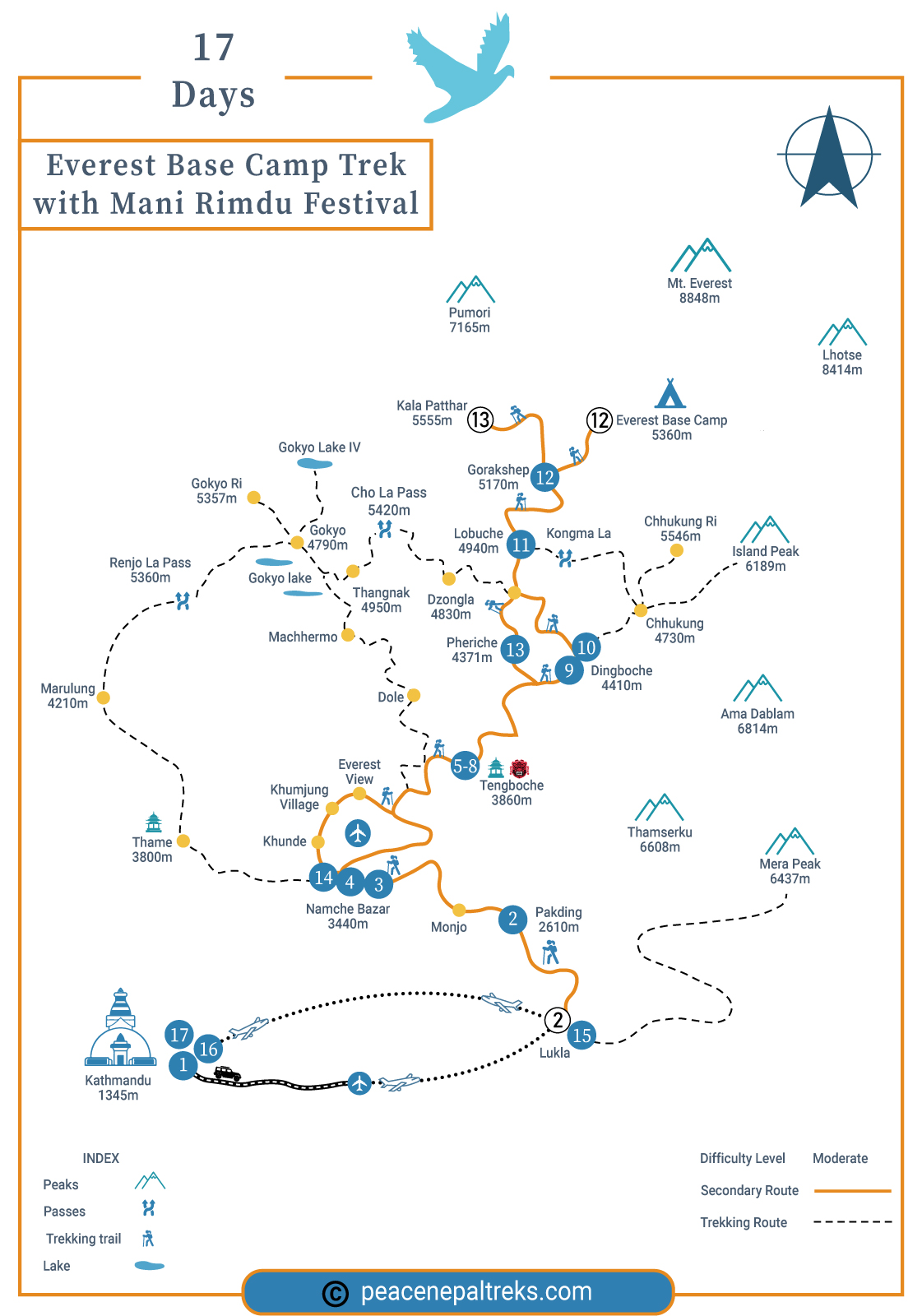
The Everest Base Camp Trek is the ultimate adventure for trekkers around the world, offering a chance to walk among the towering peaks of the Himalayas and witness the grandeur of Mount Everest (8,848 m). But if you plan your journey during the Mani Rimdu Festival, the trek becomes much more than a physical challenge—it becomes a cultural and spiritual journey.
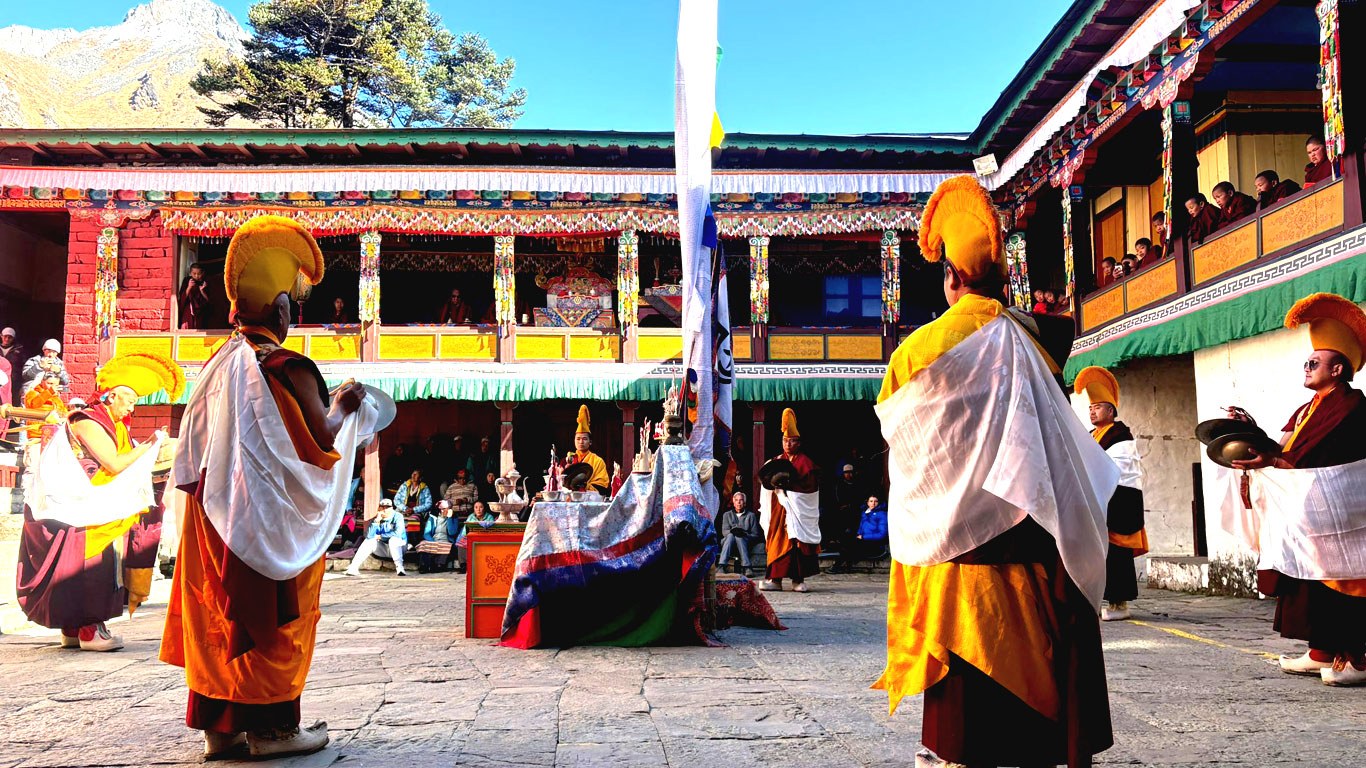
The Mani Rimdu Festival, celebrated at Tengboche Monastery, is one of the most important Buddhist festivals in the Everest region. It brings together local Sherpa communities and visitors from around the world to participate in three days of prayers, colorful dances, masked performances, and traditional rituals.
By combining the trek to Everest Base Camp with the Mani Rimdu Festival, you experience the best of both worlds—adventure and spirituality.
- Tengboche Monastery Experience: Witness the main ceremonies of Mani Rimdu, including colorful masked dances, symbolic rituals, and Buddhist chants performed by monks.
- Cultural Immersion: Interact with the Sherpa people and learn about their traditions, customs, and spiritual life deeply connected with Tibetan Buddhism.
- Breathtaking Scenery: Trek through Sagarmatha National Park, enjoying panoramic views of Everest (8,848m), Lhotse, Ama Dablam, and Thamserku.
- Spiritual Blessings: Participate in prayers and receive blessings from monks, which are believed to bring peace and good fortune.
- Authentic Sherpa Villages: Explore famous settlements like Namche Bazaar and Dingboche, where the Sherpa culture thrives.
History of Mani Rimdu Festival
The Mani Rimdu Festival traces its origins to the ancient teachings of Tibetan Buddhism. It was first performed in Tibet and later brought to Nepal by revered Buddhist monks, following the lineage of Guru Rinpoche (Padmasambhava). The festival has been celebrated for centuries at major monasteries in the Everest region, especially Tengboche Monastery, the spiritual center of the Khumbu Valley.
Meaning of Mani Rimdu:
The name “Mani Rimdu” is derived from two words:
- ‘Mani’ refers to the sacred chant of Om Mani Padme Hum, associated with Chenrezig (Avalokiteshvara), the embodiment of compassion.
- ‘Rimdu’ means a series of religious ceremonies and dances.
The festival is a symbolic representation of the victory of good over evil and the spread of Buddhism’s positive energy across the world. Over time, it has become not only a spiritual event but also a cultural highlight for trekkers and Sherpas alike.
When and Why Mani Rimdu is Celebrated
When is Mani Rimdu Festival?
The festival is celebrated during the ninth Tibetan lunar month, which usually falls in October or November. The timing is significant because it follows the autumn harvest season and coincides with Nepal’s peak trekking season. Clear skies and stable weather conditions make it a perfect time to combine trekking with the festival.
Why is it Celebrated?
The Mani Rimdu Festival honors the establishment of Buddhism by Guru Rinpoche and is intended to bring spiritual blessings, peace, and prosperity. The ceremonies are performed to cleanse the environment of negative energies and to bless all living beings. The monks of Tengboche Monastery perform sacred dances and rituals to invoke deities, symbolizing the triumph of wisdom and compassion over ignorance and evil forces.
Highlights of Everest Base Camp Trek with Mani Rimdu Festival
1. Witness Sacred Mask Dances
The highlight of Mani Rimdu is the Cham dances, performed by monks wearing intricate masks and colorful costumes. These dances depict ancient Buddhist stories of good versus evil and are accompanied by traditional music.
2. Tengboche Monastery Celebrations
Tengboche Monastery, perched at 3,867 meters, offers a breathtaking setting with views of Ama Dablam, Lhotse, and Everest. Watching the Mani Rimdu rituals against this backdrop is a spiritual and visual treat.
3. Sherpa Cultural Experience
The festival attracts Sherpa families from all over the Khumbu Valley. It’s a chance to see their traditional attire, listen to local chants, and engage with their warm hospitality.
4. Everest Base Camp Adventure
Before or after the festival, trekking to Everest Base Camp (5,364 m) and Kalapatthar (5,545 m) gives you jaw-dropping views of Everest and its neighboring peaks.
5. Spiritual Blessings
Visitors receive blessings from the Rinpoche (the head lama of Tengboche), which are believed to bring peace, good health, and happiness.
Why Combine Everest Base Camp Trek with Mani Rimdu?
- A Deeper Cultural Connection: While the Everest Base Camp Trek alone is extraordinary, experiencing Mani Rimdu allows trekkers to understand the spiritual side of the region.
- Perfect Trekking Season: October and November are ideal for clear skies and moderate temperatures, ensuring both great festival experiences and trekking conditions.
- Unique Photography Opportunities:The colorful festival, combined with snow-capped mountains, offers rare photography moments that go beyond typical trekking photos.
- Memorable Local Interactions: Attending the festival brings you closer to Sherpa traditions, offering a glimpse into their religious practices and community life.
Ceremonies and Rituals of Mani Rimdu
The Mani Rimdu Festival is celebrated for 19 days, but the last three days are open to the public, which coincide with the trekker’s visit.
Some key rituals include:
Sand Mandala Creation: Monks create a stunning mandala using colored sand as part of a meditation ritual. The mandala is later dismantled to symbolize the impermanence of life.
Fire Puja (Ceremony): A ritual is performed to ward off evil spirits and purify the surroundings.
Mask Dances (Cham): The masked dances performed by monks are a major attraction, each representing Buddhist stories and teachings.
Worship of Guru Rinpoche: The ceremonies honor Guru Rinpoche, who brought Buddhism to Tibet and the Himalayan region.
Sherpa Culture and Mani Rimdu
The Sherpas are deeply connected to Tibetan Buddhism, and Mani Rimdu is a reflection of their faith. The festival is not just a religious occasion but also a social gathering for Sherpa families, bringing together generations to celebrate their heritage. Trekkers attending Mani Rimdu gain a unique cultural insight into the spiritual life of the Khumbu region, which complements the physical challenge of reaching Everest Base Camp.
Best Time to Trek During Mani Rimdu
The best time to combine the Everest Base Camp Trek with Mani Rimdu Festival is October to early November. During this period:
- The festival is celebrated (dates vary each year based on the Tibetan calendar).
- The skies are clear, providing excellent mountain views.
- The trails are alive with trekkers, making the atmosphere vibrant and festive.
Tips for Attending Mani Rimdu Festival
Check Festival Dates: Confirm the exact dates of Mani Rimdu as they change annually.
Book in Advance: Lodges near Tengboche Monastery fill up quickly during the festival. Early booking is recommended.
Respect Monastery Etiquette: Dress modestly, remove hats and shoes when entering monasteries, and avoid disturbing ongoing ceremonies.
Be Prepared for Altitude: Tengboche is at 3,867 m. Acclimatization during the trek is crucial before attending the festival.
Photography Etiquette: Always ask for permission before taking close-up pictures of monks or rituals.
The Everest Base Camp Trek with Mani Rimdu Festival offers an unparalleled combination of natural beauty, adventure, and cultural immersion. It’s not just about reaching the base camp of the world’s highest mountain but also about understanding the spiritual heartbeat of the Sherpa community. From the masked dances at Tengboche Monastery to the awe-inspiring views of Everest, every moment of this journey is filled with wonder and meaning.