Embark on a transformative journey to the mystical land of Upper Mustang, Nepal, during the revered Tiji Festival in 2026/2027. This remarkable trek combines cultural immersion, ancient rituals, breathtaking Himalayan landscapes, and the vibrant celebration of good triumphing over evil. Scheduled from May 14 to May 16, 2026 and expected Festival Dates: Around May 12–14, 2027, the Tiji Festival offers a once-in-a-lifetime experience that unveils the spiritual and historical depths of the remote Mustang region.
Tiji, short for "Tenpa Chirim," meaning "Prayer for World Peace," is a Tibetan Buddhist festival rooted in the 17th-century legend of Dorje Jono. This deity is believed to have fought and defeated his demon father, Ma Tam Ru Ta, who wreaked havoc across Mustang through droughts, diseases, and destruction. The festival symbolizes the victory of virtue over vice and serves as a purification ritual to usher in peace, harmony, and prosperity.
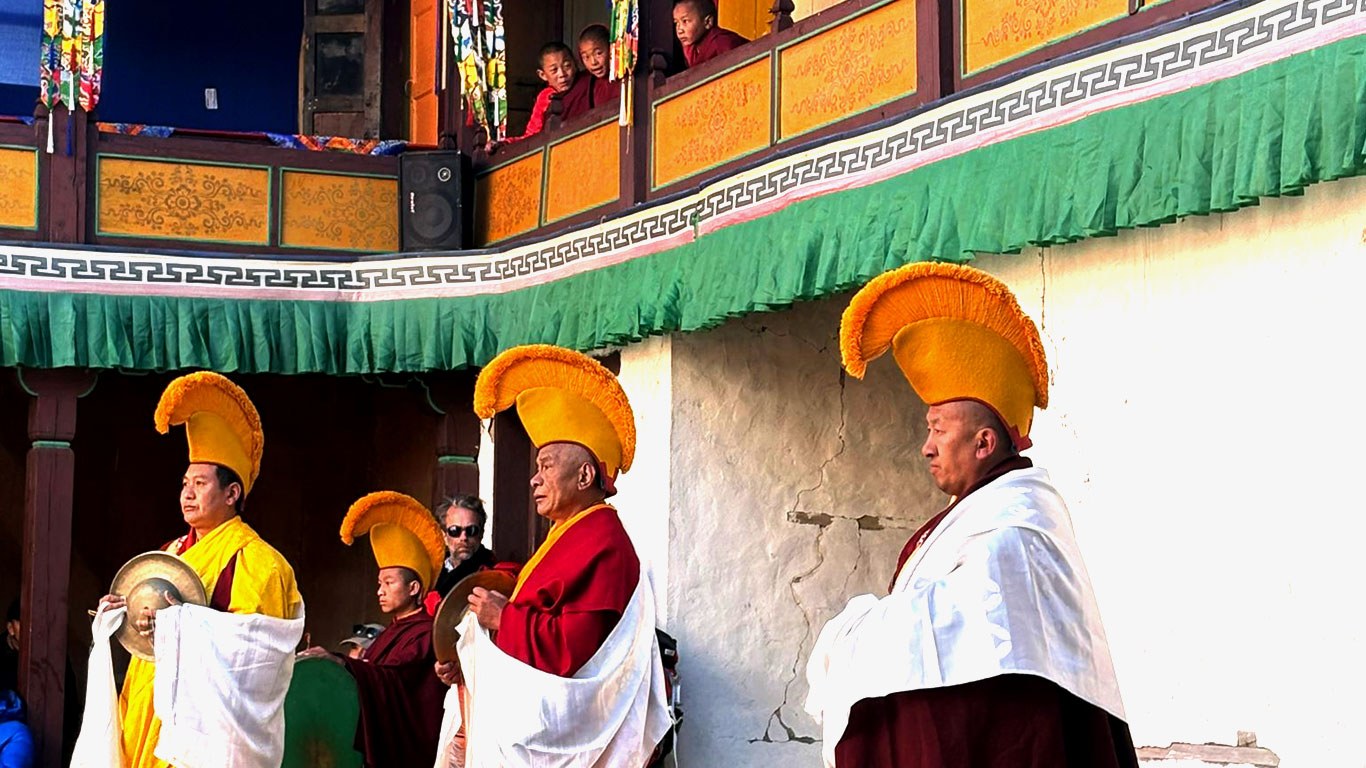
The three-day event is centered around Vajrakila rituals held in Lo Manthang's Chode Gompa. Monks clad in vivid robes and masks perform sacred dances, including the dramatic Tso Chham and Rha Chham, each narrating pivotal moments in the mythological tale.
The festival unfolds in Lo Manthang, the ancient walled capital of Upper Mustang. Nestled at an altitude of 3,840 meters, this city retains its medieval charm, featuring labyrinthine alleys, whitewashed mud-brick houses, and towering monasteries. Once part of the independent Kingdom of Lo, Lo Manthang remains a bastion of Tibetan culture and spirituality.
During the festival, the royal courtyard becomes a vibrant stage where monks, locals, and international trekkers congregate. The presence of the royal family and traditional ceremonies further enrich the cultural authenticity of the celebration.
The Tiji Festival Trek typically spans 17 to 18 days, beginning and ending in Kathmandu. Here's a glimpse into the enriching itinerary:
Day 1 : Arrival in Kathmandu (1,400m) – Welcome to Nepal
Day 2 : Kathmandu Sightseeing & Trek Preparation
Day 3 : Drive Kathmandu → Pokhara (820m) – 6 to 7 Hours
Day 4 : Drive Pokhara → Jomsom (2,720m) → Kagbeni (2,810m) – 6 to 7 Hours
Day 5 : Trek Kagbeni → Chele (3,050m) – 5 to 6 Hours
Day 6 : Trek Chele → Syanbochen (3,475m) – 6 to 7 Hours
Day 7 : Trek Syanbochen → Ghami (3,520m) – 10 km – 5 to 6 Hours
Day 8 : Trek Ghami → Charang (3,560m) – 11 km – 5 to 6 Hours
Day 9 : Trek Charang → Lo-Manthang (3,840m) – 12 km – 5 to 6 Hours + Tiji Festival Day 1
Day 10 : Explore Lo-Manthang & Tiji Festival Day 2
Day 11 : Final Day of Tiji Festival – Cultural Immersion
Day 12 : Trek Lo-Manthang → Dhakmar (3,820m) – 13 km – 6 to 7 Hours
Day 13 : Trek Dhakmar → Ghiling (3,570m) – 11 km – 4 to 5 Hours
Day 14 : Trek Ghiling → Chhusang (3,924m) – 13 km – 6 to 7 Hours
Day 15 : Trek Chhusang → Muktinath (3,800m) via Gyu La Pass (4,077m) – 9 km – 4 Hours
Day 16 : Trek Muktinath → Jomsom via Lupra Valley – 12 km – 5 to 6 Hours
Day 17 : Drive or Fly Jomsom → Pokhara
Day 18 : Fly or Drive Pokhara → Kathmandu (30 Minutes Flight)
Day 19 : Final Departure – Farewell From Peace Nepal Treks
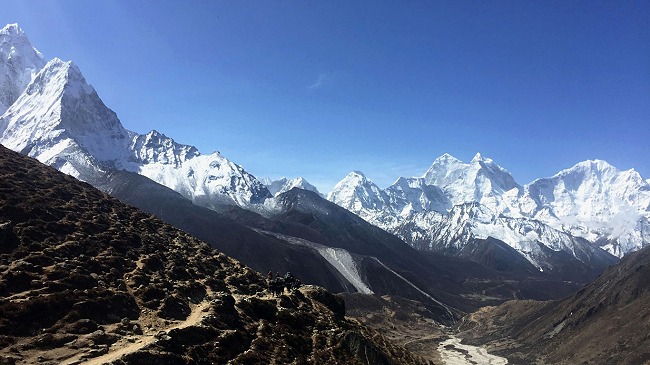
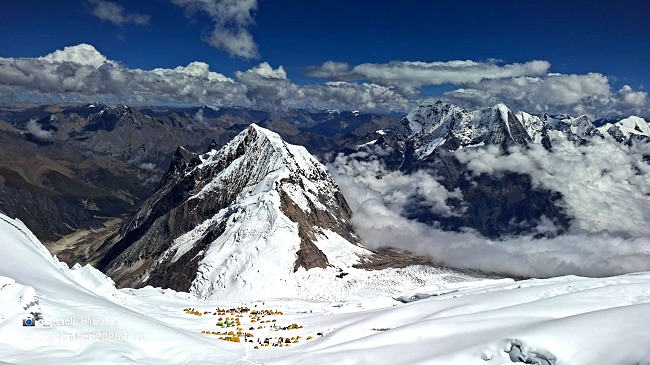
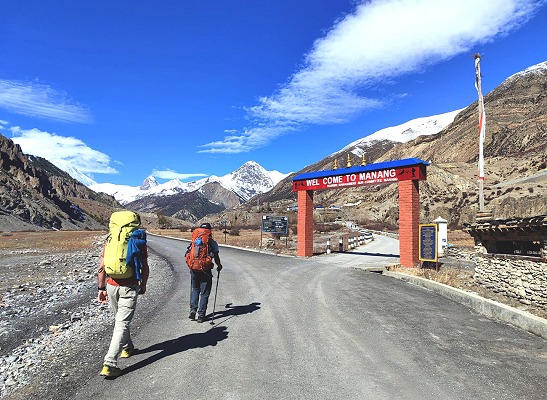
Trekking through Mustang is a sensory delight—arid canyons, stark cliffs, sacred caves, fluttering prayer flags, and panoramic vistas of the Annapurna and Dhaulagiri ranges greet trekkers at every turn.
Ritual Observance: Witness intricate Vajrakila ceremonies, mask dances, and spiritual blessings.
Cultural Exchange: Interact with local Tibetan-descendant communities and learn about their lifestyles.
Spiritual Immersion: Meditate in ancient monasteries like Thubchen and Jampa Lhakhang.
Photography: Capture stunning visuals of colorful attire, dramatic rituals, and mesmerizing landscapes.
Accommodations range from comfortable guesthouses in Kathmandu and Pokhara to basic yet hospitable teahouses along the trekking route. In Lo Manthang, options are limited, so advance bookings are essential. Amenities typically include twin-sharing rooms, simple meals (dal bhat, Tibetan bread, soups), and access to hot showers in select locations.
Permits: A Restricted Area Permit (RAP) and Annapurna Conservation Area Permit (ACAP) are mandatory.
Best Time: The spring season (April–June) offers favorable weather and vibrant landscapes.
Altitude Readiness: Prepare for elevations up to 4,230 meters; acclimatization days are built into the itinerary.
Fitness Level: Moderate fitness is required; daily walks range from 5 to 7 hours.
Packing List: Include warm clothing, trekking boots, sun protection, personal medications, and a reusable water bottle.
Group trek starting May 7, 2026
Join our specially curated Tiji Festival Group Trek 2026, departing on May 7. This guided expedition is ideal for solo adventurers and small groups seeking shared cultural and spiritual experiences. The package includes permits, experienced guides, accommodations, meals, and logistical support, ensuring a seamless journey.
Group trekking fosters camaraderie and offers a richer narrative through shared stories, insights, and cultural interpretations.
The Tiji Festival Trek is more than a physical adventure—it’s a soul-stirring voyage into one of the last preserved Tibetan cultures. As you walk ancient paths, witness sacred rituals, and stand amidst the stark beauty of Mustang, you'll forge connections with history, spirituality, and humanity.
Book your place now for the Tiji Festival Trek 2026 and become part of a legacy that transcends borders, time, and belief systems.
If you’re thinking about visiting Mustang during this incredible event, now is the time to secure your spot. Our team at Peace Nepal Treks is a licensed and experienced local trekking company, known for organizing private treks, group join trips, and customized tours to the Upper Mustang region.
Whether you're traveling solo or with friends, we’ll take care of everything—from permits and guides to comfortable accommodations—so you can fully enjoy the trek and the festival.
Upon landing at Kathmandu’s Tribhuvan International Airport, a representative from Peace Nepal Treks will warmly greet you and transfer you to your hotel in Thamel. Today you can rest, refresh, and soak in the first impressions of Nepal’s vibrant culture. In the evening, your trekking guide will brief you about the Mustang Tiji Festival Trek and answer any questions.
Begin your day with a cultural city tour of Kathmandu, visiting UNESCO Heritage Sites such as Pashupatinath Temple, Boudhanath Stupa, and Swayambhunath (Monkey Temple). These places provide a rich introduction to Nepal’s spiritual depth. Later in the afternoon, complete last-minute shopping for trekking gear and finalize Upper Mustang Special Permit documents with guidance from Peace Nepal Treks.
Your journey to Mustang begins with a scenic drive along the Trishuli and Marsyangdi Rivers. Enjoy views of terraced fields, waterfalls, and lush green hills as you head toward beautiful Pokhara. Once you arrive, relax by Phewa Lake and enjoy mesmerizing views of Machhapuchhre and the Annapurna range.
An adventurous overland drive brings you through the Kali Gandaki Gorge—the world’s deepest—surrounded by towering peaks like Dhaulagiri and Nilgiri. Reach Jomsom, a windy mountain town, and continue to Kagbeni, the official gateway to the restricted Upper Mustang region. Explore the narrow alleys, ancient monasteries, and traditional stone houses of Kagbeni.
Your Upper Mustang trek officially begins today. Follow the Mustang trail alongside the Kali Gandaki River, passing sandy cliffs, small caves, and Tibetan-style villages. Gradually climb toward Chele, where the landscape changes dramatically into a desert-like terrain with beautiful rock formations.
Start the day with a steep ascent toward Taklam La Pass (3,624m) and Dajori La Pass (3,730m). Along the way, enjoy magnificent views of giant snow-capped peaks and Mustang’s colorful cliffs. The trail passes through small settlements, farmlands, and amazing sculpted valleys created by Himalayan winds.
Today’s trail passes through forests of juniper, chortens, and long mani walls carved with Buddhist prayers. Climb gently to Yamda La (3,850m), then descend to the picturesque village of Ghami—one of the largest settlements in Upper Mustang.
Walk along the longest mani wall in Mustang, then cross a river before ascending gradually toward Charang. This village is known for its impressive red monastery, old fortress, and traditional Mustang architecture. The high desert landscape makes today’s journey incredibly scenic.
A gentle climb takes you to Lo La Pass (3,950m), where you’ll enjoy your first panoramic view of the walled kingdom of Lo-Manthang. After entering this historical city, join local people and monks to observe the first day of the Tiji Festival, featuring sacred mask dances symbolizing the victory of good over evil.
Spend the day exploring ancient monasteries like Jampa Gompa, Chode Gompa, and Thupchen Gompa, some dating back hundreds of years. Experience the second day of Tiji Festival, where monks perform ritual dances dressed in colorful costumes. This is an unforgettable cultural immersion into Mustang’s spiritual heritage.
The final day of the Tiji Festival features the symbolic ritual of defeating demons, performed through powerful dances and chants. The entire town gathers around the palace courtyard, creating one of the most unique festival atmospheres in the Himalayas.
Leave Lo-Manthang and walk through remote valleys toward Ghar Gompa, one of Mustang’s oldest Buddhist monasteries. Continue the trek toward Dhakmar, famous for its red cliffs and dramatic landscapes shaped by centuries of wind erosion.
A comfortable day of walking through open fields, small villages, and quiet highland trails. The strong Mustang winds may be felt in the afternoon. In Ghiling, enjoy warm hospitality and stunning views of the surrounding desert mountains.
The trail descends along barren cliffs, ancient chortens, and colorful rock formations. This section highlights the true desert beauty of Upper Mustang. Chhusang sits near the junction of old trade routes connecting Tibet and Nepal.
Climb steadily to the scenic Gyu La Pass, offering stunning views of Dhaulagiri and Nilgiri ranges. From there, descend to Muktinath, a sacred pilgrimage site for both Hindus and Buddhists. Visit the famous 108 water springs and the eternal flame temple.
Walk through the beautiful Lupra Valley, home to one of the last remaining Bon Monasteries in Nepal. The trail is peaceful and scenic, leading to Jomsom where the trek officially ends. Celebrate your successful Mustang Tiji Festival Trek!
Drive for around 7 hours or take a short 20-minute flight back to Pokhara. Spend your evening enjoying lakeside views, good food, and a relaxing atmosphere.
Return to Kathmandu. The rest of the day is free for shopping, relaxing, or exploring.
Stay: Hotel in Kathmandu
We drop you at the airport with warm goodbyes and heartfelt thanks for joining the Mustang Tiji Festival Trek. We look forward to welcoming you back for another Himalayan journey.
Embarking on the Mustang Tiji Festival Trek is a special adventure. To keep the trip comfortable and affordable, we include all the essential services you need—transportation, permits, guide support, and basic trekking equipment.
Embarking on the Mustang Tiji Festival Trek is a once-in-a-lifetime adventure. To make your journey seamless and comfortable, your trek package includes a comprehensive list of services and amenities—from airport transfers to medical support in the mountains. Here’s everything you can expect:
While your package covers a wide range of services to ensure a smooth and enjoyable experience, please note the following items are not included and may incur additional personal or logistical costs:
The Mustang Tiji Festival is a three-day ancient Tibetan Buddhist celebration held annually in Lo Manthang, the capital of Upper Mustang. It commemorates the victory of good over evil and the myth of Dorje Jono, a deity who fought against destructive demons. The festival features sacred masked dances, powerful chants, vibrant rituals, and blessings by monks from Choede Monastery. This is one of the last surviving Tibetan cultural festivals still performed in its original form, making it a unique cultural event for travelers.
The festival takes place in Lo Manthang, the walled medieval kingdom in Upper Mustang, located north of the Annapurna and Dhaulagiri ranges. Lo Manthang sits close to the Tibetan border and is known for its royal palace, ancient monasteries, and preserved Tibetan culture. Reaching Lo Manthang requires trekking or Jeep travel through the restricted Upper Mustang region.
The Mustang Tiji Festival is scheduled according to the Tibetan lunar calendar, usually falling in May, sometimes late April. Peace Nepal Treks receives the official festival dates from Mustang authorities and Choede Monastery around December–January each year.
The festival symbolizes the triumph of positivity over negativity and the removal of evil spirits that create suffering, famine, and disease. It is an important cultural preservation event for the Loba community, keeping centuries-old Tibetan Buddhist traditions alive. For travelers, it is a rare chance to experience authentic Mustang culture, rituals, heritage, and local lifestyle.
The festival lasts three days, each filled with different stages of sacred masked dances, rituals, chanting, and ceremonies performed by monks. Each day has a unique religious meaning and storytelling pattern.
You can attend by joining a Mustang Tiji Festival Trek or Jeep Tour arranged by Peace Nepal Treks. Since Upper Mustang is a restricted region, you must travel with a licensed trekking company, obtain special permits, and be accompanied by a registered guide.
Yes. Mandatory permits include:
Upper Mustang Restricted Area Permit (USD 500 for 10 days)
Annapurna Conservation Area Permit (ACAP)
Peace Nepal Treks organizes and arranges all permits before your arrival.
The trek is graded Moderate. There are no technical climbing sections, but the terrain is dry, windy, and rugged. Altitude can reach up to 3,840m at Lo Manthang. With proper acclimatization and guidance by Peace Nepal Treks, it is suitable for beginners and experienced trekkers.
Yes. Peace Nepal Treks also offers a Mustang Tiji Festival Jeep Tour, which is ideal for travelers with limited time or who prefer a comfortable journey. The road from Jomsom to Lo Manthang is now more accessible for 4x4 jeeps.
A full itinerary usually requires 14–17 days, including travel from Kathmandu to Pokhara, Jomsom flight, trekking/Jeep travel to Lo Manthang, and return. The days can be shortened with Jeep options.
Accommodation includes:
Tea houses / Guesthouses during trekking
Comfortable lodges in Jomsom and Kagbeni
Basic but clean lodges in Lo Manthang
Peace Nepal Treks arranges the best available lodges and ensures proper food, lodging, and hygiene throughout the journey.
Expect powerful cultural performances including:
Masked dances (Cham dances)
Monk blessings
Drums, horns, chanting
Ritual enactments of myths
The King of Mustang attending the event
Thousands of local Loba people gathering
It is a deeply immersive cultural experience.
Lo Manthang sits at 3,840 meters (12,598 ft). Proper acclimatization is required, but it is not considered extreme altitude.
Altitude sickness is mild compared to high Himalayan treks like EBC or Annapurna Circuit. Trekking slowly, hydrating well, and having acclimatization days makes the trip safe. Peace Nepal Treks guides are trained to manage altitude-related issues.
Important items include:
Peace Nepal Treks provides a full equipment checklist before departure.
May weather is generally dry and stable. Days are warm (10–20°C) and nights can be cold (0 to -5°C). Strong winds are common, especially in the afternoon.
Lo Manthang becomes lively with locals, monks, pilgrims, and international visitors. However, it never feels overcrowded due to its wide open spaces and large village courtyard.
Yes. With good fitness, beginners can easily enjoy the trek. Jeep options are also available for those who prefer minimal walking.
Upper Mustang is one of the most isolated Himalayan regions, known as the “Last Forbidden Kingdom.” Its culture and architecture resemble ancient Tibet. Despite the road access, it still feels untouched and authentic.
Yes, photography is allowed. The festival offers incredible opportunities to capture traditional masks, dances, monks, royal palace views, and local culture.
Tea houses provide:
Peace Nepal Treks ensures hygienic meals during the trip.
Absolutely. Mustang is peaceful, and the festival is well-managed by local authorities and monks. Peace Nepal Treks staff ensure safety and proper travel arrangements.
Yes. You can visit Choede, Namgyal, Thupchen, and other ancient monasteries. Many hold priceless artifacts and murals preserved for centuries.
It is an ancient Tibetan ritual rarely seen elsewhere.
Located in a hidden medieval kingdom.
Rich cultural preservation untouched by modernization.
Rare masked Cham dances.
Strong spiritual meaning and historic storytelling.
Common routes:
Fly Kathmandu → Pokhara → Jomsom, then trek/drive.
Drive Kathmandu → Pokhara → Tatopani → Kagbeni, then enter Upper Mustang.
Peace Nepal Treks arranges all transport.
Peace Nepal Treks organizes:
Private trips (1–2 pax)
Small groups (4–10 pax)
Larger groups on request
Smaller groups ensure a more intimate festival experience.
Yes. Insurance must include:
High-altitude medical coverage
Emergency evacuation
Trip cancellation
Peace Nepal Treks assists with documentation if needed.
Experienced Mustang guides
Licensed permits and paperwork
Clean accommodation
Well-planned itinerary
Emergency support
Local cultural knowledge
Your comfort and safety are always the priority.
Yes, tea houses and lodges have basic restrooms. Facilities vary but are generally clean and improved each year.
Yes. Popular add-ons:
Peace Nepal Treks customizes itineraries based on your time and interest.
Culturally and geographically, yes. Mustang shares the same Tibetan Buddhist traditions, language, lifestyle, houses, and landscapes—making it a perfect alternative to Tibet travel.
It is recommended to book at least 2–4 months in advance to secure:
Festival hotel rooms (limited)
Jomsom flight tickets
Restricted area permits
Peace Nepal Treks handles early preparations for you.
Yes, with Jeep options, the Mustang Tiji Festival is suitable for families, seniors, and travelers wanting a cultural holiday rather than a hard trek.
20+ years of trekking & Mustang experience
Peace Nepal Treks ensures meaningful cultural immersion and a smooth travel experience.
The Tiji Festival is one of the most spiritually significant and visually captivating cultural events in the Himalayas. Held in the remote kingdom of Lo-Manthang in Upper Mustang, Nepal, the festival is a rare blend of religious ritual, traditional dance, and Himalayan heritage.
The Tiji Festival follows the Tibetan lunar calendar, and while exact dates vary slightly each year, the event consistently falls in mid-May.
These windows allow time to acclimatize and reach Lo-Manthang before the festival begins.
Due to permit restrictions and limited accommodations in Lo-Manthang, early booking is crucial.
Trekking to Lo-Manthang during the Tiji Festival is an unforgettable journey through the high-altitude desert of Upper Mustang. To ensure your comfort, safety, and enjoyment, having the right gear is essential. Here’s a list of recommended trekking equipment for guests participating in the Tiji Festival Trek.
Base Layers
Insulating Layers
Outer Layers
Trekking Pants
Enjoy the popular trekking and tour packages in Nepal Himalayas. 2025.
Off the Beaten Trek 18 Days
Makalu Base Camp TrekOff the Beaten Trek 23 Days
Kanchenjunga Olangchung Gola TrekOff the Beaten Trek 29 Days
Makalu Ice Col TrekkingOff the Beaten Trek 19 Days
Mustang Tiji Festival Trek - Witness Tibetan Ritual in Lo-ManthangOff the Beaten Trek 13 Days
Manaslu Tsum Valley Trek: Explore Nepal’s Sacred Hidden ValleyOff the Beaten Trek 22 Days
Limi Valley Trek - Explore Nepal’s Remote Himalayan Gem© 2011 - 2025 All rights reserved. Peace Nepal Treks.