Find Your Tour

Island Peak Climbing with Everest Base Camp Trek

17 days Fixed departures available
Book Now Make Inquiry Local experts, secure booking, no hidden costs
Island Peak Climbing with Everest Base Camp Trek

Facts About Trip

Duration17 Days
GradeModerate to Difficult
Best monthSpring & Autumn Season
Max Elevation6,189M - Island Peak Summit
Group size2 Pax
AccommodationLodge Stay Accommodation
MealSelf-Food
Starts FromFlight: Kathmandu to Lukla
End atFlight: Lukla to Kathmandu

Overview And Highlights

Island Peak Climbing with Everest Base Camp Trek is one of the best adventure trips in the Everest region of Nepal. This journey combines the world-famous Everest Base Camp Trek with the exciting climb of Island Peak, also known as Imja Tse.

This trip is perfect for strong trekkers who want more than a normal trekking experience. You will trek through beautiful Sherpa villages, visit Everest Base Camp, hike to Kalapatthar for the best Everest view, and then continue towards Chhukung and Island Peak Base Camp for the climbing section.

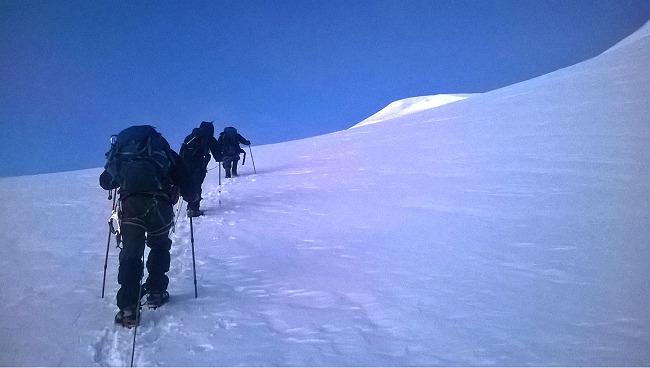
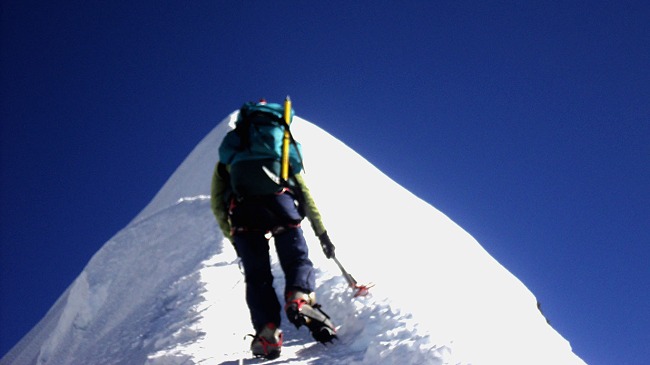
Island Peak Climbing gives you a real Himalayan mountaineering experience. The climb includes glacier walking, rope use, crampons, harness, jumar, ice axe and a steep summit section. With proper acclimatization, good fitness, the right equipment and an experienced climbing guide, Island Peak is one of the best introductory climbing peaks in Nepal.

Peace Nepal Treks arranges this trip with professional trekking guides, climbing guides, porters, permits, tea house lodge service, base camp camping service and full support from Kathmandu to the mountain and back.

Why Choose Island Peak Climbing with Everest Base Camp Trek?

Island Peak Climbing with Everest Base Camp Trek is a complete Everest region adventure. First, you follow the classic Everest Base Camp route through Lukla, Phakding, Namche Bazaar, Tengboche, Dingboche, Lobuche and Gorakshep. You visit Everest Base Camp and enjoy the famous viewpoint of Kalapatthar.

After completing the Everest Base Camp section, you move towards Chhukung and Island Peak Base Camp. This is a very good route because the Everest Base Camp Trek helps your body acclimatize before climbing Island Peak. Better acclimatization means better safety, better comfort and a higher chance of summit success.

This trip is ideal for adventure lovers, fit trekkers and beginner climbers who want to experience Himalayan peak climbing in a safe and organized way.

Main Highlights of Island Peak Climbing with Everest Base Camp Trek

  • Trek to world-famous Everest Base Camp, 5,364 m.
  • Hike to Kalapatthar for amazing views of Mount Everest.
  • Climb Island Peak, also known as Imja Tse.
  • Experience real Himalayan climbing with rope, crampons, harness, jumar and ice axe.
  • Walk through famous Sherpa villages like Namche Bazaar, Tengboche, Dingboche and Chhukung.
  • Visit Tengboche Monastery and experience Sherpa Buddhist culture.
  • Enjoy close views of Everest, Lhotse, Nuptse, Ama Dablam, Pumori, Makalu and Baruntse.
  • Stay in tea house lodges during the trekking route.
  • Stay in tented camp at Island Peak Base Camp.
  • Get support from trekking guide, climbing guide and porter.
  • Good acclimatization route before the Island Peak summit.
  • Best choice for trekkers who want both trekking and climbing in Nepal.

Everest Base Camp Trek and Island Peak Climbing Route

The journey usually begins with a scenic flight from Kathmandu or Ramechhap to Lukla. From Lukla, the trek follows the Dudh Koshi River valley towards Phakding and Namche Bazaar. Namche is the main trading town of the Everest region and an important acclimatization place.

From Namche, the route continues to Tengboche, Dingboche, Lobuche and Gorakshep. You will visit Everest Base Camp and enjoy the dramatic view of the Khumbu Glacier and surrounding mountains. The hike to Kalapatthar gives one of the best close-up views of Mount Everest.

After the Everest Base Camp section, the trail returns towards Dingboche and continues to Chhukung. From Chhukung, you trek to Island Peak Base Camp. At base camp, the climbing guide checks your gear, explains the route and provides basic climbing training before the summit climb.

The summit climb starts very early in the morning. After reaching the top of Island Peak, climbers return safely to base camp or Chhukung, depending on weather, timing and the climbing guide’s advice.

Technical Part of Island Peak Climbing

Island Peak is more challenging than a normal trek. The trekking route to Everest Base Camp is non-technical, but the Island Peak climbing section requires basic mountaineering skills and proper climbing equipment.

The climbing part may include rocky trail, glacier walking, snow slopes, fixed rope sections and a steep final climb near the summit. Climbers use mountaineering boots, crampons, harness, helmet, jumar, ice axe, carabiners and rope.

Before summit day, the climbing guide gives basic training. This training helps climbers understand how to use climbing gear, how to walk with crampons, how to use a jumar, how to move on rope and how to descend safely.

The summit day is long and physically demanding. The climb usually starts before sunrise because the weather is normally more stable in the early morning. Safety is always the first priority. The final summit decision depends on weather, snow condition, route condition and the health of the climbers.

Difficulty Level

Island Peak Climbing with Everest Base Camp Trek is a challenging adventure. It is suitable for fit trekkers with good health, strong stamina and a positive mindset.

You do not need to be a professional climber, but previous high-altitude trekking experience is very helpful. Basic climbing experience is also useful, but not always compulsory because our climbing guide will provide training before the summit.

You should prepare before coming to Nepal with hiking, running, cycling, stair climbing and strength training. Good preparation will make the trip safer, easier and more enjoyable.

Accommodation During the Trip

During the trekking route, accommodation is in tea house lodges. These lodges are simple mountain guest houses run by local families. Rooms are usually twin-sharing with basic beds, pillows and blankets.

In lower places like Phakding and Namche Bazaar, lodges are more comfortable. In higher places like Lobuche, Gorakshep and Chhukung, facilities are more basic because of the remote location and high altitude.

At Island Peak Base Camp, accommodation is in tents. Peace Nepal Treks provides a simple and safe camping service with sleeping tents, kitchen support, cooking equipment, meals, hot drinks and support from the climbing team.

Meals and Food

During the tea house trek, meals are available at the lodges. You can choose food from the menu. Common meals include dal bhat, noodles, fried rice, pasta, soup, potatoes, eggs, porridge, pancakes, tea and coffee.

Dal bhat is one of the best meals during trekking because it is warm, filling and gives good energy for long walking days.

During the Island Peak Base Camp climbing service, Peace Nepal Treks provides camping meals, hot drinks and high climbing food as per the package. We do our best to provide fresh, warm and suitable meals during the climbing period.

Guide, Climbing Guide and Porter Support

Peace Nepal Treks provides full support during Island Peak Climbing with Everest Base Camp Trek.

The trekking guide helps during the trekking route. He manages lodges, permits, meals, route information, safety, communication and daily walking plans. He also checks your pace and helps with altitude awareness.

The climbing guide supports the technical climbing section. He checks your climbing gear, provides basic climbing training, manages rope support, guides you during the summit climb and helps you descend safely.

The porter carries your main luggage during the trek. This allows you to walk with only a small daypack, water, jacket, snacks and personal items. Porter support makes the trip more comfortable and helps you save energy for the higher altitude and summit day.

Base Camp Camping Service

At Island Peak Base Camp, climbers stay in tents. Peace Nepal Treks provides 1 night and 2 days base camp camping service for the climbing section.

The base camp service includes sleeping tents, kitchen support, cooking equipment, dining arrangement, breakfast, lunch, dinner, hot drinks and support from the climbing team.

Base camp is the main preparation point before the summit climb. The climbing guide checks your equipment, explains the route condition, gives safety instructions and provides basic climbing practice. Climbers should drink enough water, eat well and rest properly before summit day.

Best Time for Island Peak Climbing with Everest Base Camp Trek

The best time for Island Peak Climbing with Everest Base Camp Trek is spring and autumn.

Spring season, from March to May, is one of the best times for this trip. The weather is usually more stable, the days are longer and the climbing conditions are better. April and May are especially popular months for Island Peak Climbing.

Autumn season, from September to November, is also excellent. After the monsoon, the sky becomes clear, the air is fresh and the mountain views are very sharp. October and early November are very good months for trekking and climbing in the Everest region.

Winter is very cold and more difficult for climbing. Monsoon season has rain, clouds, slippery trails and possible flight delays, so it is not the best time for this trip.

Permits Required

For Island Peak Climbing with Everest Base Camp Trek, you need the required trekking and climbing permits.

The main permits normally include:

  • Island Peak climbing permit
  • Sagarmatha National Park entry permit
  • Khumbu local area permit
  • TIMS card if required
  • Other government permits or official documents if rules change

Peace Nepal Treks arranges all necessary permits before the trip. Permit fees can change depending on season and government rules, so the latest fee will be checked before final booking.

Personal Gear and Climbing Equipment

Climbers need proper trekking and climbing gear for this trip. Personal trekking gear includes warm clothes, waterproof jacket, trekking boots, gloves, hat, sunglasses, headlamp, sleeping bag, water bottle, trekking poles and personal medicine.

Personal climbing gear includes mountaineering boots, crampons, harness, helmet, jumar, ice axe, carabiners, figure-8, gaiters, warm climbing gloves and glacier sunglasses.

Peace Nepal Treks can help you hire climbing gear in Kathmandu or Chhukung if needed. We also provide group climbing equipment such as fixed rope, dynamic rope and necessary base camp support equipment during the climbing period.

Travel Insurance and Safety

Travel insurance is mandatory for Island Peak Climbing with Everest Base Camp Trek. Your insurance must cover high-altitude trekking, peak climbing, altitude sickness, medical treatment, emergency helicopter rescue and evacuation.

Normal travel insurance may not cover peak climbing above 6,000 meters, so guests must check carefully before buying insurance. Please send a copy of your insurance policy to Peace Nepal Treks before the trip starts.

Peace Nepal Treks also provides insurance for Nepali trekking guides, climbing guides and porters. We follow responsible trekking and climbing practices for the safety of both guests and staff.

Why Book with Peace Nepal Treks?

Peace Nepal Treks is a local trekking and climbing company based in Kathmandu, Nepal. We have long experience organizing trekking, peak climbing and adventure holidays in the Himalayas.

When you book Island Peak Climbing with Everest Base Camp Trek with Peace Nepal Treks, we take care of airport transfers, hotel, Lukla flights, permits, trekking guide, climbing guide, porter, tea house lodges, base camp camping service, gear support and safety arrangements.

Our goal is to make your trip safe, well-organized and memorable. We focus on good acclimatization, honest service, clear communication, experienced guides and careful support from the beginning to the end of your journey.

Conclusion

Island Peak Climbing with Everest Base Camp Trek is a perfect adventure for trekkers who want to experience the best of the Everest region and climb a Himalayan peak. This trip gives you Everest Base Camp, Kalapatthar, Sherpa culture, high mountain views, glacier walking and a real climbing summit.

With proper preparation, the right season, good equipment and a trusted local team, Island Peak Climbing with Everest Base Camp Trek can become one of the most beautiful and unforgettable adventures in Nepal.
Day to Day Itinerary

Food

Self-Food

Accomodation

International Guest House

Elevation

1,400 m.

Meet our Peace Nepal Treks team at Tribhuvan International Airport and transfer to your hotel. Rest and prepare for the trek and climbing adventure.

Food

Self-Food

Accomodation

Tea house stay

Elevation

2,610 m.

Take an early flight from Kathmandu or Ramechhap to Lukla. After landing, start the trek through Sherpa villages, prayer walls and the Dudh Koshi River valley.

Food

Self-Food

Accomodation

Tea house stay

Elevation

3,440 m.

Walk along the Dudh Koshi River, cross suspension bridges and enter Sagarmatha National Park. The final uphill climb takes you to Namche Bazaar, the main Sherpa town of the Everest region.

Food

Self-Food

Accomodation

Tea house stay

Elevation

3,440 m.

Take a short hike to Everest View Hotel or nearby viewpoints for better acclimatization. Enjoy beautiful views of Everest, Ama Dablam, Lhotse and Thamserku.

Food

Self-Food

Accomodation

Tea house stay

Elevation

3,860 m.

Follow a scenic trail with wonderful mountain views. The route descends to Phunki Tenga and then climbs through forest to Tengboche, famous for its monastery.

Food

Self-Food

Accomodation

Tea house stay

Elevation

4,4410 m.

Walk through Deboche and Pangboche before entering the open high-altitude valley. Dingboche is a beautiful village and an important stop for acclimatization.

Food

Self-Food

Accomodation

Tea house stay

Elevation

4,410 m.

Hike to a nearby viewpoint above Dingboche for better altitude adjustment. You can enjoy views of Island Peak, Ama Dablam, Lhotse and the surrounding valleys.

Food

Self-Food

Accomodation

Tea house stay

Elevation

4,910 m.

Walk through high mountain landscapes and pass Thukla. After a gradual climb, continue towards Lobuche with views of Nuptse, Pumori and other Himalayan peaks.

Food

Self-Food

Accomodation

Tea house stay

Elevation

5,364 m.

Walk to Gorak Shep, then continue to Everest Base Camp to enjoy the Khumbu Glacier and the amazing mountain surroundings. After the visit, return to Gorak Shep.

Food

Self-Food

Accomodation

Tea house stay

Elevation

4,410 m.

Early morning hike to Kalapatthar for one of the best views of Mount Everest. After the hike, return to Gorak Shep and trek down through Lobuche and Thukla to Dingboche.

Food

Self-Food

Accomodation

Tea house stay

Elevation

4,735 m.

This is a short and important walking day before the Island Peak climbing section. The trail follows the Imja Valley with beautiful views of Island Peak and surrounding mountains.

Food

Lunch-Dinner

Accomodation

Camping Stay

Elevation

5,087 m.

Walk through rocky high-altitude terrain to reach Island Peak Base Camp. After arrival, the climbing guide checks your equipment and gives basic climbing training.

Food

Breakfast-Lunch

Accomodation

Tea house stay

Elevation

6,189 m.

Start very early for the summit climb. The route includes rocky trail, glacier walking, rope sections and a steep snow slope. After reaching the summit, descend safely and continue back to Chhukung.

Food

Self-Food

Accomodation

Tea house stay

Elevation

3,860 m.

Descend through the Imja Valley and pass Dingboche and Pangboche. The trail becomes easier as you go lower, with beautiful views of Ama Dablam and the Everest region.

Food

Self-Food

Accomodation

Tea house stay

Elevation

3,440 m.

Descend to Phunki Tenga and then walk along the scenic trail back to Namche Bazaar. Enjoy the warmer altitude and comfortable lodge stay.

Food

Self-Food

Accomodation

Tea house stay

Elevation

2,840 m.

This is the final trekking day in the Everest region. Walk down through Monjo, Jorsalle, Phakding and Sherpa villages before reaching Lukla.

Food

Self-Food

Accomodation

International Guest House

Elevation

1,400 m.

Take an early flight from Lukla to Kathmandu.

Services Included on Price

Selected packageRegular PackageIncludes the services listed below for this package type.
USD 2,850per person
Book Trip

Regular Package Service Includes

Airport and Transportation

  • Airport pick-up and drop-off service.
  • Domestic flight ticket for guest: Kathmandu/Ramechhap to Lukla and Lukla to Kathmandu/Ramechhap.
  • Domestic flight ticket for guide: Kathmandu/Ramechhap to Lukla and return.

Hotel and Lodge Accommodation

  • 1 night hotel stay in Kathmandu in a 3-star category hotel.
  • 14 nights tea house lodge accommodation during the trek on twin-sharing basis.

Permits and Government Fees

  • Everest National Park entry permit.
  • Local government permit.
  • TIMS card if required.
  • Island Peak climbing permit for 6,189 m peak.
  • All necessary government taxes.

Trekking Guide Service

  • 16 days experienced English-speaking trekking guide.
  • Guide salary, food, accommodation, insurance and equipment included.

Porter Service

  • 16 days porter service to carry your main luggage.
  • Porter salary, food, accommodation, insurance and equipment included.

Climbing Guide Service

  • Experienced climbing guide during the Island Peak climbing period.
  • Climbing guide salary, food, insurance and equipment included.
  • Basic climbing training before summit day.
  • Safety support during the climbing and summit section.

Base Camp Camping Service

  • 1 night and 2 days camping service at Island Peak Base Camp.
  • Sleeping tent and basic camping arrangement.
  • Kitchen support and cooking equipment.
  • Breakfast, lunch, dinner and hot drinks during the base camp service.

Group Climbing Equipment

  • Fixed rope for the climbing section.
  • Dynamic rope for the climbing section.
  • Necessary group climbing support equipment used by the climbing guide.

Personal Climbing Gear Support

  • Help to hire personal climbing gear in Chhukung if needed.
  • Personal gear may include climbing boots, crampons, helmet, harness, jumar, figure-8, gaiters and gloves.

Food and Snacks

  • High climbing food during the summit period.
  • Energy bars and cookies at base camp.
  • Seasonal fresh fruits where possible.

Trekking Equipment Support

  • Sleeping bag if needed.
  • Warm down jacket if needed.
  • Walking poles if needed.

Health and Safety

  • Pulse oximeter to check oxygen level at high altitude.
  • Emergency first-aid kit.
  • Basic altitude sickness medicine, including Diamox if needed.
  • Water purification tablets for safe drinking water.

Communication and Map

  • Local NCELL SIM card during the trek, to be returned after the trip.
  • Everest region trekking map.

Emergency and Environment Support

  • Help with rescue arrangement in case of emergency, altitude sickness or bad weather.
  • Rubbish disposal management during the climbing and camping period.

Regular Package Service Excludes

Meals During Trek and Kathmandu

  • Breakfast, lunch and dinner in Kathmandu are not included.
  • During the tea house trek, guests pay for their own breakfast, lunch and dinner at the lodges.
  • Tea house meals normally cost around USD 25–30 per person per day, depending on your food choice.
  • You can choose your meals directly from the lodge menu.

Drinks and Snacks

  • Mineral water, soft drinks, Coca-Cola, chocolate, energy bars, alcoholic drinks and extra snacks are not included.
  • Bottled water is available on the trekking route, but guests pay for it themselves.

Extra Hotel Stay

  • Extra nights in Kathmandu before or after the trip are not included.
  • If your flight is delayed or you want to stay longer in Kathmandu, extra hotel cost will be paid by the guest.

Personal Expenses

  • Hot shower, Wi-Fi, battery charging, laundry, phone calls and other personal expenses are not included.
  • Any extra or unforeseen expenses during the trip are paid by the guest.

Kathmandu Sightseeing

  • Kathmandu city tour, entrance fees, transportation and city guide service are not included unless mentioned in the final package.

International Flight and Nepal Visa

  • International flight ticket to and from Nepal is not included.
  • Nepal visa fee is not included. You can get an on-arrival visa at Kathmandu airport.
  • Nepal visa fee: 15 days USD 30, 30 days USD 50, 90 days USD 125.

Travel Insurance and Rescue Cost

  • Travel insurance is mandatory for Island Peak Climbing.
  • Your insurance must cover trekking, peak climbing, altitude sickness, accident, medical treatment, helicopter rescue and emergency evacuation.
  • Helicopter rescue, hospital cost, medical tests and medicine are not included in the package.
  • Please bring a copy of your travel insurance and also send one copy to Peace Nepal Treks before the trip.

Personal Trekking and Climbing Equipment

  • Personal trekking and climbing equipment is not included.
  • Guests need to bring or hire their own personal gear, such as trekking boots, warm clothes, gloves, sunglasses, headlamp, personal medicine and other personal items.

Tips for Guide and Porter

  • Tips for trekking guide, climbing guide, porter and support staff are not included.
  • Tipping is not compulsory, but it is highly appreciated at the end of the trek.

Other Services

  • Any service not clearly mentioned in the “Cost Includes” section is not included.

Altitude Graph

Route Map

Island Peak Climbing with Everest Base Camp Trek route map

Available Departure Dates

Choose a scheduled departure and reserve your place.

#Start DateDurationPriceAvailabilityAction
1Sep 18, 202617 Days Available Book Now
2Sep 26, 202617 Days Available Book Now
#Start DateDurationPriceAvailabilityAction
1Oct 05, 202617 Days Available Book Now
2Oct 15, 202617 Days Available Book Now
3Oct 29, 202617 Days Available Book Now
#Start DateDurationPriceAvailabilityAction
1Nov 05, 202617 Days Available Book Now
2Nov 16, 202617 Days Available Book Now
#Start DateDurationPriceAvailabilityAction
1Dec 03, 202617 Days Available Book Now
2Dec 07, 202617 Days Available Book Now

Frequently Asked Questions for Island Peak Climbing with Everest Base Camp Trek

General Information

The Island Peak Climbing with Everest Base Camp Trek is a 17-day adventure trip in the Everest region. The journey includes arrival in Kathmandu, flight to Lukla, Everest Base Camp Trek, Kalapatthar hike, Island Peak Base Camp, summit climb and return flight from Lukla to Kathmandu.

The highest point of this trip is the summit of Island Peak, also known as Imja Tse, at 6,189 meters. You will also visit Everest Base Camp at 5,364 meters and enjoy wonderful views of Mount Everest from Kalapatthar.

Yes, Island Peak Climbing is a challenging adventure. The Everest Base Camp trekking route is non-technical, but the Island Peak climbing section includes glacier walking, rope sections, crampons, harness, jumar, ice axe and a steep summit climb. Good fitness, proper acclimatization and a positive mindset are very important.

Previous climbing experience is helpful, but you do not need to be a professional climber. Fit trekkers with good high-altitude trekking experience can join this trip. Before the summit day, the climbing guide provides basic training on using climbing equipment, walking with crampons, using ropes and descending safely.

The best time for Island Peak Climbing with Everest Base Camp Trek is spring and autumn. Spring season, from March to May, offers stable weather and better climbing conditions. Autumn season, from September to November, gives clear skies, fresh air and excellent mountain views.

During the trekking route, you will stay in tea house lodges. These are simple mountain guest houses with basic twin-sharing rooms. At Island Peak Base Camp, accommodation is in tented camp with camping support from the climbing team.

During the tea house trek, meals are available from the lodge menu, such as dal bhat, noodles, fried rice, pasta, soup, potatoes, eggs, porridge, tea and coffee. During the Island Peak Base Camp camping period, Peace Nepal Treks provides camping meals, hot drinks and climbing support food as per the package.

For this trip, you need the Island Peak climbing permit, Sagarmatha National Park entry permit, Khumbu local area permit and TIMS card if required. Peace Nepal Treks arranges the necessary permits before the trip.

You need proper trekking and climbing equipment. Personal climbing gear includes mountaineering boots, crampons, harness, helmet, jumar, ice axe, carabiners, figure-8, gaiters, warm gloves and glacier sunglasses. If you do not have all the gear, Peace Nepal Treks can help you hire climbing equipment in Kathmandu or Chhukung.

Yes, travel insurance is mandatory for Island Peak Climbing with Everest Base Camp Trek. Your insurance should cover high-altitude trekking, peak climbing above 6,000 meters, altitude sickness, medical treatment, emergency helicopter rescue and evacuation.

Additional Information

Choosing the best time for Island Peak Climbing is very important for safety, comfort and summit success. Island Peak, also known as Imja Tse, is a real Himalayan climbing peak in the Everest region. The climb includes high-altitude trekking, glacier walking, rope sections and cold summit conditions, so good weather is very important.

The best seasons for Island Peak Climbing are spring and autumn. These seasons normally offer better weather, clearer mountain views and safer climbing conditions.

Spring Season: March to May

Spring is one of the best seasons for Island Peak Climbing. The weather is more stable, the days are longer and the mountain views are beautiful. April and May are especially popular months for climbing in the Everest region.

Spring is a good season because the weather is usually clear in the morning, snow conditions are better, and most tea houses and lodges are open along the route.

Autumn Season: September to November

Autumn is another excellent season for Island Peak Climbing. After the monsoon, the sky becomes clear, the air is fresh and the mountain views are very sharp. October and early November are especially good months for climbing.

Autumn is a good choice for climbers who want clear views, dry trails and comfortable trekking weather.

Winter and Monsoon Season

Winter, from December to February, is very cold and more difficult for climbing. It is suitable only for experienced climbers with strong equipment and good preparation.

Monsoon season, from June to August, is not the best time because of rain, clouds, slippery trails and possible Lukla flight delays.

Peace Nepal Treks Recommendation

Peace Nepal Treks recommends April, May, October and early November as the best months for Island Peak Climbing. These months offer better weather, safer climbing conditions and a higher chance of summit success.

Proper equipment is very important for a safe and successful Island Peak Climbing trip. The journey includes trekking, cold weather, high altitude, glacier walking and technical climbing sections. Climbers should prepare carefully with the right personal trekking gear and personal climbing gear.

Peace Nepal Treks also provides necessary group climbing equipment and base camp support equipment during the climbing section.

Personal Trekking Gear for Guests

Guests should bring good trekking clothes and personal items for the walking part of the trip.

Recommended personal trekking gear includes:

  • Thermal top and bottom
  • Quick-dry trekking shirts
  • Fleece jacket
  • Warm down jacket
  • Waterproof jacket and trousers
  • Trekking pants
  • Warm hat and sun hat
  • Neck warmer or buff
  • Inner gloves and warm gloves
  • Good trekking boots
  • Camp shoes or sandals
  • Trekking socks and warm socks
  • Sunglasses with UV protection
  • Headlamp with extra batteries
  • Trekking poles
  • Water bottle or hydration bottle
  • Sunscreen and lip balm
  • Personal toiletries
  • Power bank
  • Personal medicine
  • Small day bag

Personal Climbing Gear for Guests

For the climbing section, guests need proper personal climbing equipment. These items are important for safety on snow, ice, glacier and rope sections.

Personal climbing gear includes:

  • Mountaineering boots suitable for crampons
  • Crampons
  • Climbing harness
  • Climbing helmet
  • Ice axe
  • Jumar / ascender
  • Figure-8 or belay device
  • Locking and non-locking carabiners
  • Safety sling
  • Gaiters
  • Warm climbing gloves
  • Glacier sunglasses or goggles
  • Balaclava for summit day
  • Heavy down jacket for summit day
  • Warm trousers for summit day

Peace Nepal Treks can help guests hire personal climbing gear in Kathmandu or Chhukung if needed.

Group Climbing Equipment Provided by Peace Nepal Treks

Peace Nepal Treks provides necessary group climbing equipment for the Island Peak climbing section. These items are managed by the climbing guide and support team.

Group climbing equipment may include:

  • Fixed rope
  • Dynamic rope
  • Snow bar or snow anchor if required
  • Ice screw if required
  • Group safety equipment
  • Base camp camping tents
  • Kitchen equipment
  • Cooking equipment
  • Dining arrangement at base camp
  • Basic first-aid kit
  • Pulse oximeter for oxygen level check
  • Water purification support

The climbing guide will check the route condition and use the group equipment as needed for safety during the summit climb.

Travel insurance is mandatory for all guests joining Island Peak Climbing with Peace Nepal Treks. Normal travel insurance may not be enough because this trip includes high-altitude trekking and peak climbing above 6,000 meters.

Guests must buy proper travel insurance before arriving in Nepal. The insurance must cover trekking, peak climbing, altitude sickness, medical treatment and emergency helicopter rescue.

Guest Insurance Must Cover

Guest travel insurance should include:

  • High-altitude trekking and peak climbing up to at least 6,500 meters
  • Emergency helicopter rescue and evacuation
  • Medical treatment and hospitalization
  • Altitude sickness, including AMS, HAPE and HACE
  • Accident and injury
  • Trip cancellation or delay
  • Baggage loss or delay

Guests should send a copy of their insurance policy to Peace Nepal Treks before the trek starts and also carry one copy during the trip.

Emergency Rescue Support

If a guest becomes seriously sick or injured during the trek or climb, Peace Nepal Treks helps with rescue arrangements. Our guide will contact the office, and the office will coordinate with the insurance company and rescue team.

Please note that helicopter rescue, hospital treatment, medical tests and medicine are not included in the package cost. These costs must be covered by the guest’s travel insurance.

Insurance for Nepali Staff

Peace Nepal Treks provides insurance for all Nepali staff working on Island Peak Climbing trips.

This includes:

  • Trekking guide
  • Climbing guide
  • Assistant guide if required
  • Porter
  • Base camp support staff if required

Staff insurance normally covers medical treatment, emergency rescue, helicopter evacuation if required, accident during trekking or climbing work, and injury or death coverage as per Nepal rules and insurance policy.

Peace Nepal Treks follows responsible trekking and climbing practices. We believe that safe staff and safe guests are both important for a successful mountain journey.

Client Reviews

Book Now Inquiry

Similar Packages

Enjoy the popular trekking and tour packages in Nepal Himalayas. 2026.

Mera Peak Climbing
Best Seller

Mera Peak Climbing 6476 m expedition in Nepal with experienced guides, fixed departure dates, and premium support. Group discounts available - 2026/2027 season.

View Details

Mera Peak Climbing

Durations 13 Days
Grade Moderate to Hard
Activity Peak Climbing in Nepal
Island Peak Climbing
Best Seller

Island Peak Climbing in Nepal - Most Popular Trekking Peak Climb in the Himalayas. Contact us for cheap price for Island Peak Climbing Adventure

View Details

Island Peak Climbing

Durations 14 Days
Grade Moderate to Hard
Activity Peak Climbing in Nepal
Amadablam Expedition - 6812m

Mount Ama Dablam (6,812m) expedition offers Amadablam climbing peak in Nepal lies in Everest. Climb Ama Dablam in Autumn 2026

View Details

Amadablam Expedition - 6812m

Durations 13 Days
Grade Moderate to Hard
Activity Peak Climbing in Nepal
Mera Peak Climbing

The ultimate Mera Peak guide ideal seasons, gear checklist, full route plan, permit breakdown, training, safety, and summit tips.

View Details

Mera Peak Climbing

Durations 16 Days
Grade Moderate to Difficult
Activity Peak Climbing in Nepal

Our Representatives

Holland

Patrick Keulens Helmond

Malaysia

Chang Jong Kwon

Singapore

Switzerland

Mark Eversham

  • Phone: 0041 78 608 1713

We Are Associated

  • NTB
  • NMA
  • TAAN
  • Gov Nepal

We Accept Payments

  • We Accept
  • We Accept
  • We Accept

Find & Follow Us on