Trekking with Peak Climbing in Nepal: Best Combinations for Acclimatization and Success
Trekking with peak climbing in Nepal is a powerful blend of adventure and preparation. By integrating a high-altitude trek before attempting a Himalayan peak, climbers gain essential acclimatization, reduce the risk of altitude sickness, and dramatically improve their chances of summit success. It’s the ultimate way to experience Nepal’s natural and cultural richness—on foot and at the top of the world.
Why Combine Trekking and Peak Climbing?
Combining trekking with peak climbing is more than a thrilling challenge—it’s smart mountaineering. It allows your body to gradually adjust to high elevations while enriching your journey through scenic and cultural trails.
Key Benefits
- Gradual acclimatization
- Improved summit success rate
- Rich cultural and natural immersion
- Enhanced endurance and readiness
- Opportunity to explore multiple Himalayan landscapes
Mera Peak Climb with Amphu Lapcha Pass Trek
The Mera Peak (6,476m) and Amphu Lapcha Pass (5,845m) combination is one of Nepal’s most remote and rewarding adventures, ideal for those seeking solitude, high-altitude trekking, and technical climbing.
Trip Overview
- Region: Hinku & Khumbu Valley
- Duration: 20–22 days
- Max Altitude: Mera Peak (6,476m), Amphu Lapcha Pass (5,845m)
- Difficulty: Strenuous
- Best Season: Spring (Apr-May), Autumn (Oct-Nov)
Highlights of Mera Peak with Amphu Lapcha Pass
- Summit Nepal’s highest trekking peak, Mera Peak
- Cross one of the most challenging high passes: Amphu Lapcha
- Breathtaking views of Everest, Lhotse, Makalu, Kanchenjunga
- Camp at remote high-altitude locations
- Explore untouched Hinku and Imja valleys
Trek + Climb Route Summary
- Trek from Lukla through Paiya, Kothe, and Khare
- Acclimatize at Khare before Mera Peak summit push
- Descend to Kongma Dingma and prepare for Amphu Lapcha
- Cross the technical Amphu Lapcha Pass to Chhukung and Namche
Who Is It For?
- Experienced trekkers/climbers with prior altitude exposure
- Those seeking physical challenge and remote terrain
- Climbers preparing for 7000m+ expeditions
Lobuche Peak Climbing via Gokyo, Cho La Pass, and Everest Base Camp
A full Khumbu circuit that includes the serene Gokyo Lakes, the thrilling Cho La Pass, iconic Everest Base Camp, and the technical Lobuche Peak (6,119m). A dream expedition for ambitious adventurers.
Trip Overview
- Region: Everest/Khumbu
- Duration: 20–22 days
- Max Altitude: Lobuche East (6,119m)
- Difficulty: Strenuous
- Best Season: Spring and Autumn
Highlights of Lobuche Peak Climbing
- Climb Lobuche East for majestic views of Everest and Lhotse
- Cross Cho La Pass (5,420m)—an icy, alpine thrill
- Visit Everest Base Camp and Gokyo Lakes
- Stay in iconic Sherpa villages like Namche, Gokyo, and Dingboche
- Practice technical rope skills, crampon use, and ice climbing
Trek + Climb Route Summary
- Begin trek from Lukla to Namche and on to Gokyo Lakes
- Cross Cho La Pass to join the classic EBC trail
- Visit Everest Base Camp and Kala Patthar
- Trek to Lobuche Base Camp and summit attempt
- Return via Pangboche and Namche to Lukla
Who Is It For?
- Intermediate climbers with basic mountaineering skills
- Trekkers wanting to experience every major Khumbu highlight
- Ideal for those preparing for Island Peak, Ama Dablam, or 7000m peaks
Pisang Peak Climbing with Annapurna Circuit and Tilicho Lake
Pisang Peak (6,091m) lies above the Manang Valley in the Annapurna region. This climb is paired with the stunning Annapurna Circuit and a side trip to the sacred Tilicho Lake (4,919m)—making it an unforgettable adventure of culture and conquest.
Trip Overview
- Region: Annapurna
- Duration: 18–20 days
- Max Altitude: Pisang Peak (6,091m)
- Difficulty: Moderate to Strenuous
- Best Season: Spring and Autumn
Highlights
- Climb the picturesque and technically moderate Pisang Peak
- Complete the classic Annapurna Circuit trek
- Explore Tilicho Lake, one of the world’s highest lakes
- Cross Thorong La Pass (5,416m), a famed Himalayan high point
- Views of Annapurna II, IV, Gangapurna, and Dhaulagiri
Trek + Climb Route Summary
- Start from Besisahar, trek through Chame and Upper Pisang
- Set up base camp near Pisang village
- Climb Pisang Peak and descend to Manang
- Acclimatize and trek to Tilicho Lake
- Cross Thorong La and finish trek in Jomsom
Who Is It For?
- Fit trekkers looking to step into mountaineering
- Ideal for those seeking diverse scenery and culture
- Perfect for climbers transitioning to more technical climbs
Naya Kanga Peak Climb via Langtang Valley
Naya Kanga (5,844m), also called Ganja La Chuli, is a hidden gem near the Langtang Valley. This less-crowded trek offers intimate views of the Langtang region and a technical climb for adventurers seeking off-the-beaten-path challenges.
Trip Overview
- Region: Langtang National Park
- Duration: 14–16 days
- Max Altitude: Naya Kanga (5,844m)
- Difficulty: Moderate to Strenuous
- Best Season: Spring and Autumn
Highlights of Naya Kanga Peak Climb
- Climb a beautiful technical peak in the heart of Langtang
- Panoramic views of Langtang Lirung, Dorje Lakpa, Shishapangma
- Explore Tamang and Tibetan-influenced villages
- Trek through rhododendron forests and yak pastures
- Optional crossing of Ganja La Pass (5,122m) for added adventure
Trek + Climb Route Summary
- Drive from Kathmandu to Syabrubesi
- Trek through Lama Hotel, Langtang village, and Kyanjin Gompa
- Acclimatize at Kyanjin and hike to Tsergo Ri (4,984m)
- Climb Naya Kanga with a high camp setup
- Descend the same route or cross Ganja La to Helambu (optional)
Who Is It For?
- Climbers who want a remote, less-commercialized experience
- Trekkers looking for moderate technical skills
- Great choice for early Himalayan peak climbing experience
Physical and Technical Preparation
Trekking + climbing requires solid fitness, mental strength, and some climbing skills. Preparation ahead of time will make your journey safer and more successful.
Key Preparations
- Cardiovascular training (running, hiking, cycling)
- Core strength and flexibility (yoga, strength workouts)
- Basic climbing skills (harness, crampon, rope, ice axe)
- Altitude simulation if possible (e.g., altitude tents or gyms)
Acclimatization Strategy
All of these combinations follow the “climb high, sleep low” principle, ensuring gradual exposure to altitude. Most itineraries include rest days at key elevations like Namche, Dingboche, or Kyanjin.
Pro Tips
- Drink 3–4 liters of water per day
- Avoid alcohol at high altitudes
- Walk slowly—altitude demands patience, not speed
- Watch for symptoms of AMS (headache, nausea, fatigue)
Required Permits
Multiple permits are required for these routes. Here’s a quick guide:
Region Permits Needed
Everest (Lobuche, EBC) TIMS, Sagarmatha National Park, Climbing Permit
Annapurna (Pisang Peak) ACAP, TIMS, Climbing Permit
Langtang (Naya Kanga) Langtang NP Permit, TIMS, Climbing Permit
Mera/Amphu Lapcha Makalu Barun NP, Pasang Lhamu RM Permit, Climbing Permit
Accommodation and Meals
Trekking Phase
- Teahouse/lodge stays (basic rooms with twin beds)
- Local meals: dal bhat, thukpa, momo, noodle soup
- Tea, coffee, boiled water available (boil or purify)
Climbing Phase
- Tent camping at base and high camps
- Simple cooked meals by expedition cook or support staff
- Water must be boiled or treated
Essential Gear Checklist
Trekking Gear
- Waterproof hiking boots
- Down jacket and sleeping bag (-10°C or lower)
- Trekking poles, gloves, hats
- Backpack (40–60L), headlamp, water bottle
- Climbing Gear (often provided/hired):
- Mountaineering boots (double boots for Mera, Lobuche)
- Helmet, harness, ice axe
- Crampons, ropes, carabiners, ascenders
- Gaiters, snow goggles
Insurance & Emergency Support
Proper insurance is crucial. All peak climbs require coverage that includes helicopter evacuation and high-altitude emergencies.
Insurance Must Cover:
- Trekking above 4,000m
- Climbing up to 6,500m
Trekking and peak climbing combinations like Mera-Amphu Lapcha, Lobuche via Gokyo, Pisang with Tilicho, or Naya Kanga in Langtang are more than adventures—they’re once-in-a-lifetime achievements. They offer immersive acclimatization, technical challenges, and spiritual rewards amid the world's tallest peaks.
If you're ready to climb higher—both physically and spiritually—this combined approach is your perfect Himalayan journey.
Related Trips
Explore the Langtang Valley and summit Yala Peak (5,520m) in just 10 days. This beginner-friendly peak climbing adventure offers stunning Himalayan views, cultural villages, and an unforgettable alpine experience.
View Details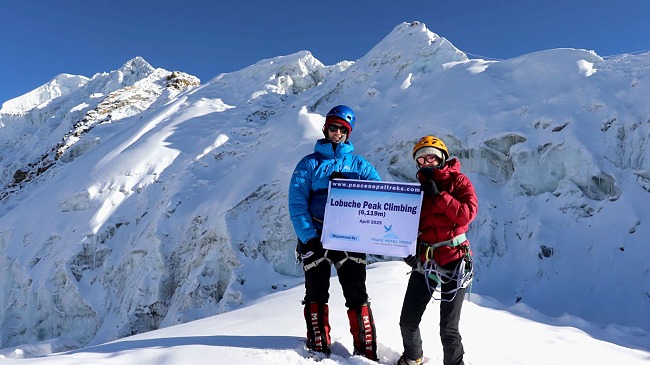
Plan your ultimate Himalayan adventure with Lobuche Peak Climbing via Gokyo Valley, Cho La Pass, and Everest Base Camp. Includes best time to trek and climb, full itinerary, camping, meals, gear rental, acclimatization tips, and weather updates.
View Details
The Mera Peak Climb with Amphu Lapcha Pass Trek is an epic adventure in Nepal that combines high-altitude mountaineering with one of the most challenging and scenic trekking routes in the Himalayas.
View Details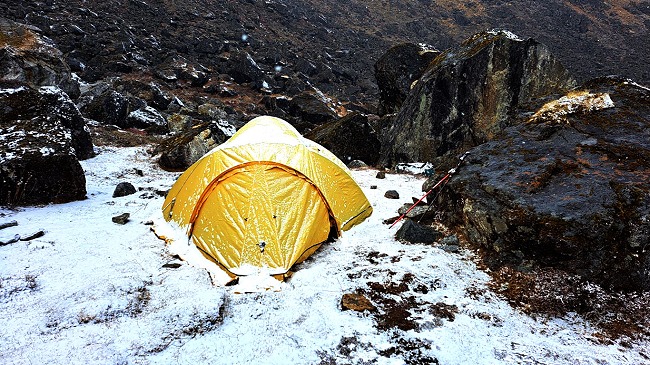
Explore the Langtang Valley Trek and summit Naya Kanga Peak (5,844m) with our comprehensive guide covering itineraries, permits, gear, and more.
View Details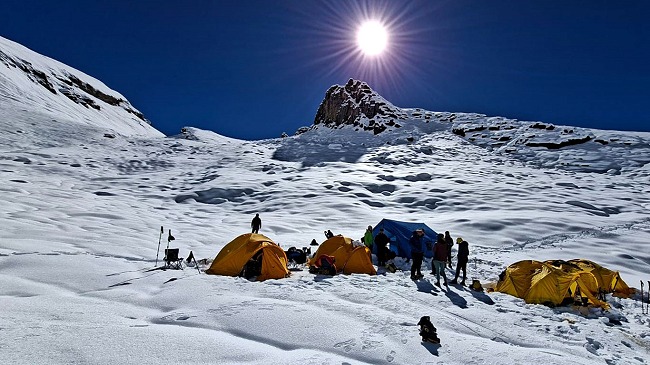
Explore Pisang Peak and the Annapurna Circuit with Tilicho Lake. Get insights on costs, itinerary, accommodations, permits, and expert tips.
View Details