The Helambu Trek is a captivating journey through Nepal's Langtang region, offering trekkers a blend of cultural immersion, natural beauty, and spiritual enrichment. Ideal for those seeking a shorter trek without compromising on experience, this route unveils the rich tapestry of the Hyolmo people's traditions, verdant landscapes, and panoramic Himalayan vistas.
Overview of the Helambu Trek
- Duration: 5 to 9 days
- Starting Point: Sundarijal (1,390m)
- Ending Point: Melamchi Pul Bazaar
- Maximum Elevation: Tharepati Pass (3,650m)
- Difficulty: Moderate
- Best Seasons: Spring (March–May) and Autumn (September–November)
- Region: Langtang, Bagmati Province, Nepal
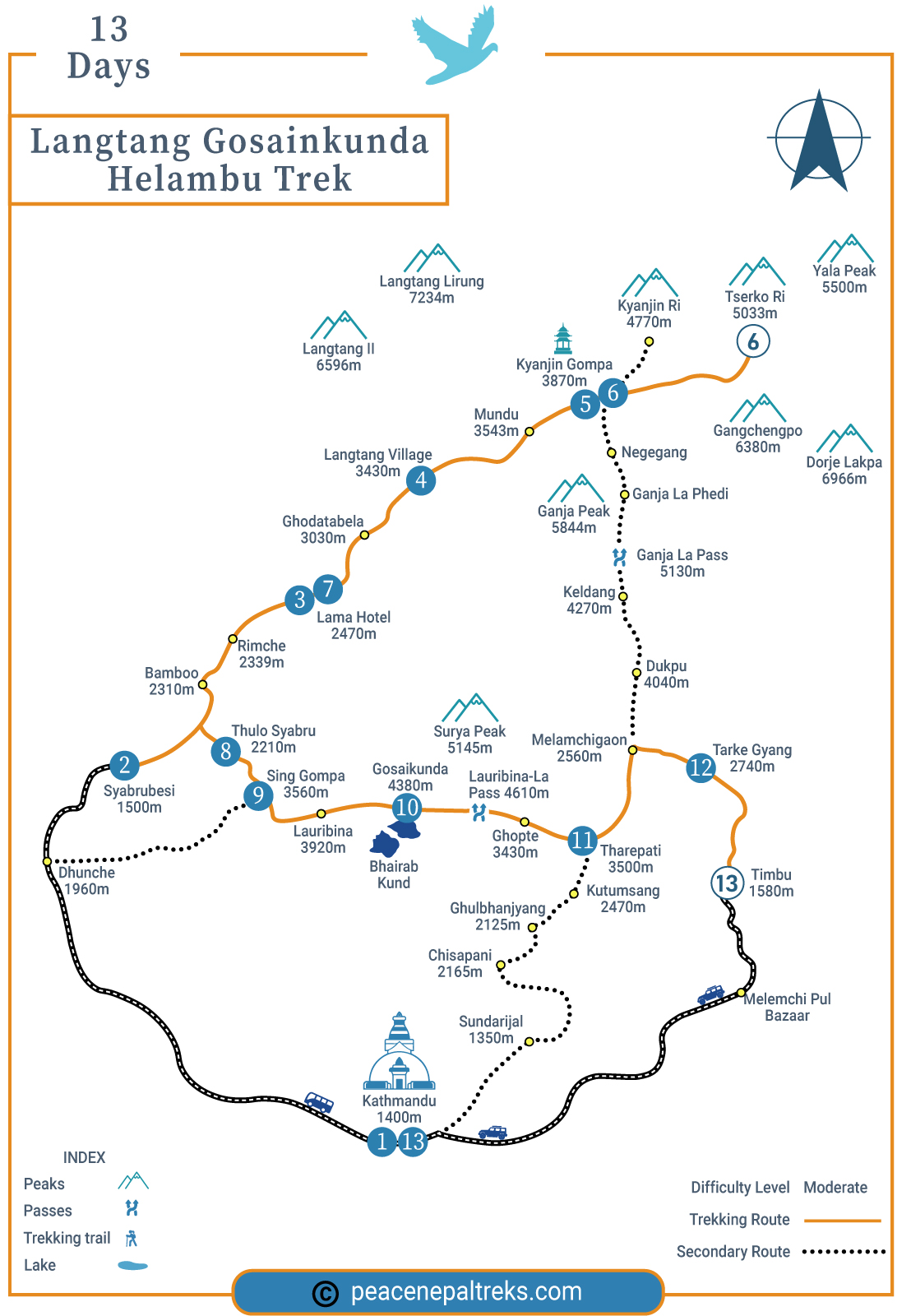
Commencing with a drive from Kathmandu to Sundarijal, the trek ascends through the lush forests of Shivapuri National Park. Traversing traditional villages such as Chisapani, Kutumsang, Tharepati, and Tarke Gyang, trekkers are treated to a mosaic of cultural experiences and natural wonders. The journey culminates at Melamchi Pul Bazaar, encapsulating the essence of the Helambu region.
Highlights of the Helambu Trek
1. Cultural Immersion
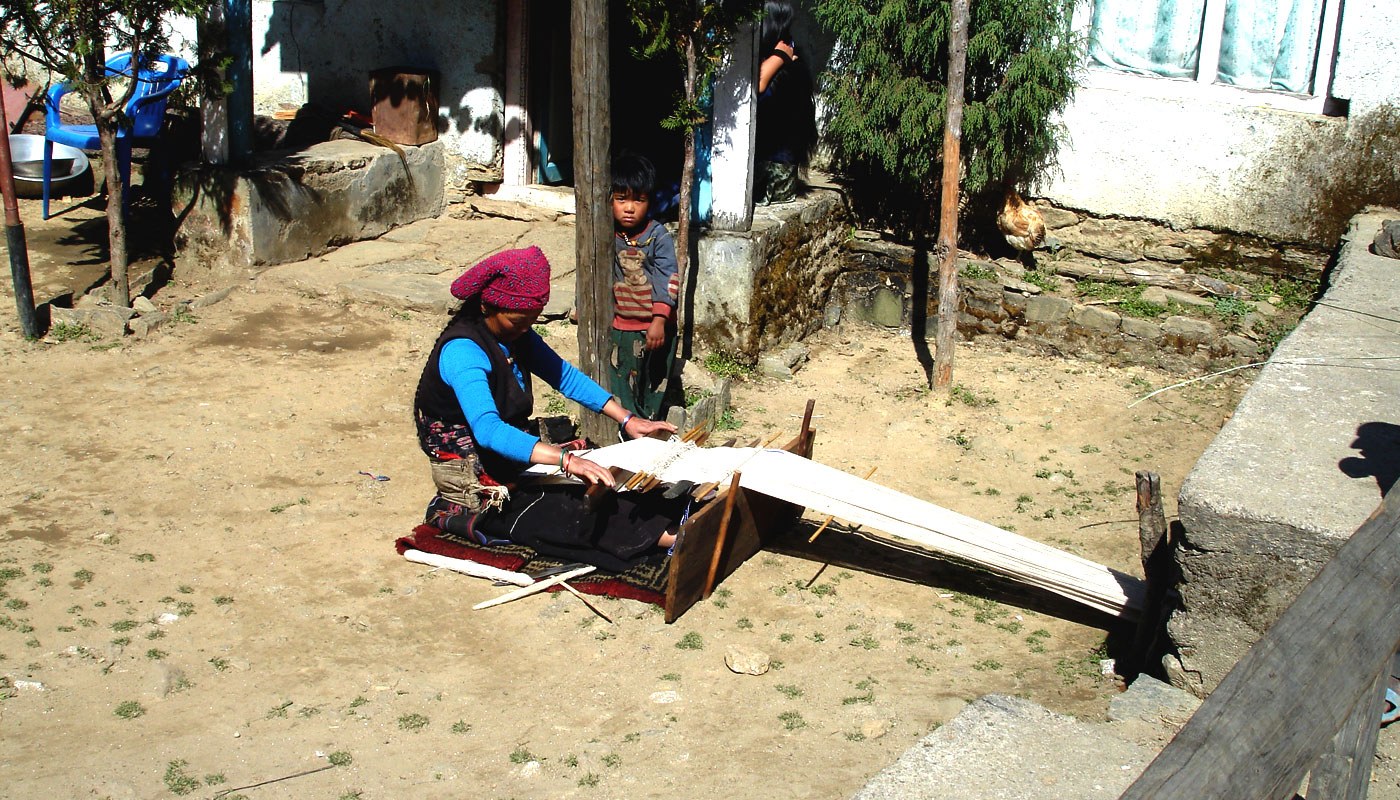
Engage with the Hyolmo community, an indigenous group with Tibetan Buddhist roots. Their unique language, traditions, and festivals, such as Losar (Tibetan New Year), offer a deep dive into a rich cultural heritage. Villages like Tarke Gyang and Sermathang are adorned with ancient monasteries, chortens, and prayer flags, reflecting centuries-old spiritual practices.
hwwtreks.com
2. Scenic Landscapes
The trail meanders through diverse terrains, from dense rhododendron and pine forests to terraced fields and alpine meadows. Trekkers are rewarded with panoramic views of snow-capped peaks, including Langtang Lirung, Ganesh Himal, and Dorje Lakpa.
3. Accessible Adventure
Proximity to Kathmandu makes the Helambu Trek easily accessible, eliminating the need for long travel times. Its moderate difficulty level caters to both novice and seasoned trekkers, offering a fulfilling Himalayan experience without the challenges of high-altitude trekking.
4. Serene Trails
Unlike the bustling routes of Everest or Annapurna, Helambu offers tranquil paths less frequented by tourists. This serenity allows for a more intimate connection with nature and local communities.
Adventure Great Himalaya
Detailed 7-Day Itinerary
Day 1: Drive from Kathmandu to Sundarijal (1,390m), trek to Chisapani (2,165m) – 4-5 hours
Day 2: Trek from Chisapani to Kutumsang (2,470m) – 6-7 hours
Day 3: Trek from Kutumsang to Tharepati (3,650m) – 6-7 hours
Day 4: Trek from Tharepati to Melamchi Gaon (2,530m) – 5-6 hours
Day 5: Trek from Melamchi Gaon to Tarke Gyang (2,600m) – 4-5 hours
Day 6: Trek from Tarke Gyang to Sermathang (2,590m) – 4-5 hours
Day 7: Trek to Melamchi Pul Bazaar, drive back to Kathmandu – 6-7 hours
Note: Itineraries can be customized based on time constraints and fitness levels.
Practical Information
- Accommodation: Teahouses and lodges along the trail offer basic amenities and local meals.
- Permits: Trekkers require a Langtang National Park Permit and a TIMS card.
- Guides and Porters: Hiring local guides and porters is recommended for navigation and cultural insights.
- Packing Essentials: Warm clothing, rain gear, trekking poles, and a first-aid kit are essential.
The Helambu Trek is a harmonious blend of cultural exploration and natural beauty, offering trekkers a unique experience close to Kathmandu. Its moderate difficulty, rich cultural encounters, and stunning landscapes make it an ideal choice for those seeking a short yet fulfilling Himalayan adventure.