Wow, Nepal has so much to offer these days that one would be surprised. While traveling through one of the national highways in the hills recently, I had to remind myself of how lucky I was to be born here. It’s just that I had not realized it sooner. The road meandering along the river was an experience in itself. These roads are the backbone of Nepal transporting people and goods from one place to another. It was almost surreal to witness roads that cut right through the green hills along the side of the river. You are wondering as to what might be there in those hills that you see miles on end. Then occasional villages and small houses that appear very idyllic are truly a scene in itself. I have uploaded one of the video clips here to give you the idea.
Nepal has gradually developed into a holiday destination that has more choices than before—be it an immersion into an urban sprawl called Kathmandu with medieval cities to brief hiking in the foothills of the Himalayas or a jungle safari in the plains of Nepal. Visiting Nepal will give you more bang for your buck as it has more to offer these days. The lush green mid-hills of Nepal which occupy almost half the country have villages and settlements that I call ‘hidden gems.’
Nepal is facing a cultural war with many young people swaying towards the Western lifestyle while the older generation still going about in centuries-old practices. If we can find a balance between these two different lifestyles like maintaining the unique culture that the tourists come to explore and at the same time developing our country with modern technology.

Kathmandu (1400m), the capital of Nepal, has a rich history of its own. It is also a center for tourism and their related activities. With the country’s only international airport situated in Kathmandu, many tourists touch down here before embarking to other places. The big hotels and tourist activities are centered mostly in Kathmandu but slowly other tourist hotspots like Pokhara (800m) and Chitwan (415m) are growing in prominence too.
Many kingdoms and dynasties had their beginning here. Some went on to rule this place for thousands of years like the Malla dynasty. Theirs was a time when Kathmandu developed into one of the most beautiful cities in the world. The arts and crafts developed during their rule are still considered the best not just in Nepal but in the world too.
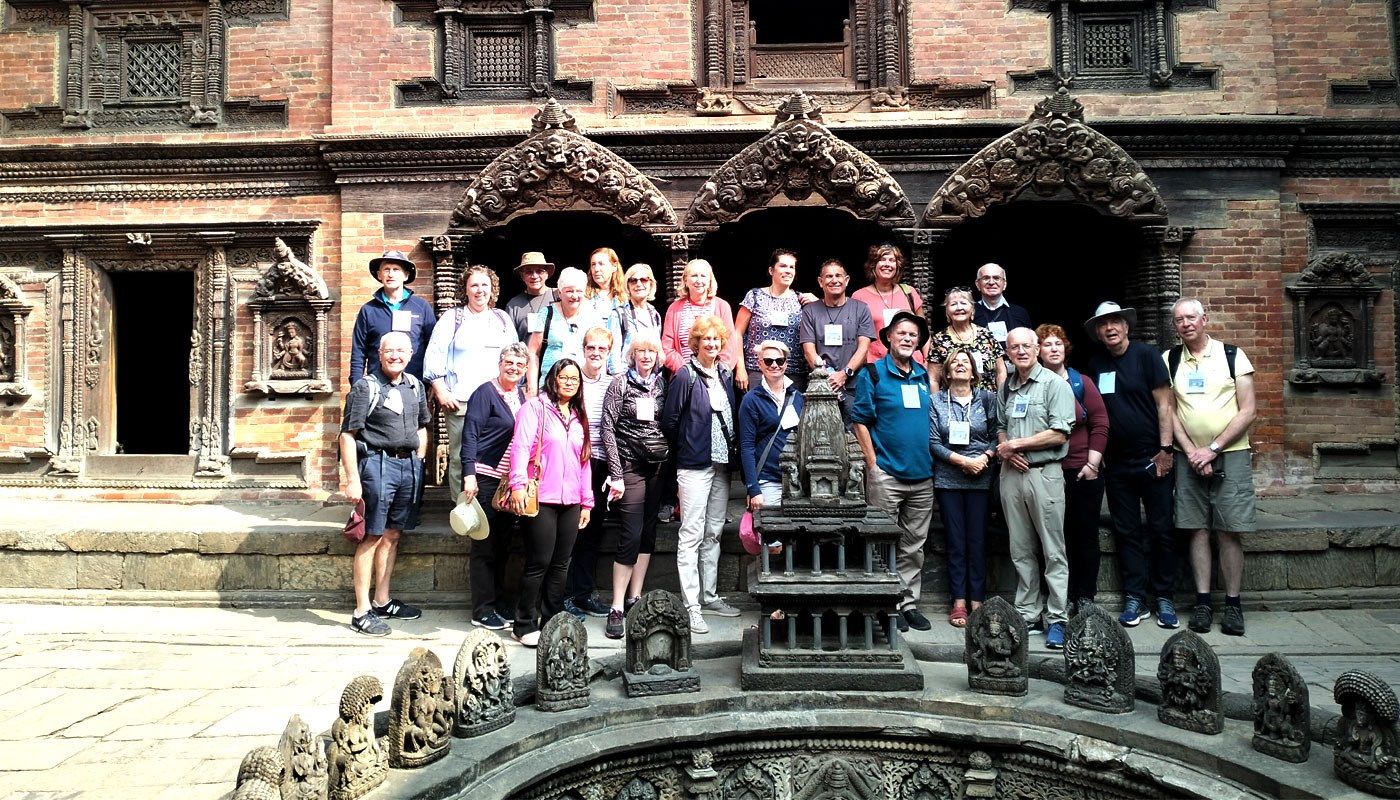
The three sister cities, chiefly Kathmandu, Patan, and Bhaktapur flourished into towns with the ruling class designing grand places while the middle and lower classes were involved in making them. The kings and the rulers had a big sway on how the country moved forward. The Malla kings (1201-1779) were mostly behind what made Kathmandu into what it is today. Their keen interest in arts and crafts and love for grand architecture gave us those beautiful temples and palace courtyards still standing today. The three durbar squares in Kathmandu, Patan, and Bhaktapur stand as a testament of world-class architecture and handicrafts.
Swayambhu: Perched on a small hillock south of Kathmandu valley, Swayambhu is a very popular religious site for both locals as well as with tourists. Said to be built in the fifth century the site of the Stupa is home to many small chaityas (small Buddhist stupas) along with the main big stupa of Swayambhu. Another main attraction is of Haratimata, a temple dedicated to goddess Harati who once protected the residents of Kathmandu from evil. Apart from that, you can visit a museum and a Gumba built recently.
Bauddhath Stupa: Another Buddhist Stupa in the north-east of Kathmandu is Bauddha. Considered as one of the largest stupas in the world, Bauddha holds a significant place among the people of Kathmandu, chiefly with followers of Tibetan Buddhism. Many gumbas have sprung up recently which shows the religious significance of this place. Other than that, one can go bargain hunting for many handicrafts like thankas, carpets, woolen goods, and more.
Pashupatinath Temple: Highly revered in the Hindu circle in Nepal as well as India, Pashupatinath is perhaps the most important Hindu temple in Nepal. Built in 400 AD by Prachanda Dev during Lichavi time, it is a pagoda style temple. The two-story roof of this temple is made of gold with intricate designs adorning doors on all four sides are remarkable. Visitors other than Hindus are not allowed inside this temple.
Another reason for people visiting this place is for cremation. As Hindus cremate their dead bodies, there is a facility at the bank of the Bagmati River where many bodies are brought for their last rites. It is also a big tourist draw besides being famous with the locals.
Chitwan National Park: Regarded as one of the best national parks in the world, the place is the home to many one-horned rhinos found in Nepal. This park is the reason behind a big success story in rhino conservation in Nepal. There were just a couple of hundred rhinos in Chitwan just a couple of decades ago. Now there are more than 500 of these pachyderms roaming freely here. The then government had brought a Rhino Conservation Program which went on to be a big success bringing back these beautiful animals from near extinction. The park extends up to 952 square kilometers with rich biodiversity. Another success story associated with Chitwan is of Royal Bengal Tiger. This big cat too faced extinction from Nepal. With programs to conserve this mammal, there has been a significant rise in number of these big cats to 355.
Pokhara City: The government recently declared this city the Tourist Capital of Nepal. It is one of the most beautiful places in Nepal. The panoramic view of the Himalayas from here is world famous, with mountains such as Fishtail and Annapurna within close range. Pokhara is also the starting and ending point for many famous trekking routes, such as Annapurna Circuit, Annapurna Base Camp (ABC), and Muktinath.
Hiking which lasts just a day or two or one that can be done in a couple of hours can be sometimes more rewarding. No more walking for weeks and months. You simply go out and trek for a couple of hours to reach the destination for what you have come for. I have introduced some of the short hikes in details that we will be taking during your trip in Nepal.
Short hikes are more refreshing as it is not too hard physically for you. While one might be totally worn out by one of those long treks the benefits of short hike done a day or two is an experience that is quite different from a longer trip. Besides, short hiking can be planned in a short time.
All hikes take you close to nature. Australian Camp hike is one of those trips where you will see mountain ranges like Machapuchre, Annapurna, and Dhaulagiri (8167m) like you have never seen before. The trek is actually a three-hour drive to Dhampus from Pokhara. After completing the drive you will be hiking for three more hours until you reach Australian Camp. Nestled in the hilltop among the forest the place is a must-visit site when in Pokhara. One will see Magar, Gurung and Bhramin villages along the way to this site. Many prefer to stay in tents while spending overnight there which is a great way to spend the night but we will be staying in a teahouse. The trekking route is dotted with stone steps to make the walking easy for travelers. The reason this place is called an Australian Camp is because many use this hiking like camping with tents

Though we will be driving to Sarangkot when in Pokhara, many also turn this drive into a short hike from Pokhara. This is a great way to make it more adventurous plus getting physical exercise at the same time. Sarangkot is very popular among the locals too because the place is at a location where one can see the Pokhara city from high above the hill and see the panoramic view of the Himalayas in the north at the same time. It is also a place for viewing sunrise and sunset from just a short distance away from the Pokhara city.
Many see hiking as a pastime done in the mountains but here we will take a short jungle hike when in Chitwan National Park. This short hike done with an experienced guide is a great adventure in the forest on foot. You will hear the chirping of the birds and see small animals too. The experience is a stark difference from Jungle safari in a vehicle or an elephant ride.

The cultural and historical tour with short hikes in any country having these environments is totally a different travel plan. Many are backpackers too and can get included in the group while you are in Nepal. All you need to do is just contact our staff and rest we will take care. The best option is to book your trip through our official website. If you have any question regarding the nature of the trek, you can chat live with our customer care officer or phone directly. We will be going according to the daily travel plan but if you need to customize your trip, which too is possible.
When you arrive at Tribhuvan International Airport (TIA) in Kathmandu, our team will greet you and take you to your hotel. They will help you with the check-in process. You will stay at a 4-star hotel in Kathmandu, such as Hotel Lo Mustang or a similar one.
After breakfast, our guide will meet you at your hotel around 8 AM and explain today's plan. We will visit Kathmandu's historical sites, including Swayambhunath Temple, Pashupatinath Temple, and Boudhanath Stupa. After visiting the first two places, we'll have lunch at a restaurant near Boudhanath Stupa and drive to airport to fly Chitwan. We stay in Chitwan Adventure Resort or similar stay
1st Day: -
Guide pick you at the bus station in chitwan.
(a) Welcome drink & short briefing about program and facilities
(b) Lunch
(c) Visit Tharu village.
(d) Museum tour & sunset viewing over the Rapti River
(e) Dinner
(f) Tharu stick Dance
2nd Day: -
(a) Wake-up Call and breakfast
(c) Jungle hike with perfect nature guide
(d) Lunch
(e) Elephant Bathing
(f) Jeep Safari
(g) Free time for refreshment and Dinner
3rd Day: -
(a) Wake-up Call and Tea/Coffee
(b) Bird Watching/Elephant Breeding Center
(c) Breakfast and Back to Destination to Kathmandu.
Today, we’ll complete our final activities in Chitwan before taking an afternoon flight to Pokhara. After checking into Shaara Hotel or a similar hotel, we’ll go for a walk around the lakeside and enjoy dinner. You'll stay overnight in Pokhara.
Today, we’ll explore the main tourist attractions in Pokhara. We will visit the Peace Stupa, which offers stunning views of the city and the Himalayas. Then, we’ll stop by Devi’s Fall, a beautiful waterfall, and the nearby Gupteshwor Cave. We will also visit Shree Bindhyabasini Temple, one of the oldest temples in Pokhara, and Barahi Temple, located in the middle of Phewa Lake. Additionally, we’ll explore the International Mountain Museum, which shares the history of mountaineering in Nepal. You’ll stay overnight in a hotel in Pokhara.
Early in the morning, we’ll go to Sarangkot to see the Annapurna Himalayas and the sunrise. After visiting Sarangkot, we’ll return to the hotel for breakfast. Then, we’ll drive to Dhampus for a hike to Australian Camp, which takes about 3 hours drive and walking about 3 hours. You’ll stay overnight in a simple tea house at Australian Camp.
Sarangkot is a popular hilltop near Pokhara, Nepal, known for its breathtaking sunrise and sunset views over the Himalayas, including Annapurna and Dhaulagiri ranges. Situated at 1,600 meters, it offers a panoramic view of Pokhara Valley, Phewa Lake, and the surrounding landscapes. Sarangkot is also famous for adventure activities like paragliding, attracting tourists seeking thrilling experiences. It's easily accessible from Pokhara, either by a short drive or a hike. The serene atmosphere and stunning vistas make it a perfect destination for nature lovers and those looking for a peaceful escape.
Australian Camp, located near Dhampus in the Annapurna region of Nepal, is a popular trekking destination offering stunning views of the Annapurna and Dhaulagiri ranges. At 2,050 meters, it provides a peaceful retreat surrounded by lush forests and traditional villages. The camp is a great stop for trekkers on the way to Poon Hill or Mardi Himal. It's easily accessible from Pokhara, making it ideal for short treks and nature enthusiasts seeking panoramic Himalayan vistas.
Walk downhill for about 3 hours, then drive to Pokhara, which takes about 2 hours. We'll have lunch in Pokhara, then take an afternoon flight to Kathmandu. You'll spend the night in a hotel in Kathmandu, 4-star hotel in Kathmandu.
Fly back home with wonderful memories of your holiday in Nepal.
A historical tour in Nepal focuses on exploring the country's rich cultural heritage, including ancient temples, stupas, palaces, and UNESCO World Heritage sites, as well as understanding its historical significance and traditions.
Key destinations include Kathmandu (Swayambhunath, Pashupatinath, Boudhanath, and Durbar Squares), Pokhara (World Peace Pagoda and International Mountain Museum), and heritage sites in Chitwan, along with cultural treks like the Australian Camp trek.
Nepal is home to centuries-old temples, stupas, and palaces, many of which are UNESCO World Heritage sites. Its blend of Hindu and Buddhist cultures, along with ancient architecture and traditions, makes it a unique historical destination.
Historical tours can range from 3 to 12 days. A standard itinerary like the one provided by Peace Nepal Treks lasts about 8 days, combining history, culture, and some light adventure.
Yes, having a guide enhances your experience by providing in-depth knowledge about the history, culture, and significance of each site, ensuring you don’t miss important details.
Yes, the historical tour is designed for all age groups. It involves light walking and cultural exploration, making it suitable for families and elderly travelers.
The tour includes visits to ancient temples and stupas, interactions with locals, witnessing traditional rituals, and exploring rural lifestyles during homestays or tea house treks.
The best time is during spring (March–May) and autumn (September–November), when the weather is pleasant and the skies are clear for sightseeing and photography.
Pack comfortable walking shoes, modest clothing for visiting temples, sunscreen, a hat, a camera, and a light jacket for cooler mornings and evenings.
Most tour packages include entrance fees to historical and cultural sites, but it’s good to confirm this with the tour provider.
Yes, most tour operators, including Peace Nepal Treks, allow customization. You can request additional sites like Lumbini (birthplace of Buddha) or other historical regions.
A historical tour in Nepal combines cultural exploration, temple visits, light trekking, and scenic sightseeing. To ensure comfort and enjoyment throughout the journey, here’s a list of necessary equipment you should bring along.
1. Comfortable Footwear
2. Modest Clothing
3. Sun Protection
4. Daypack or Small Backpack
5. Camera or Smartphone
6. Water Bottle
7. Light Jacket or Sweater
8. Personal Medications and First Aid Kit
9. Insect Repellent
10. Power Bank/Portable Charger
11. Travel Documents and Money
12. A Journal or Notebook
The best seasons for a historical tour in Nepal are Autumn (September to November) and Spring (March to May), with Winter (December to February) also being a good option for those who prefer fewer crowds and don’t mind the cold. The monsoon season (June to August) should be avoided due to heavy rains. Here's a breakdown of each season:
For the best historical tour experience in Nepal, Autumn (September-November) and Spring (March-May) are ideal, offering clear weather and vibrant cultural experiences. Winter (December-February) is also a good option for those seeking a quieter and less crowded visit. Avoid the monsoon months (June-August) to ensure the best experience.
Travel insurance is strongly recommended for all participants joining the Everest View & Heritage Break Tour—even though this itinerary doesn’t involve trekking or high-risk activities. Here's why:
No reviews yet. Traveled with us on this trip? Be the first to share your experience.
Enjoy the popular trekking and tour packages in Nepal Himalayas. 2026.

Experience Buddhist rituals and Nepali village life in this 3-day Namobuddha & Thulo Parsel tour. Peace, culture & local homestay charm await!
View Details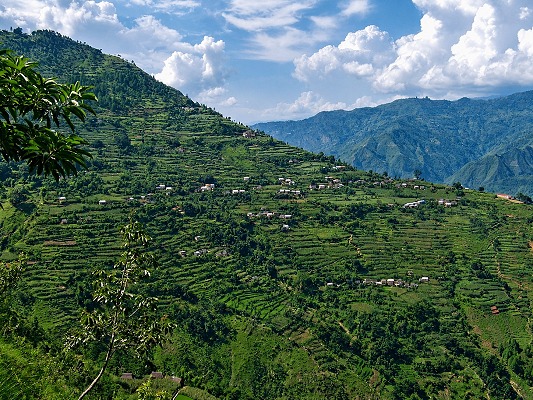
Local Village Homestay in Kavre. village homestay staying is extra unique experience rural village in Nepal with local family host and treated as a local rather than as a guest.
View Details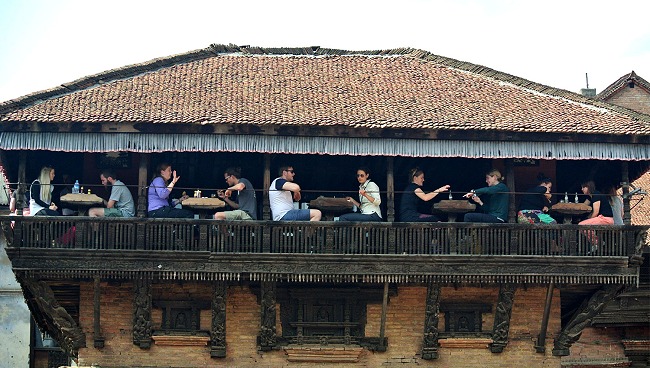
Explore Nepal's beauty in just 4 days with a scenic Everest helicopter tour, Himalayan sunrise in Nagarkot, and cultural visits to Bhaktapur, Kathmandu, and sacred sites. Perfect for luxury travelers, couples, and culture lovers.
View Details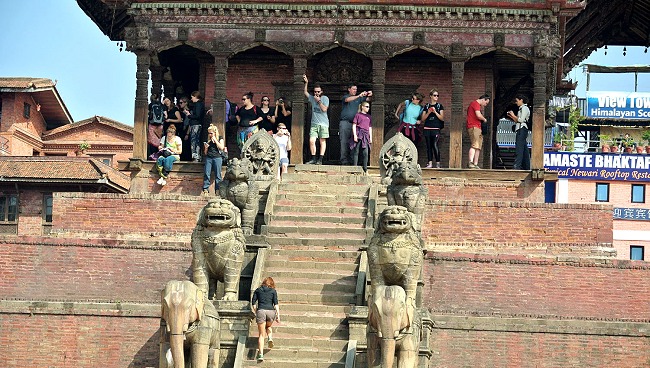
Explore Kathmandu, Nagarkot, Namobuddha, Bhaktapur and village life on an 8-day Nepal cultural and spiritual tour with local guides and authentic stays.
View Details
Explore four UNESCO World Heritage Sites on a 1-day Kathmandu city sightseeing tour with a private guide and vehicle. Discover Nepal’s culture and history.
View Details
Simple, warm homestay in Kathmandu with Nir & Chamelee Tamang. Enjoy Nepali meals, family life, and dal bhat cooking at Peace Homestay.
View DetailsAdrian Mula
Robert and Arnica Reurekas
Patrick Keulens Helmond
Richard Kirtley
Chang Jong Kwon
Lim Tianshun
Mark Eversham