Find Your Tour

    Manaslu Circuit Trek

    13 days From USD 995 Fixed departures available
    Book Now Make Inquiry Local experts, secure booking, no hidden costs
    Manaslu Circuit Trek

    Facts About Trip

    Duration13 Days
    GradeModerate to Hard
    Best monthOctober/November/December, April/May/June
    Max ElevationLarkya La pass 5,160m
    Group sizeMinimum two people
    AccommodationLodge Accommodation on trek
    MealSelf - Paid
    Starts FromDrive: Kathmandu - Machha khola
    End atDrive: Dharapani - Kathmandu

    Overview And Highlights

    Manaslu Circuit Trek – Cost, Itinerary, Map, Distance & Best Time Guide

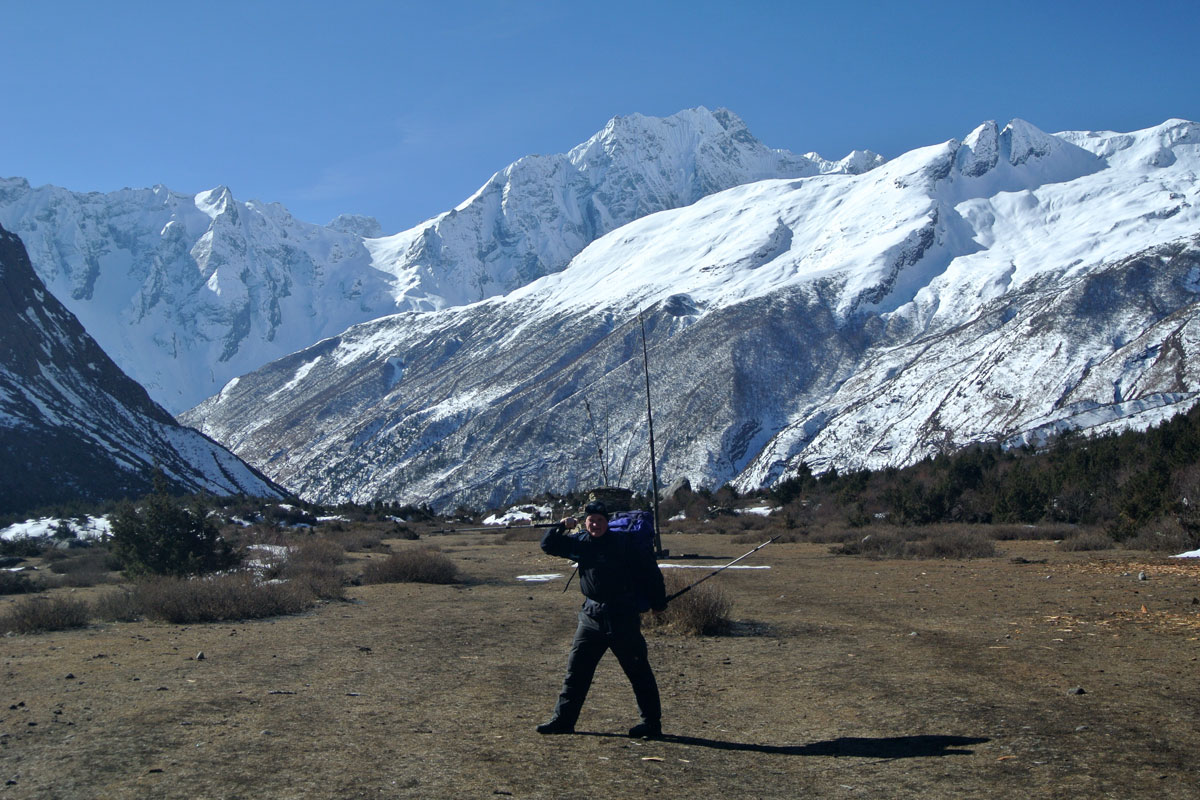
    The Manaslu Circuit Trek is one of Nepal’s finest remote Himalayan adventures. It circles Mount Manaslu (8,163m), the eighth-highest mountain in the world, offering dramatic landscapes, Tibetan-influenced culture, and a quieter alternative to the Annapurna Circuit. This trek is ideal for trekkers seeking wilderness, cultural depth, and a challenging high-pass crossing.

    This guide covers everything you need to know about the Manaslu Circuit Trek cost, detailed itinerary, trekking distance, route map, best time to trek, group joining options, and essential planning information.

    Manaslu Circuit Trek Cost & Price

    The Manaslu Circuit Trek cost varies based on itinerary length, season, group size, accommodation level, and whether you join a group or book a private trek.

    • 1 person Cost: USD 1150 per person
    • 2 person cost: USD 1025 per person
    • 4+ person cost: USD 850 per person

    The price typically includes permits, licensed guide, porter support, accommodation, meals during the trek, transportation, and government taxes. Flights are not required, making the Manaslu Circuit more cost-effective than some other high-altitude treks.

    Manaslu Circuit Trek Group Joining

    Group joining Manaslu Circuit Trek is mandatory due to restricted-area regulations. A minimum of two trekkers is required, along with a licensed guide.

    • Lower overall cost per person
    • Fixed departure dates during peak seasons
    • Shared guide and logistics
    • Ideal for solo travelers

    Group joining departures are most common in spring and autumn, with guaranteed dates and transparent pricing.

    Manaslu Circuit Trek Itinerary Overview

    The standard Manaslu Circuit Trek itinerary takes 13–15 days, depending on acclimatization and side trips.

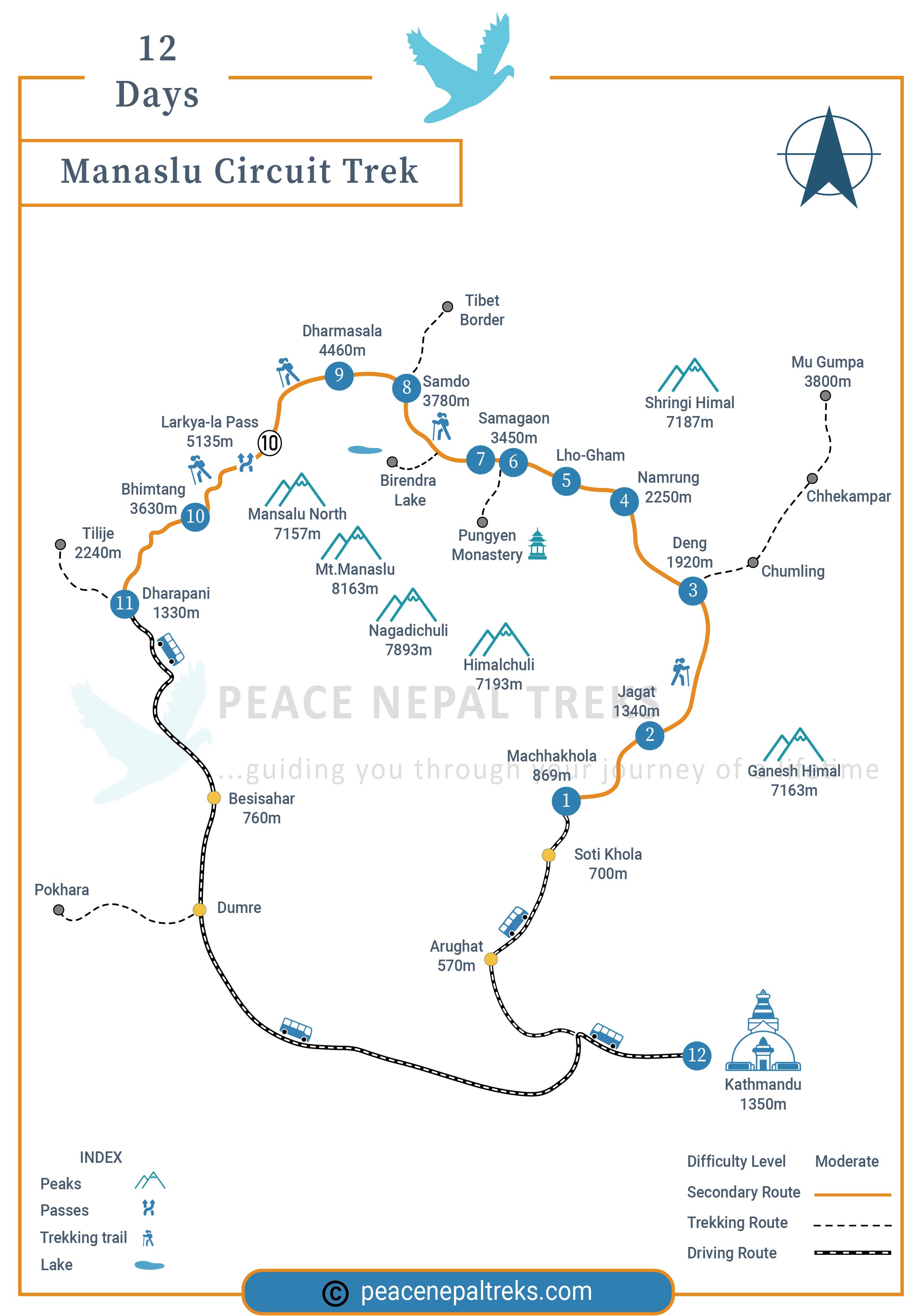
    • Day 1: Drive Kathmandu to Machha Khola
    • Day 2–5: Trek through Jagat, Deng, and Namrung
    • Day 6–7: Samagaon acclimatization & Manaslu Base Camp hike
    • Day 8: Trek to Samdo
    • Day 9: Larkya Phedi
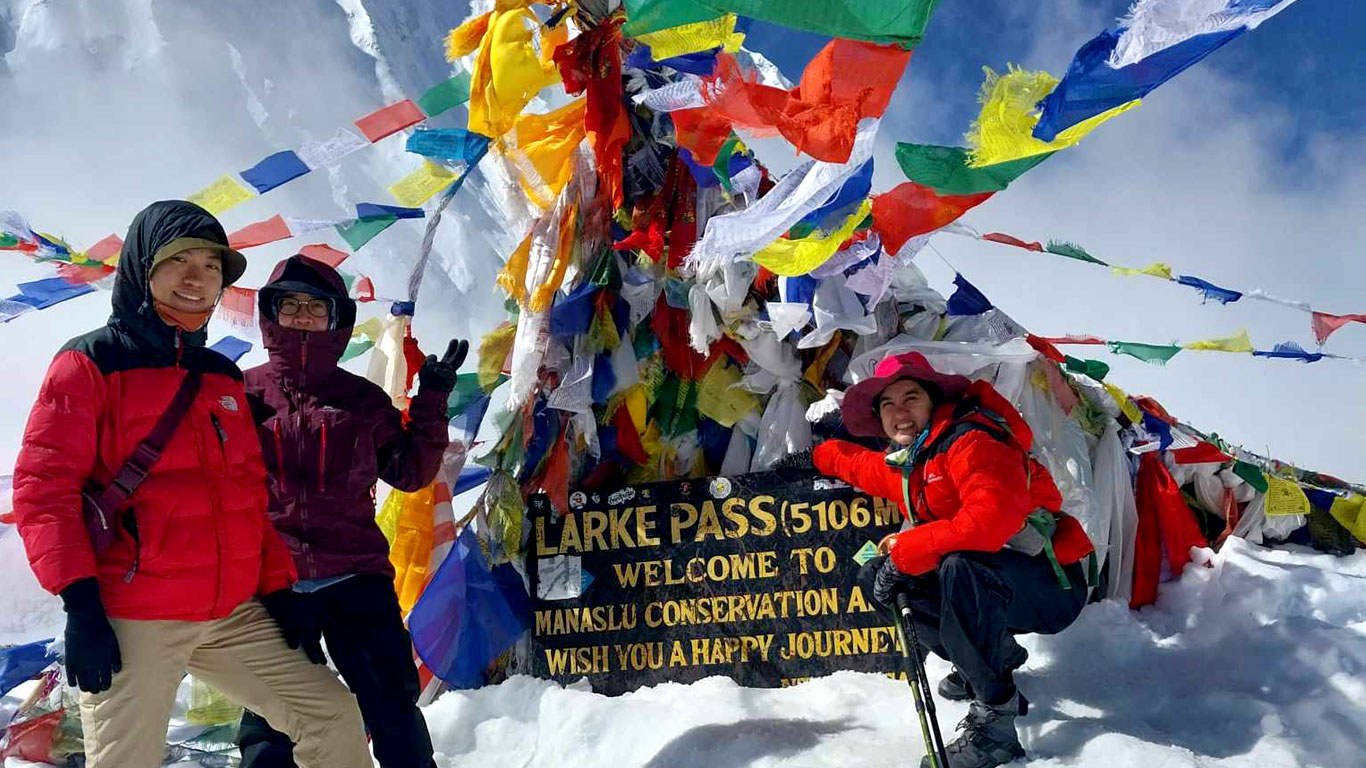
    • Day 10: Cross Larkya La Pass (5,160m) to Bimthang
    • Day 11–13: Descend to Dharapani and drive back to Kathmandu

    Optional extensions include Tsum Valley or extra acclimatization days for safer high-altitude trekking.

    Manaslu Circuit Trek Distance & Route Map

    The total Manaslu Circuit Trek distance is approximately 177–200 km, depending on route variations and side trips.

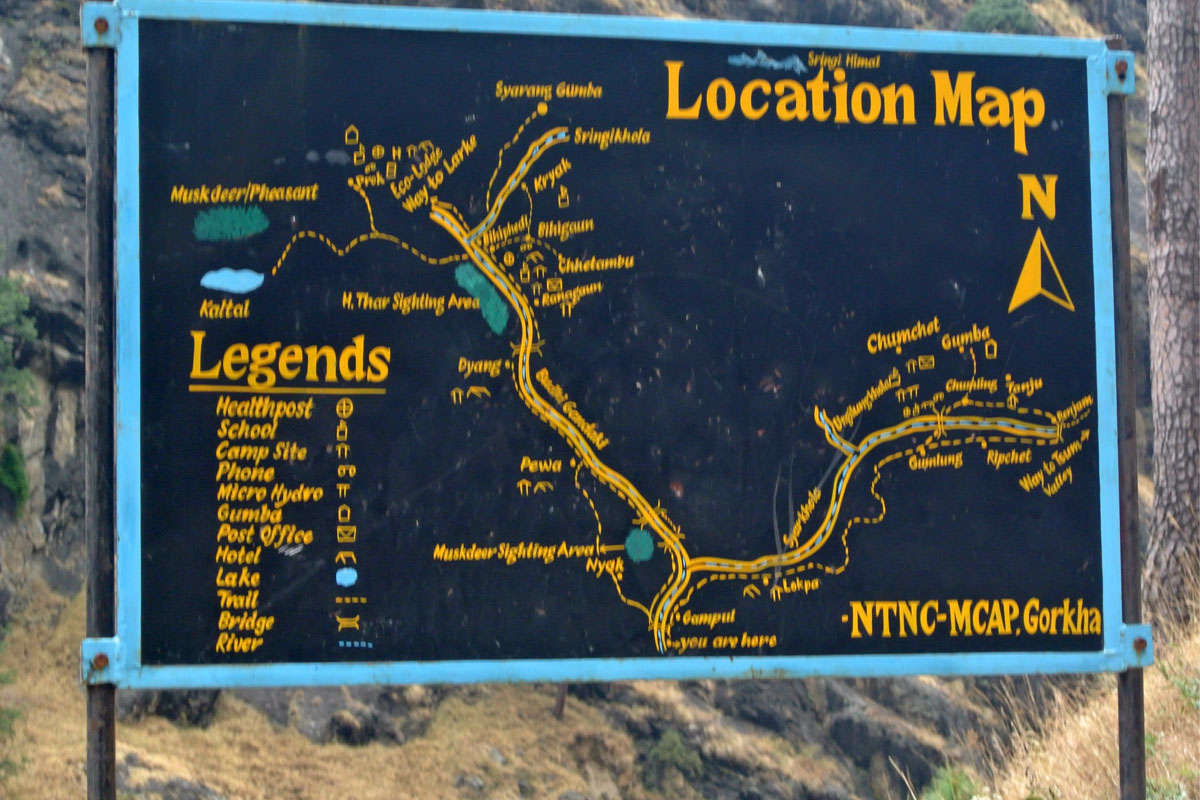
    The Manaslu Circuit Trek map follows the Budhi Gandaki River valley, gradually ascending through subtropical forests, alpine terrain, and glacial valleys before crossing Larkya La Pass and descending into the Annapurna region.

    This continuous circuit offers exceptional geographical diversity within a single trek.

    Best Time for Manaslu Circuit Trek

    Choosing the best time for the Manaslu Circuit Trek is crucial for safety and views.

    • Spring (March–May): Rhododendron blooms, stable weather, clear views
    • Autumn (September–November): Best visibility, dry trails, peak season

    Winter trekking is possible for experienced trekkers but includes snow at Larkya La. Monsoon season is not recommended due to landslides and poor visibility.

    Permits Required for Manaslu Circuit Trek

    The Manaslu region lies in a restricted area. The following permits are required:

    Permits must be arranged through a registered trekking agency. Independent trekking is not allowed.

    Difficulty Level & Physical Preparation

    The Manaslu Circuit Trek difficulty is considered moderate to strenuous. Daily walking ranges from 5 to 8 hours, with significant altitude gain.

    Proper acclimatization, fitness training, and pacing are essential, especially before crossing Larkya La Pass.

    Accommodation & Food on the Manaslu Circuit

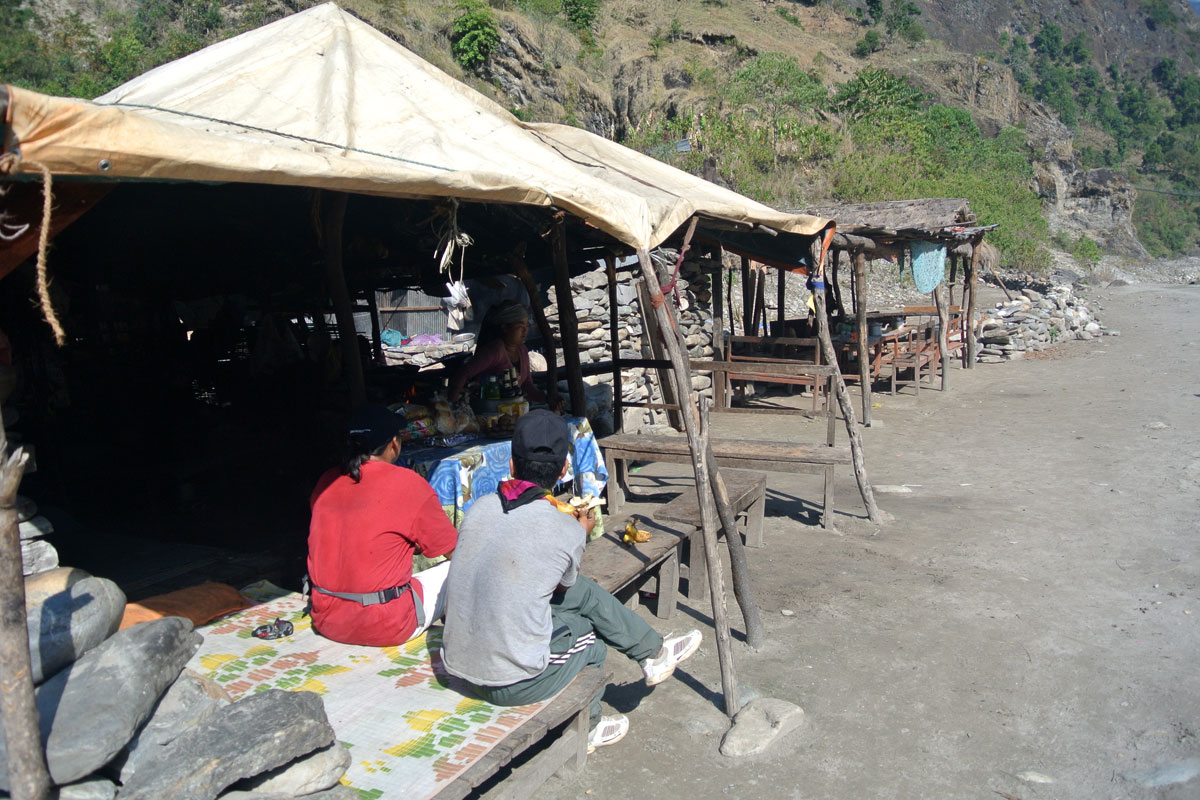
    Accommodation is provided in local tea houses. Rooms are basic but comfortable, and meals include Nepali, Tibetan, and simple Western dishes.

    Facilities become more basic at higher altitudes, adding to the authentic trekking experience.

    Why Choose the Manaslu Circuit Trek

    • Less crowded than Everest Region Trek and Annapurna Region Trek
    • High-altitude adventure with Larkya La Pass
    • Strong Tibetan cultural influence
    • Excellent value for cost and distance covered
    • Ideal for group joining trekkers

    The Manaslu Circuit Trek delivers outstanding value, remote beauty, and cultural authenticity. With a well-planned itinerary, reasonable cost, and unforgettable Himalayan scenery, it stands among the best long-distance treks in Nepal.

    If you are looking for a high-altitude circuit trek with fewer crowds, strong cultural encounters, and flexible group joining options, the Manaslu Circuit Trek is an exceptional choice.
    Day to Day Itinerary

    Food

    Self-Food

    Accomodation

    Lodge Stay Accommodation

    Elevation

    930 m.

    Upon arrival at Tribhuvan International Airport in Kathmandu, you’ll be greeted by a representative from Peace Nepal Treks. After a warm welcome, you’ll be transferred to your hotel in Thamel — either the International Guest House or Hotel Jampa. The first day is dedicated to rest and trek preparation. You’ll meet your guide, go over the trekking plan, check gear, and have time to explore the bustling streets of Thamel, known for its trekking shops, cafes, and cultural charm.

    Food

    Self-Paid

    Accomodation

    Lodge Stay Accommodation

    Elevation

    1,340 m.

    After an early breakfast, your journey begins with a scenic drive from Kathmandu to Machha Khola via Dhading and Arughat. The first half of the drive is on a well-paved highway, while the second half transitions into a rougher mountain road with beautiful views of rivers, hills, and rural Nepalese villages. This long journey gives you a glimpse of the countryside and Himalayan foothills. Arrive in Machha Khola by evening and check into a local tea house.

    Food

    Self-Paid

    Accomodation

    Lodge Stay Accommodation

    Elevation

    1,304 m.

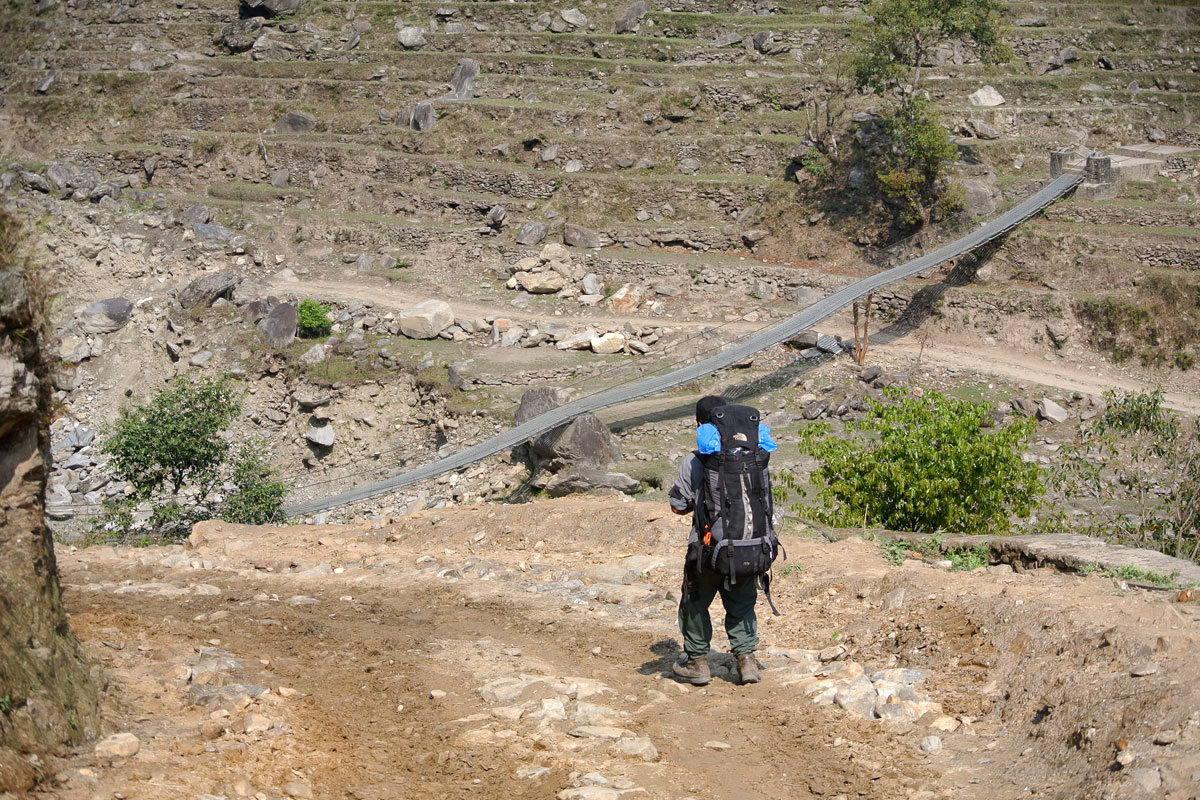
    Today, you’ll start walking along the narrow trails beside the Budhi Gandaki River. Cross several suspension bridges and pass through forested paths, small Gurung villages, and terraced farmland. After climbing a few ridges and descending again, you’ll reach the checkpoint village of Jagat, which officially marks the start of the restricted Manaslu region. Enjoy the peaceful surroundings and overnight at a local tea house.

    Food

    Self-Paid

    Accomodation

    Lodge Stay Accommodation

    Elevation

    1,860 m.

    Depart Jagat after breakfast, walking through stone-paved trails and lush forest paths. The trail ascends and descends through beautiful valleys, crossing small villages such as Salleri, Sirdibas, and Philim — a larger settlement with schools and police checkpoints. Continue through narrow gorges and cross several suspension bridges before finally reaching Deng, a small village offering basic tea house facilities.

    Food

    Self-Paid

    Accomodation

    Lodge Stay Accommodation

    Elevation

    2,630 m.

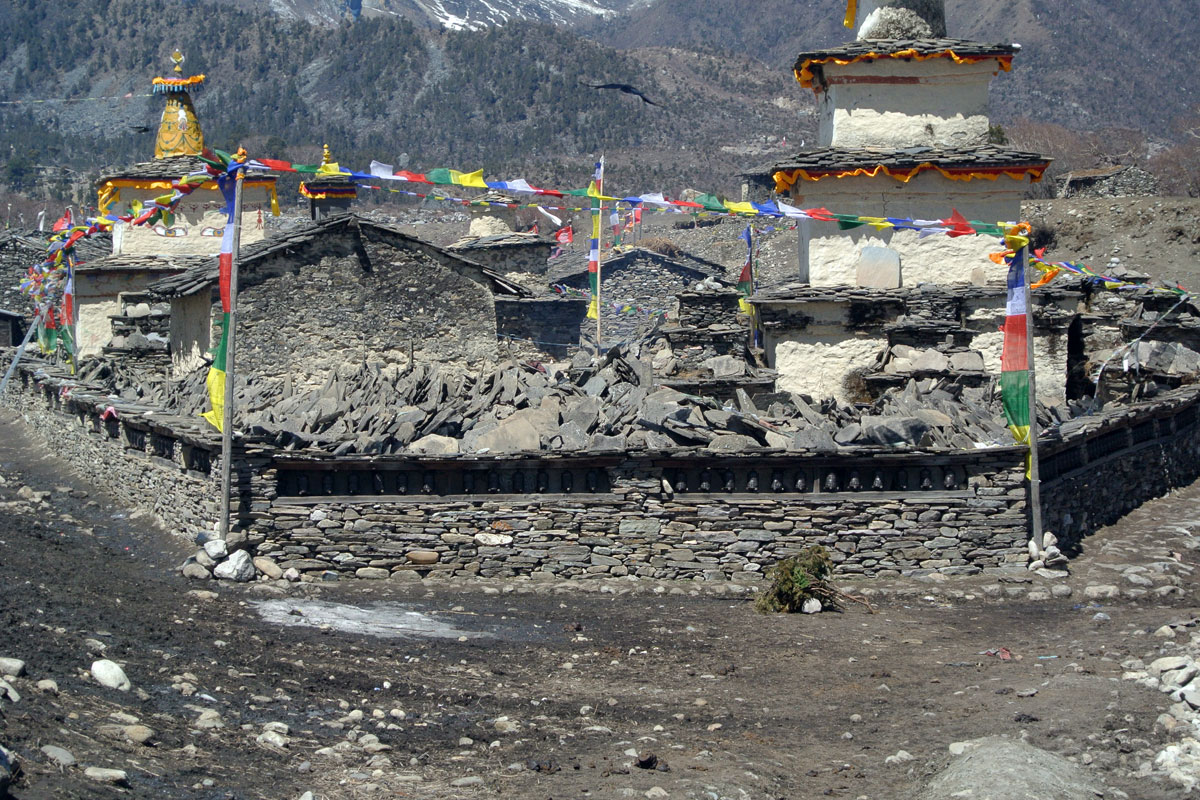
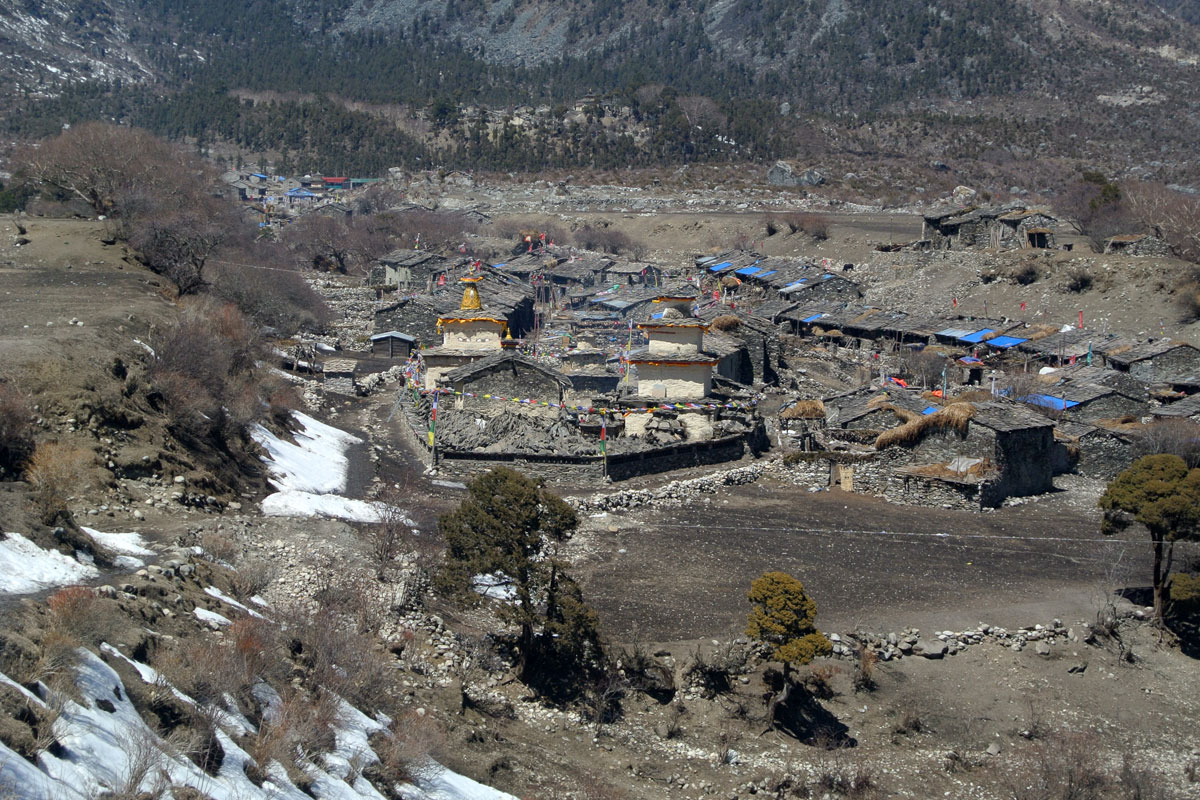
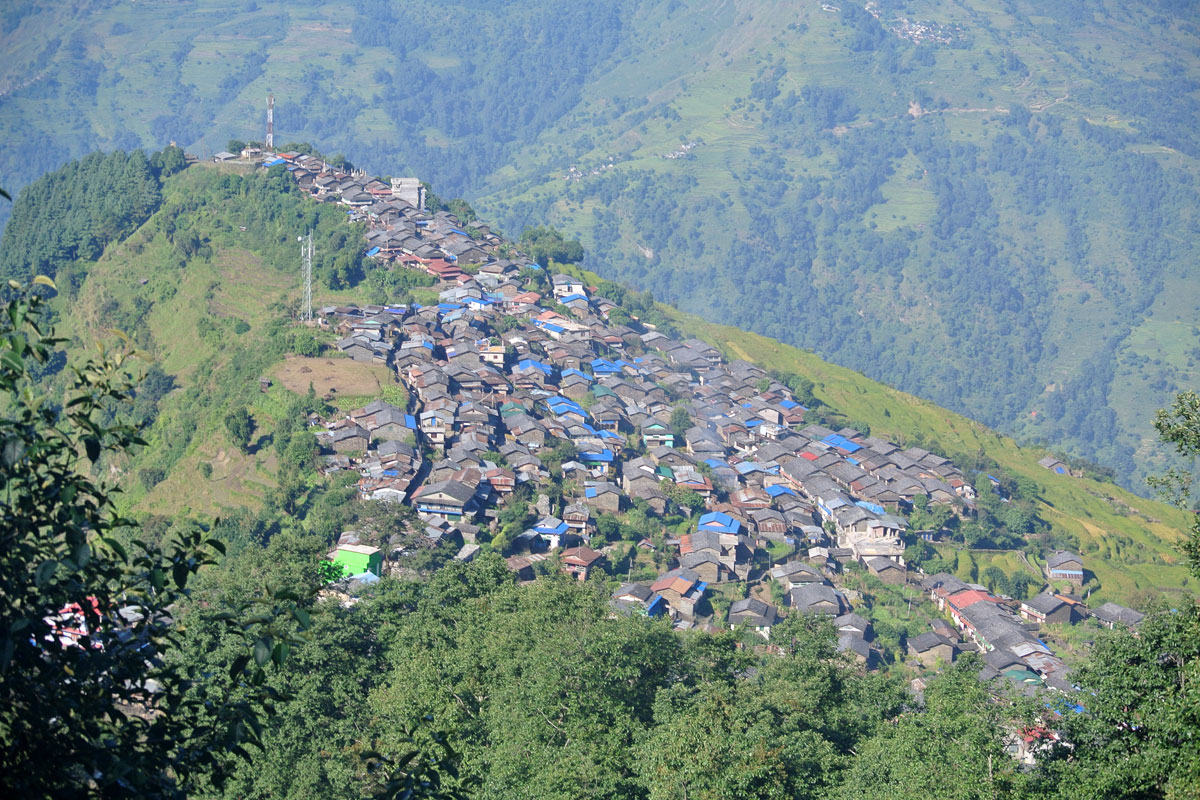
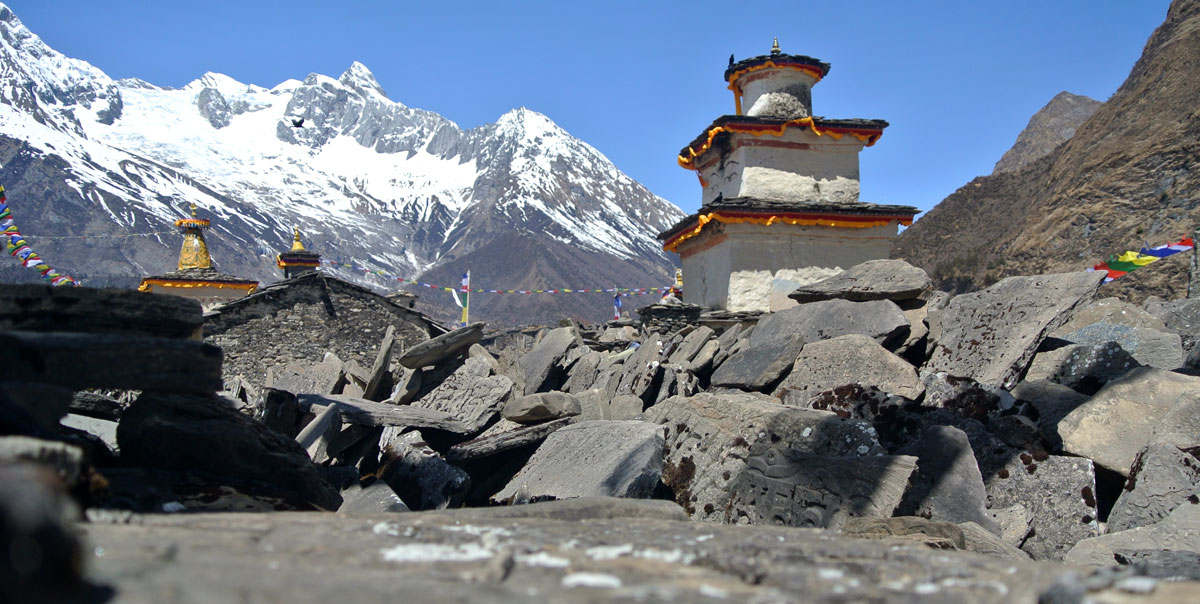
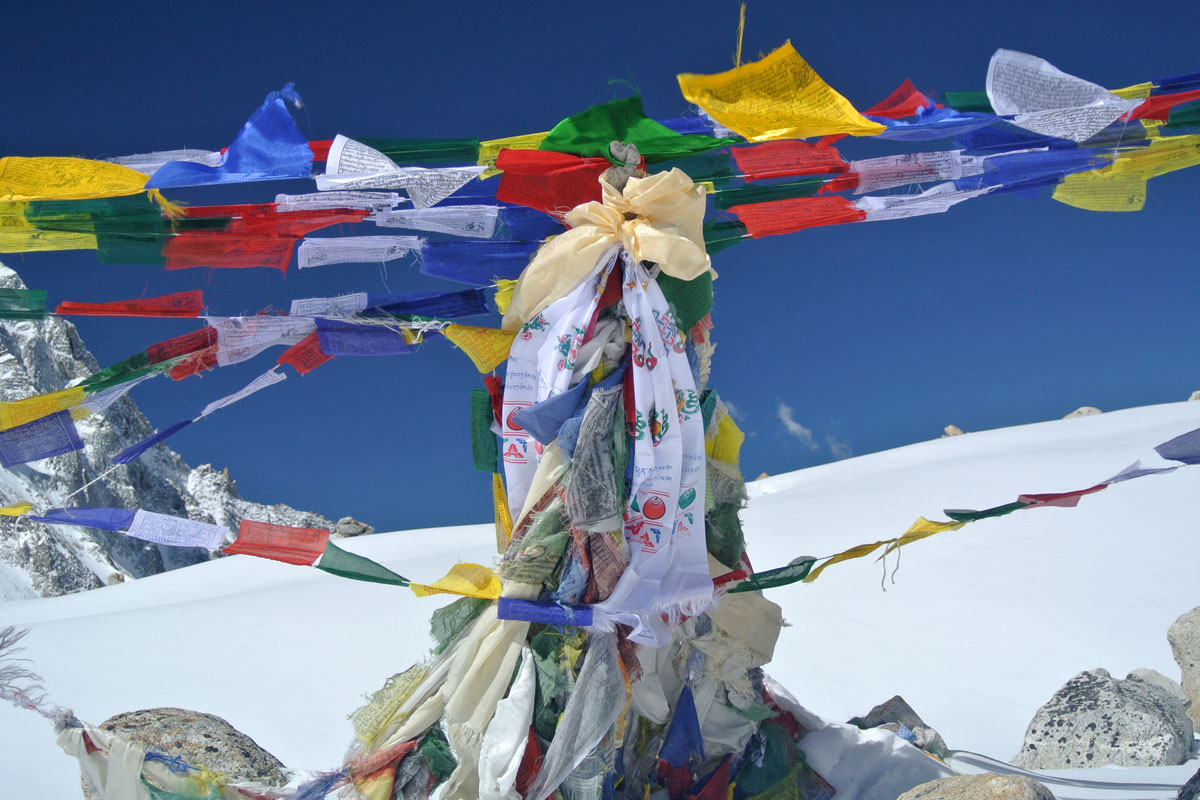
    Today’s trail offers a significant change in vegetation and scenery. Walk through bamboo forests, alpine terrain, and small Buddhist settlements. The route becomes more dramatic as you ascend along the Budhi Gandaki River. Pass by mani walls, prayer flags, and Buddhist chortens as you get closer to the Tibetan cultural influence. Namrung is a beautiful village with panoramic views of mountains and traditional stone houses.

    Food

    Self-Paid

    Accomodation

    Lodge Stay Accommodation

    Elevation

    3,180 m.

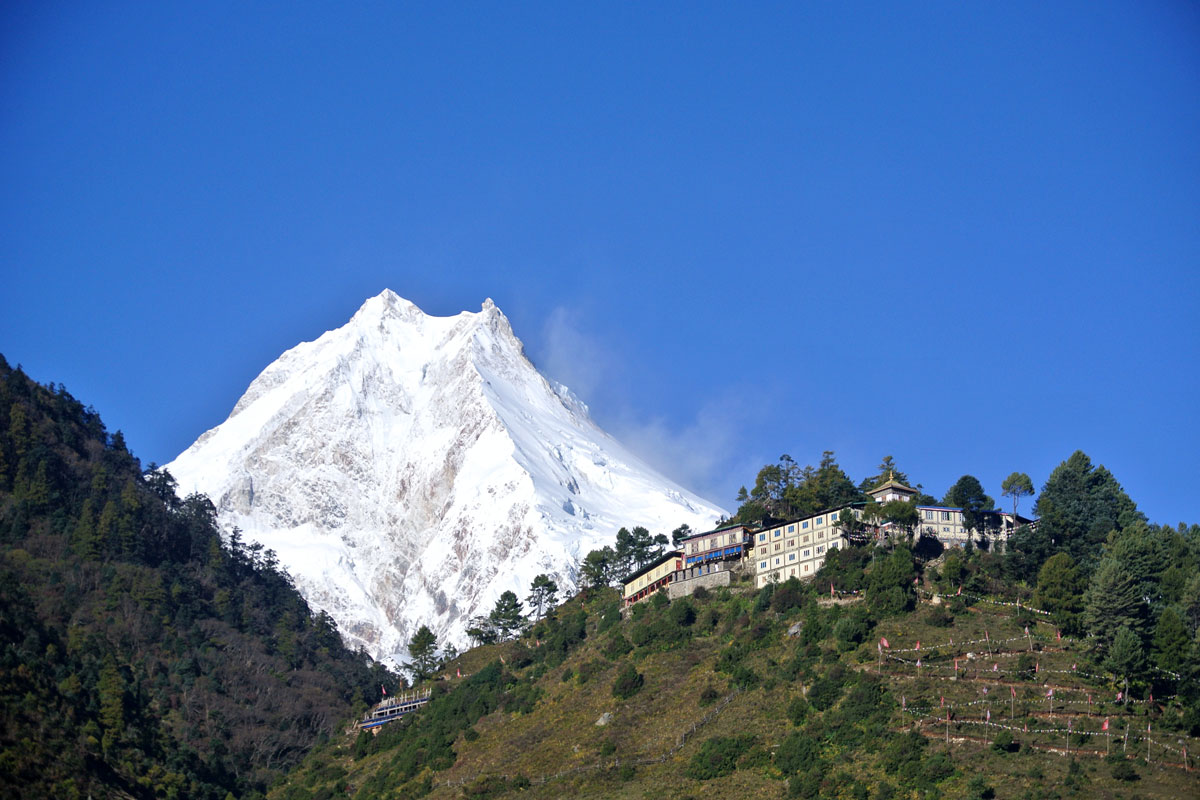
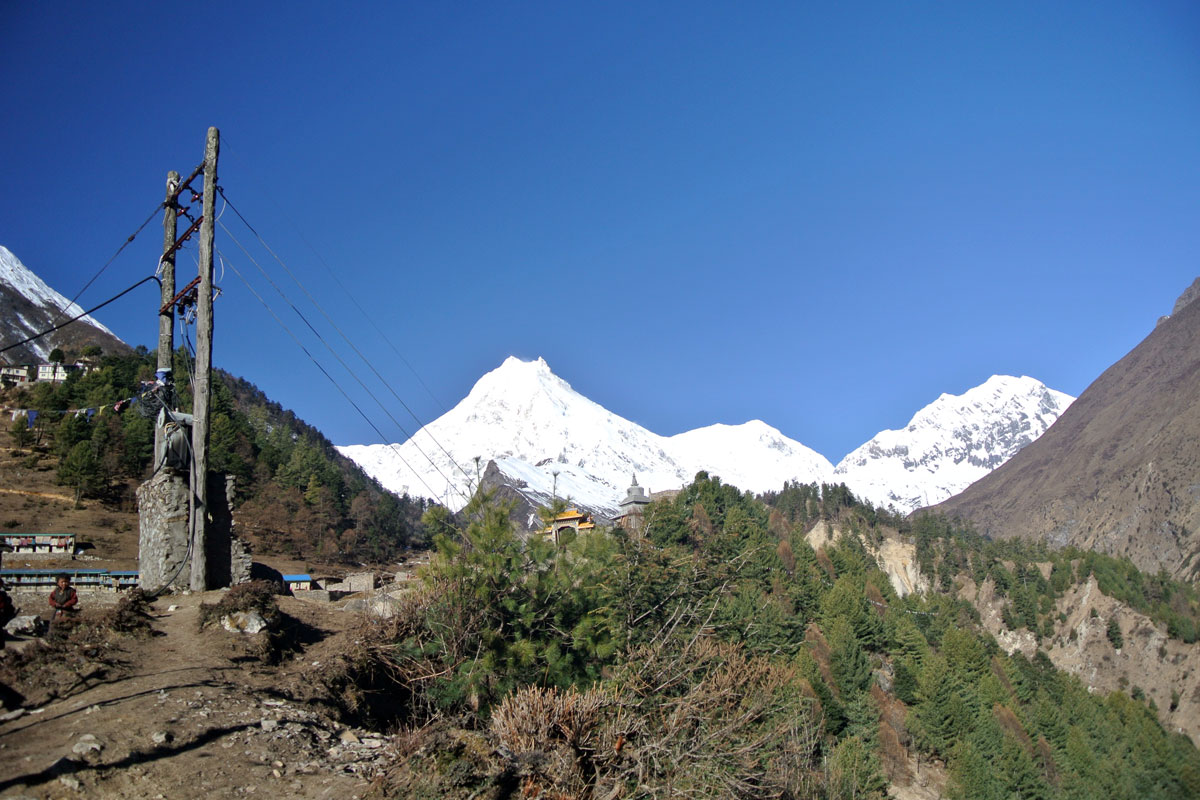
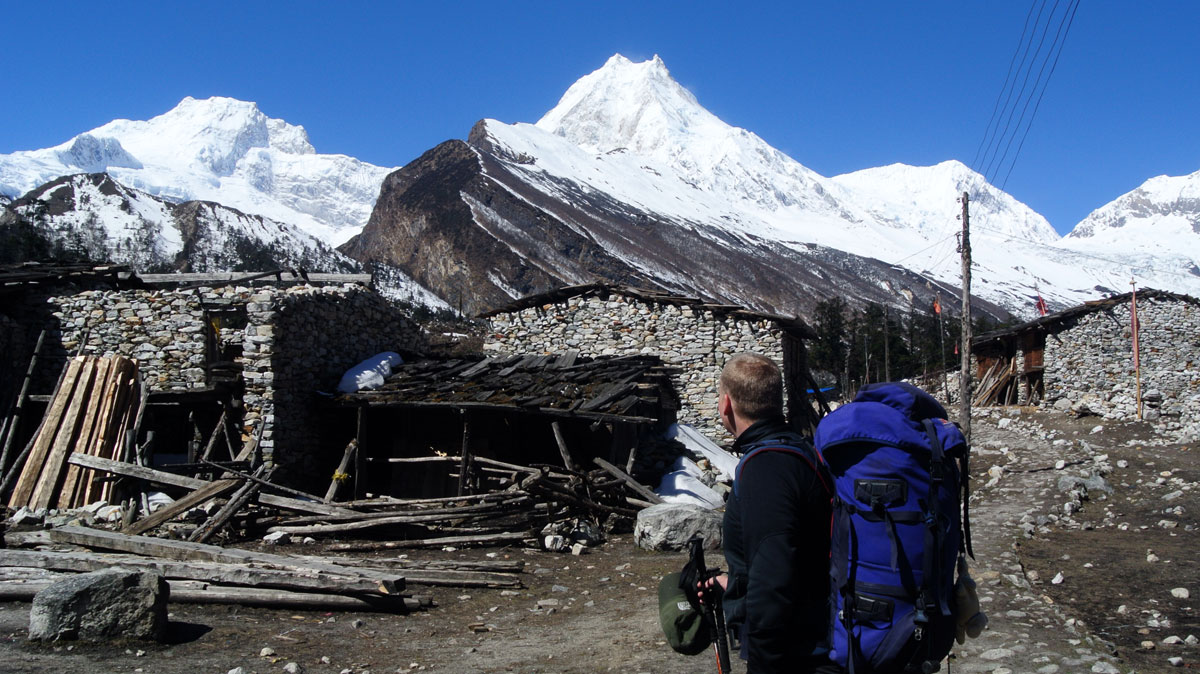
    A shorter but visually rewarding day as you trek through the beautiful highland terrain. Pass through Sho and Lihi villages, where you’ll begin to see the majestic Mount Manaslu and other nearby peaks. Lho is a culturally rich village home to Ribung Gompa and surrounded by fields and pine forests. The village offers some of the best views of Manaslu at sunrise and sunset.

    Food

    Self-Paid

    Accomodation

    Lodge Stay Accommodation

    Elevation

    3,530 m.

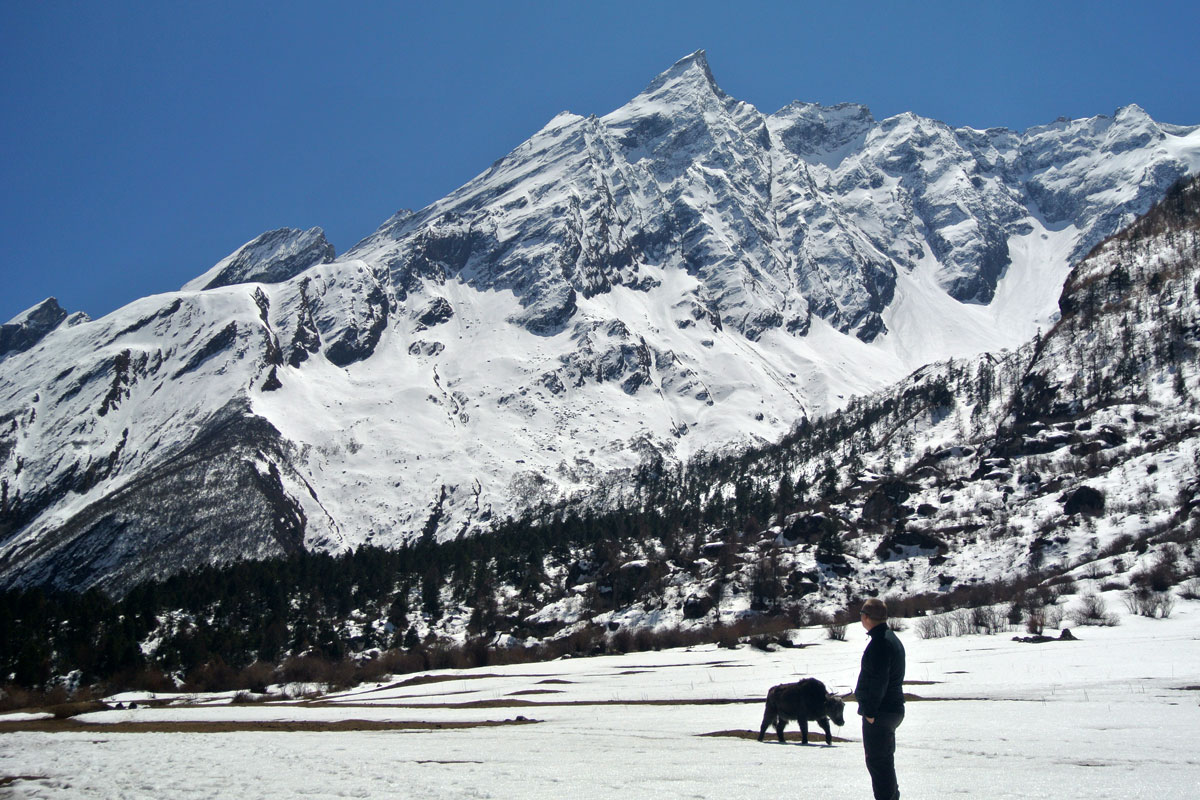
    Continue trekking through alpine landscapes and high-altitude forests. You’ll pass through the picturesque village of Syala, with magnificent views of Himalchuli, Peak 29, and Mount Manaslu. The trail gradually ascends to Samagaon, one of the largest settlements in the region. It serves as the acclimatization base for many trekkers. Explore the village’s monasteries, yak pastures, and learn about local Tibetan-influenced culture.

    Food

    Self-Paid

    Accomodation

    Lodge Stay Accommodation

    Elevation

    3,530 m.

    To adapt to the high altitude, today is a rest and acclimatization day. There are two excellent options for acclimatization hikes: (1) hike to Manaslu Base Camp (4,800m) for stunning views of the glacier and peak, or (2) visit Pungyen Gompa, a centuries-old monastery with panoramic views. This day also allows time to rest, hydrate, and adjust before ascending further.

    Food

    Self-Paid

    Accomodation

    Lodge Stay Accommodation

    Elevation

    3,875 m.

    The trail today is relatively short and easy, designed to help you continue acclimatizing. Walk through yak pastures and sparse vegetation as the landscape becomes more alpine. You’ll reach Samdo — a remote Tibetan village near the Nepal-Tibet border — by early afternoon. Explore the surroundings and enjoy excellent mountain views. Samdo also has a health post and a few simple lodges.

    Food

    Self-Paid

    Accomodation

    Lodge Stay Accommodation

    Elevation

    4,460 m.

    Today is a gradual ascent to Dharamsala, also known as Larkya Phedi — the last stop before crossing the high pass. The trail climbs steadily across rugged, barren terrain. Dharamsala has a basic shelter where you’ll rest and prepare for the next day’s early morning climb to Larkya La Pass. Early dinner and sleep are advised for the big day ahead.

    Food

    Self-Paid

    Accomodation

    Lodge Stay Accommodation

    Elevation

    5,160 m.

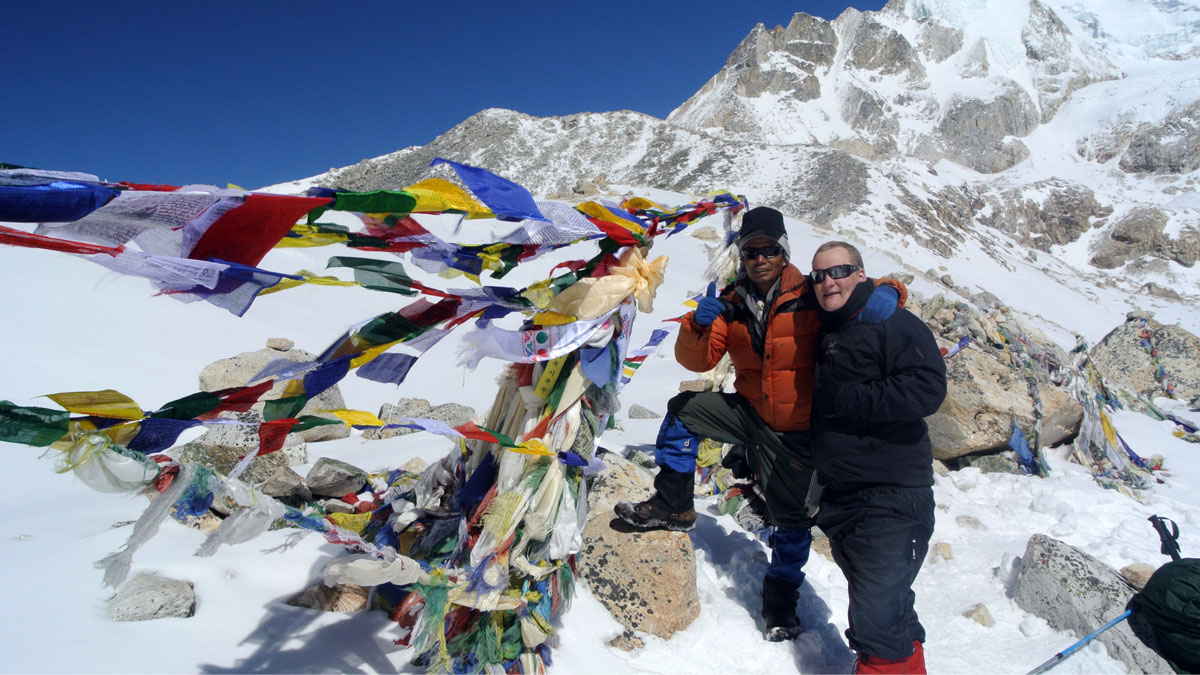
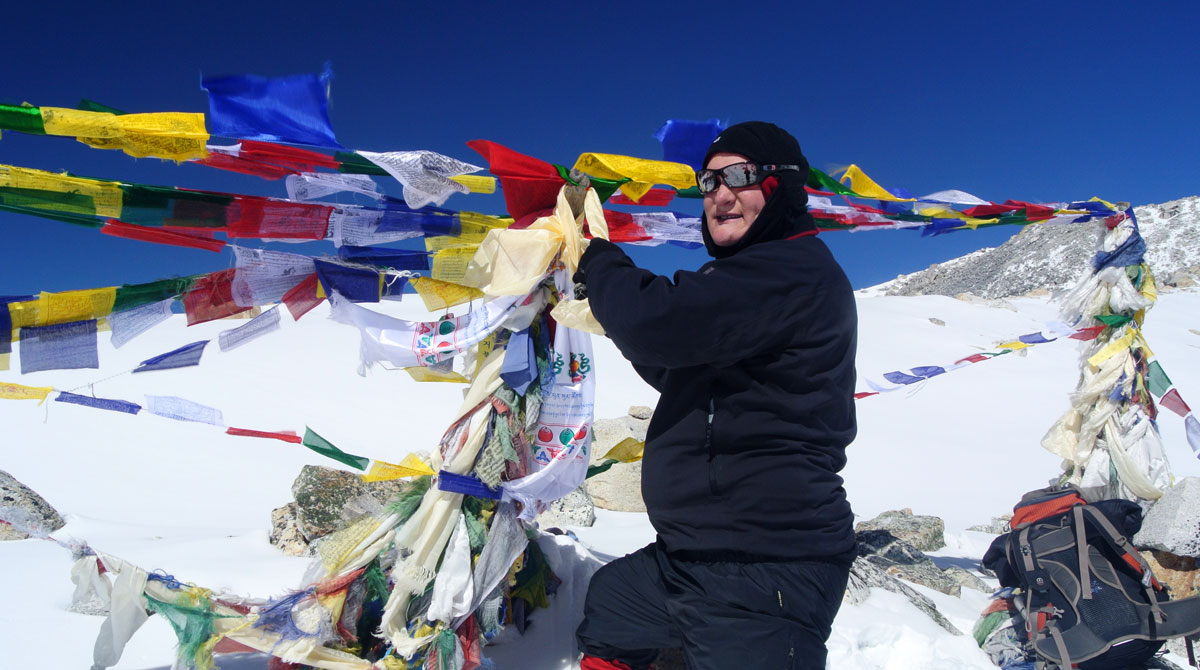
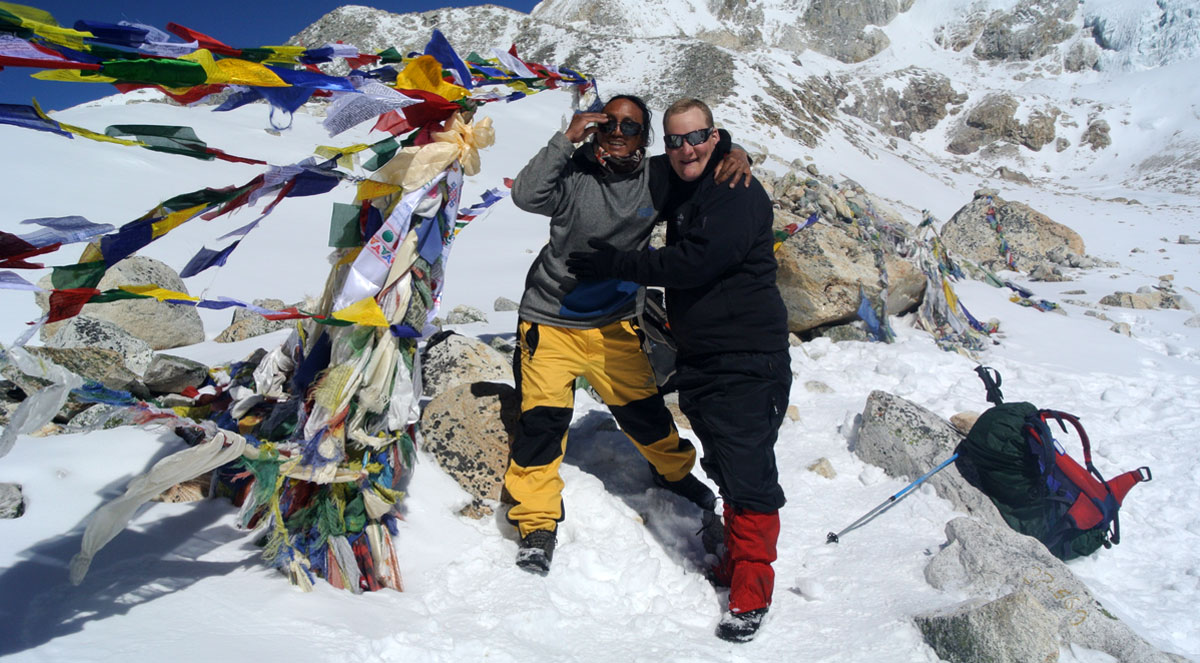
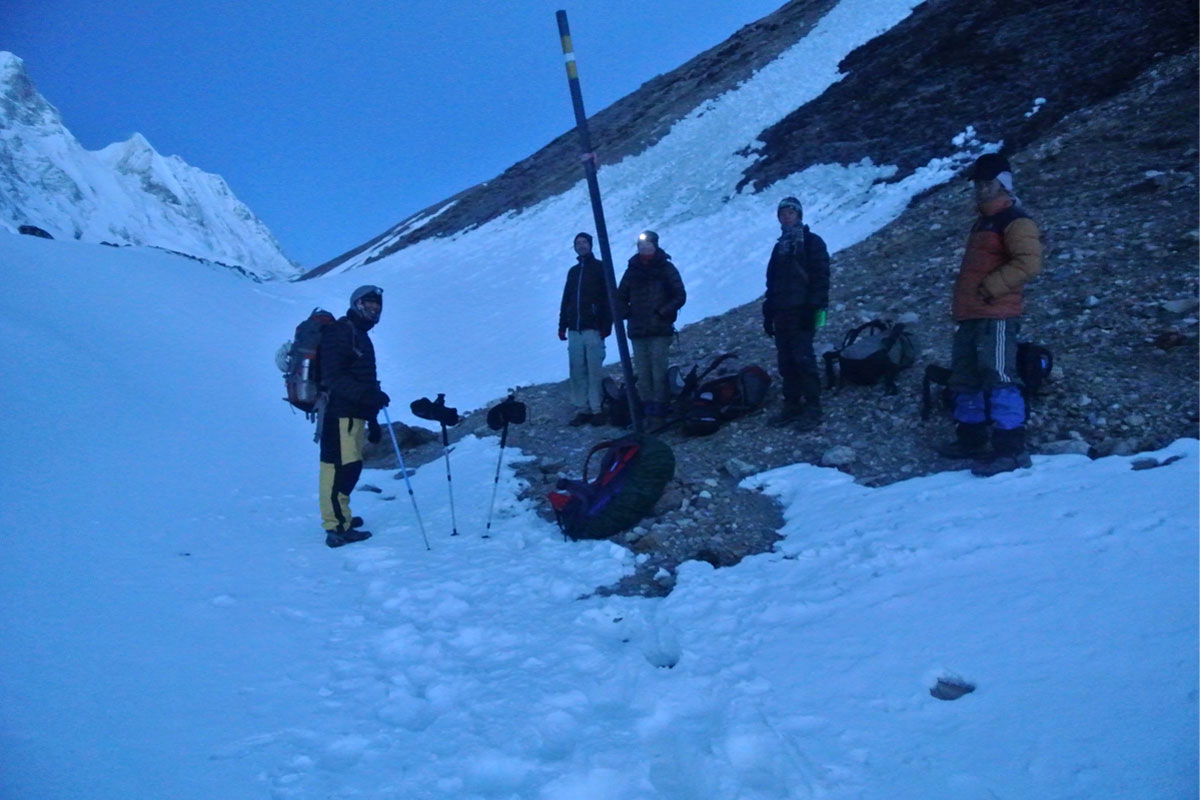
    Begin your trek before sunrise to cross the iconic Larkya La Pass, the highest point of the trek. The climb is challenging but rewards you with panoramic views of Himlung Himal, Cheo Himal, Kang Guru, and Annapurna II. After spending some time at the top, begin a long descent to the beautiful valley of Bimthang. This is one of the most scenic days of the entire journey.

    Food

    Self-Paid

    Accomodation

    Lodge Stay Accommodation

    Elevation

    1,963 m.

    Descend gradually through alpine meadows, rhododendron forests, and terraced fields. Cross the Dudh Khola river and pass through charming villages like Gho and Tilije. You’ll re-enter more populated areas as you approach Dharapani, where the Manaslu trail joins the Annapurna Circuit. Overnight at a well-established guesthouse.

    Food

    Self-Paid

    Accomodation

    Hotel Stay in Kathmandu

    Your trek ends with a full-day drive back to Kathmandu via Besisahar. The road passes through hills, rivers, and local towns, offering one last look at Nepal’s diverse terrain. Arrive in Kathmandu by evening, check back into your hotel, and enjoy a farewell dinner or free time for shopping and sightseeing. Trek officially concludes.

    Services Included on Price

    Selected packageRegular PackageCustom Service Package
    USD 995per person
    Book Trip

    Regular Package Service Includes

    Transportation

    • Pickup and drop-off service between Tribhuvan International Airport (TIA) and your hotel in Kathmandu for a smooth and stress-free arrival and departure
    • Kathmandu to Machha Khola by comfortable Scorpio Jeep
    • After completing the trek, Dharapani to Besisahar by local jeep
    • Besisahar to Kathmandu by private transport

    Accommodation

    • 1 night stay in Kathmandu on arrival at International Guest House or Hotel Jampa (Thamel)
    • Clean and comfortable rooms in a central location, perfect for resting before the trek
    • 11 nights tea house accommodation during the trek - Twin-sharing rooms Basic lodge stay during the Manaslu Circuit Trek and one night stay dormitory at Dharmasala with sharing.

    Permits , & Entry Fees (All Included)

    Guide, Porter & Support Staff (All Included)

    Your trek is fully supported by a professional, experienced, and friendly local team, making your journey safe, comfortable, and enjoyable from start to finish.

    • Licensed, experienced, English-speaking trekking guide who takes care of route planning, safety, daily briefing, and cultural information

    • One strong porter for every two trekkers, carrying up to 20 kg shared load, so you can enjoy trekking without heavy bags

    • The package includes 12 trekking days’ wages for guide and porter, along with their daily meals, accommodation, full insurance, and all required staff equipment and allowances

    • Additional local support staff are available when needed to ensure a smooth and worry-free trekking experience

    Trekking Gear & Safety Equipment

    (Provided on loan if needed – all items must be returned after the trek)

    • Trekking poles, sleeping bag -20 degree, 70- 80 ltr duffle bag, and down jacket
    • Snow-walking crampons if required due to snowy conditions
    • Manaslu trekking map
    • Power bank for charging mobile devices during the trek
    • Free luggage storage is available at the Peace Nepal Treks office during the trek

    Free Luggage Storage:

    Guests can safely leave any luggage that is not needed during the trek at our office. We will keep your city clothes and extra belongings secure until you return.

    Health, Safety & Emergency Support

    Your safety is our top priority, especially in high-altitude areas.

    • Digital pulse oximeter for daily altitude and oxygen-level checks
    • Altitude sickness medication (Diamox / Acetazolamide) if required
    • Emergency first-aid kit carried by the trekking support team at all times
    • Full emergency rescue coordination in case of severe weather or injury
    • Emergency oxygen can is carried by the guide for safety

    Rescue services are provided subject to valid personal travel insurance

    Drinking Water & Nutrition

    • Unlimited chlorine-treated safe drinking water for eco-friendly hydration
    • Energy bars and cookies provided at base camp and higher altitudes
    • Seasonal fresh fruits when locally available along the trail

    Communication Support

    • Local NCELL SIM card provided for communication during the trek

    Post-Trek Recognition

    • Trek completion certificate awarded after completing the Manaslu Circuit Trek

    Regular Package Service Excludes

    Meals & Drinks (Not Included)

    • Meals in Kathmandu and during the trek (breakfast, lunch, and dinner) are not included.
      For meals on the trek, we recommend budgeting approximately USD 20–25 per person per day, depending on food choices and altitude.
    • Snacks and drinks such as chocolates, soft drinks, bottled mineral water, energy or nutrition bars, and alcoholic beverages.

    Extra Hotel Stays

    • Any extra nights in Kathmandu or Pokhara beyond the included hotel stay.

    Tipping for the Guide, porter, and driver

    • Tips for the trekking guide, porter, support staff, and drivers at the end of the trip.
    • Tipping is appreciated but not mandatory.
    • As a general guideline, around 15% of the total trip cost is recommended, depending on the service quality and your satisfaction during the trek.

    Rescue & Emergency Costs

    • Any rescue or medical expenses in case of emergency.
    • This includes helicopter evacuation, ambulance services, hospital stays, medical tests, and medicines.
    • These costs must be covered by your travel insurance.
    • We will fully assist and support you in arranging rescue and medical help during emergencies.

    Travel Insurance (Required)

    • Travel insurance is mandatory for all trekkers.
    • Your insurance must cover:- Trekking accidents - Altitude sickness - Emergency ambulance or helicopter rescue
    • Please bring a copy of your insurance policy and also send us a copy before arrival.
    • This helps us respond quickly and arrange support if needed.

    Personal & Extra Expenses

    Personal expenses such as

    • Bottled water
    • Coca-Cola and other soft drinks
    • Wi-Fi charges during the trek
    • Hot showers
    • Charging electronic devices
    • Any other personal or unforeseen expenses

    City Sightseeing Costs in Kathmandu and Pokhara

    • Entrance fees
    • Transportation
    • City guide fees

    International & Domestic Flights and Visa

    • International flight tickets to and from Nepal.
    • Nepal entry visa fee (payable on arrival at Kathmandu Airport):
    • 15 days – USD 30
    • 30 days – USD 50
    • 90 days – USD 125
    • For your convenience, you can fill out the visa form online before arrival and pay cash at the airport. This makes the visa process faster and easier.

    Personal Trekking Equipment

    • Personal trekking gear such as clothing, trekking boots, and other personal equipment.

    Other Services

    • Any services not mentioned in the “Cost Includes” section are not included.
    Selected packageBudget Trek PackageCustom Service Package
    USD 595per person
    Book Trip

    Budget Trek Package Service Includes

    Transportation

    • Pickup and drop-off service between Tribhuvan International Airport (TIA) and your hotel in Kathmandu for a smooth and stress-free arrival and departure
    • Kathmandu to Machha Khola by comfortable local bus

    Optional upgrade: Private 4WD jeep available for USD 185 extra (for 2 people) for more comfort

    • After completing the trek, Dharapani to Besisahar by local jeep
    • Besisahar to Kathmandu by local bus or micro van

    Optional upgrade: Private car available for USD 145 extra (for 2 people)

    Permits , & Entry Fees (All Included)

    One Experienced Guide Included

    Your trek is fully supported by a professional, experienced, and friendly local guide, making your journey safe, comfortable, and enjoyable from start to finish.

    • Licensed, experienced, English-speaking trekking guide who takes care of route planning, safety, daily briefing, and cultural information

    • The package includes 12 trekking days’ wages for guide along with his daily meals, accommodation, full insurance, and all required staff equipment and allowances

    Trekking Gear & Safety Equipment

    (Provided on loan if needed – all items must be returned after the trek)

    • Trekking poles, sleeping bag -20 degree, 70- 80 ltr duffle bag, and down jacket
    • Snow-walking crampons if required due to snowy conditions
    • Manaslu trekking map
    • Power bank for charging mobile devices during the trek
    • Free luggage storage is available at the Peace Nepal Treks office during the trek
    • Free Luggage Storage: Guests can safely leave any luggage that is not needed during the trek at our office. We will keep your city clothes and extra belongings secure until you return.

    Health, Safety & Emergency Support

    Your safety is our top priority, especially in high-altitude areas.

    • Digital pulse oximeter for daily altitude and oxygen-level checks
    • Altitude sickness medication (Diamox / Acetazolamide) if required
    • Emergency first-aid kit carried by the trekking support team at all times
    • Full emergency rescue coordination in case of severe weather or injury

    Rescue services are provided subject to valid personal travel insurance

    Drinking Water & Nutrition

    • Unlimited chlorine-treated safe drinking water for eco-friendly hydration

    Post-Trek Recognition

    • Trek completion certificate awarded after completing the Manaslu Circuit Trek

    Budget Trek Package Service Excludes

    Meals, Drinks and Accommodation (Not Included)

    • Meals and accommodation in Kathmandu and during the trek, including breakfast, lunch, and dinner, are not included.

    For meals and accommodation during the trek, please budget around USD 30-40 per person per day, depending on your food choices, lodge standard, and altitude.

    Snacks and drinks such as chocolates, energy bars, soft drinks, bottled water, and alcoholic beverages are also not included.

    Hotel accommodation in Kathmandu is not included.

    • Guests may choose and book a hotel according to their own budget and preference. We can also help arrange a suitable hotel if required.

    Optional Porter Service

    One porter can be arranged for USD 216 and can carry up to 25 kg. Each guest may give the porter around 10–12 kg of luggage and carry only a small daypack with daily essentials.

    Tipping for the Guide, porter, and driver

    • Tips for the trekking guide, porter, support staff, and drivers at the end of the trip.
    • Tipping is appreciated but not mandatory.
    • As a general guideline, around 15% of the total trip cost is recommended, depending on the service quality and your satisfaction during the trek.

    Rescue & Emergency Costs

    • Any rescue or medical expenses in case of emergency.
    • This includes helicopter evacuation, ambulance services, hospital stays, medical tests, and medicines.
    • These costs must be covered by your travel insurance.
    • We will fully assist and support you in arranging rescue and medical help during emergencies.

    Travel Insurance (Required)

    • Travel insurance is mandatory for all trekkers.
    • Your insurance must cover:- Trekking accidents - Altitude sickness - Emergency ambulance or helicopter rescue
    • Please bring a copy of your insurance policy and also send us a copy before arrival.
    • This helps us respond quickly and arrange support if needed.

    Personal & Extra Expenses

    Personal expenses such as

    • Bottled water
    • Coca-Cola and other soft drinks
    • Wi-Fi charges during the trek
    • Hot showers
    • Charging electronic devices
    • Any other personal or unforeseen expenses

    City Sightseeing Costs in Kathmandu and Pokhara

    • Entrance fees
    • Transportation
    • City guide fees

    International & Domestic Flights and Visa

    • International flight tickets to and from Nepal.
    • Nepal entry visa fee (payable on arrival at Kathmandu Airport):
    • 15 days – USD 30
    • 30 days – USD 50
    • 90 days – USD 125
    • For your convenience, you can fill out the visa form online before arrival and pay cash at the airport. This makes the visa process faster and easier.

    Personal Trekking Equipment

    • Personal trekking gear such as clothing, trekking boots, and other personal equipment.

    Other Services

    • Any services not mentioned in the “Cost Includes” section are not included.

    Altitude Graph

    Route Map

    Manaslu Circuit Trek route map

    Available Departure Dates

    Choose a scheduled departure and reserve your place.

    #Start DateDurationPriceAvailabilityAction
    1Sep 08, 202613 DaysUSD 995/ person Available Book Now
    2Sep 15, 202613 DaysUSD 995/ person Available Book Now
    3Sep 17, 202613 DaysUSD 995/ person Available Book Now
    #Start DateDurationPriceAvailabilityAction
    1Oct 01, 202613 DaysUSD 995/ person Available Book Now
    2Oct 07, 202613 DaysUSD 995/ person Available Book Now
    3Oct 09, 202613 DaysUSD 995/ person Available Book Now
    4Oct 17, 202613 DaysUSD 995/ person Available Book Now
    5Oct 19, 202613 DaysUSD 995/ person Available Book Now
    6Oct 24, 202613 DaysUSD 995/ person Available Book Now
    7Oct 28, 202613 DaysUSD 995/ person Available Book Now
    #Start DateDurationPriceAvailabilityAction
    1Nov 09, 202613 DaysUSD 995/ person Available Book Now
    2Nov 09, 202613 DaysUSD 995/ person Available Book Now
    3Nov 12, 202613 DaysUSD 995/ person Available Book Now
    4Nov 23, 202613 DaysUSD 995/ person Available Book Now
    5Nov 24, 202613 DaysUSD 995/ person Available Book Now
    #Start DateDurationPriceAvailabilityAction
    1Dec 03, 202613 DaysUSD 995/ person Available Book Now
    #Start DateDurationPriceAvailabilityAction
    1Feb 18, 202713 DaysUSD 995/ person Available Book Now
    #Start DateDurationPriceAvailabilityAction
    1Mar 11, 202713 DaysUSD 995/ person Available Book Now
    #Start DateDurationPriceAvailabilityAction
    1Apr 02, 202713 DaysUSD 995/ person Available Book Now
    2Apr 14, 202713 DaysUSD 995/ person Available Book Now
    3Apr 25, 202713 DaysUSD 995/ person Available Book Now
    #Start DateDurationPriceAvailabilityAction
    1May 01, 202713 DaysUSD 995/ person Available Book Now
    2May 26, 202713 DaysUSD 995/ person Available Book Now
    3May 30, 202713 DaysUSD 995/ person Available Book Now

    Frequently Asked Questions for Manaslu Circuit Trek

    The Manaslu Trek is widely regarded as one of the best treks in Nepal because it offers a rare combination of remote Himalayan wilderness, rich Tibetan-influenced culture, dramatic mountain scenery, and fewer crowds. Encircling Mt. Manaslu (8,163 m)—the eighth-highest mountain in the world—the trek takes you through deep river gorges, alpine forests, traditional villages, and high mountain passes.

    Unlike commercial trekking routes, Manaslu trekking feels raw and authentic. With Peace Nepal Treks, the journey is carefully organized, culturally immersive, and focused on safety, making it ideal for trekkers seeking a true Himalayan adventure.

    The Manaslu Trek is far less crowded and more remote than the Everest or Annapurna regions. While Everest and Annapurna have modern infrastructure and busy trails, the Manaslu trek passes through traditional Tibetan-style villages where life has changed little over generations.

    Peace Nepal Treks ensures you experience this authenticity while still enjoying reliable accommodation, professional guides, and well-managed logistics—offering the perfect balance between adventure and comfort.

    The most recommended Manaslu Trek itinerary is 12–14 days, which allows trekkers to gain altitude gradually and safely. Proper acclimatization is essential, especially before crossing Larkya La Pass (5,160 m).

    Peace Nepal Treks designs itineraries with strategic rest days—especially around Samagaon and Samdo—to minimize altitude sickness risks and ensure a smooth trekking experience.

    Yes, a short Manaslu Trek or Manaslu Circuit Trek 10 days option is possible for trekkers with good fitness and previous high-altitude experience. These itineraries involve longer walking days and fewer rest days.

    Peace Nepal Treks customizes shorter options carefully, ensuring safety, proper pacing, and permit compliance without compromising the trekking experience.

    The Manaslu Trek map clearly shows the entire route from Machha Khola to Dharapani, including daily walking stages, villages, rivers, altitude points, side valleys, and the high pass.

    Peace Nepal Treks uses the Manaslu trek map during trek briefings to explain terrain, distances, elevation gain, and key acclimatization points, helping trekkers understand the journey in detail.

    Manaslu Circuit trekking is considered moderately challenging due to long walking days, high altitude, and remote terrain. However, it does not require technical climbing skills.

    With an experienced Manaslu trek guide from Peace Nepal Treks, the trek becomes safe and manageable, even for fit trekkers without extensive Himalayan experience.

    The Manaslu Trek permit requirements include:

    • Restricted Area Permit (RAP)
    • Manaslu Conservation Area Permit (MCAP)
    • Annapurna Conservation Area Permit (ACAP)

    Peace Nepal Treks arranges all permits in advance, ensuring smooth entry into restricted zones and full compliance with government regulations.

    The Manaslu Trek cost depends on trek duration, group size, guide and porter services, and transportation. Generally, the cost includes permits, accommodation, guide, porter, and logistics.

    Peace Nepal Treks offers transparent pricing, ensuring excellent value without hidden costs.

    The Manaslu Trek package cost with Peace Nepal Treks is designed to cover everything needed for a comfortable and safe trek—experienced guides, strong porter support, permits, accommodation, and transport—making the journey stress-free.

    The Manaslu trekking cost is slightly higher than Annapurna because of restricted permits and remoteness. However, trekkers receive a quieter trail, deeper cultural experience, and a more exclusive Himalayan adventure.

    The Manaslu trek 12 days cost varies depending on services, but Peace Nepal Treks ensures competitive pricing with high-quality support, professional guides, and strong safety standards.

    Yes, the Manaslu trek from Pokhara is possible. Peace Nepal Treks can arrange private or shared transport from Pokhara to the trek’s starting point, offering flexibility for travelers already in Pokhara.

    The Manaslu Trek is ideal for trekkers who enjoy adventure, solitude, culture, and mountain scenery. It suits both well-prepared beginners and experienced trekkers, especially those seeking a less crowded route.

    Peace Nepal Treks provides licensed, highly experienced Manaslu trek guides trained in altitude management, first aid, local culture, and emergency response—ensuring safety and confidence throughout the trek.

    Accommodation during Manaslu trekking is mainly teahouse-based—simple, clean, and comfortable. Peace Nepal Treks selects the best lodges available at each stop for hygiene and warmth.

    With proper planning and experienced guides, the Manaslu Trek is very safe. Peace Nepal Treks conducts daily health checks, monitors weather conditions, and maintains emergency preparedness.

    Major highlights include Larkya La Pass, Tibetan villages, ancient monasteries, glaciers, and stunning views of Manaslu, Himlung, Cheo Himal, and Annapurna ranges.

    Solo trekking is not allowed due to permit rules. Peace Nepal Treks organizes private or small-group treks to meet legal requirements comfortably.

    Meals include traditional Nepali food and simple international dishes. Peace Nepal Treks helps trekkers choose nutritious meals suitable for altitude and energy needs.

    Crossing Larkya La Pass (5,160 m) is the toughest part of the trek. With early starts, steady pacing, and guide support from Peace Nepal Treks, most trekkers complete it successfully.

    The best seasons are spring (March–May) and autumn (September–November), offering clear skies, stable weather, and excellent mountain views.

    Peace Nepal Treks follows gradual ascent plans, acclimatization days, hydration guidance, and daily health monitoring to minimize altitude risks.

    Yes, fit beginners can complete the trek with preparation. Peace Nepal Treks provides training advice, proper pacing, and flexible itineraries.

    Peace Nepal Treks stands out for local expertise, ethical trekking practices, experienced guides, transparent costs, and personalized service.

    The Manaslu Trek is far less crowded than Everest or Annapurna, offering a peaceful and immersive trekking experience.

    Yes, Peace Nepal Treks customizes itineraries, including short Manaslu Trek options and cultural extensions.

    Porters carry luggage, allowing trekkers to walk comfortably. Peace Nepal Treks ensures fair wages, insurance, and ethical treatment.

    Yes, insurance covering high-altitude trekking and emergency evacuation is mandatory. Peace Nepal Treks assists with insurance guidance.

    Its remoteness, preserved culture, and untouched landscapes make the Manaslu Trek one of Nepal’s last true wilderness treks.

    Absolutely. For trekkers seeking the best Manaslu Trek itinerary, fair cost, expert guides, and a truly unforgettable Himalayan adventure, Peace Nepal Treks is highly recommended.

    Additional Information

    Choosing the right Manaslu trekking season is essential for a safe, enjoyable, and memorable Manaslu  Trek. The Manaslu region is a remote Himalayan area that includes high-altitude terrain and the challenging Larkya La Pass (5,160 m), so weather conditions play a major role in trail safety, visibility, and overall trekking comfort. In general, the best time to visit the Manaslu Circuit is during spring (March–May) and autumn (September–November), when weather is stable, mountain views are clear, and trekking conditions are at their best. Below is a clear breakdown using paragraphs for explanation and points for key information, ideal for Google search visibility and easy reader understanding.

    Spring Season (March to May) – One of the Best Manaslu Trekking Seasons

    Spring is widely considered one of the best Manaslu trekking seasons, offering a perfect balance of weather, temperature, and scenery. During this season, the trails are dry, days are warm, and mornings often bring crystal-clear views of Mt. Manaslu, Himlung Himal, and Cheo Himal. The forests along the lower and mid-altitude sections of the Manaslu Circuit Trek are colorful with blooming rhododendrons and alpine flowers, making the journey visually rewarding. Snow conditions at Larkya La Pass are generally manageable, especially in April and May, which allows for a safe and smooth crossing.

    Key highlights of spring Manaslu trekking

    • Stable weather with comfortable daytime temperatures
    • Blooming rhododendron forests and alpine flowers
    • Excellent visibility of major Himalayan peaks
    • Ideal conditions for crossing Larkya La Pass
    • Less crowded trails compared to Everest and Annapurna

    Autumn Season (September to November) – The Best Time to Visit the Manaslu Trek

    Autumn is the most popular and often considered the best time to visit the Manaslu Trek. After the monsoon rains, the air becomes clean and dust-free, providing outstanding mountain visibility. The Manaslu Trek in autumn is known for its dry trails, stable weather, and dramatic panoramic views. October is the peak month, offering near-perfect trekking conditions. While nights can be cold at higher altitudes, teahouse accommodation remains comfortable with proper clothing and sleeping gear.

    Why autumn is ideal for Manaslu Trekking

    • Clear skies and sharp mountain views
    • Dry and stable trekking trails
    • Best season for photography and scenic views
    • Safer and easier Larkya La Pass crossing
    • Suitable for both beginners and experienced trekkers

    Winter Season (December to February) – Cold but Peaceful Trekking

    Winter offers a quieter and more adventurous Manaslu trekking season, ideal for trekkers seeking solitude and untouched snowy landscapes. However, temperatures drop significantly, and heavy snowfall may block Larkya La Pass, making the trek more challenging. Winter trekking in the Manaslu region requires excellent physical fitness, high-quality winter gear, and experienced guides. For most trekkers, winter is not the ideal season, but for skilled adventurers, it provides a unique and rewarding experience.

    Important points about winter Manaslu trekking

    • Very cold temperatures, especially at high altitude
    • Possible heavy snowfall at Larkya La Pass
    • Fewer trekkers and very quiet trails
    • Requires strong guides and winter trekking experience

    Monsoon / Summer Season (June to August) – Least Recommended Season

    The monsoon season is generally the least favorable Manaslu trekking season due to heavy rainfall, slippery trails, leeches at lower elevations, and frequent cloud cover that limits mountain views. Landslides and transportation delays are also more common during this time. Although some experienced trekkers attempt the Manaslu Trek during the monsoon, it is not recommended for most travelers.

    Challenges of trekking Manaslu in the monsoon

    • Heavy rainfall and muddy trails
    • Limited mountain visibility
    • Increased risk of landslides
    • Leeches at lower altitudes

    In conclusion, the best time to visit the Manaslu Trek is spring (March–May) and autumn (September–November). Spring offers colorful landscapes and mild temperatures, while autumn provides the clearest mountain views and the most stable trekking conditions. Choosing the right Manaslu trekking season ensures a safer, more comfortable, and unforgettable trekking experience in one of Nepal’s most beautiful and less-crowded Himalayan regions.

    Proper preparation and the right trekking equipment are essential for a safe, comfortable, and successful Manaslu Circuit Trek. The Manaslu region is remote, with changing weather, high altitude, and limited facilities, especially while crossing Larkya La Pass (5,160 m). Carrying suitable gear helps protect against cold, wind, rain, and altitude-related challenges. Below is a detailed packing list for Manaslu trekking, categorized by clothing, footwear, accessories, electronics, and seasonal needs.

    Clothing for Manaslu Trek

    Layering is the key to staying comfortable in the Himalayas. Temperatures can vary greatly between day and night and from lower valleys to high passes.

    Base Layers (All Seasons)

    • Moisture-wicking thermal tops and bottoms (2–3 pairs)
    • Comfortable, quick-drying underwear

    Insulating Layers (Spring / Autumn / Winter)

    • Fleece jacket or medium-weight down jacket
    • Lightweight insulated trekking pants for higher altitudes

    Outer Layer (All Seasons)

    • Waterproof and windproof jacket (Gore-Tex or similar)
    • Waterproof trekking pants for rain, wind, and snow protection

    Trekking Shirts and Pants (All Seasons)

    • Quick-drying trekking shirts (4–5 pieces)
    • Lightweight trekking pants (2–3 pairs)

    Winter-Specific Clothing (Dec–Feb)

    • Heavy down jacket (800-fill or higher)
    • Insulated gloves and warm mittens
    • Thermal neck gaiter or balaclava
    • Wool or fleece hat

    Monsoon-Specific Clothing (Jun–Aug)

    • Poncho or rain jacket with hood
    • Quick-drying clothes
    • Waterproof backpack cover

    Footwear for Manaslu Trek

    Good footwear is one of the most important items for Manaslu trekking due to rocky trails and long walking days.

    • Sturdy, waterproof trekking boots (well broken-in)
    • Sandals or lightweight shoes for evenings
    • Thermal trekking socks (3–4 pairs) for cold regions
    • Regular trekking socks (4–5 pairs)
    • Gaiters (useful for snow or monsoon trekking)

    Trekking Accessories

    These items improve comfort, safety, and efficiency during the trek.

    • Backpack (40–50L) for daily essentials
    • Duffel bag (carried by porter)
    • Adjustable trekking poles (highly recommended)
    • Sunglasses with UV protection
    • Wide-brimmed sun hat
    • Warm hat or beanie
    • Headlamp with extra batteries

    Sleeping Gear

    Although teahouses provide bedding, extra warmth is essential at higher elevations.

    • Sleeping bag rated -15°C to -20°C (depending on season)
    • Lightweight sleeping bag liner (for warmth and hygiene)

    Hydration and Snacks

    Staying hydrated is critical to avoid altitude sickness during the Manaslu Trek.

    • Water bottles or hydration bladder (2–3 liters capacity)
    • Water purification tablets or a filtration system
    • High-energy snacks: nuts, dried fruits, energy bars, chocolate

    Personal Care and Hygiene Items

    Basic hygiene helps maintain health during long trekking days.

    • Biodegradable soap and shampoo
    • Quick-drying towel
    • Toothbrush, toothpaste, and toiletries
    • Wet wipes and hand sanitizer
    • Sunscreen (SPF 50+)
    • Lip balm with UV protection

    Medical Kit (Very Important)

    A small personal medical kit is essential for remote trekking areas like Manaslu.

    • Personal medications (if any)
    • Basic first aid kit (band-aids, antiseptic cream, blister care)
    • Pain relievers and anti-inflammatory tablets
    • Altitude sickness medication (Diamox – consult doctor)
    • Anti-diarrheal medicine and oral rehydration salts

    Electronics & Power Supply

    Electricity is limited in the Manaslu region, especially at higher altitudes.

    • Camera or smartphone
    • Charging cables
    • Power bank (10,000–20,000 mAh) – very important for mobile charging
    • Travel adapter for Nepal

    Important Documents

    Keep documents safe and waterproof.

    • Passport with Nepal visa
    • Trekking permits (Manaslu Restricted Area Permit, MCAP, ACAP)
    • Travel insurance (must cover high-altitude evacuation)
    • Photocopies of passport and permits

    Additional Seasonal Items

    Spring (March–May)

    • Lightweight daytime clothing
    • Bright colors for photography during rhododendron season

    Autumn (September–November)

    • Extra layers for temperature variation
    • Compact camera for crystal-clear mountain views

    Winter (December–February)

    • Extra thermal layers
    • Insulated water bottle to prevent freezing

    Monsoon (June–August)

    • Waterproof dry bags for valuables
    • Anti-leech spray or salt

    Packing Tips for Manaslu Trek

    • Pack light: Porter weight limit is usually 15–20 kg
    • Layer smartly: Add or remove layers as temperature changes
    • Test your gear: Break in boots and backpacks before the trek
    • Protect electronics: Always use waterproof covers

    Ensuring proper insurance coverage is one of the most important aspects of trekking in Nepal’s high mountains, especially on remote and high-altitude routes like the Manaslu Trek. The Manaslu region’s challenging terrain, high passes (such as Larkya La Pass at 5,160 m), and unpredictable weather make comprehensive insurance essential for both trekking guests and Nepalese staff (guides and porters). Quality insurance protects against medical emergencies, evacuation costs, trip cancellations, lost baggage, and high-altitude rescue, making the trek safer and more secure for everyone.

    Below is a detailed overview of recommended and required insurance for guests and Nepalese staff, including what type of coverage is important and why each element matters for the Manaslu Circuit Trek.


    Guest Insurance: What Guests Must Have

    High-Altitude Trekking Medical Coverage

    For trekkers planning the Manaslu trek, insurance must cover medical treatment at high altitude. Many standard travel insurance plans limit coverage above 3,000 m or 4,000 m, but the Manaslu Circuit goes far beyond this. Ensure your policy explicitly covers:

    • Medical treatment up to at least 6,000 m or higher
    • Hospitalization and surgery (if required)
    • Consultations with doctors in Nepal

    Emergency Evacuation and Rescue

    This is one of the most critical parts of insurance for the Manaslu Trek. Helicopter rescue or ground evacuation from remote high-altitude areas is extremely expensive and can cost thousands of dollars. Guest insurance should include:

    • Helicopter evacuation
    • Ground rescue and stretcher evacuation
    • Transport to the nearest medical facility
    • Repatriation to home country if required

    Trip Cancellation and Interruption Coverage

    Life is unpredictable, and plans can change due to personal reasons, health emergencies, or weather events in Nepal. Trip cancellation/interruption coverage helps protect your investment in flights, hotels, and trek arrangements with Peace Nepal Treks.

    Baggage and Personal Belongings

    Luggage or camera theft, damage, or loss can happen anywhere. Insurance that covers:

    • Lost or delayed baggage
    • Damaged equipment (camera, electronics)
    • Replacement costs

    Personal Liability Insurance

    This coverage protects you if someone is injured or their property is damaged during the trek and you are held responsible.


    Minimum Insurance Requirements for Manaslu Trekking

    For safety and compliance, guests should purchase insurance that:
    - Covers high-altitude trekking up to at least 6,000–6,500 m
    - Includes emergency evacuation / helicopter rescue
    - Pays for medical treatment in Nepal
    - Provides trip cancellation / interruption coverage
    - Covers baggage loss and personal liability

    Peace Nepal Treks strongly recommends checking with your insurance provider to confirm that “high-altitude trekking and helicopter evacuation” are included. Some insurers require an additional “adventure sports” or “high-altitude trekking” rider.


    Insurance for Nepalese Staff (Guides & Porters)

    Peace Nepal Treks is committed to ethical trekking standards, which includes providing insurance for all Nepalese staff, such as:

    • Trek guides
    • Assistant guides
    • Porters
    • Support staff (camp staff where applicable)

    Medical Insurance

    Each staff member must have:

    • Accident and injury coverage
    • Hospitalization coverage
    • Medical costs related to altitude sickness

    This ensures that if a staff member is hurt or becomes ill on the trail, the cost of treatment is covered and they are not left with a financial burden.

    Life Insurance

    Life insurance provides financial protection to family members or dependents in the case of a fatal accident during trekking operations. This is crucial as Himalayan work carries risk, especially at high altitudes and in remote terrain.

    Evacuation / Search & Rescue Insurance

    Just like guests, guides and porters can require evacuation due to illness, injury, or altitude issues. Their insurance should include:

    • Helicopter evacuation
    • Ground transport
    • Emergency search & rescue operations

    Peace Nepal Treks ensures these policies are in place before staff begin any trek. This responsible practice aligns with international trekking standards and ethical employment.


    Why Quality Insurance Matters on Manaslu Trek

    The Manaslu region is one of Nepal’s most pristine and remote trekking areas. Cell phone coverage is limited, medical facilities are basic at best in trekking villages, and major hospitals are far away. High passes like Larkya La can cause altitude sickness suddenly, even for experienced trekkers. Proper insurance:

    • Protects your health and finances
    • Provides peace of mind
    • Allows rapid response in emergencies
    • Supports staff if accidents occur

    Tips for Purchasing Insurance Before Your Trek

    Buy Insurance Early

    Purchase coverage as soon as you book your trek with Peace Nepal Treks. Some benefits, like trip cancellation coverage, are only valid if purchased early.

    Review the Policy Carefully

    Check for:

    • “High-altitude trekking coverage”
    • “Helicopter evacuation up to 6,000+ m”
    • Coverage limits and exclusions

    Carry a Copy

    Have both digital and physical copies of your insurance policy and emergency contact numbers during the trek.

    Inform Peace Nepal Treks

    Share your insurance details with your guide before trekking starts, so they know how to support you in case of emergency.

    Insurance is more than a requirement—it’s a safety net that protects both guests and Nepalese staff during the challenging Manaslu Trek. From emergency evacuation and medical treatment to trip protection and staff welfare, proper insurance coverage makes the trek safer and more secure. Peace Nepal Treks ensures that both trekkers and their guides/porters are covered with appropriate, ethical insurance policies, giving you full confidence to enjoy this unforgettable Himalayan adventure.

    Client Reviews

    Book Now Inquiry

    Our Representatives

    Holland

    Patrick Keulens Helmond

    Malaysia

    Chang Jong Kwon

    Singapore

    Switzerland

    Mark Eversham

    • Phone: 0041 78 608 1713

    We Are Associated

    • NTB
    • NMA
    • TAAN
    • Gov Nepal

    We Accept Payments

    • We Accept
    • We Accept
    • We Accept