

Top Spiritual Treks and Tours in Nepal: Monasteries, Meditation and Himalayan Culture
Nepal is widely known for Mount Everest, but its mountains are also living spiritual landscapes. Buddhist monasteries stand above high valleys, Hindu pilgrims walk to sacred lakes, prayer flags cross remote passes, and village traditions continue through festivals, rituals, and family life.
Hand-picked itineraries
Recommended Trips
Related journeys you may want to explore after reading this article.

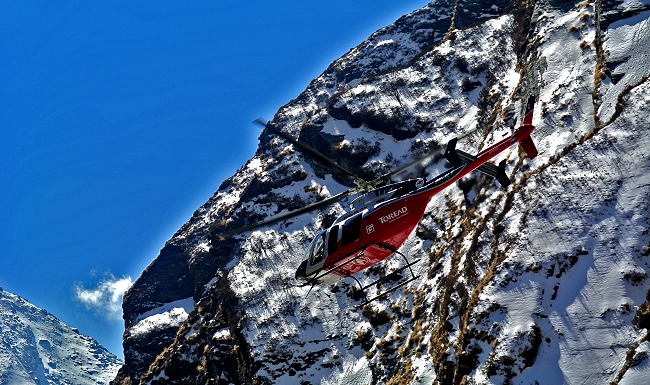
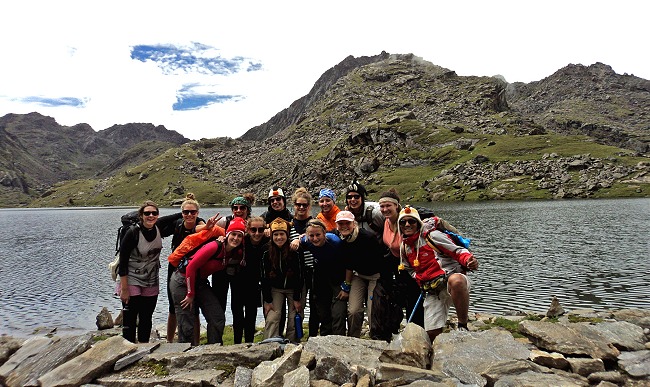

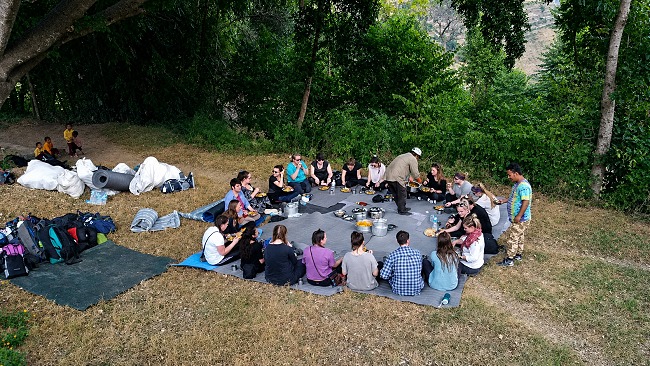
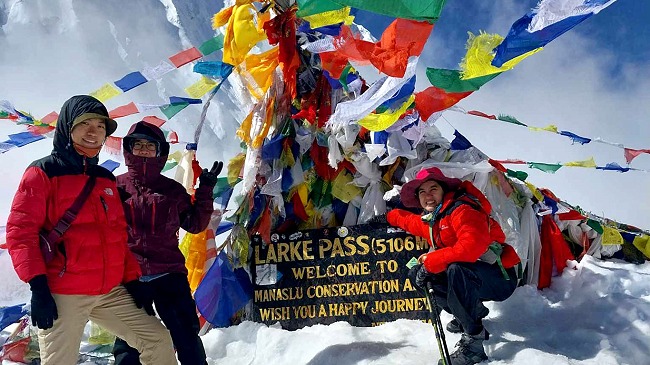
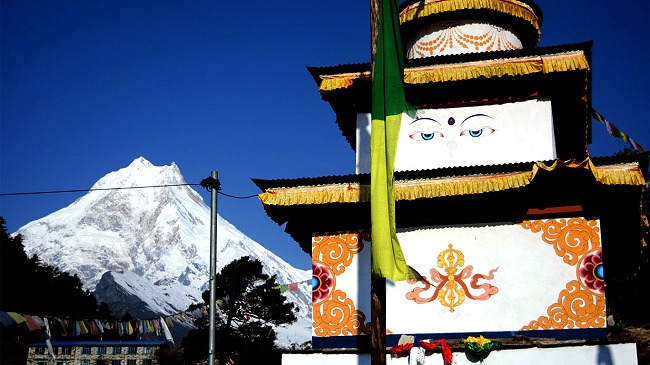
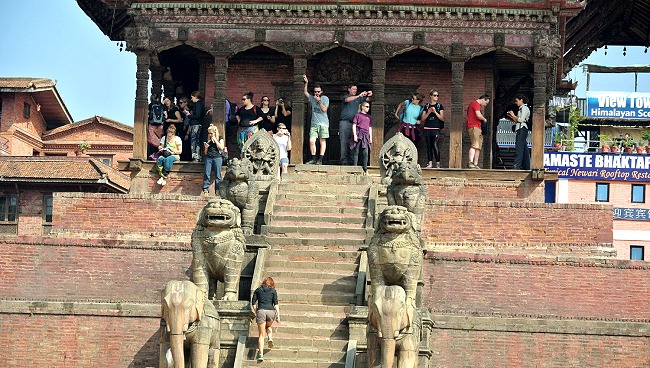
The best spiritual treks and tours in Nepal offer more than sightseeing. They provide time to walk quietly, learn from local communities, visit active places of worship and understand how Hinduism, Buddhism and indigenous traditions shape everyday life.
This guide introduces Nepal's leading spiritual journeys, from the great stupas of Kathmandu and the birthplace of Buddha in Lumbini to Tengboche Monastery, Tsum Valley, Upper Mustang and the sacred lakes of Gosainkunda. It also explains when to travel, how to behave at religious sites and how Peace Nepal Treks can create a private spiritual tour or trekking experience.
Spiritual Travel in Nepal at a Glance
| Experience | Best for | Typical time | Physical level |
|---|---|---|---|
| Kathmandu spiritual heritage tour | First-time visitors and short stays | 1–3 days | Easy |
| Kopan Monastery and Boudhanath | Meditation and Tibetan Buddhist culture | Half day–several days | Easy |
| Namobuddha monastery and village journey | Monastery, countryside and homestay | 1–3 days | Easy |
| Lumbini Buddhist pilgrimage | Buddhist history and peaceful reflection | 2–4 days | Easy |
| Everest and Tengboche Monastery Trek | Sherpa culture and Himalayan monasteries | 7–14 days | Moderate–strenuous |
| Tsum Valley Trek | Remote Tibetan Buddhist culture | 14–20 days | Strenuous |
| Upper Mustang cultural trek | Ancient monasteries and desert landscapes | 12–18 days | Moderate–strenuous |
| Gosainkunda sacred lake trek | Hindu and Buddhist pilgrimage | 5–9 days | Moderate–strenuous |
| Helambu monastery trek | Short cultural trekking near Kathmandu | 5–9 days | Moderate |
| Shamanism and village homestay tour | Living indigenous traditions | 3–8 days | Easy–moderate |
1. Kathmandu Valley Spiritual Heritage Tour
Kathmandu Valley is the best starting point for understanding Nepal's religious traditions. Hindu and Buddhist sacred sites stand close together, and many local people participate in practices connected with both faiths.
The most important places include:
Swayambhunath Stupa, an ancient hilltop Buddhist complex overlooking Kathmandu
Boudhanath Stupa, Nepal's largest stupa and an important centre of Tibetan Buddhist life
Pashupatinath Temple, Nepal's most important Hindu temple complex, beside the Bagmati River
Kopan Monastery, a Tibetan Buddhist monastery known internationally for teachings and meditation courses
Traditional courtyards, shrines and monasteries in Kathmandu, Patan and Bhaktapur
UNESCO describes Swayambhu as containing the oldest Buddhist monument in the valley, while Boudhanath contains Nepal's largest stupa. Pashupatinath forms an extensive Hindu temple precinct. Visitors can read more through the UNESCO Kathmandu Valley World Heritage listing.
Peace Nepal Treks can arrange a private Kathmandu City Sightseeing Tour or a longer Kathmandu Valley Cultural and Spiritual Tour.
Best for: First-time visitors, short stays, photographers and travellers interested in both Hindu and Buddhist traditions.

2. Kopan Monastery and Boudhanath Meditation Experience
Kopan Monastery sits on a peaceful hill overlooking the northern Kathmandu Valley. Travellers visit for its Tibetan Buddhist atmosphere, monastery setting and scheduled courses. Boudhanath, nearby, is especially meaningful in the early morning and evening when monks, residents and pilgrims walk clockwise around the stupa.
A visit can include quiet personal reflection, observing prayer rituals where permitted and learning about Tibetan Buddhist culture. Formal teachings, retreats and accommodation at Kopan are controlled by the monastery and must be booked directly according to its current schedule. A tour company cannot guarantee access to private ceremonies or meditation courses.
Read the Peace Nepal Treks guide to Kopan Monastery before planning your visit.
Best for: Meditation, quiet reflection and travellers with limited time in Kathmandu.

3. Namobuddha Monastery and Village Homestay
Namobuddha is one of Nepal's important Buddhist pilgrimage places. Set among green hills outside Kathmandu, it is associated with the story of a compassionate prince who offered his body to a starving tigress and her cubs.
The monastery area provides a peaceful contrast to Kathmandu. Prayer halls, hillside paths and wide views create a natural setting for reflection. The experience becomes more meaningful when combined with a local village stay rather than treated as a quick photo stop.
Peace Nepal Treks offers a Namobuddha Monastery and Local Family Homestay, combining Buddhist heritage with countryside walking and Tamang village life in Thulo Parsel.
Best for: A short spiritual escape, gentle walking, monastery culture and genuine family hospitality.

4. Lumbini Buddhist Pilgrimage Tour
Lumbini is recognised as the birthplace of Siddhartha Gautama, the Buddha, and is one of the world's most important Buddhist pilgrimage destinations. The sacred area includes the Maya Devi Temple, the Ashoka Pillar, archaeological remains, the Sacred Garden and monasteries built by Buddhist communities from different countries.
Lumbini is best experienced slowly. Early morning and late afternoon are quieter and cooler, allowing time for walking, contemplation and respectful observation. Visitors should plan at least one full day, while two or three days provide time to explore the wider monastic zone.
UNESCO records that Lumbini became a pilgrimage place and that Emperor Ashoka erected a commemorative pillar there. See the official UNESCO Lumbini World Heritage page.
Best for: Buddhist pilgrims, history-focused travellers and visitors seeking a quiet, accessible spiritual destination.

5. Everest Region and Tengboche Monastery Trek
The Everest region is not only a mountain destination. It is also the cultural homeland of Nepal's Sherpa communities. Mani stones, prayer wheels, chortens and monasteries appear throughout the Khumbu trails.
Tengboche Monastery is the spiritual centre of the region and stands in a remarkable position facing Ama Dablam, Everest, Lhotse and surrounding peaks. Depending on timing and monastery rules, visitors may quietly observe public prayer sessions. The Mani Rimdu festival, normally held according to the Tibetan lunar calendar, is an important annual event, but dates should be confirmed each year.
Travellers can visit Tengboche on a shorter Everest panorama journey or as part of the Everest Base Camp Trek.
Best for: Himalayan scenery, Sherpa Buddhist culture and travellers wanting spirituality within a classic mountain trek.

6. Tsum Valley Trek: Remote Buddhist Culture
Tsum Valley is one of Nepal's most culturally distinctive Himalayan valleys. Located near the Manaslu region, it contains monasteries, mani walls, chortens, meditation caves and villages influenced by Tibetan Buddhist traditions.
Important cultural places include Mu Gompa, Rachen Gompa and Milarepa's Cave. The route offers a slower and quieter experience than Nepal's busiest trekking trails. Visitors should remember that monasteries are living religious institutions rather than tourist attractions, and access can depend on local permission and daily religious activities.
The trek is physically demanding because of its duration, altitude and remote terrain. It is best for experienced walkers who value cultural immersion as much as mountain scenery.
Best for: Remote monasteries, Tibetan Buddhist culture, long-distance trekking and quieter trails.

7. Upper Mustang Monastery and Cave-Culture Trek
Upper Mustang preserves a distinctive Tibetan-influenced culture north of the main Himalayan range. Its dry cliffs, ancient settlements, cave complexes and monasteries create one of Nepal's most unusual cultural landscapes.
Lo Manthang is the historic walled capital. Monasteries such as Jampa, Thubchen and Chode contain religious art, statues and traditions that have developed over centuries. The region is also associated with meditation caves and long-established pilgrimage routes.
Upper Mustang is a restricted area, so international visitors must follow current permit and guide regulations. Spring and autumn are popular, while its rain-shadow location also makes it one of Nepal's better summer trekking options.
Best for: Ancient monasteries, Tibetan-influenced culture, archaeology and dramatic desert landscapes.

8. Gosainkunda Sacred Lake Trek
Gosainkunda is a high-altitude lake sacred to both Hindu and Buddhist communities. In Hindu tradition, the lake is closely associated with Lord Shiva. Thousands of pilgrims visit during the Janai Purnima festival, usually held in August according to the lunar calendar.
The trail passes through forests, Tamang settlements and high alpine landscapes before reaching the lakes at approximately 4,380 metres. Outside the festival period, the area is quieter and suitable for trekkers who want a shorter journey combining pilgrimage and Himalayan scenery.
Explore the Gosainkunda Trek for route and trip information.

Best for: Sacred landscapes, Hindu and Buddhist pilgrimage, shorter high-altitude trekking and festival travel.
9. Helambu Monastery and Tamang–Hyolmo Cultural Trek
Helambu lies relatively close to Kathmandu but feels peaceful and rural. Its trails connect forested ridges, terraced farmland, Buddhist villages, monasteries and mountain viewpoints.
The region is associated with Hyolmo culture and Tibetan Buddhist traditions. Because the trek can be shorter and lower than many major Himalayan routes, it is suitable for travellers who want cultural depth without committing to a long expedition.
Helambu can also be combined with Gosainkunda for a longer pilgrimage-style trek.
Best for: Short cultural trekking, monasteries, village life and travellers with moderate fitness.

10. Nepal Shamanism, Monastery and Village Homestay Tour
Nepal's spiritual heritage extends beyond formal Hindu and Buddhist institutions. In many rural communities, traditional healers—often called jhankri—continue practices involving oral knowledge, drumming, ritual and relationships with ancestors and the natural world.
A responsible shamanism experience should never promise a performance or treat private rituals as entertainment. Participation depends on local consent, timing and community circumstances. Travellers should approach these traditions with humility and avoid making medical claims about ritual healing.
Peace Nepal Treks offers an 8-day Nepal Shamanism, Monastery and Village Homestay Tour and a background guide to shamanism and Jhankri traditions in Nepal.
Best for: Living traditions, local interaction, village hospitality and travellers interested in Nepal's cultural diversity.

Trek or Tour: Which Spiritual Journey Should You Choose?
Choose a spiritual tour if you prefer comfortable road travel, shorter walks and easy access to Kathmandu, Namobuddha or Lumbini.
Choose a spiritual trek if you want several days of walking, simple mountain lodges and deeper access to places such as Tengboche, Tsum Valley, Upper Mustang, Gosainkunda or Helambu.
Choose a homestay experience if your main interest is family life, food, conversation and local traditions. Peace Nepal Treks can combine a cultural tour with a Local Village Homestay or Peace Homestay Kathmandu.
Best Time for Spiritual Treks and Tours in Nepal
Spring: March to May
Spring offers warmer temperatures, flowering forests and generally good mountain visibility. It is suitable for most monastery treks and cultural tours.
Autumn: September to November
Autumn usually brings clear skies and stable trekking conditions. It is one of the best periods for Everest, Tsum Valley, Upper Mustang, Helambu and Gosainkunda.
Winter: December to February
Kathmandu, Namobuddha and Lumbini remain possible in winter. High routes can be extremely cold and may receive snow.
Monsoon: June to August
Kathmandu and Lumbini can be hot and wet. Mountain trails may face cloud, rain and landslides. Upper Mustang is often a better summer trekking choice because it lies in a rain-shadow area. Janai Purnima can make August meaningful for pilgrims visiting Gosainkunda, although trail conditions may be wet.
Meditation and Monastery Visits: What to Expect
Visiting a monastery does not automatically include a formal meditation session, teaching or private meeting with a monk. Each monastery controls its own schedule and visitor access.
Some visits may include:
Quiet time in public areas
Walking around stupas and prayer wheels
Observing public prayers when permitted
Learning about Buddhist art and symbolism
Scheduled teachings or retreats booked directly with the institution
Peace Nepal Treks can arrange transportation, guides and accommodation, but religious activities remain subject to monastery permission and current schedules.
Respectful Behaviour at Sacred Places
Dress modestly and remove shoes where requested.
Walk clockwise around Buddhist stupas, chortens and mani walls.
Ask permission before photographing monks, ceremonies or local people.
Do not touch statues, murals, scriptures or ritual objects.
Keep conversations quiet inside prayer halls.
Never interrupt ceremonies for photographs.
Avoid sitting with your feet pointed towards an altar or religious image.
Follow your guide and all instructions displayed at the site.
Give donations discreetly and only through appropriate channels.
Treat cremation areas and private rituals with particular sensitivity.
Why Travel with Peace Nepal Treks?
Peace Nepal Treks has operated from Kathmandu since 2004. Our local team creates private and small-group journeys that connect Nepal's spiritual heritage with responsible travel and genuine community experiences.
We can arrange:
Licensed cultural and trekking guides
Private transportation and airport transfers
Hotels, mountain lodges and family homestays
Trekking permits where required
Monastery and pilgrimage-site visits
Village walks and cultural interpretation
Custom itineraries based on fitness and available time
Support for individuals, couples, families and private groups
Browse our Nepal Tour Packages or contact Peace Nepal Treks to create a spiritual journey suited to your interests.
Frequently Asked Questions
What is the best spiritual trek in Nepal?
Tsum Valley is one of Nepal's strongest choices for remote Buddhist culture, while the Everest–Tengboche route combines monasteries with famous Himalayan scenery. Gosainkunda is ideal for travellers interested in a sacred Hindu and Buddhist landscape.
What is the best spiritual tour for a first visit?
A Kathmandu Valley tour covering Swayambhunath, Boudhanath and Pashupatinath is the best introduction. Add Namobuddha for countryside and monastery life or Lumbini for an important Buddhist pilgrimage.
Can tourists meditate in Nepalese monasteries?
Some monasteries offer scheduled meditation courses, teachings or retreats, while others permit only general visits. Programmes must be confirmed directly with the monastery because availability and visitor rules can change.
Do I need to be Buddhist or Hindu?
No. Respectful visitors of every background are welcome at most public pilgrimage sites. Travellers should follow local customs and remember that these are active places of worship.
Can I stay overnight in a monastery?
Selected monasteries have guest accommodation or organised retreats, but availability is limited and separate rules may apply. A nearby hotel or village homestay is often easier to arrange.
When is the best time for a spiritual trip to Nepal?
March to May and September to November are best for most trekking routes. Kathmandu, Namobuddha and Lumbini can be visited for much of the year, although summer is wet and winter mornings can be cold.
Is a spiritual trek suitable for beginners?
Short trips around Kathmandu, Namobuddha and lower Helambu can suit beginners. Everest, Tsum Valley, Upper Mustang and Gosainkunda require better fitness, altitude preparation and more time.
Can Peace Nepal Treks arrange a private spiritual tour?
Yes. The route can be customised around Buddhism, Hindu pilgrimage, meditation, monasteries, village culture, photography or gentle walking.
Plan Your Spiritual Journey in Nepal
Nepal's spiritual places are not separate from daily life. They are found in morning prayers around Boudhanath, butter lamps inside mountain monasteries, pilgrimage paths leading to sacred lakes and the hospitality of families who preserve local traditions.
Tell Peace Nepal Treks your available time, preferred comfort level and spiritual or cultural interests. Our local team will create a journey that is meaningful, respectful and realistic.


