
Short answer: yes. Beginners complete the Everest Base Camp trek successfully every season, and you don't need mountaineering experience, technical climbing skills, or elite athletic fitness to stand at the base of the world's highest mountain. What you do need is honest preparation, a sensible pace, and realistic expectations about what actually makes this trek hard, because it isn't what most people assume.
Hand-picked itineraries
Recommended Trips
Related journeys you may want to explore after reading this article.
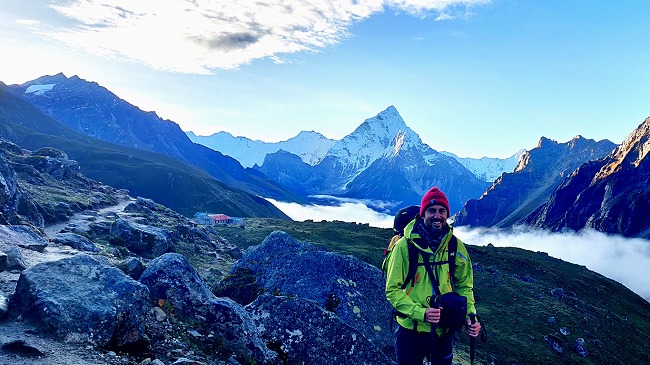
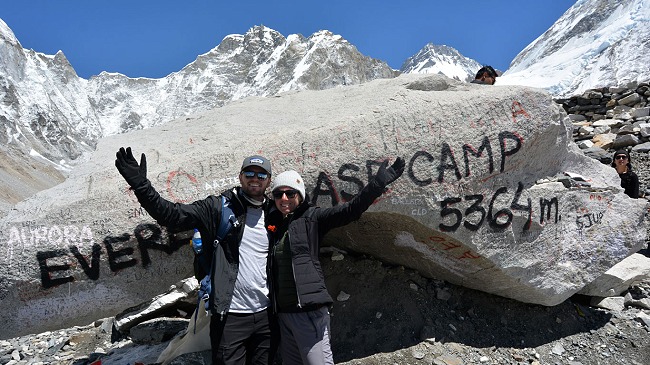
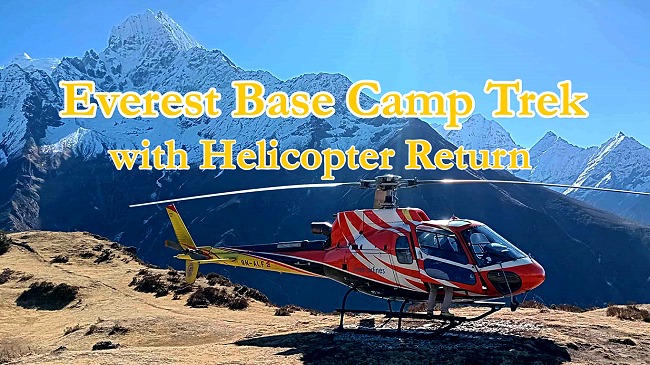
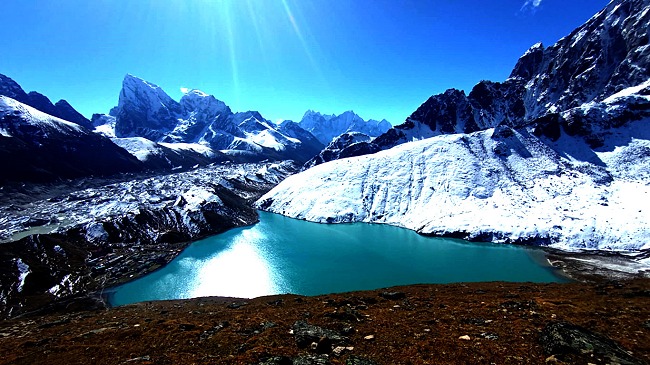
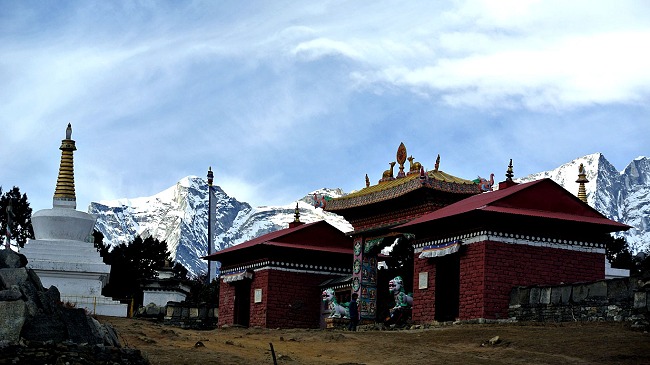
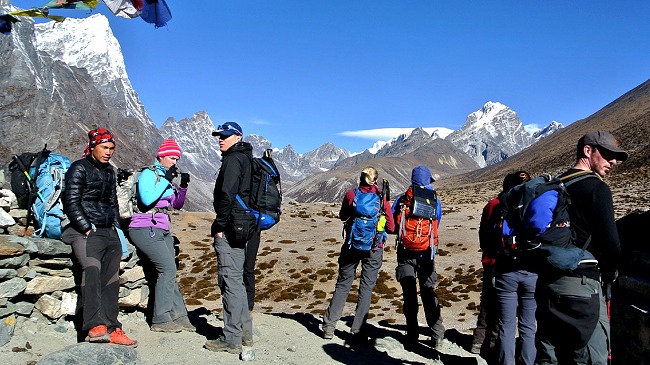
This guide breaks down exactly how difficult EBC really is, what makes it challenging, how fit you need to be, and how beginners can prepare properly.
Is Everest Base Camp a Climb or a Trek?
This is worth clearing up first: EBC is a trek, not a climb. There are no ropes, no ice axes, no ladders, and no technical mountaineering skills required on the standard route. You're walking, for long hours and at high altitude, but walking. The difficulty comes from endurance, altitude, and sustained effort over multiple days, not from technical skill.
Overall Difficulty Rating
| Difficulty Factor | Rating | Why |
|---|---|---|
| Technical skill required | Low | No climbing gear or mountaineering experience needed |
| Physical endurance required | Moderate to high | 5–8 hours of walking daily for 8–10 consecutive days |
| Altitude challenge | High | Base Camp sits at 5,364m, roughly 50% less oxygen than sea level |
| Terrain difficulty | Moderate | Rocky, uneven trails with sustained elevation gain, but non-technical |
| Mental/psychological demand | Moderate to high | Cold, basic teahouse conditions, and slow pace test patience as much as fitness |
| Overall trek rating | Moderate to challenging | Achievable for prepared beginners, difficult without preparation |
What Actually Makes EBC Difficult
| Factor | The Reality |
|---|---|
| Altitude | The single biggest difficulty factor. Oxygen availability drops significantly above 2,500m, and by Base Camp you're breathing roughly half the oxygen available at sea level |
| Cumulative fatigue | It's not one hard day, it's 8–10 consecutive days of 5–8 hours of walking that wears down even fit trekkers if paced poorly |
| Terrain | Rocky, uneven trails, suspension bridges, and steep uphill/downhill sections, physically tiring but not technically difficult |
| Cold | Temperatures at higher elevations, especially mornings and evenings, can drop well below freezing outside peak season |
| Basic accommodation | Teahouses become more basic the higher you go, shared bathrooms, unheated rooms, and limited hot water above Namche |
| Distance | Roughly 130km round trip over 12–14 days, manageable daily mileage but accumulated over many days |
Notice that "technical difficulty" isn't on this list. The trek's reputation for being hard comes almost entirely from altitude and endurance, not from anything resembling rock climbing or mountaineering.
Day-by-Day Difficulty Breakdown
| Trek Segment | Altitude Range | Difficulty |
|---|---|---|
| Lukla to Namche Bazaar (Days 1–3) | 2,860m → 3,440m | Moderate, body adjusting to trekking rhythm |
| Acclimatization days (Namche, Dingboche) | Stationary with day hikes | Easier walking, but essential, don't skip these |
| Namche to Lobuche (Days 6–8) | 3,440m → 4,940m | Challenging, sustained altitude gain |
| Gorak Shep, Base Camp, Kala Patthar (Days 9–10) | 5,164m → 5,545m | Most difficult, extreme altitude effects |
| Descent (Days 11–14) | Back to Lukla | Physically easier breathing, but hard on knees |
How Fit Do You Actually Need to Be?
| Fitness Level | Recommended Training Time | Notes |
|---|---|---|
| Regular hikers, runners, cyclists | 4–6 weeks | Focus on altitude-specific conditioning and extended endurance |
| Moderately active individuals | 8–10 weeks | Structured, progressive training required |
| Sedentary individuals | 12–16 weeks | Build from baseline fitness gradually; achievable with consistency |
A useful baseline check: if you can currently walk for 30 minutes without stopping, you have the foundation to start training. From there, consistency matters far more than intensity, four moderate training sessions a week for 8–12 weeks consistently outperforms occasional intense gym sessions squeezed into two weeks before departure.
Importantly, general fitness doesn't automatically transfer. Marathon runners sometimes struggle at altitude precisely because they're used to pushing hard, and pushing hard is the wrong strategy above 3,500m. Cardiovascular endurance built through sustained, moderate-intensity effort (the kind where you could still hold a conversation) matters more than raw speed or strength.
Beginner Training Plan Overview
| Timeframe Before Trek | Training Focus |
|---|---|
| 12–16 weeks out | Base cardio (walking, cycling, swimming), begin breaking in trekking boots |
| 8–12 weeks out | Increase hike duration, introduce a weighted daypack, add strength training 2–3x/week |
| 4–8 weeks out | Build trek-specific stamina: back-to-back long hikes, stair climbing, hill walking with a loaded pack |
| Final 2 weeks | Taper intensity, focus on rest, finalize gear, and confirm insurance and health prep |
What to Prioritize in Training
- Cardiovascular endurance over raw strength, the ability to sustain a steady heart rate on an incline for hours matters more than lifting heavy weights
- Leg strength, particularly for downhill sections, which are harder on knees than most beginners expect
- Hiking with a loaded daypack (build up to 8–10kg) to simulate real trekking conditions
- Stair climbing or incline treadmill work if hills aren't accessible where you live
- Breaking in your actual trekking boots during training hikes, blisters are one of the most common reasons trekkers struggle
Common Beginner Concerns, Addressed
| Concern | Reality |
|---|---|
| "I've never done a multi-day trek before." | Not required. Many first-time trekkers complete EBC successfully with proper training |
| "I'm not an athlete." | You don't need to be. Consistency in training matters more than elite fitness |
| "I'm worried about altitude sickness." | Choose a 13–14 day itinerary with built-in acclimatization days, this is the single biggest protective factor |
| "I'm worried about the cold." | Proper layering and a good sleeping bag make this manageable even for warm-climate trekkers |
| "What if I can't keep up with the group?" | A good guide paces the trek appropriately, and private guide options exist for full pacing control |
| "Am I too old / too young?" | Age isn't the barrier fitness and preparation are. Trekkers in their 60s and 70s complete EBC every season |
Tips to Make EBC More Manageable as a Beginner
- Choose a 13–14 day itinerary, not a compressed 10 or 12-day version. The extra days exist specifically for acclimatization and meaningfully reduce both difficulty and altitude sickness risk.
- Walk slowly, even when you feel strong. Ironically, the fittest trekkers sometimes struggle most at altitude because they move too fast and outpace their acclimatization.
- Hire an experienced, licensed guide. A good guide manages pace, monitors for altitude symptoms, and handles logistics, cutting the effective difficulty of the trek significantly for a first-timer.
- Don't skip acclimatization days, no matter how good you feel on those mornings. They exist for a physiological reason, not as filler.
- Train consistently rather than intensely. Four moderate sessions a week for 8–12 weeks builds more trek-ready fitness than sporadic intense workouts.
- Break in your boots and test your full gear setup on training hikes well before departure.
The Bottom Line
Everest Base Camp is rated moderate to challenging, and that rating is earned, but it's earned through altitude and endurance, not technical difficulty. For beginners, the real determining factor isn't natural athletic ability, it's whether you train consistently, choose a properly paced itinerary, and trek with an experienced guide who can help you make sensible decisions along the way. Thousands of first-time trekkers reach Base Camp every season. With the right preparation, there's no strong reason you can't be one of them.
Ready to Prepare for Your First Everest Base Camp Trek?
At Peace Nepal Treks, our EBC itineraries are built with beginners in mind: proper acclimatization days, experienced guides trained to pace the trek appropriately, and the flexibility to adjust if you need it.
Check out our Everest Base Camp Trek itinerary for a full breakdown of the route and daily distances, or get in touch with our team for personalized training and preparation advice based on your current fitness level.