

Altitude sickness, not fitness, not stamina, not experience, is the single biggest reason trekkers don't make it to Everest Base Camp. It doesn't discriminate: it affects seasoned mountaineers and first-time trekkers alike, and it has almost nothing to do with how strong you are. What it does depend on is how well you prepare and how sensibly you ascend.
Hand-picked itineraries
Recommended Trips
Related journeys you may want to explore after reading this article.
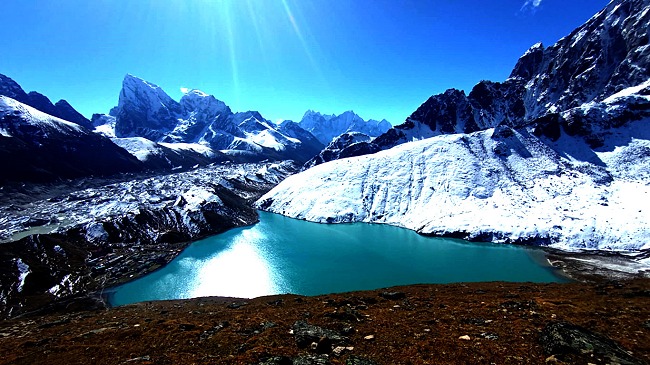
The good news is that altitude sickness on the EBC trek is largely preventable. Here's what causes it, how to reduce your risk, and what to do if symptoms show up on the trail.
What Is Altitude Sickness?
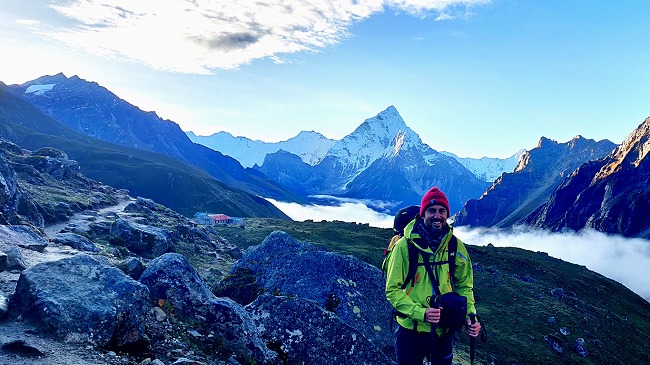
Altitude sickness, medically known as Acute Mountain Sickness (AMS), happens when you climb to higher elevations faster than your body can adjust to the thinner air. Above roughly 2,400 meters (8,000 feet), the amount of oxygen available with each breath starts to drop noticeably, and the Everest Base Camp trek takes you well beyond that, from Lukla at 2,860m up to Kala Patthar at 5,545m, where oxygen levels are close to half of what they are at sea level.
Common early symptoms of AMS include:
- Headache
- Nausea or loss of appetite
- Dizziness or light-headedness
- Fatigue beyond what the day's walk would normally cause
- Difficulty sleeping
- Mild shortness of breath
These symptoms are common in the first day or two at a new altitude and often settle with rest. The danger is in ignoring them and continuing to climb.
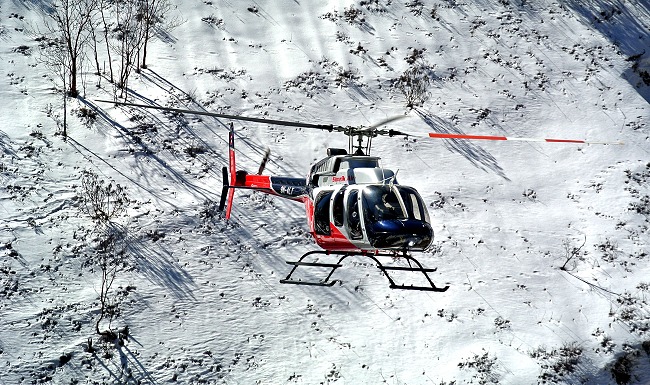
Severe altitude illness takes two forms: HAPE (High Altitude Pulmonary Edema, fluid in the lungs) and HACE (High Altitude Cerebral Edema, fluid on the brain). Both are medical emergencies. Warning signs include a persistent cough, confusion, loss of coordination, extreme breathlessness at rest, or a headache that doesn't respond to medication. If any of these appear, immediate descent is not optional, it's the only effective treatment, and it can be life-saving.
The Golden Rule: Ascend Slowly
Every other prevention strategy is secondary to this one. Your body needs time to increase red blood cell production and adjust to lower oxygen levels, and there's no shortcut around that biology.
The general guideline above 3,000m is to increase your sleeping altitude by no more than 300–500 meters per day, with a rest day roughly every 3–4 days of ascent. This is exactly why a well-built EBC itinerary isn't just about covering distance, it's an acclimatization plan.
A properly paced itinerary should include:
- An acclimatization day in Namche Bazaar (3,440m), usually with a day hike up to the Everest View Hotel or Khumjung
- An acclimatization day in Dingboche (4,410m), typically with a hike toward Nagarjun Hill or Chukhung
- A 14-day itinerary rather than a rushed 10 or 12-day version, giving your body meaningfully more time to adjust before reaching Base Camp
Follow "Climb High, Sleep Low"
On acclimatization days, don't just rest in the village, use the day to hike a few hundred meters higher and then return to sleep at the lower elevation. This exposes your body to reduced oxygen for a few hours without committing to sleeping at that altitude, which measurably improves how well you adapt on the following days. It's one of the most effective and simplest strategies used in high-altitude trekking worldwide.
Stay Hydrated
Dehydration mimics and worsens the symptoms of altitude sickness, and the dry mountain air combined with increased respiration at altitude means you lose fluid faster than you'd expect, even without feeling thirsty. Aim for 3 to 4 liters of water a day, more on longer trekking days. Herbal teas like ginger or garlic soup (a Sherpa trail favorite, believed to help with acclimatization) are a good way to add fluids alongside plain water.
Eat Well, Even When You Don't Feel Like It
Appetite often drops at altitude, but your body needs the fuel. Prioritize carbohydrate-rich meals like dal bhat, noodles, and porridge, which are easier to digest and provide steady energy at elevation. Avoid skipping meals even if you feel mildly nauseous; a small amount of food is almost always better than none.
Avoid Alcohol and Sleeping Pills
Both alcohol and sedative sleep medication suppress your breathing rate, which is the opposite of what your body needs while adjusting to lower oxygen levels. Skip alcohol entirely during the trek, and if you're struggling to sleep at altitude (very common, and usually harmless), talk to your guide rather than reaching for a sleeping pill.
Should You Take Diamox?
Diamox (acetazolamide) is the most widely used medication for preventing and managing AMS. It works by mildly acidifying the blood, which stimulates faster, deeper breathing and speeds up the acclimatization process your body would otherwise do on its own, over time.
A few important points:
- Diamox supports acclimatization, it does not replace it. Taking it is not a substitute for ascending slowly, staying hydrated, or listening to your body.
- It's typically started a day or two before ascending to higher elevations and continued for a few days at altitude, though exact protocols vary.
- Common side effects include tingling in the fingers and toes, increased urination, and mild taste changes, usually manageable and temporary.
- It's not suitable for everyone, particularly those with sulfa allergies or certain kidney or liver conditions.
Always consult your doctor before your trip to discuss whether Diamox is appropriate for you, and get a prescription at home rather than relying on it being available on the trail. Many experienced trekking guides also carry it in their first-aid kit as a backup, but decisions about starting or adjusting medication should be made with medical guidance, not on the trail based on how you're feeling in the moment.
Trek With an Experienced, Licensed Guide
This might be the most underrated prevention strategy of all. A good guide has seen hundreds of trekkers move through these exact altitudes and knows the difference between "you're having a rough afternoon" and "we need to descend now." Guides are trained to recognize early AMS symptoms, adjust pacing, and make the call to turn back or descend when it matters, decisions that are much harder to make objectively about yourself when you're the one experiencing the symptoms.
Listen to Your Body
No itinerary, medication, or gear substitutes for paying attention to how you actually feel. A mild headache on day one at Namche is common and usually nothing to worry about. A headache that isn't responding to rest, water, and basic pain relief, especially paired with nausea, dizziness, or unusual fatigue, is your body telling you to stop ascending until it resolves.
The single most important rule in altitude sickness management: never knowingly ascend further while experiencing worsening AMS symptoms. Descending even a few hundred meters can bring rapid relief, and it's always the safer choice over pushing through to make up time.
Quick Prevention Checklist
- Choose a 13–14 day itinerary with built-in acclimatization days
- Ascend no more than 300–500m in sleeping altitude per day above 3,000m
- Climb high, sleep low on rest days
- Drink 3–4 liters of water daily
- Eat regularly, even without much appetite
- Avoid alcohol and sleeping pills throughout the trek
- Discuss Diamox with your doctor before you travel
- Trek with a licensed, experienced guide
- Never ascend further while AMS symptoms are worsening
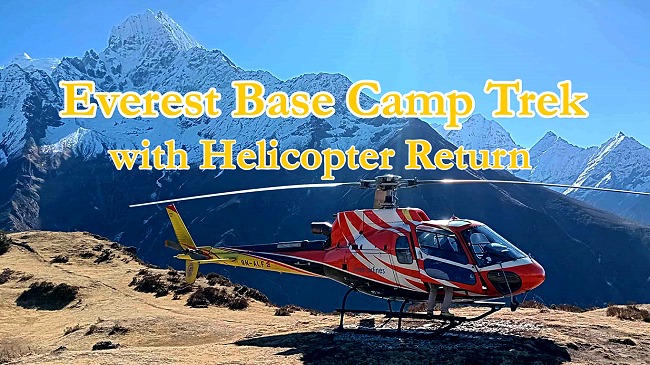
- Make sure your travel insurance covers high-altitude trekking and helicopter evacuation
Trek Everest Base Camp With a Properly Paced, Safety-First Itinerary
The most effective altitude sickness prevention starts before you even land in Nepal, with the itinerary you choose. At Peace Nepal Treks, our Everest Base Camp itineraries are built with proper acclimatization days at Namche Bazaar and Dingboche, experienced guides trained to monitor for AMS, and the flexibility to adjust pacing if you need it, because reaching Base Camp safely matters more than reaching it quickly.
Check out the full itinerary and season-by-season planning details on our Everest Base Camp Trek page, or get in touch with our team to talk through acclimatization, timing, and preparation for your trip.