Tribhuvan International Airport (TIA), Kathmandu: The Complete Guide
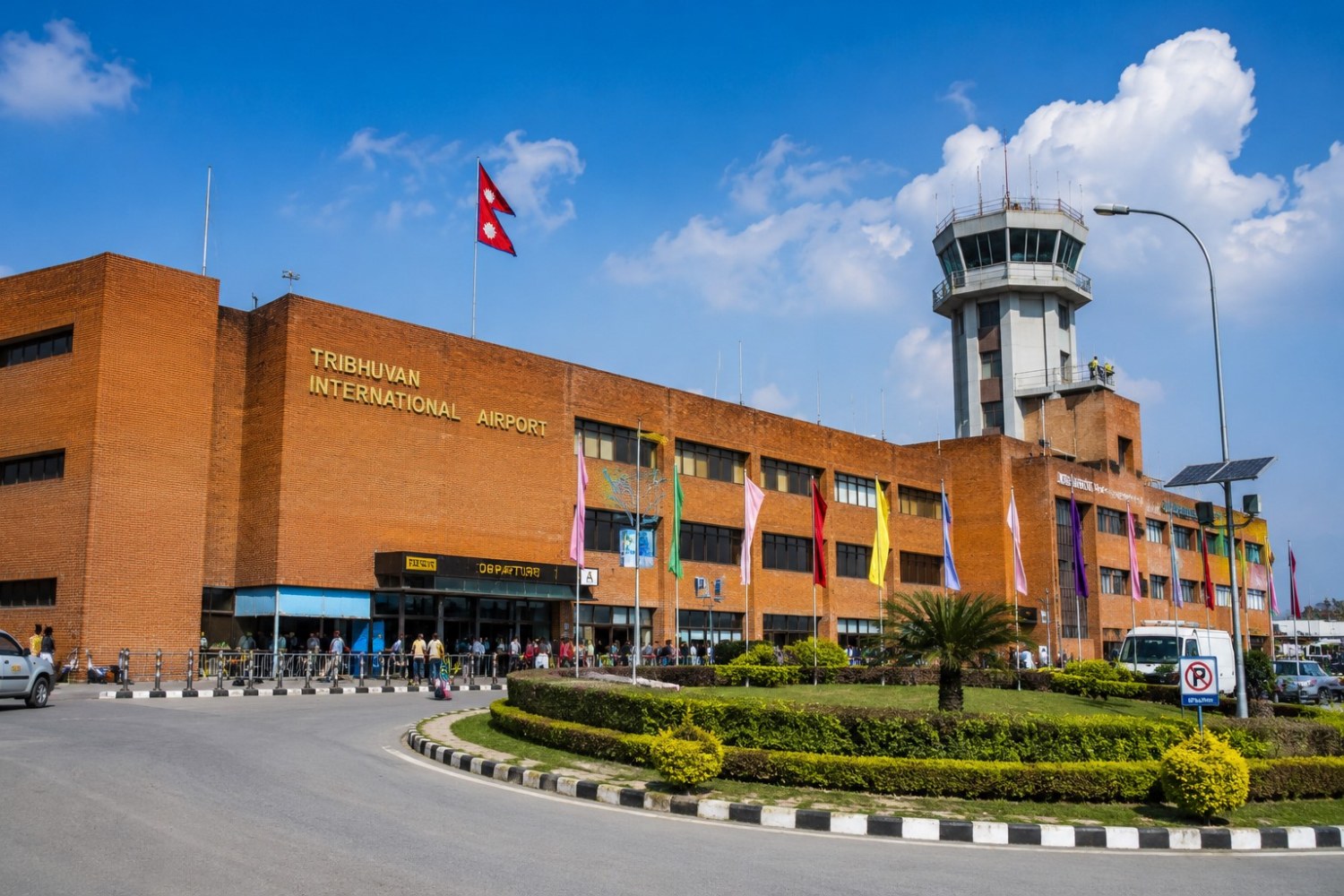
For almost every traveler heading to Nepal, the Himalayas begin the moment the wheels touch down at Tribhuvan International Airport (TIA). As Nepal's only international gateway, it's the first taste of the country you get — and often the most disorienting part of the whole trip if you don't know what to expect. This guide walks through everything from terminals and visa formalities to transport, facilities, and the practical details that most airport pages leave out.
Hand-picked itineraries
Recommended Trips
Related journeys you may want to explore after reading this article.

Quick Facts: TIA at a Glance
| Detail | Information |
|---|---|
| Full name | Tribhuvan International Airport |
| IATA / ICAO code | KTM / VNKT |
| Location | Sinamangal, Kathmandu, Nepal |
| Distance from city center (Thamel) | Approx. 6 km |
| Distance from Pashupatinath Temple | Approx. 1–3 km |
| Distance from Boudhanath Stupa | Approx. 4 km |
| Terminals | 2 (International Terminal, Domestic Terminal) |
| Operator | Civil Aviation Authority of Nepal (CAAN) |
| International destinations served | 40+ destinations across roughly 17 countries |
| Visa on arrival | Available for most nationalities |
| Typical operating hours | Around 19 hours daily (roughly 6:00 AM–midnight), subject to weather and fog delays |
Where TIA Sits and Why the Layout Matters
Tribhuvan International Airport sits in the Sinamangal area, only a few kilometers from Kathmandu's old city core. It's flanked by two of the valley's most important religious sites — Pashupatinath Temple is practically next door, and Boudhanath Stupa is a short drive away — which means many visitors combine their first or last day in Nepal with a stop at one or both.
The airport itself began life in 1949 as the modest Gauchar Airport before being renamed after King Tribhuvan and expanded into an international facility. It remains a single-runway airport wedged into a bowl-shaped valley surrounded by hills, which explains why weather, especially winter fog, plays such a large role in Kathmandu flight delays.
Terminals: International vs. Domestic
TIA operates two separate terminal buildings, and understanding the difference matters if you're connecting between an international flight and a domestic one (for example, flying in from Delhi or Doha and then continuing on to Lukla for an Everest trek).
International Terminal
This is the terminal every foreign visitor arrives through. It handles:
- Immigration and Visa on Arrival processing
- Baggage claim and customs
- Airline check-in counters and international security screening for departures
- Currency exchange counters, ATMs, and banking services
- Duty-free shops, cafes, and souvenir stores
- A small number of airline lounges
It's an older building that regularly feels crowded during peak arrival waves, though renovation work has been ongoing in phases. Expect it to look more functional than polished — this is a working South Asian gateway airport, not a glossy transit hub.
Domestic Terminal
Located roughly 500 meters from the international building, the domestic terminal handles all flights within Nepal — most importantly the mountain routes to Lukla (Everest region), Pokhara, Bharatpur (for Chitwan), Nepalgunj, and other regional airstrips. It does not require immigration or visa processing, but you will go through a domestic security screening and airline check-in.
Facilities here are noticeably more basic: simple snack counters, limited seating, and minimal signage compared to the international side. If you're transferring from an international arrival to a same-day domestic flight, you'll need to exit the international terminal, walk (or take the free shuttle bus) to the domestic building, and check in separately — budget extra time for this, especially with trekking gear in tow.
Nepal Visa on Arrival: What to Expect at TIA
Most travelers can get their Nepal tourist visa on arrival directly at TIA, and it's a genuinely straightforward system once you know the steps.
Current visa-on-arrival fees (tourist visa):
- 15 days — USD 30
- 30 days — USD 50
- 90 days — USD 125
The process typically runs in three stages:
- Kiosk / online form — Fill out your arrival and visa details at the electronic kiosks in the arrivals hall, or complete the online form in advance (valid for 15 days before arrival) to skip straight to the next step.
- Payment counter — Pay your visa fee, ideally in clean, undamaged USD cash. Card machines exist but are unreliable due to intermittent network issues, so treat cards as a backup, not your main plan.
- Immigration desk — Submit your passport, form, and payment receipt to have your visa stamped.
Realistic timing: 20–40 minutes on a quiet arrival, but 60–90 minutes is common when several international flights land close together, particularly during peak trekking season (March–May and September–November).
A few things worth knowing:
- Citizens of a handful of countries (including Afghanistan, Ethiopia, Iraq, Nigeria, Somalia, and Syria, among others) cannot get a visa on arrival and must apply through a Nepali embassy beforehand.
- Indian citizens don't need a visa at all, only valid ID.
- SAARC nationals get visa-free entry for the first 30 days of the calendar year, and children under 10 are exempt from fees.
- Visas can be extended at the Department of Immigration in Kathmandu or Pokhara, up to a maximum of 150 days per calendar year, at roughly USD 3 per additional day with a minimum charge.
- Overstaying carries a fine of around USD 5 per day and can risk future entry problems, so track your visa expiry carefully if you extend a trek.
Getting To and From TIA
Once you clear immigration and collect your bags, here's how to actually get into the city.
- Pre-booked hotel or agency transfer (recommended for first-timers): The least stressful option, especially after a long flight. Your driver waits with a name board just past the arrival exit.
- Official pre-paid taxi counter: Located just outside the arrivals hall. You state your destination, pay a fixed fare, and get a voucher for the driver — this avoids haggling and is the safest way to take an unplanned taxi. Expect roughly NPR 800–1,000 (about USD 6–8) to Thamel.
- Ride-hailing apps (Pathao, Tootle, InDrive): Useful once you have a local SIM and data, though less practical the moment you land since you'll need to set up a SIM first. Better used for your return trip to the airport.
- Local bus: Extremely cheap but crowded and impractical with luggage; buses also drop at a bus park rather than your accommodation.
Approximate taxi fares and travel times from TIA:
| Destination | Distance/Time | Approx. Fare (NPR) |
|---|---|---|
| Thamel (main tourist area) | 20–45 min | 800–1,000 |
| Boudhanath Stupa | 20–30 min | 600–800 |
| Pashupatinath Temple | 10–15 min | 300–500 |
| Patan (Lalitpur) | 30–45 min | 700–900 |
| Bhaktapur | 45–60 min | 1,500+ |
Traffic congestion is a real factor here — journeys that should take 15 minutes can stretch to 45 during rush hour, so build in a buffer if you have a tight domestic flight connection.
Airport Facilities
TIA's international terminal covers the essentials, even if the polish varies:
- Wi-Fi: Free Wi-Fi is available terminal-wide via the network "Free_CAAN_WorldLink_WiFi," though speeds and reliability can be inconsistent.
- Currency exchange & ATMs: Available in the arrivals and departure areas, though rates are generally better at licensed money changers in Thamel if you can wait.
- Lounges: A small number of business/first-class lounges operate for specific airlines and alliance status holders, plus a couple of hotel-operated transit lounges after immigration.
- Duty-free and shops: Standard duty-free retail, plus cafes, souvenir stalls, and Nepali tea and pashmina stands.
- Medical and accessibility services: Basic medical facilities, assistance for elderly or differently-abled passengers, and dedicated help desks are available.
- Prayer room, parents' room, and baggage help desk: Located within the international terminal.
- Parking: Paid parking is available near the international terminal's arrival area; the first few minutes of pickup/drop-off are typically free before charges apply.
- Lost baggage assistance: A dedicated help desk handles missing or delayed luggage claims.
Domestic Flights, Mountain Routes, and Everest Sightseeing
TIA's domestic terminal is the launch point for Nepal's mountain aviation network, which matters enormously if you're trekking:
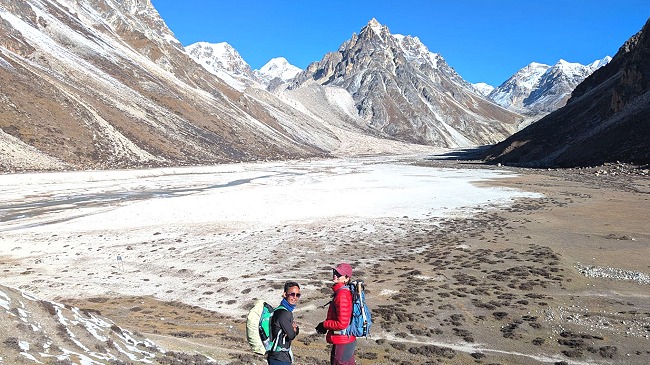
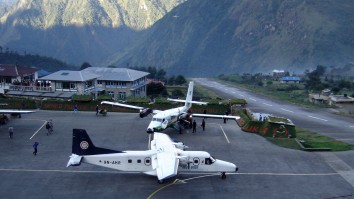
- Lukla (for Everest Base Camp treks): Frequent early-morning flights, heavily weather-dependent and prone to delays or cancellations, especially outside peak season.
- Pokhara: The most popular domestic route, a roughly 25-minute flight offering close-up Annapurna range views, and also reachable by a scenic 6–8 hour tourist bus.
- Bharatpur (Chitwan), Nepalgunj, Biratnagar, and other regional airstrips: Regularly served by Nepali carriers.
- Mountain sightseeing flights: Buddha Air, Yeti Airlines, Shree Airlines, and Sita Air run short Everest sightseeing flights that depart early morning from the domestic terminal and return around an hour later, without landing.
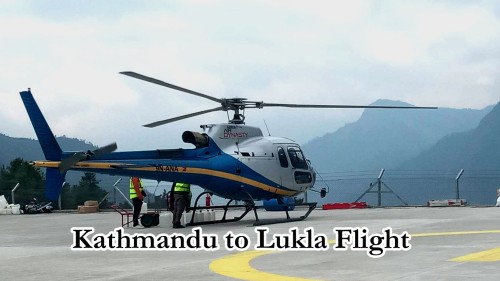
- Helicopter operators: Several private helicopter companies run charter and rescue operations out of TIA as well.
If your itinerary includes a domestic flight the same day as your international arrival, don't cut it close — weather delays are common, and the terminal transfer alone eats up time.
International Airlines and Routes
As Nepal's sole international gateway, TIA connects Kathmandu to regional hubs across Asia and the Middle East, with airlines including Qatar Airways, Emirates, Turkish Airlines, Air India, IndiGo, Thai Airways, Himalaya Airlines, and the national carrier Nepal Airlines, among others. Popular international routes include connections to Doha, Dubai, Bangkok, Kuala Lumpur, Delhi, Abu Dhabi, and Istanbul, which serve as the main transit points for travelers arriving from Europe, the Americas, and beyond, since there are no direct long-haul flights from most Western countries.
Tips for a Smoother Arrival and Departure
- Arrive prepared for queues. Immigration and security lines can be long during peak season mornings and evenings; patience matters more than speed here.
- Carry clean, newer USD bills. Nepali bank counters are strict about accepting only undamaged, non-outdated notes for visa payment and currency exchange.
- Complete the online visa form in advance if eligible, so you can bypass the kiosk step and head straight to payment.
- Keep printed and digital copies of your visa receipt, return ticket, and accommodation details — these are sometimes requested during the process.
- Build in buffer time for domestic connections, especially in winter fog season (December–February) when delays are common.
- Pack trekking poles and sharp gear in checked luggage, not carry-on.
- Arrange airport pickup in advance if it's your first visit — it removes the single most stressful part of arriving in Kathmandu.
- Reconfirm your departure flight status before heading to the airport, since fog and congestion can shift schedules with little notice.
Nearby Attractions and Hotels
TIA's central location means you don't have to "waste" a day just getting settled:
- Pashupatinath Temple — one of the holiest Hindu temple complexes in the world, only minutes from the airport along the Bagmati River.
- Boudhanath Stupa — a UNESCO World Heritage Site and one of the largest stupas globally, ringed by monasteries, Tibetan restaurants, and craft shops.
- Kopan Monastery — a hilltop Tibetan Buddhist retreat just beyond Boudhanath, popular for day visits and meditation courses.
- Thamel — Kathmandu's main tourist hub, roughly 6 km away, packed with trekking outfitters, guesthouses, and restaurants.
Several hotels sit directly along the Ring Road near the airport for travelers who want a short first-night stay before heading into the city or straight to a domestic flight the next morning.
Frequently Asked Questions About TIA Kathmandu
Is Tribhuvan International Airport the only airport in Kathmandu? Yes. TIA is the only airport serving the Kathmandu Valley and, until Pokhara International Airport opened international routes in recent years, was Nepal's sole international gateway.
How far is TIA from Thamel? Roughly 6 km, with a taxi taking 20–45 minutes depending on traffic conditions.
Can I get a Nepal visa on arrival at TIA? Yes, most nationalities can obtain a tourist visa on arrival for 15, 30, or 90 days, paid in cash (USD preferred) at the airport's payment counters.
How much does a Nepal visa on arrival cost? USD 30 for 15 days, USD 50 for 30 days, and USD 125 for 90 days, payable in cash or accepted major currencies.
How do I get from the international terminal to the domestic terminal? They're about 500 meters apart; a free shuttle bus connects them, or you can walk in around 5–10 minutes.
What's the best way to get from TIA to the city? A pre-booked hotel transfer is the smoothest option for first-time visitors; otherwise, use the official pre-paid taxi counter just outside the arrivals hall rather than negotiating with individual drivers.
Is Wi-Fi available at TIA? Yes, free Wi-Fi is available throughout the terminal, though speed and connection stability vary.
Why do flights get delayed at TIA? Morning fog, especially in winter, along with the airport's single runway and mountainous terrain, are the most common causes of arrival and departure delays.
Final Thoughts
Tribhuvan International Airport isn't going to win any design awards, and it can feel overwhelming on a first landing — but it's also a genuinely manageable gateway once you know the flow: kiosk, payment, immigration, baggage, and out. Arrange your first transfer in advance, carry clean USD cash, and build in buffer time around domestic connections, and the airport becomes what it should be: a fast, functional start to a trip into the Himalayas.
If you're arranging airport pickup, visa support, or a full Kathmandu-to-Everest itinerary, our team at Peace Nepal Treks can coordinate your arrival transfer and first days in the valley so your trip starts smoothly from the moment you land. Reach out and we'll help you plan the logistics.