
Somewhere around day ten of a trek, most trekkers start wondering the same thing. Your guide has talked you through altitude symptoms, kept the group's spirits up on the long uphill days, and probably remembered your name before you remembered his. Your porter has carried a bag that felt impossible to lift yourself, day after day, without complaint. So how much do you actually tip them at the end?
Hand-picked itineraries
Recommended Trips
Related journeys you may want to explore after reading this article.

Tipping in Nepal is not part of traditional local culture, but it has become a well established and genuinely important part of trekking here. For many guides and porters, tips make up a meaningful share of their annual income, especially through the slower months when tourist numbers drop. Here is a clear, honest breakdown of how much to tip, when to give it, and how to do it respectfully.
Is Tipping Really Necessary?
Tipping is not mandatory, and no guide or porter will ever ask you for one directly. That said, it is very much expected in Nepal's trekking industry, and skipping it entirely, without good reason, is generally considered inconsiderate. Base daily wages for guides and porters cover their work, but tips are what turn a trek into a genuinely good source of income for the people who made your trip safe and enjoyable.
At Peace Nepal Treks, our general guideline is that tips of around 15 percent of your total trip cost are a fair and appreciated amount, adjusted up or down based on your satisfaction with the service. This lines up closely with the wider industry standard, which we will break down in more practical, per day terms below.
How Much to Tip: A Practical Breakdown
Recommended amounts vary a fair bit across sources, largely because trek length, group size, altitude, and difficulty all factor in. As a consolidated, realistic guideline for 2026:
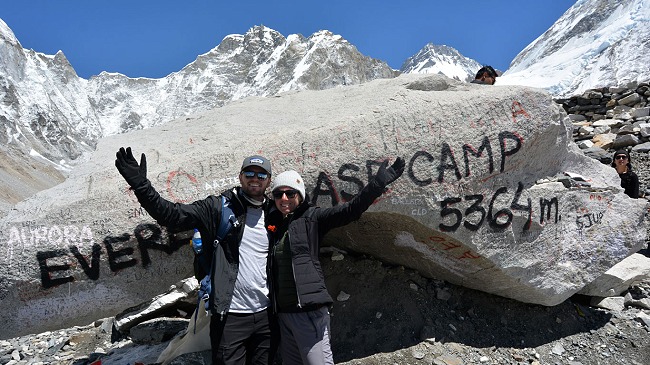
Lead guide: Around USD 15 to 25 per day, given as a total lump sum at the end of the trek rather than daily. For a two week trek like Everest Base Camp, this typically works out to roughly USD 200 to 300 total.
Porter: Around USD 8 to 12 per day per porter, totaling roughly USD 100 to 180 for a similar length trek, depending on route difficulty and altitude.
Assistant guide or porter guide: Somewhere between the two figures above, typically USD 12 to 18 per day, since this role combines carrying gear with some guiding responsibility.
Harder, higher altitude, or more remote treks such as Manaslu Circuit, Kanchenjunga, or anything crossing a major mountain pass generally sit toward the higher end of these ranges, since the physical demands and conditions are tougher on the crew.
If you are trekking in a group, these amounts are usually shared collectively rather than paid individually by each trekker, which keeps the tip meaningful without becoming a burden on any one person.
When and How to Give the Tip
The most common and respectful moment to tip is on the final evening of your trek, often during a farewell dinner if your trekking company organizes one. This gives you a natural opportunity to thank your guide and porters personally, rather than handing over cash in a rush at the airport or hotel lobby.
A few practical points worth knowing:
Pool tips as a group, then hand them over together. If you are trekking with others, collect everyone's contribution ahead of time and present it as a single, organized amount to avoid confusion or awkwardness on the last day.
Tip guides and porters separately. Even when tips are pooled, it is best practice to give guides and porters their portions separately rather than asking staff to divide a lump sum among themselves, which can create tension within the team.
Use an envelope. Placing cash in a simple envelope and handing it over personally, ideally with your right hand, is considered a respectful way to present a tip in Nepali culture.
Bring clean, undamaged notes. Torn or heavily worn bills can be difficult for guides and porters to use or exchange later, particularly in more remote areas. Withdraw cash in Kathmandu or Pokhara before you start trekking, since ATMs become unreliable or nonexistent once you are on the trail.
US Dollars or Nepali Rupees both work. Many guides prefer US Dollars for their stable value, but Nepali Rupees are equally acceptable and often more convenient for staff based in smaller villages who may have limited ability to exchange foreign currency.
What If You Cannot Afford the Full Amount?
If your budget genuinely cannot stretch to the suggested amounts, that is understandable, and it happens. What matters most is avoiding the trap of tipping a token amount that can come across as dismissive after days of hard work, such as a single dollar handed over quickly. Instead, give what you honestly can afford, and take a moment on the final evening to thank your guide and porter directly and sincerely. A genuine, personal thank you goes a long way, even when paired with a smaller tip than the guideline suggests.
Choosing a Responsible Trekking Company Matters Too
Tipping well is one part of supporting the people who guide you through the mountains, but it is not the whole picture. Before you even book a trek, it is worth asking your agency how they pay their guides and porters, whether porters are properly insured and equipped, and whether the company follows responsible porter welfare practices, including reasonable weight limits and proper cold weather gear.
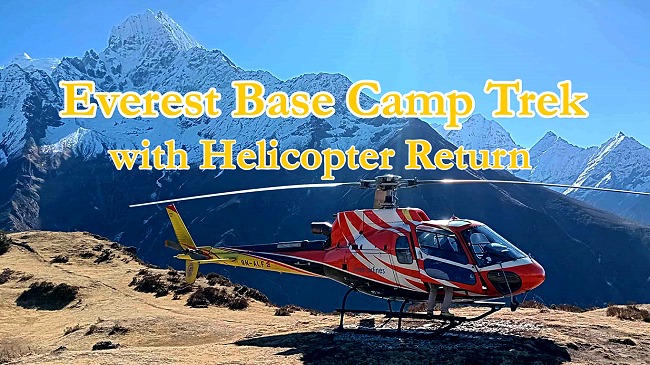
At Peace Nepal Treks, every guide and porter on our team is insured, fairly paid, and properly equipped for the altitude and conditions of their assigned trek, whether that is the Everest Base Camp Trek with Helicopter Return, the Annapurna Base Camp Trek, or the more remote and demanding Manaslu Circuit Trek. Wages, insurance, meals, and accommodation for your guide and porter are already built into your package price, which means tips genuinely function as a bonus for good service rather than a substitute for fair pay.
Frequently Asked Questions
Is tipping mandatory in Nepal? No, tipping is not legally or culturally mandatory, but it is a well established and widely expected part of the trekking industry. Guides and porters rely on tips as a meaningful portion of their income.
How much should I tip my trekking guide in Nepal? A reasonable guideline is USD 15 to 25 per day for a lead guide, given as a lump sum at the end of the trek, which typically totals USD 200 to 300 for a two week trek like Everest Base Camp.
How much should I tip a porter in Nepal? Around USD 8 to 12 per day per porter is a fair standard, totaling roughly USD 100 to 180 for a similar length trek, with harder or higher altitude routes toward the upper end.
When should I give the tip? The final evening of the trek, ideally at a farewell dinner if one is organized, is the most common and respectful time to present tips.
Should I tip in US Dollars or Nepali Rupees? Both are accepted and appreciated. US Dollars are popular for their stable value, while Nepali Rupees are often more practical for staff in remote villages.
What if I am on a tight budget and cannot tip the full suggested amount? Give what you can honestly afford rather than skipping it altogether or handing over a token amount. A sincere, personal thank you paired with a smaller tip is far better received than an amount that feels like an afterthought.
Trek With a Team That Treats Tipping as a Bonus, Not a Necessity
A trek in Nepal only works because of the guides and porters who make it safe, smooth, and genuinely enjoyable. Tipping well is one meaningful way to say thank you, but it should never be the thing standing between fair pay and a struggling family back home. At Peace Nepal Treks, we build fair wages, insurance, and proper equipment into every package from the start, so that whatever you choose to tip at the end of your trek is exactly what it should be: a heartfelt bonus for a job well done.