

I've been walking trekkers up to Everest Base Camp for more than two decades now, and if there's one message board question that never goes away, it's this: what's the cheapest way to do the EBC trek?
Hand-picked itineraries
Recommended Trips
Related journeys you may want to explore after reading this article.
I get why. It's a big trip, and $699 sounds a lot friendlier than $1,500. I've watched dozens of new agencies come and go over the years advertising rock-bottom numbers like that, and I've also sat in Gorak Shep at 5,000 meters listening to trekkers who booked those packages tell me what actually happened to their budget once they got on the trail. So let me give you the straight answer, guide to trekker, the same way I'd talk to you in our office in Thamel before you signed anything.
Why That "$699 Everest Trek" Ad Doesn't Tell the Whole Story
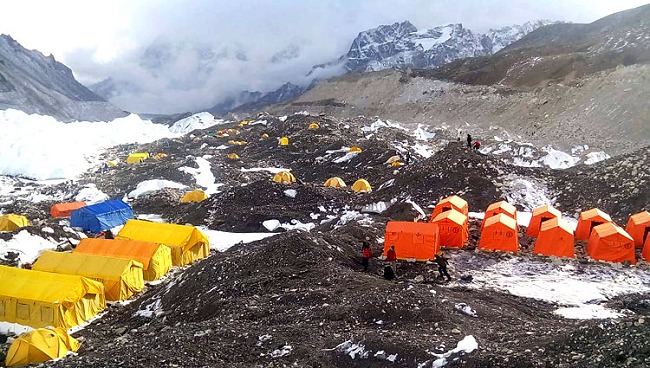
Yes, you'll find 12-day EBC packages advertised from around $699–$860, and plenty of budget-guide blogs will tell you the trek can be done for $850–$1,200 all-in. I'm not saying those numbers are lies. I'm saying they're usually a partial number, and in 20 years I've never seen a partial number stay small once the real trip starts.
Here's what those headline prices typically leave out, based on what my own clients have paid year after year:
- Kathmandu–Lukla flights (round trip): $380–$500 per person — very often billed separately, not included in the advertised price
- Meals on the trail: $30–$45 a day, since most rock-bottom packages don't cover food at all
- Permits (Sagarmatha National Park entry + Khumbu Pasang Lhamu Rural Municipality fee): around $50–$60 combined
- A porter, if you want one, which I recommend for most first-timers: $220–$300 for the trip
- Tips, gear rental, hot showers, Wi-Fi, battery charging: another $150–$250 by the time you're back in Kathmandu
Add it up honestly and a properly supported 12-day trek lands at roughly $1,200–$1,800 per person — which is exactly the range we quote at Peace Nepal Treks for our 12-day Everest Base Camp Trek. I'd rather tell you that today, sitting comfortably at your computer, than have you find out the hard way somewhere above Namche.
How I Actually Tell Trekkers to Save Money on This Trek
After 20 years of running this route, here's where the real, safe savings are — not in the places the cut-rate operators cut corners.
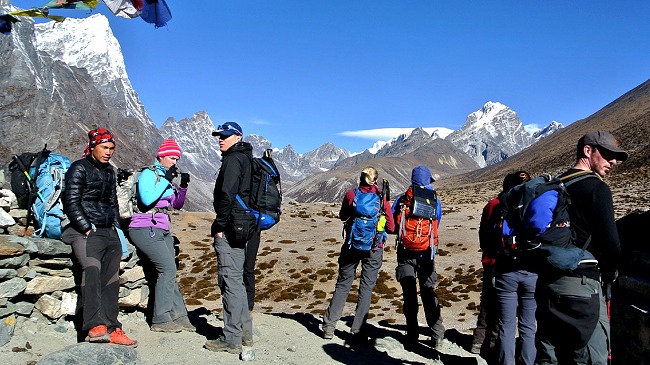
1. Trek with a group. Guide and porter fees split across a group of six to ten people, which is the single biggest lever you have on price. I still see solo bookers pay nearly double per person for the same trail.
2. Choose your season carefully. Late spring (early May) and early winter (early December) give you strong visibility with fewer crowds and lower demand on flights and lodges than peak October or April.
3. Rent your gear in Kathmandu. I tell every client the same thing: don't buy a $500 down jacket for one trip. Thamel has dozens of rental shops, and your gear will do the same job for a fraction of the cost.
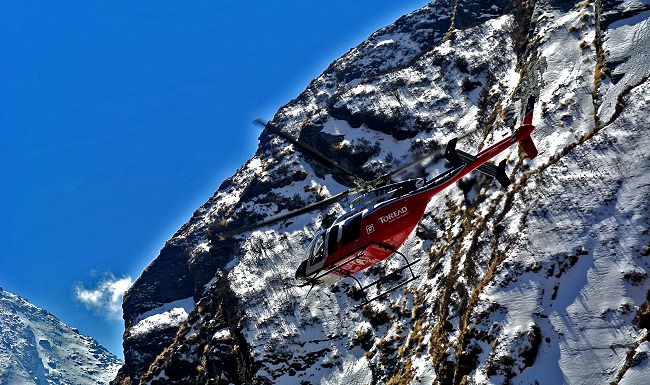
4. Walk both ways instead of flying back by helicopter. The classic route down is scenery you've already paid for. Save the helicopter for when you actually need it, not as a default.
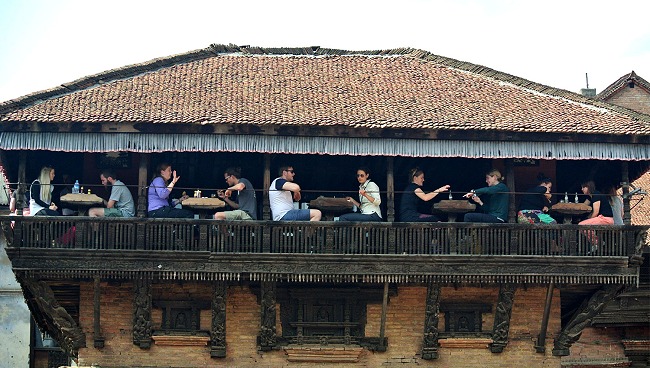
5. Eat Dal Bhat. It's the local staple for a reason — filling, usually with free refills, and noticeably cheaper than the Western dishes on high-altitude menus.
6. Book directly with a Nepal-based operator. I've seen international resellers add a 40–60% markup on treks that get subcontracted right back to a local company like mine. Cut out that middle layer and the savings go straight to you.
If Even That's Too Much: Shorter Treks I'd Point You Toward
Not every budget stretches to a full Base Camp trip, and that's fine — I'd rather put you on the right trek for your budget than push you toward one you'll resent paying for. A couple of routes I regularly recommend to time- or cost-conscious trekkers:
- Everest Panorama Trek — a gentler route topping out around 3,800m at Tengboche Monastery, with knockout views of Everest, Ama Dablam, and Lhotse, but without the extra days, altitude risk, or cost of pushing all the way to Base Camp.
- Everest Base Camp Helicopter Tour — a single day in the air over the Khumbu, with an optional landing at Kala Patthar, for trekkers who are short on both time and trail days but still want to see Everest up close.
If You've Got More Time and Budget: Where I'd Send Experienced Trekkers
On the flip side, if you've got the days and you're after more than the standard trail, this is where the Everest region really opens up:
- Everest Gokyo Ri Trek — I've had trekkers tell me the view from Gokyo Ri beats Kala Patthar, and the turquoise lakes along the way are unlike anything on the standard EBC route.
- Everest Base Camp – Chola Pass via Gokyo Trek — my pick for trekkers who don't want to choose between the two valleys and are fit enough to link them.
- Everest Three Passes Trek — the full 20-day circuit over Renjo La, Cho La, and Kongma La. This is the one I recommend to trekkers who've already done a Himalayan trek before and want the complete Khumbu experience, not just the highlight reel.
- Everest Base Camp Trek with Helicopter Return — for clients who want the full walk in, but a faster, easier way back down.
My Honest Bottom Line, After 20 Years on This Trail
"Cheapest" and "cheapest that's actually safe" are not the same trek, and I've spent two decades watching the difference between the two play out on the mountain. A genuinely budget-conscious Everest Base Camp trip is absolutely achievable in 2026 — realistically around $1,200–$1,800 per person for a properly supported 12-day trek — but the honest savings come from your group size, your season, and your gear choices, never from cutting your guide, your insurance, or your acclimatization days. I've seen what happens when operators cut those, and it's not worth the extra $200 you'd save.
At Peace Nepal Treks, every price we quote is the full price — no hidden add-ons waiting for you at altitude. Take a look at our full range of Everest Region treks and tours, from short panorama walks to the full Three Passes circuit, and let's find the itinerary that actually fits your budget, your fitness, and your timeline.
Planning your Everest trip? Get in touch with Peace Nepal Treks — I'll give you a transparent, no-hidden-fee quote myself.