
The Pikey Peak Trek is rated easy to moderate, making it one of the most beginner-friendly treks in Nepal's Everest region. With a maximum altitude of 4,065m, 5–6 hours of walking per day, and no technical climbing involved, it's genuinely achievable for first-time trekkers with average fitness — though a bit of preparation will make the experience far more enjoyable than showing up untrained.
Hand-picked itineraries
Recommended Trips
Related journeys you may want to explore after reading this article.

How Hard Is the Pikey Peak Trek, Really?
On Nepal's typical three-tier difficulty scale (easy / moderate / strenuous), Pikey Peak sits at the boundary between easy and moderate. Compare it to other Everest-region treks:
| Trek | Max Altitude | Daily Walking | Difficulty |
|---|---|---|---|
| Pikey Peak Trek | 4,065m | 5–6 hrs | Easy–Moderate |
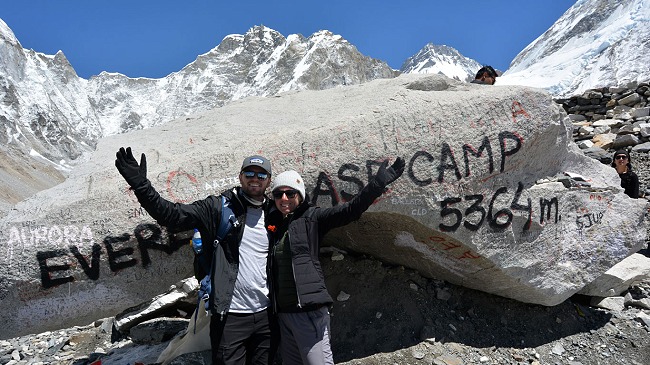
| Everest Base Camp Trek | 5,364m | 5–7 hrs | Moderate–Strenuous |
| Annapurna Base Camp Trek | 4,130m | 5–6 hrs | Moderate |
| Poon Hill Trek | 3,210m | 4–5 hrs | Easy |
Pikey Peak is harder than a short hill-station trek like Poon Hill, but noticeably gentler than Everest Base Camp or the high-pass sections of the Annapurna Circuit. The terrain itself — forest trails, ridgelines, and gradual ascents — involves no scrambling, ropes, or technical sections at any point.
Altitude Profile: Where the Trek Actually Climbs
Understanding the altitude profile helps explain why Pikey Peak is manageable even for first-timers:
| Day | Route | Altitude |
|---|---|---|
| 2 | Kathmandu → Dhap | 2,800m |
| 3 | Dhap → Jhapre | 2,920m |
| 4 | Jhapre → Pikey Base Camp | 3,700m |
| 5 | Pikey Base Camp → Summit → Jasmane Bhanjyang/Junbesi | 4,065m (day hike) → 2,700m |
| 6 | Junbesi → Phaplu | 2,413m |
Notice the pattern: you climb to the 4,065m summit as a day hike from Pikey Base Camp (around 3,640–3,700m) and descend the same day — you never actually sleep at the trek's highest point. This "climb high, sleep low" structure is a natural advantage that significantly reduces altitude sickness risk compared to treks where you overnight above 4,000m for multiple nights in a row.
Altitude Sickness Basics
Altitude sickness (Acute Mountain Sickness, or AMS) can technically occur above 2,500m, so it's worth understanding even on a relatively low trek like this one.
Common early symptoms: headache, mild nausea, fatigue, poor appetite, difficulty sleeping What helps prevent it: ascending gradually, staying hydrated, avoiding alcohol during the trek, and telling your guide immediately if you feel unwell What to do if symptoms appear: stop ascending, rest, hydrate, and monitor — symptoms typically ease with rest at the same altitude; a guide can advise on whether to continue or descend
Because Pikey Peak's overnight altitudes stay below the highest-risk zone (generally considered 3,500m+), AMS risk is low compared to treks like EBC — but it isn't zero, and the same basic precautions apply.
A Simple 4-Week Training Plan
You don't need to train like an athlete for Pikey Peak, but a month of consistent preparation makes a real difference in how much you enjoy the daily walking.
Weeks 1–2: Build a base
- 3–4 sessions per week of brisk walking, jogging, or cycling, 30–45 minutes each
- Add stairs or hills where possible to build leg strength
- One longer walk on the weekend (60–90 minutes)
Weeks 3–4: Simulate the trek
- Increase longer walks to 2–3 hours, ideally on varied terrain (hills, uneven ground)
- Wear the boots and daypack you'll actually use on the trek, to break them in
- Add light strength training — squats, lunges, step-ups — twice a week to protect your knees on descents
- Keep 2–3 shorter cardio sessions per week for general stamina
The week before departure
- Taper down — short, easy walks only
- Focus on rest, hydration, and packing rather than intense exercise
If you can comfortably walk 3 hours on hilly terrain with a light daypack by the end of this plan, you're well prepared for Pikey Peak's daily demands.
Who Should Consider a Different Trek?
Pikey Peak is a strong fit for most healthy adults, including many families with older children and first-time trekkers. It may not be the right choice if you:
- Have a diagnosed heart or lung condition that hasn't been cleared for altitude by a doctor
- Are looking for a technical mountaineering challenge (Pikey Peak involves no climbing gear or ropes)
- Want to reach Everest Base Camp itself rather than a viewpoint of it
Ready to Take on Pikey Peak?
Peace Nepal Treks' experienced guides set a comfortable, well-paced itinerary suited to beginners and experienced trekkers alike.
👉 View the full Pikey Peak Trek itinerary and cost
Frequently Asked Questions
Is the Pikey Peak Trek hard for beginners? No — it's rated easy to moderate and is considered one of the most beginner-friendly treks in the Everest region, with no technical climbing required.
How many hours do you walk each day on the Pikey Peak Trek? Most days involve 5–6 hours of walking on gradual, non-technical terrain.
Do I need training before the Pikey Peak Trek? Formal training isn't mandatory, but 3–4 weeks of regular walking, hiking, or cardio exercise will make the daily trekking noticeably more comfortable.
Is altitude sickness a risk on the Pikey Peak Trek? The risk is low compared to higher Everest-region treks, since the trek's overnight altitudes stay below 3,700m and the summit is reached as a same-day hike, but standard AMS precautions still apply.