
Introduction
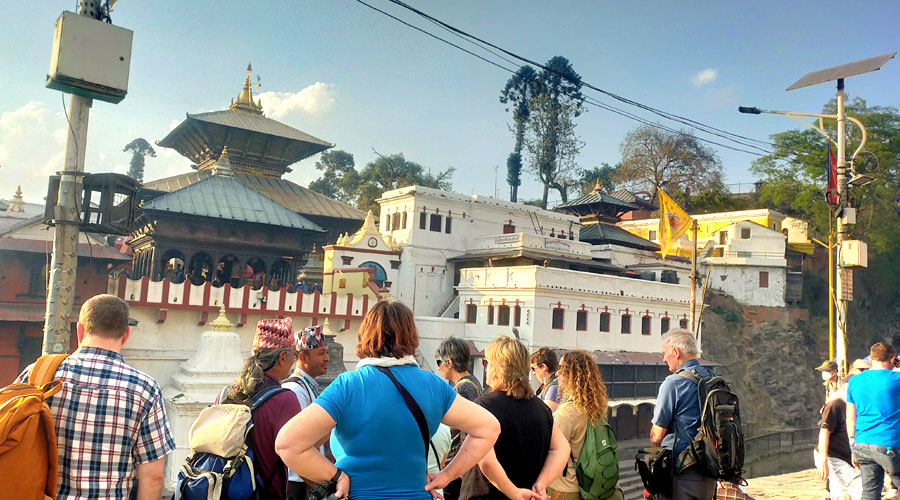
Pashupatinath Temple, located in Kathmandu, Nepal, is one of the holiest temples dedicated to Lord Shiva and a UNESCO World Heritage Site. Every year, thousands of Hindu devotees and curious travelers visit this sacred sanctuary nestled on the banks of the Bagmati River.
The Historical Significance of Pashupatinath
Dating back to 400 A.D., Pashupatinath Temple is not just a religious site but a cultural and historical emblem of Nepalese heritage. The temple complex features intricately carved wooden rafters, golden roofs, and an iconic pagoda-style structure that reflects traditional Newari architecture. It is believed that the temple stands on the site where Lord Shiva appeared in the form of a "Pashupatinath," or Lord of Animals.

Architecture and Sacred Layout
The main temple houses a sacred lingam of Lord Shiva and is surrounded by hundreds of smaller shrines and ashrams. The eastern and western ghats (stone steps) leading to the Bagmati River are often used for cremation rituals, which are considered sacred rites of passage in Hinduism. Only practicing Hindus are allowed to enter the main temple, but the surrounding area is accessible to all visitors.
Key Features
Golden, two-tiered roof with silver doors
Nandi statue guarding the main entrance
Bagmati River flowing alongside
Sandhya Aarti (evening ritual) on the riverbank

Spiritual Significance and Religious Rituals
Pashupatinath is not only a temple; it's a spiritual hub. Daily rituals, including pujas, bhajans, and aratis, fill the air with devotional fervor. Mahashivaratri, the great night of Shiva, draws over a million pilgrims, sadhus, and tourists from across the globe.
Popular Rituals
Rudrabhishek (Shiva Abhishek)
Cremation rites along the ghats
Sandhya Aarti with oil lamps and chants

How to Reach Pashupatinath Temple
The temple is just 5 kilometers from Tribhuvan International Airport in Kathmandu. It is easily accessible by taxi, local buses, or private transport.
Tips for Visiting:
Dress modestly and respect religious customs
Photography is restricted in certain areas
Visit during early morning or evening aarti for a spiritual experience
Nearby Attractions
While visiting Pashupatinath, explore other spiritual and cultural gems:
Boudhanath Stupa: A significant Tibetan Buddhist site nearby
Swayambhunath (Monkey Temple): Offering panoramic views of Kathmandu
Guhyeshwari Temple: Another sacred Hindu site near Pashupatinath

Best Time to Visit
The temple is open year-round, but the best time to visit is during the spring (March-May) or autumn (September-November) for pleasant weather and major festivals like Mahashivaratri.
Preserving the Heritage
As a UNESCO World Heritage Site, Pashupatinath faces challenges like pollution and over-tourism. Visitors are encouraged to respect the sacred grounds and support sustainable tourism.
Final Thoughts
Whether you seek spiritual solace, architectural beauty, or cultural depth, Pashupatinath Temple in Nepal offers a profound experience. It stands as a testament to Nepal’s spiritual heart and the enduring legacy of Hindu devotion.