
Packing for a Himalayan trek can quickly turn into a stressful, expensive exercise if you try to buy everything before you leave home. The good news is that you do not have to. Kathmandu, and Thamel in particular, has built an entire micro economy around outfitting trekkers who arrive with a daypack and a plan rather than a suitcase full of gear. Sleeping bags rated for minus twenty, down jackets, trekking poles, and more are all available to rent for a few dollars a day, often just steps from your hotel.
Hand-picked itineraries
Recommended Trips
Related journeys you may want to explore after reading this article.


Here is what you actually need to know before you rent, buy, or bring your own gear for trekking in Nepal.
Why Rent Instead of Bring Your Own
For most trekkers, renting gear in Kathmandu makes more financial and practical sense than buying it at home. A quality down jacket rated for high altitude can cost 150 dollars or more from a Western outdoor retailer. In Thamel, you can rent the same level of warmth for one to two dollars a day, which means even a two week trek costs a fraction of the purchase price.
There is also the simple matter of luggage. Carrying a bulky sleeping bag and expedition jacket through two or three international flights just to use them for twelve days, and then fly them home again, is a hassle most trekkers are happy to avoid. Renting locally means you travel lighter both ways.
Finally, renting gives you flexibility. If a jacket does not fit right or a sleeping bag feels too thin for the temperatures you are expecting, most shops will let you swap it before you leave the city, something that is much harder to manage with gear shipped from home.
What Peace Nepal Treks Already Includes
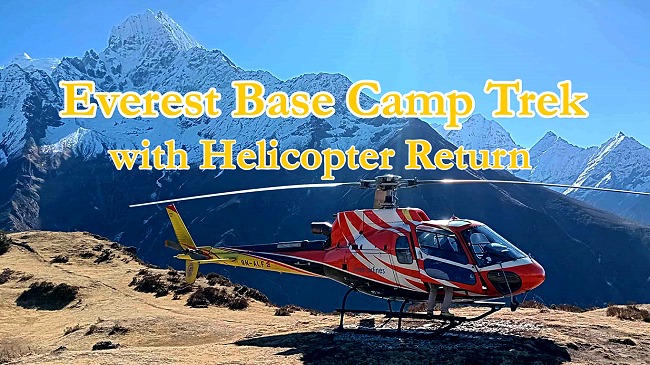
Before you go shopping on your own, check what is already covered in your trekking package. Many of our itineraries, including the Everest Base Camp Trek with Helicopter Return and the Manaslu Circuit Trek, provide trekking poles, a sleeping bag, a duffel bag, and a down jacket on loan for the duration of your trek, which you simply return at the end. This is often enough to cover the bulkiest and most expensive items on your packing list, leaving you with far less to rent or buy independently once you land in Kathmandu.
If your package does not include gear, or you want to know exactly what is provided before you pack, just ask us directly. We would rather confirm details in advance than have you arrive with a bag full of things you did not need.
What You Can Rent in Kathmandu
Thamel's gear shops rent nearly everything you would need for a teahouse trek. The most commonly rented items include:
- Sleeping bags, rated from basic three season bags up to expedition grade minus twenty or minus thirty options
- Down jackets, usually locally made or surplus stock rather than branded originals
- Trekking poles
- Waterproof jackets and pants
- Hiking boots, though these are worth thinking twice about, more on that below
- Duffel bags for porters to carry
- Gaiters, crampons, and other technical add ons for higher altitude or winter routes
- Basic tents, for the less common camping treks
Rental prices generally run from about one to three US dollars per item per day, with premium cold weather sleeping bags and jackets toward the higher end of that range. Most shops offer a small discount if you rent several items together, and it is always worth asking.
What to Rent vs What to Bring From Home
Not everything is worth renting, and not everything is worth packing in your suitcase either. A simple way to think about it:
Rent in Kathmandu: Sleeping bags, down jackets, and trekking poles. These are bulky, used for one trip only, and cheap to rent locally. Unless you trek often, there is little reason to own them.
Bring from home: Hiking boots, above everything else. Broken in boots that already fit your feet properly are worth their weight in your luggage. Renting boots for a multi day trek is one of the more common ways trekkers end up with blisters on day two, since rental boots are rarely worn in and sizing can be inconsistent. Base layers, wool socks, and your own daypack also travel well and are worth bringing rather than sourcing locally.
Buy in Thamel, if needed: Small, inexpensive items like buffs, sunglasses, gloves, water bottles, and trekking snacks are all widely available at reasonable prices and are light enough to keep afterward. A basic fleece is often cheap enough in Thamel that buying outright makes more sense than renting.
Where to Rent Gear in Kathmandu
Thamel is the center of Kathmandu's trekking economy and the obvious place to start. The densest concentration of rental shops runs along the main streets between Thamel Chowk and the surrounding lanes, where you will find everything from small family run stalls to larger stores with a wide selection of sizes.
A few practical tips for choosing where to rent:
Compare a few shops before committing. Prices are rarely fixed or displayed clearly, and it is common practice to check two or three stores and gently negotiate, especially if you are renting multiple items.
Inspect the gear before you leave the shop. Check zippers on jackets and sleeping bags, look for tears or thin patches in down gear, and make sure trekking pole locks actually hold. A few extra minutes of checking saves you from discovering a problem at 4,000 meters.
Expect to leave a deposit. Most shops ask for either a cash deposit or a photocopy of your passport as security, refunded or returned when you bring the gear back in good condition. Confirm the deposit amount and return policy clearly before you pay.
Ask your guide or hotel for a recommendation. If you are trekking with an agency, your guide has likely outfitted dozens of clients before you and knows which shops offer fair prices and reliable quality, which saves you the trial and error of picking blind.
Give yourself time. Try to reach Kathmandu with at least one spare day before your trek starts. Trying on boots, comparing sleeping bags, and finding your size, especially during peak trekking season in spring and autumn, goes far more smoothly without the pressure of an early morning flight the next day.
A Note on Authentic vs Counterfeit Gear
Thamel sells a mix of genuine branded equipment and convincing counterfeit versions of well known outdoor brands, and it is not always obvious which is which at a glance. For rental gear, this matters less, since you are not paying premium prices for the label and mainly care about warmth and durability for the trip. If you do choose to buy rather than rent, and want authentic branded gear, it is worth visiting one of the official brand outlets in Kathmandu rather than a general gear stall, and checking stitching, zipper quality, and labeling closely if the price seems unusually low for the brand name attached to it.
Packing List Basics
If you want the full picture of what to bring, rent, or buy for a specific route, our first-time trekker's guide covers the essentials for popular routes, and many of our individual trip pages, including the Mera Peak Climbing itinerary, include a detailed, route specific gear checklist so you know exactly what altitude and conditions you are packing for.
As a general baseline for a teahouse trek, plan around these categories:
Layering: Moisture wicking base layers, a fleece or down mid layer, and a waterproof, windproof outer shell.
Footwear: Broken in trekking boots, plus warm wool socks and camp shoes for the evenings.
Sleep and warmth: A sleeping bag rated appropriately for your route's altitude, and a warm hat and gloves even on lower routes, since mountain nights get cold fast.
Practical extras: A headlamp, a reusable water bottle with purification tablets or a filter, sunscreen and sunglasses for high UV exposure, and a basic first aid kit.
Frequently Asked Questions
Is it cheaper to rent or buy trekking gear in Kathmandu? For most trekkers doing a single trip, renting is significantly cheaper, particularly for bulky items like sleeping bags and down jackets that see heavy use on one trek and then sit unused at home afterward.
Do I need to bring my own hiking boots? Yes, ideally. Boots are the one item worth breaking in ahead of time rather than renting on arrival, since fit matters enormously over multiple days of walking and rental boots are rarely broken in.
Does Peace Nepal Treks provide trekking gear? Many of our packages include a sleeping bag, down jacket, trekking poles, and duffel bag on loan for the duration of the trek. Check your specific itinerary or ask us directly to confirm what is included.
How much does gear rental cost in Kathmandu? Most individual items rent for roughly one to three US dollars per day, with premium cold weather sleeping bags and jackets toward the higher end. A deposit or passport copy is typically required.
Where is the best place to rent trekking gear in Kathmandu? Thamel is the main hub, with the highest concentration of rental shops. Comparing a few stores and asking your guide or hotel for a trusted recommendation is the easiest way to find reliable gear.
Let Us Help You Prepare
Gear is one of the easiest parts of trip planning to overthink, and one of the simplest to solve once you know what is actually needed. Whether you are trekking with Peace Nepal Treks and want to confirm exactly what your package includes, or planning to rent independently in Thamel before setting out, we are happy to point you toward trusted shops and help you build a packing list suited to your specific route, season, and altitude. Reach out before your trip and we will make sure you land in Kathmandu ready to walk straight into the mountains.