
The best "Nepal trek and temples" experience near Kathmandu is a 4-day hill trek through Sundarijal, Chisopani, and Nagarkot, visiting the UNESCO-listed Changunarayan Temple and staying overnight at Namobuddha Monastery. It requires no high-altitude acclimatization, no domestic flights, and no prior trekking experience - just a moderate fitness level and 3–7 hours of walking a day. Peace Nepal Treks runs this exact route as the Kathmandu Valley Trek.
Hand-picked itineraries
Recommended Trips
Related journeys you may want to explore after reading this article.
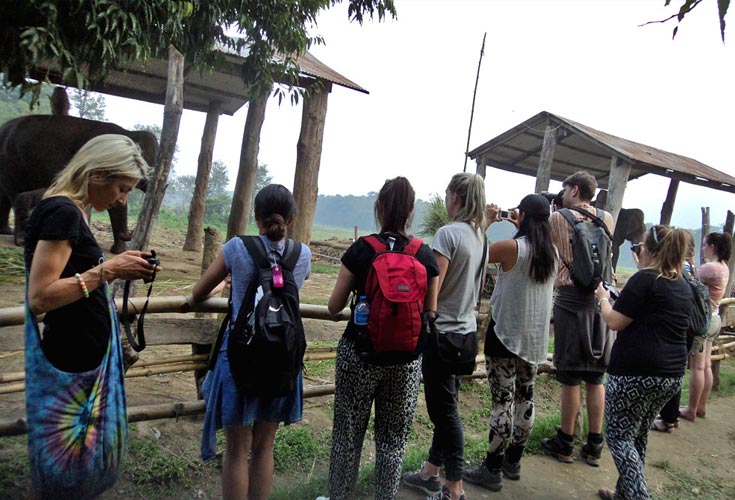

Nepal is best known for its high-altitude treks - Everest Base Camp, the Annapurna Circuit, Manaslu - but not every visitor has two or three weeks to spend at altitude, and not every trip needs to. For travelers who want the essence of Nepal in a shorter window, a different style of trip has become increasingly popular: trekking through Himalayan foothill villages while visiting some of the country's most significant temples and monasteries along the way. This is what most people mean when they search for "Nepal trek and temples" - a trip that blends walking, mountain views, and genuine religious sites, without the logistics of a full expedition.
What "Nepal Trek and Temples" Actually Means
A trek-and-temples trip is cultural trekking as much as it is physical trekking. Rather than pushing toward a remote base camp, the route weaves through forest trails, terraced farmland, and mid-hill villages, stopping at active temples, monasteries, and pilgrimage sites along the way.
Nepal is particularly well suited to this style of travel. Hinduism and Buddhism have coexisted here for centuries, often side by side at the same sites, and the hills surrounding Kathmandu Valley are home to temples and monasteries that have functioned as pilgrimage points for generations - long before "trekking" was a tourism category at all. Walking between them on foot is closer to how these places were traditionally reached, rather than driving between stops on a bus tour.
A Sample Nepal Trek and Temples Itinerary: The Kathmandu Valley Trek
The following itinerary is a well-established route that covers trekking, temples, monastery life, and Himalayan views in four days, without requiring a flight or an overnight stay above 2,300 meters.
Day 1: Kathmandu to Sundarijal, Trek to Chisopani (4–5 hours, 7–8 km) The trip begins with a drive from Kathmandu to Sundarijal, at the edge of Shivapuri National Park, where the trekking starts. The trail climbs steadily through forest, past a reservoir and dam, into Tamang village country. Chisopani sits at roughly 2,300 meters, and on a clear evening it already offers a solid first look at the Himalayan range.
Day 2: Chisopani to Nagarkot (6–7 hours) A longer walking day through terraced farmland and mid-hill villages leads to Nagarkot, the most well-known sunrise and sunset viewpoint in the entire Kathmandu Valley. On a clear day, the panorama can include Langtang, Manaslu, Ganesh Himal, and even Everest in the distance — a wide swath of the Himalaya visible without a single flight or high-altitude night.
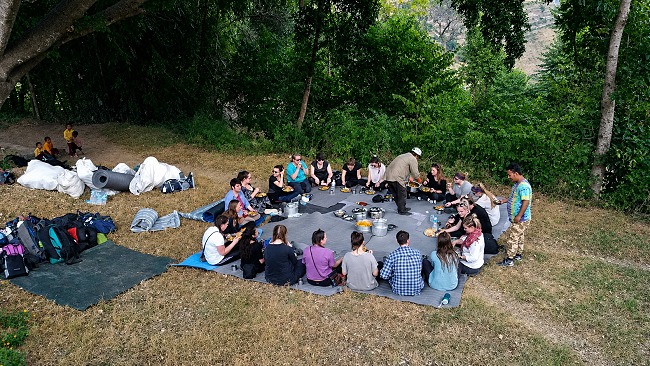
Day 3: Nagarkot to Changunarayan Temple, then Namobuddha (4–5 hours, 12–13 km) This is the cultural centerpiece of the route. An easy downhill walk leads to Changunarayan Temple — Nepal's oldest temple and a UNESCO World Heritage Site dedicated to Lord Vishnu, known for its centuries-old wood and stone carvings. From there, the route continues by road to Namobuddha, one of Nepal's most sacred Buddhist sites, tied to the legend of a prince who sacrificed himself to save a starving tigress and her cubs. The night is spent at the monastery guesthouse, with a simple meal shared alongside the resident monks and the option to sit in on evening chanting.
Day 4: Namobuddha and Return to Kathmandu (2 hours walking) A quiet final morning exploring the monastery grounds and surrounding hills, followed by the drive back to Kathmandu.
Why This Style of Trek Works So Well for "Trek and Temples" Travel
No altitude risk. The highest point on this route is around 2,300 meters at Chisopani and Nagarkot — high enough for genuine mountain views, well below the altitude where acclimatization becomes a serious concern.
No domestic flights required. Many of Nepal's classic treks begin with a flight to a remote mountain airstrip. This route starts and ends by road from Kathmandu, which makes it far easier to fit into a tight or unpredictable schedule.
Active, living religious sites. Changunarayan and Namobuddha are not historical relics on display — they are functioning places of worship. Visitors regularly see locals performing daily puja, monks going about monastery routines, and, depending on timing, festivals such as Buddha Jayanti bringing the area to life.
Genuine trekking, at a manageable scale. Four to seven hours of daily walking through forest, farmland, and hill villages qualifies as real trekking, without the extended preparation or physical demands of a multi-week Himalayan expedition.
Who This Trip Suits
This style of trek tends to appeal to:
- First-time visitors to Nepal who want an authentic trekking experience without committing two or more weeks to it
- Travelers with limited time who still want genuine mountain views and cultural depth
- Anyone combining Nepal with a wider regional trip (India, Tibet, Southeast Asia) who wants a meaningful few days rather than just a city stopover
- Older travelers or families who prefer moderate walking over high-altitude trekking
- Trekkers looking to acclimatize gently before attempting a bigger route, such as Everest or Annapurna, later in their trip
Extending a Nepal Trek and Temples Itinerary
Travelers who want more temple and monastery time often pair this trek with:
- Buddhist Pilgrimage Tour — extends the spiritual itinerary to Lumbini, the birthplace of Buddha, along with Kathmandu's major Buddhist and Hindu sites
- Kathmandu Heritage, Monastery and Nagarkot Sunrise Tour — covers the same region with additional time in Kathmandu's UNESCO-listed squares
- Local Village Homestay in Thulo Parsel — a deeper look at rural Nepali life beyond the standard trekking route
For travelers who want to continue on to higher-altitude trekking afterward, the Everest Region treks and Annapurna Base Camp Trek are natural next steps, and a common progression for trekkers who start with a shorter cultural route before attempting something bigger.
Frequently Asked Questions
What is a "trek and temples" trip in Nepal? It's a short, moderate-altitude trek that combines walking through Himalayan foothill villages and forests with visits to active temples and monasteries — most commonly Changunarayan Temple and Namobuddha Monastery near Kathmandu — rather than a high-altitude push like Everest Base Camp.
How many days does a Nepal trek and temples trip take? Most itineraries run 4–5 days, making it one of the shortest complete trekking experiences available in Nepal.
Do I need trekking experience for this route? No. It's rated moderate — walkers should be comfortable with 4–7 hours a day on hills and uneven trail, but no technical skill or high-altitude experience is required.
Can this trek be combined with Everest Base Camp or Annapurna? Yes. It's commonly used as a gentle warm-up before a longer, higher-altitude trek, since it builds walking stamina without any altitude risk.
What temples and monasteries are visited on this route? The core itinerary includes Changunarayan Temple, Nepal's oldest temple and a UNESCO World Heritage Site, and Namobuddha Monastery, one of the country's most significant Buddhist pilgrimage sites, including an overnight stay at the monastery guesthouse.
Is a guide required for this trek? Yes. As with all trekking regions in Nepal, a licensed guide is required, and strongly recommended for navigation, safety, and access to the cultural context of the sites visited.
Final Thoughts
A trek-and-temples itinerary and a high-altitude trek like Everest Base Camp serve different purposes, and neither is a lesser version of the other. For travelers who want the feeling of walking between living temples and monasteries, paired with genuine Himalayan views and none of the logistics of a high-altitude expedition, this shorter route delivers exactly that — a complete Nepal experience in its own right, not just a warm-up for something bigger.
Explore the full itinerary on the Kathmandu Valley Trek page, or get in touch with Peace Nepal Treks to customize the pace, stops, and additional days to fit a specific trip.