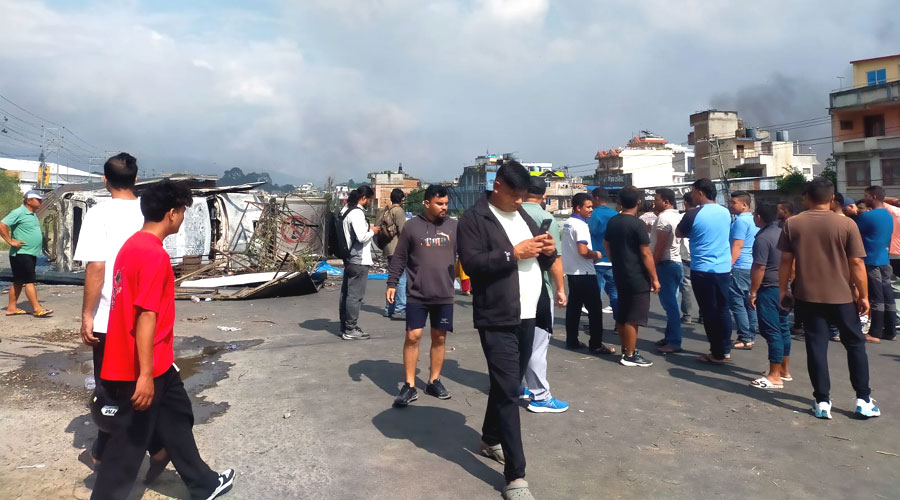
Nepal Gen Z Protests 2025: Youth Uprising Reshapes the Nation’s Politics
In a dramatic turn of events, Nepal witnessed a seismic political shift in September 2025, driven by a youth-led uprising that challenged corruption, censorship, and governmental neglect. Known as the "Gen Z Protests," this movement not only forced the resignation of Prime Minister K.P. Sharma Oli but also highlighted the deep discontent simmering among Nepal’s younger generations.
The Spark: Social Media Ban Ignites Outrage
The immediate catalyst for the protests was the government's controversial decision on September 4 to ban 26 major social media platforms, including Facebook, X (formerly Twitter), YouTube, Instagram, Snapchat, LinkedIn, and Reddit. The official rationale cited failure to comply with newly enacted regulatory policies. But to Gen Z—a generation raised in the digital age—this felt like an assault on their freedom of expression.
The outrage was swift and widespread. What began as digital dissent quickly transformed into street-level demonstrations. Students, activists, and everyday citizens flooded the streets of Kathmandu and other major cities, voicing their discontent not only with the ban but also with the deeper issues it symbolized.
Beyond the Ban: A Generation Fed Up
While the social media blackout was the trigger, the protests quickly evolved into a broader resistance movement. Demonstrators called out:
- Rampant government corruption
- Lack of employment opportunities
- Political nepotism
- Deteriorating public services
- Failure to address climate and infrastructure challenges
Chants of "No More Nepo Kids" echoed through the streets—a reference to the frustration with political dynasties and elites who had long dominated the government.
Violent Escalation and Government Crackdown
By September 8, the protests had intensified. Young people, many in school uniforms and armed only with smartphones and placards, clashed with heavily armed police and security forces. In response, the government deployed tear gas, rubber bullets, and even live ammunition in some areas.
The human toll was devastating:
- At least 19 protesters were confirmed dead
- Hundreds were injured, many severely
- Nighttime curfews were imposed in several cities
- The army was deployed to protect critical infrastructure
Despite the crackdown, the protests showed no signs of slowing.
The Tipping Point: Resignation of Prime Minister Oli
On September 9, under immense public and political pressure, Prime Minister K.P. Sharma Oli announced his resignation. This marked a significant victory for the protesters and signaled a turning point in Nepal's political landscape.
Several high-ranking officials, including Home Minister Ramesh Lekhak, also stepped down. The social media ban was officially lifted, but by then, the movement had gained irreversible momentum.
Chaos in the Capital and Global Ripples
As the political crisis deepened, protestors targeted symbols of state power. Fires were set at:
- The Parliament building
- Residences of senior politicians
- The Supreme Court and Singha Durbar (government complex)
- The President’s official residence
Tribhuvan International Airport in Kathmandu was shut down temporarily due to unrest. International flights were rerouted or canceled, causing significant disruption and drawing global attention to the situation.
Rise of New Leaders: Balendra Shah and Sudan Gurung
In the chaos, new voices of leadership began to emerge.
Balendra Shah, the independent mayor of Kathmandu and former rapper, became a key figure advocating for peaceful change. His calls for transparency and modernization struck a chord with many protesters.
Meanwhile, Sudan Gurung, a civic activist and leader of the youth organization Hami Nepal, played a crucial role in organizing the demonstrations. Through platforms like Discord and Instagram, Gurung helped channel frustration into coordinated action.
Both men now represent a potential new political generation—one that values meritocracy, digital literacy, and grassroots engagement over traditional political lineage.
What Happens Next?
Nepal stands at a crossroads. The Gen Z movement has forced a reckoning, but significant challenges remain:
- Will new elections bring genuine reform or recycled politics?
- Can youth voices maintain influence without splintering?
- Will the government embrace transparency and accountability?
- Can Nepal stabilize economically in the wake of this unrest?
What’s certain is that the political awakening of Nepal’s youngest citizens marks a watershed moment. For the first time in decades, power is being reshaped not in backrooms or palaces—but in the streets, by a generation unwilling to stay silent.
The 2025 Gen Z protests in Nepal are a testament to the transformative power of youth activism. More than just a revolt against a social media ban, they represent a clarion call for a new kind of politics—one rooted in transparency, opportunity, and digital freedom.
As Nepal looks to rebuild and reorganize, the world watches closely. The youth of Nepal have already changed the conversation. The question now is: Can they change the system?