The Langtang Valley Trek is a fantastic Himalayan adventure, perfect for both beginner and experienced trekkers. Located close to Kathmandu, this trek combines natural beauty, stunning mountain views, and rich cultural experiences in a relatively short timeframe. If you're looking for a peaceful and immersive journey into the heart of Nepal, Langtang is a great choice.
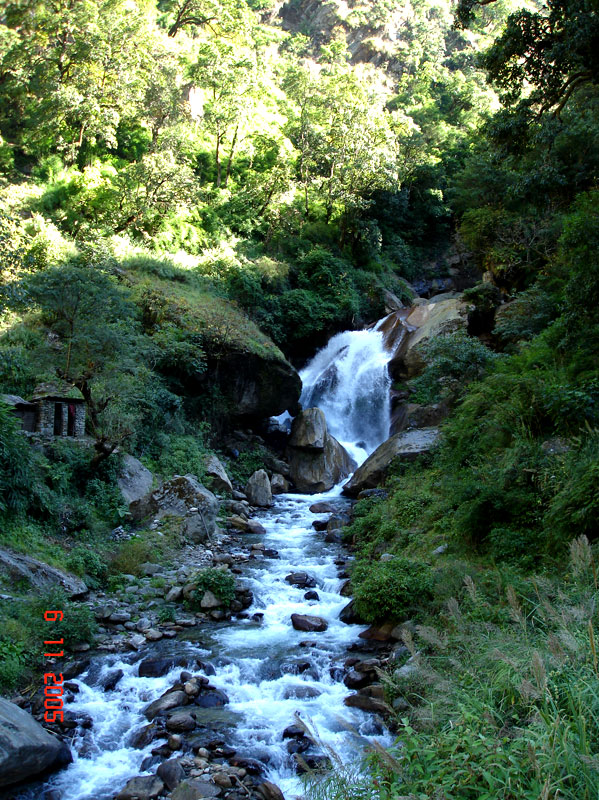
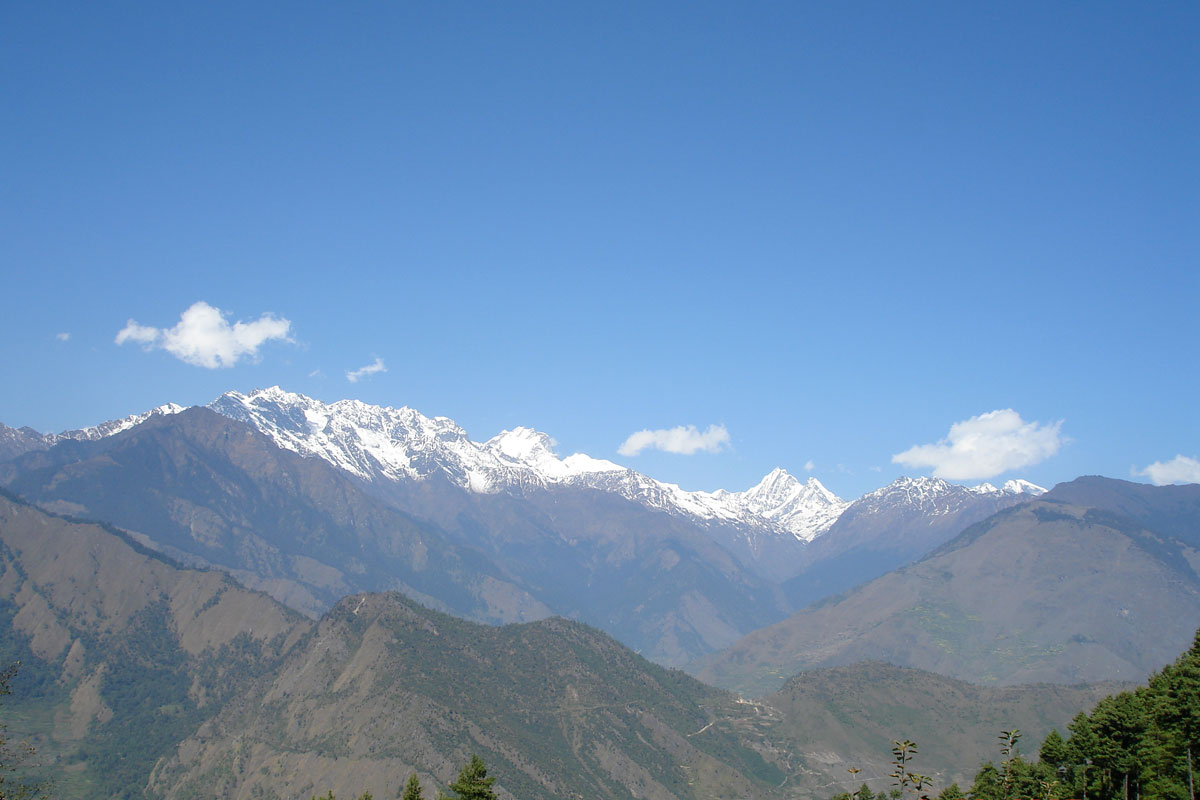
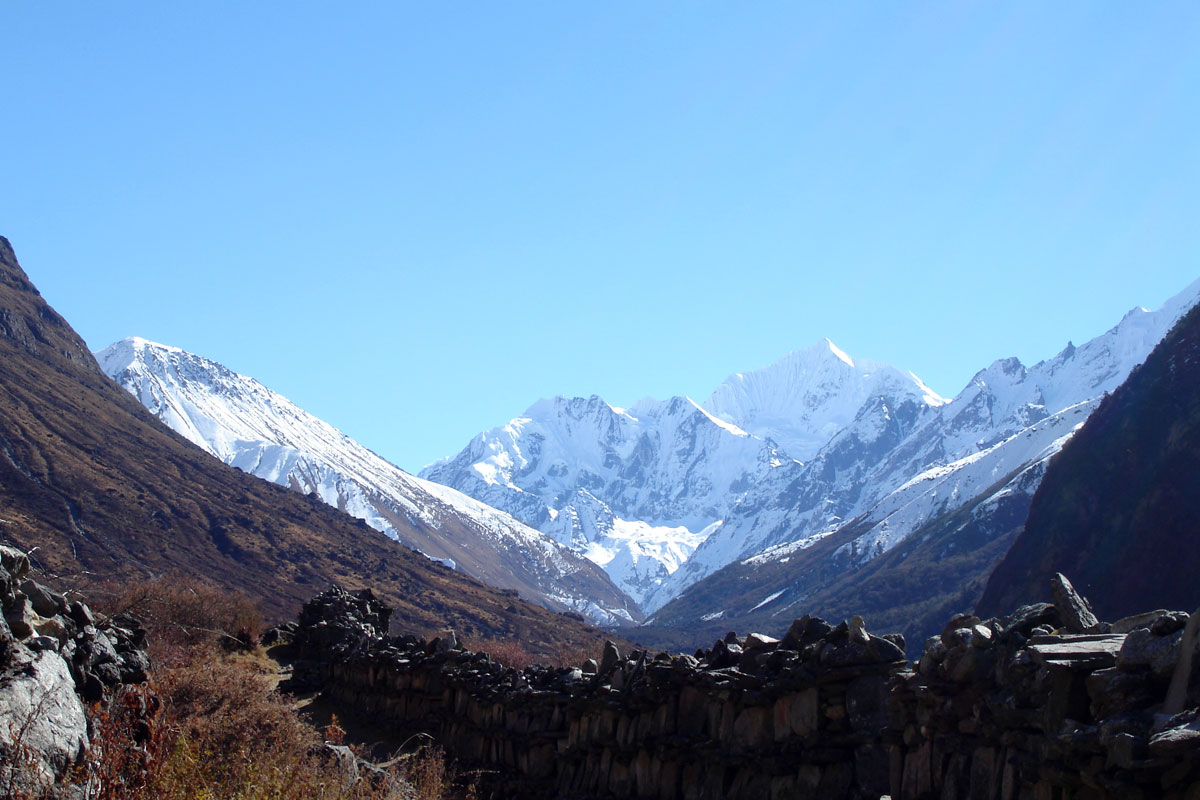
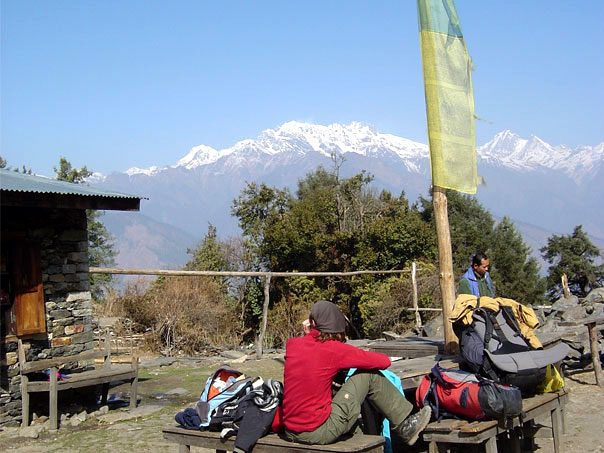
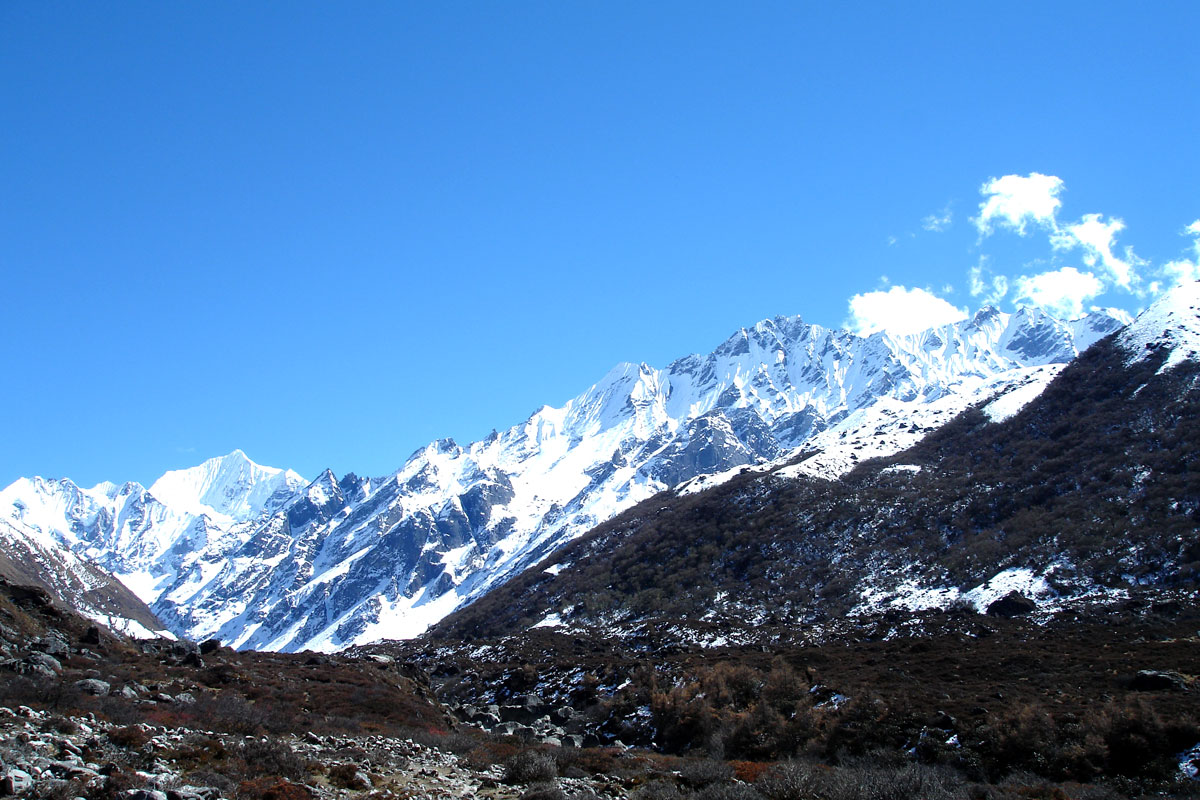
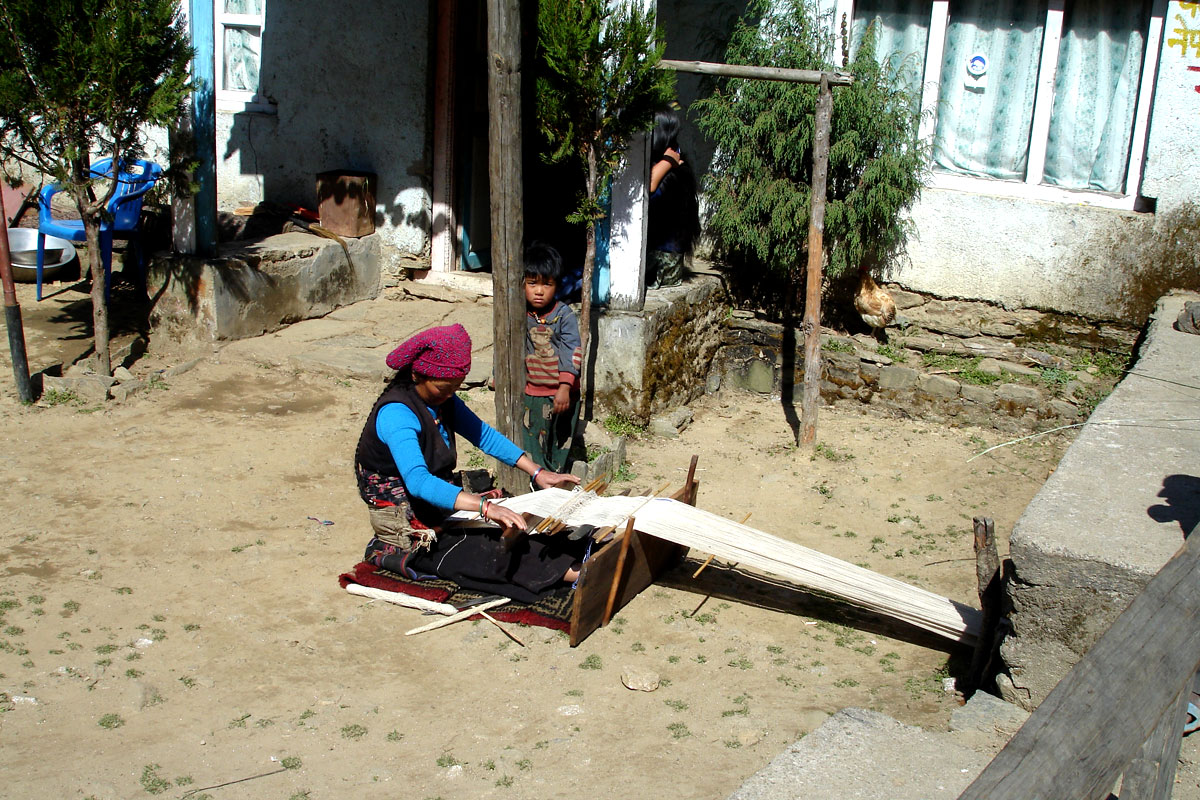
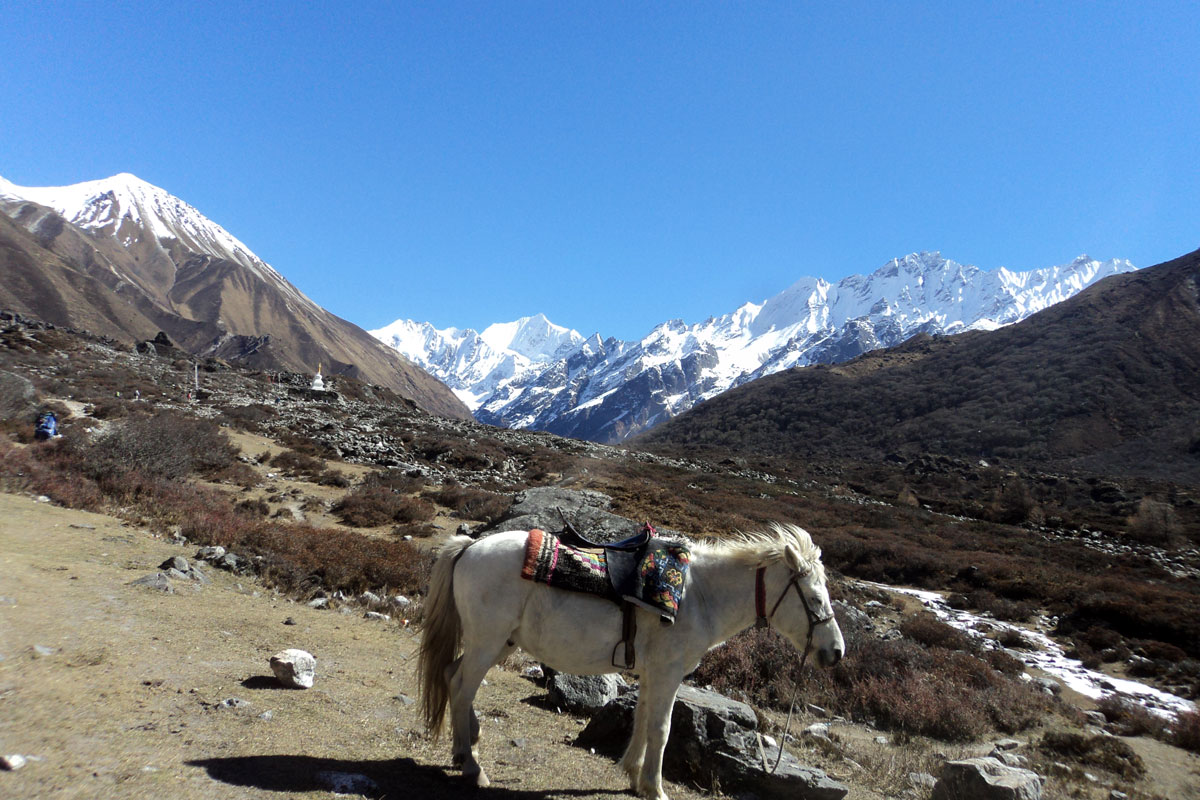
The Langtang Trek takes you through beautiful forests, charming mountain villages, and open valleys with views of towering snow-capped peaks. Along the way, you'll pass cascading waterfalls, yak pastures, and ancient monasteries. The warm hospitality of the Tamang and Sherpa communities adds a unique cultural dimension to the trek.
Unlike more crowded routes like Everest or Annapurna, Langtang offers a quieter and more serene trekking experience while still being highly rewarding in terms of scenery and cultural interaction.
Here are some highlights of the Langtang Trek
A beginner-friendly itinerary usually looks like this:
Day 1: Drive from Kathmandu to Syabrubesi
Day 2: Trek to Lama Hotel
Day 3: Trek to Langtang Village
Day 4: Trek to Kyanjin Gompa
Day 5: Explore Kyanjin Ri (viewpoint) or Tserko Ri
Day 6: Trek back to Lama Hotel
Day 7: Return to Syabrubesi
Day 8: Drive back to Kathmandu
This pace allows for acclimatization and plenty of time to enjoy the journey.
The best seasons for the Langtang Trek are:
Spring (March to May): Flowers bloom, especially rhododendrons, and the weather is warm with clear views.
Autumn (September to November): Cool and dry weather with excellent visibility and stable conditions.
Avoid the monsoon (June to August) due to heavy rain and slippery trails, and winter (December to February) unless you’re experienced with snow trekking.
Langtang is not just about mountains—it's a place where ancient culture thrives. You'll witness:
Buddhist Rituals: Monks chanting at Kyanjin Gompa.
Festivals: Depending on the season, you might see local celebrations.
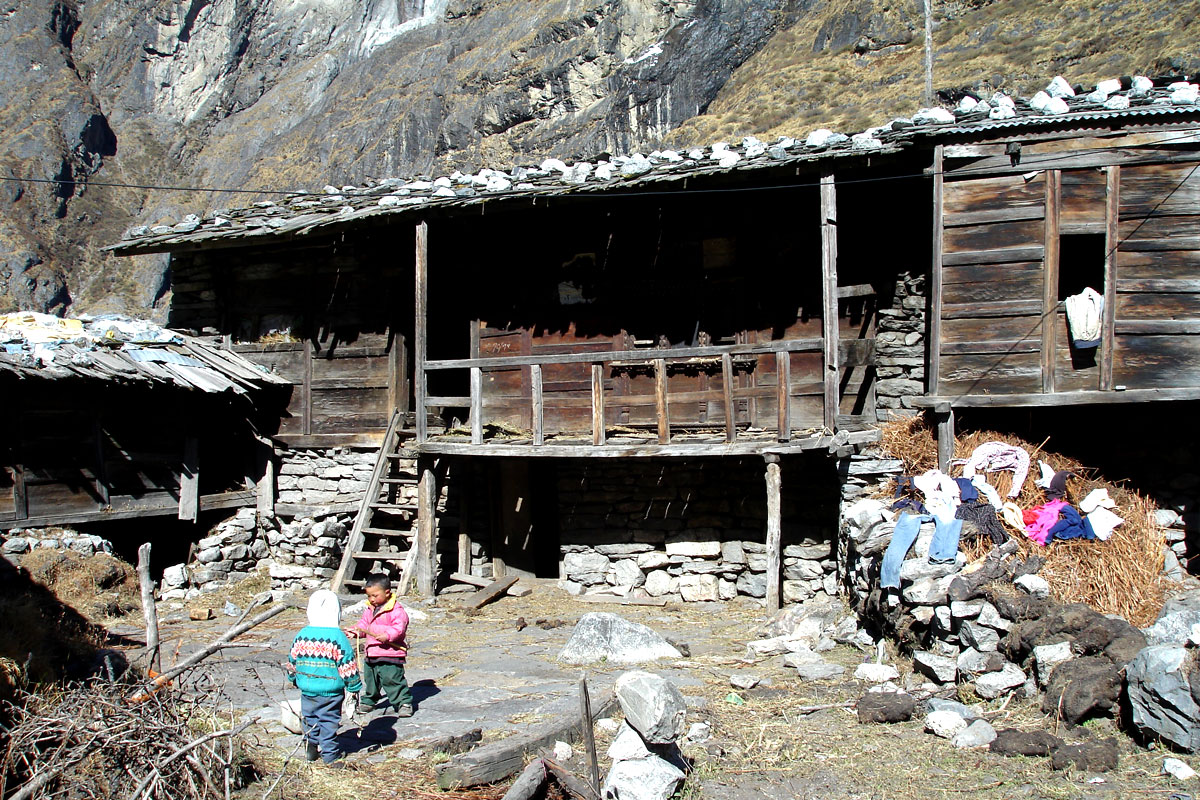
Traditional Houses and Dress: Especially in Tamang villages.
To trek in the Langtang region, you need the following permits
These can be arranged in Kathmandu or on the way to Syabrubesi. If you book with us, all permit costs are included in the package, so there's no need to worry about paperwork.
Meals are not included in the package, which gives you flexibility. You’ll eat at local tea houses along the trail, where you can choose from a variety of Nepali and international dishes.
Accommodations are in basic lodges or tea houses, offering
To make your trek comfortable and informative:
Our guides provide daily briefings and share insights into the culture, wildlife, and geography of the Langtang Valley.
We handle all your travel logistics
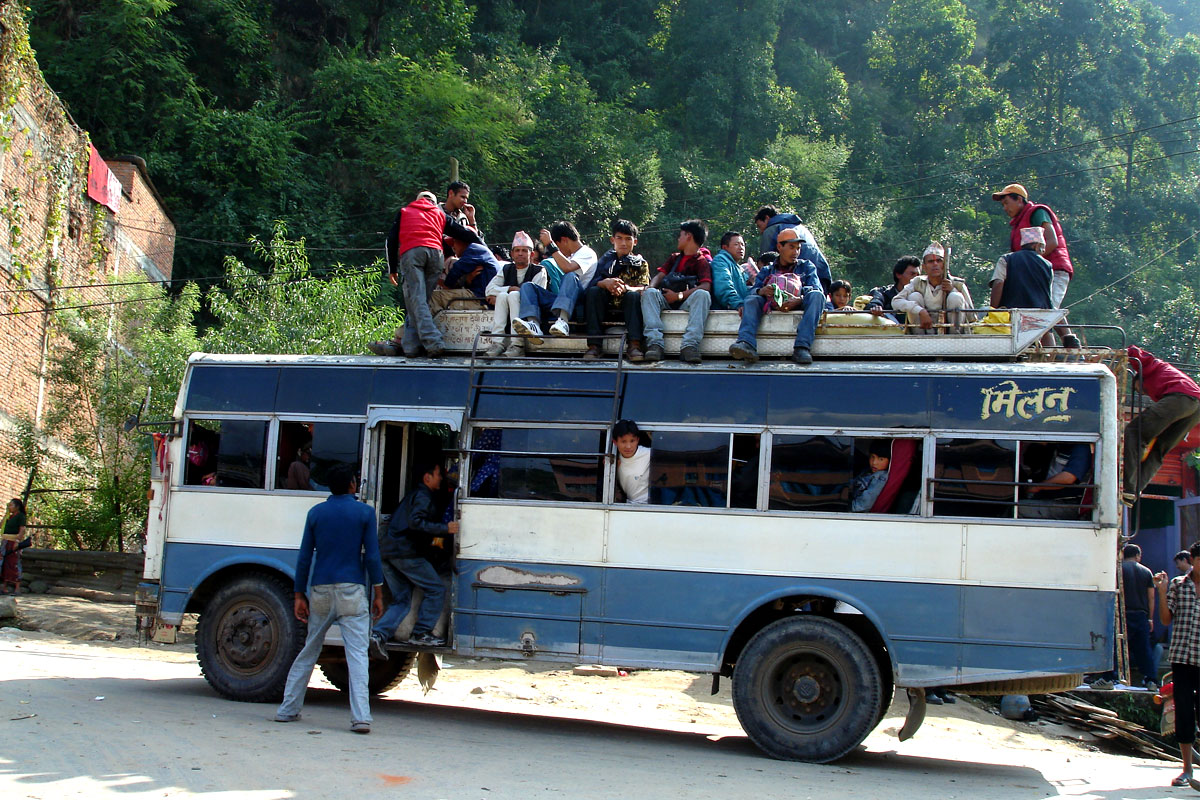
Standard Option: Local bus from Kathmandu to Syabrubesi (starting point), and back after the trek.
Private Option: If you prefer comfort, we can arrange private transportation. Just let us know your preference.
Arrive at Tribhuvan International Airport in Kathmandu. Our representative welcomes you and transfers you to your hotel. Rest after your journey. In the evening, you may walk around Thamel, check trekking gear, and enjoy a Nepali dinner. This day is important for Langtang Trek preparation and briefing.
Early morning drive from Kathmandu to Syabrubesi by local bus. The scenic drive follows rivers, terraced hills, and mountain villages. You will see Trishuli River and local Nepali life along the way. This is the official starting point of the Langtang Trek.
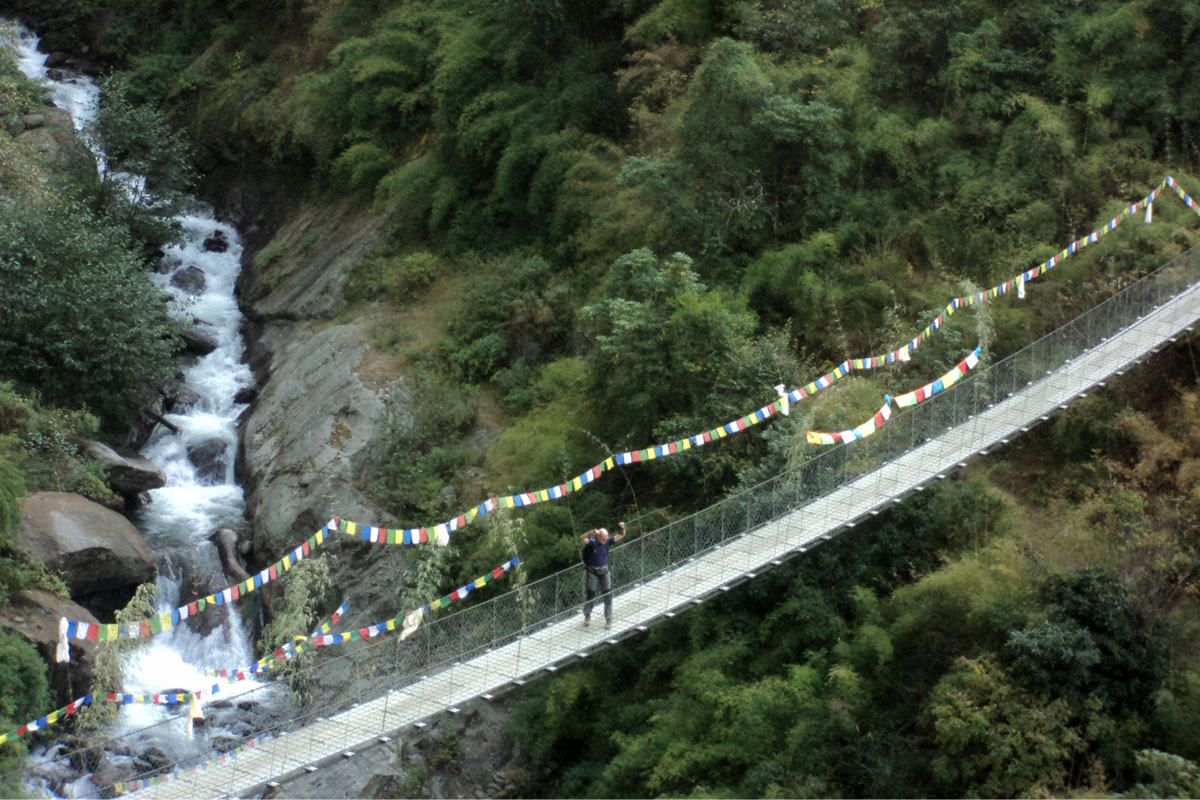
Start the Langtang Trek by walking through lush forests, suspension bridges, and riverside trails. Pass through Bamboo and Rimche villages. The trail is peaceful with chances to see monkeys and birds. Gradual ascent makes the day comfortable.
Continue trekking through dense pine and rhododendron forests. The valley slowly opens with wide mountain views. You pass old landslide areas and reach Langtang Village, rebuilt after the 2015 earthquake. Experience Tamang culture and mountain lifestyle.
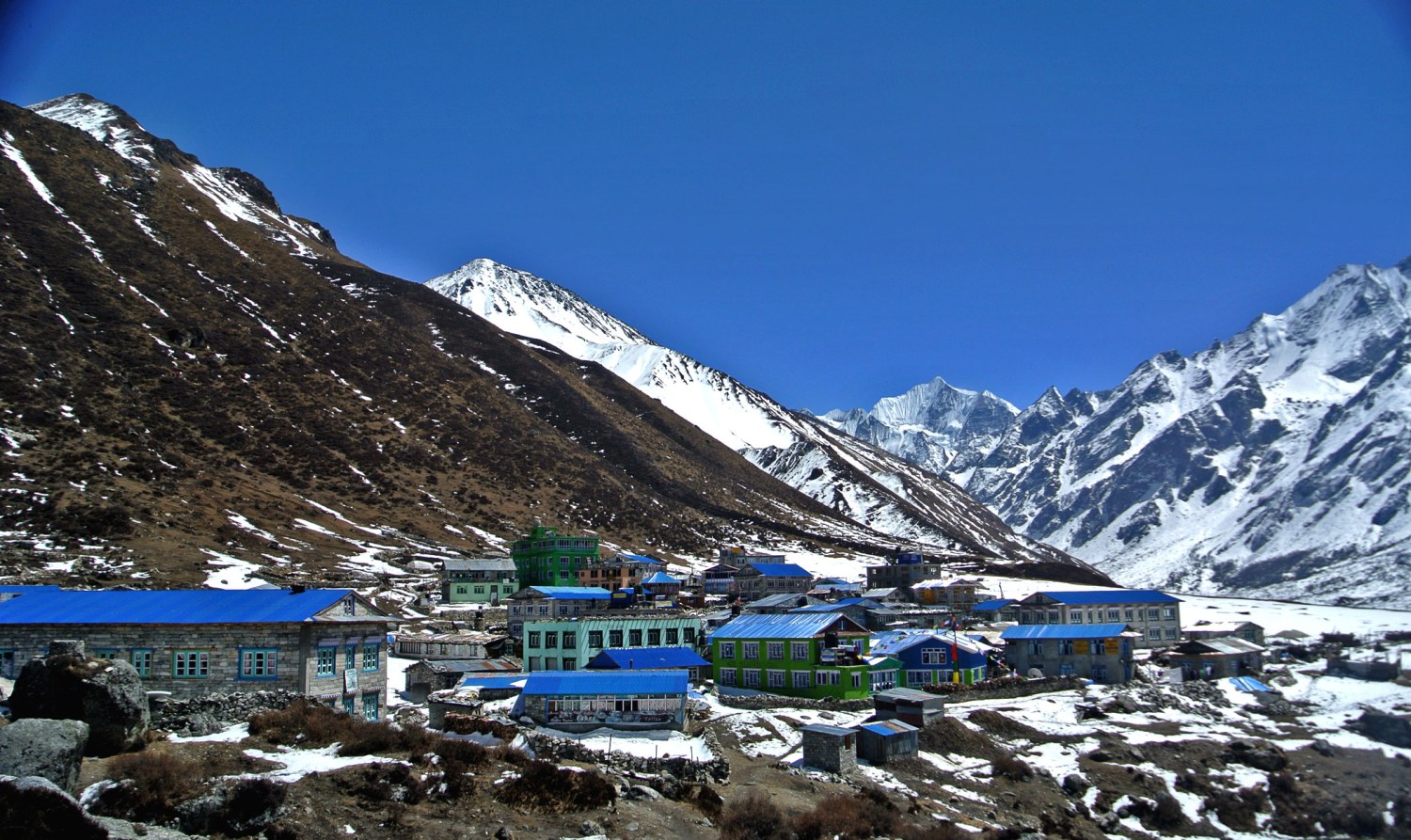
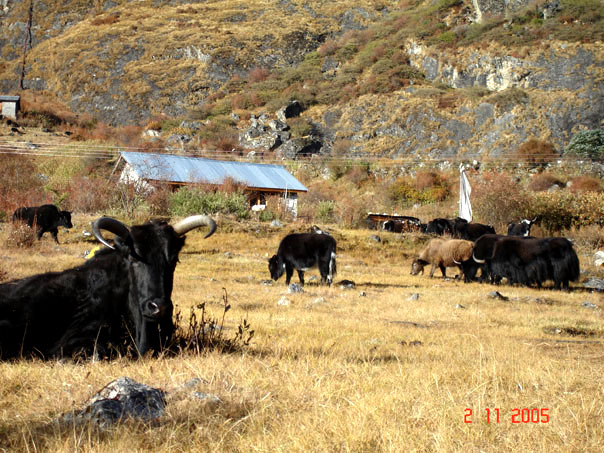
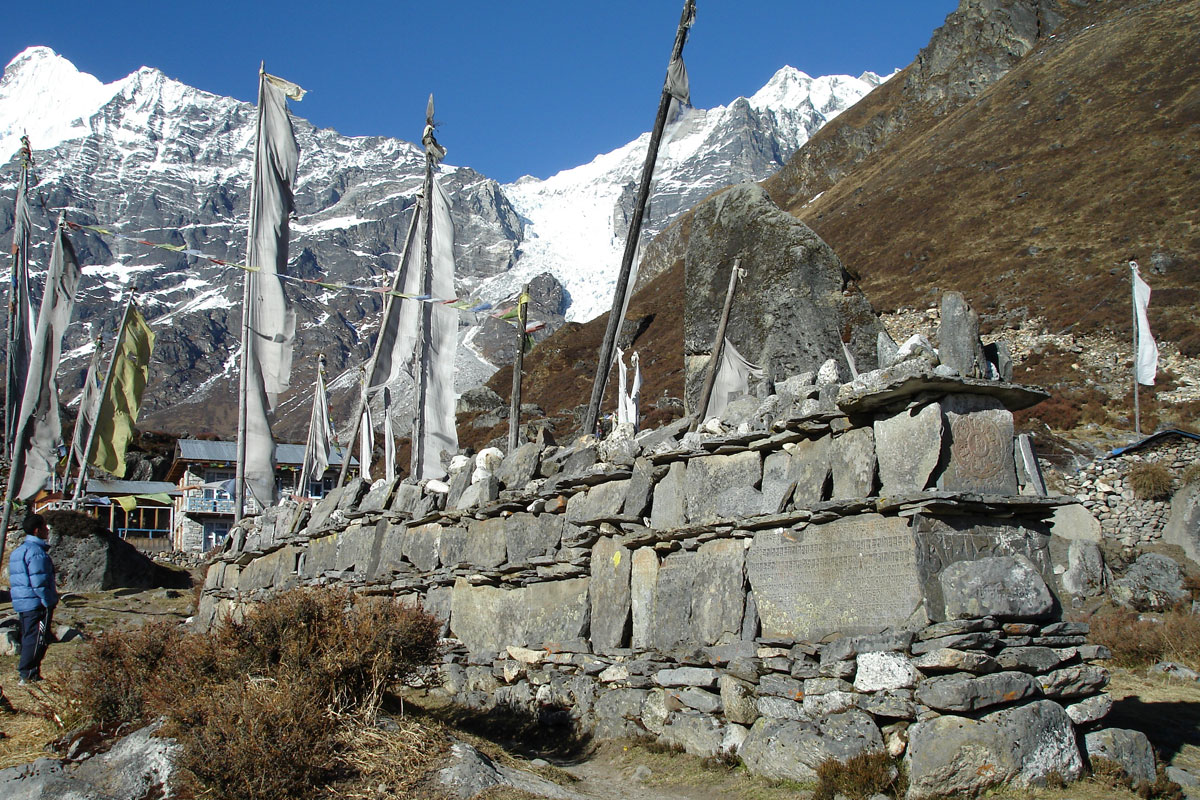
A short and beautiful trek with panoramic mountain views. Walk past yak pastures, prayer wheels, and mani walls. Reach Kyanjin Gompa, the spiritual center of Langtang Valley. Afternoon free to explore monastery and local cheese factory.
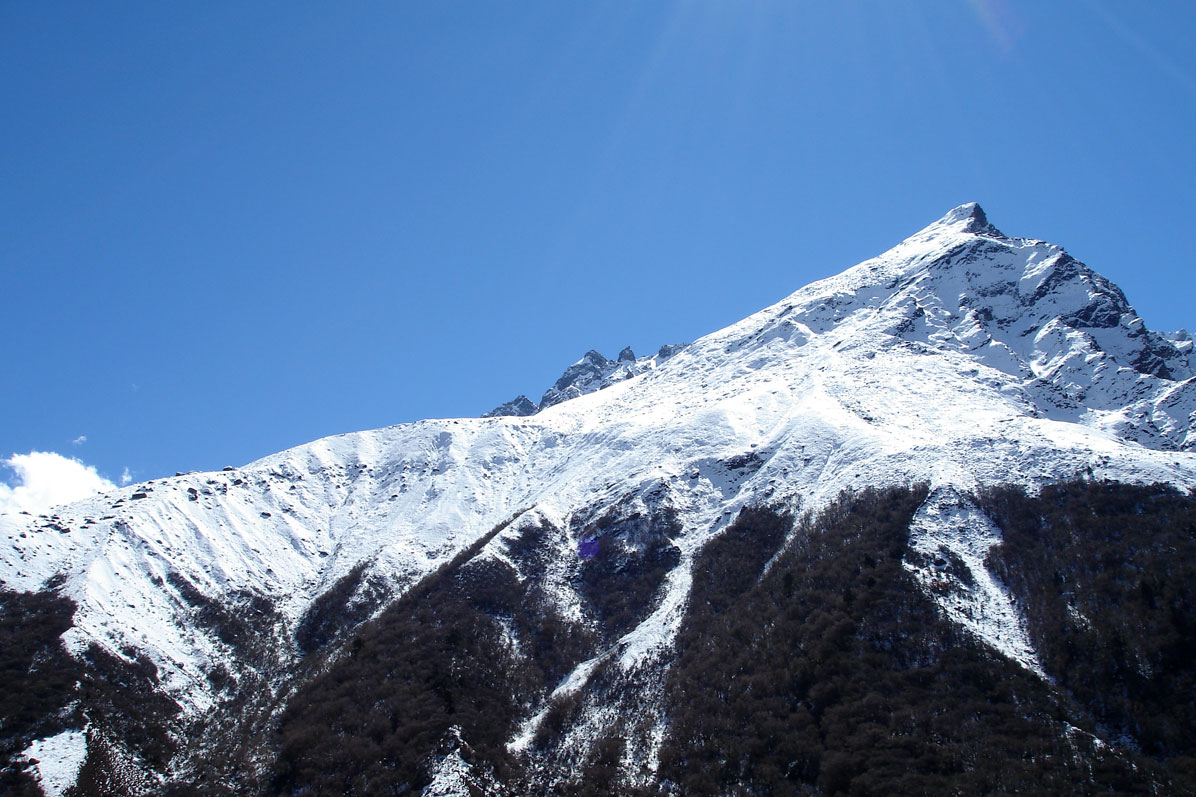
Important acclimatization day during Langtang Trek. Early morning hike to Cherko Ri 4,984M for breathtaking sunrise views of Langtang Lirung, Dorje Lakpa, and surrounding peaks. Return to Kyanjin Gompa for rest and relaxation.
Begin descending along the same trail. Enjoy different perspectives of forests and rivers while walking downhill. Easier walking day with fresh mountain air and peaceful surroundings.
Final trekking day. Walk back through Bamboo and riverside paths. Celebrate the successful completion of the Langtang Trek upon reaching Syabrubesi.
Morning drive back to Kathmandu by local bus. Enjoy last mountain views and rural scenery. On arrival, transfer to your hotel. Evening free for shopping or farewell dinner.
From your arrival in Nepal until your departure, all transportation is arranged smoothly and reliably.
Overland Transportation During the Trek
Extra Optional Private Transfers (More Comfort & Flexibility):
Private jeeps are ideal for guests who prefer comfort, faster travel, and flexible stops.
We select accommodation carefully to ensure good rest and comfort throughout the journey.
1 night hotel stay in Kathmandu at Hotel Jampa or International Guest House. (Central Thamel location, Clean, comfortable rooms with hot shower and Wi-Fi, Ideal for relaxing before and after the trek)
All trekking paperwork is fully handled by Peace Nepal Treks.
A strong and professional team makes your trek safer and more enjoyable.
Experienced, government-licensed, English-speaking trekking guide (Daily route briefing and altitude awareness, Cultural, natural, and mountain information, Continuous support for safety and comfort)
Porter for every 2 guests (maximum 20 kg shared load). Helps keep your walking light and comfortable
Guide and porter daily wages, meals, accommodation, insurance, and trekking equipment are fully included
This ensures fair treatment of staff and high-quality service for guests.
To make your trek easier and reduce extra costs, we provide essential equipment free of charge.
(All items must be returned after the trek)
Small comforts that make a big difference on the trail.
Your health and safety are always our priority.
Extra services that add value and care for the environment.
Meals in Kathmandu and during the Langtang Triangle Trek are not included in the package cost.
Personal snacks and drinks are not included in the package.
This includes
These items are available to buy along the trekking route. Guests may also bring their favorite snacks from Kathmandu if they wish.
The package includes only the hotel nights mentioned in the itinerary.
We are happy to help arrange extra hotel nights if needed.
Tips for the trekking staff are not included in the trip cost.
Recommended guideline
Any costs related to emergencies are not included.
Travel and medical insurance are mandatory for all guests and must cover:
Any personal expenses during the trek are not included, such as:
Kathmandu sightseeing tours are not included unless clearly mentioned.
Visa fees payable at Kathmandu Airport:
Online Visa Application (Recommended to save time)
Please bring a passport valid for at least 6 months and a passport-size photo.
Personal trekking equipment not listed in the “Cost Includes” section is not included.
Guests are responsible for personal items such as
Any services not clearly stated in the “Cost Includes” section are not included.
The Langtang Trek is one of the most beautiful and accessible trekking routes in Nepal, located north of Kathmandu near the Tibetan border. It takes you through Langtang National Park, traditional Tamang villages, alpine forests, glaciers, and high Himalayan landscapes, ending at Kyanjin Gompa. It is perfect for trekkers who want a Himalayan experience in a shorter time.
The Langtang Trek is located in Langtang Valley, about 120 km north of Kathmandu. The trek starts from Syabrubesi, which can be reached by road from Kathmandu.
The standard Langtang trek itinerary is 7–8 days, including travel from Kathmandu.
Shorter options like the Langtang trek itinerary 5 days are possible for fit trekkers, while relaxed itineraries allow more acclimatization.
Starting altitude: Syabrubesi – 1,503 m
Highest sleeping point: Kyanjin Gompa – 3,870 m
Highest hiking point: Tserko Ri – 4,984 m
The gradual altitude gain makes the Langtang Trek suitable for beginners.
The total Langtang trek distance is approximately 65–70 km (round trip), depending on side hikes like Tserko Ri.
Yes, the Langtang Trek is excellent for beginners. The trail is well-marked, walking days are moderate, and there are comfortable tea houses along the route. Proper acclimatization and a guide make it very safe.
The best seasons are:
Spring (March–May): Rhododendron blooms, clear views
Autumn (September–November): Stable weather, best visibility
Winter is cold but quiet, and monsoon is green but rainy.
A classic Langtang trek itinerary includes:
Kathmandu → Syabrubesi
Syabrubesi → Lama Hotel
Lama Hotel → Langtang Village
Langtang Village → Kyanjin Gompa
Acclimatization & Tserko Ri hike
Return via same route
This itinerary balances scenery, culture, and altitude safety.
A Langtang trek itinerary 7 days usually includes:
Day 1: Drive Kathmandu to Syabrubesi
Day 2–4: Trek to Kyanjin Gompa
Day 5: Acclimatization & hike
Day 6–7: Trek back & drive to Kathmandu
This is the most popular itinerary.
The Langtang trek itinerary 5 days is a fast-paced option:
Ideal for trekkers with limited time
Requires good fitness
Less acclimatization time
A guide is highly recommended for safety.
The Langtang trek cost usually includes:
Guide and porter services
Transportation Kathmandu–Syabrubesi–Kathmandu
Trekking permits (TIMS & National Park)
Lodge accommodation
Safety equipment and first aid
Costs vary based on group size and services.
Average Langtang trek cost:
Budget trek: USD 500–700
Standard package: USD 700–900
Private/custom trek: USD 900+
Food costs (USD 30–40 per day) are usually extra.
Yes. As per Nepal government rules, a licensed guide is mandatory. A guide improves safety, navigation, cultural understanding, and emergency response.
You need:
Langtang National Park Entry Permit
TIMS Card (Trekkers’ Information Management System)
These are usually arranged by trekking companies.
Accommodation is in tea houses (mountain lodges) with:
Twin-sharing rooms
Shared toilets
Basic but clean facilities
Higher altitudes have simpler lodges.
Tea houses offer:
Dal Bhat, noodles, rice, pasta
Soups, momos, pancakes
Tea, coffee, hot drinks
Food is freshly prepared and energizing.
Altitude sickness is possible above 3,000 m, but the Langtang Trek is gradual. Proper acclimatization, hydration, slow walking, and guides carrying Diamox and oximeters reduce risk.
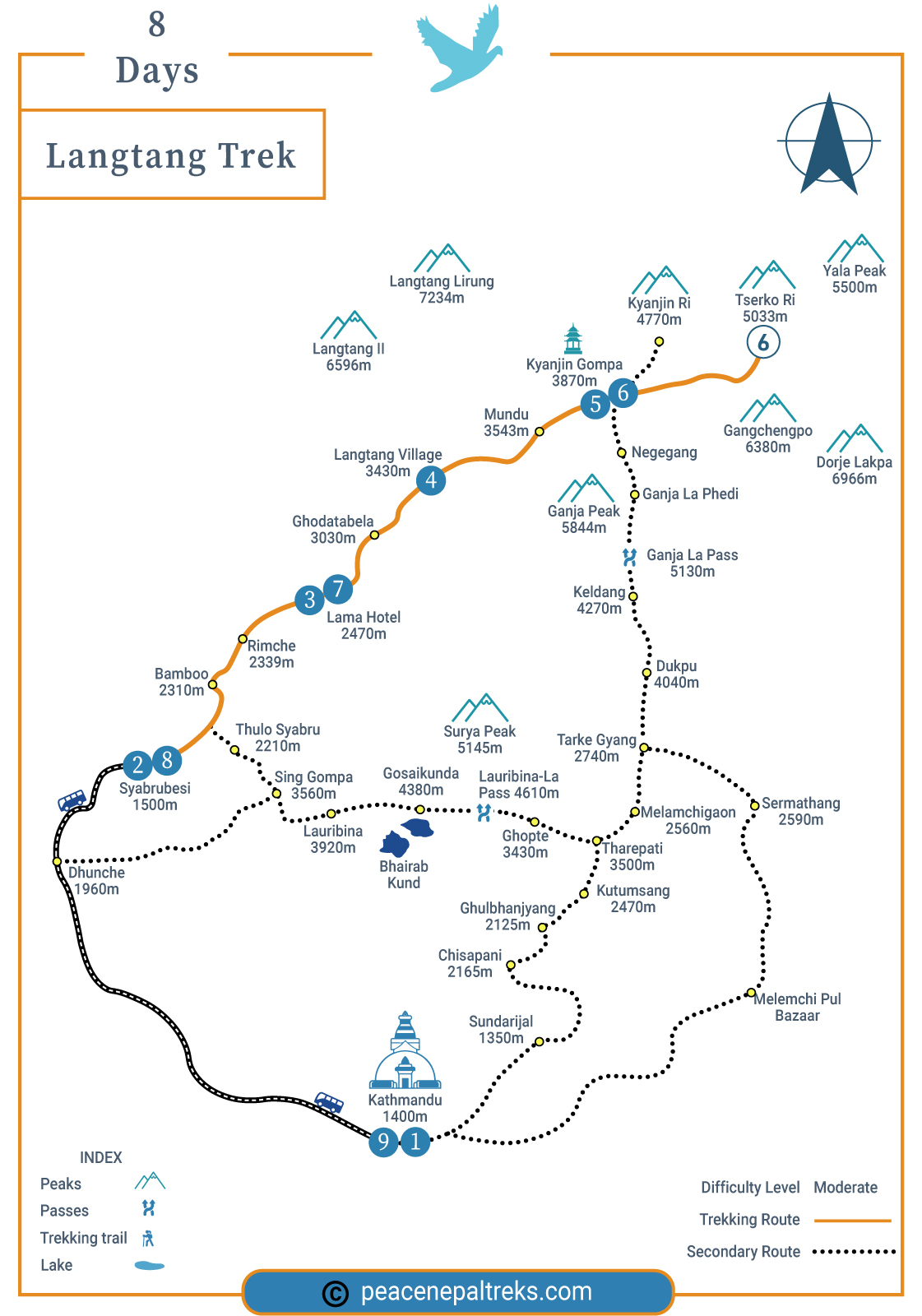
A Langtang trek map helps trekkers understand:
Daily walking distances
Elevation changes
Villages and landmarks
Your guide will also carry a detailed route map.
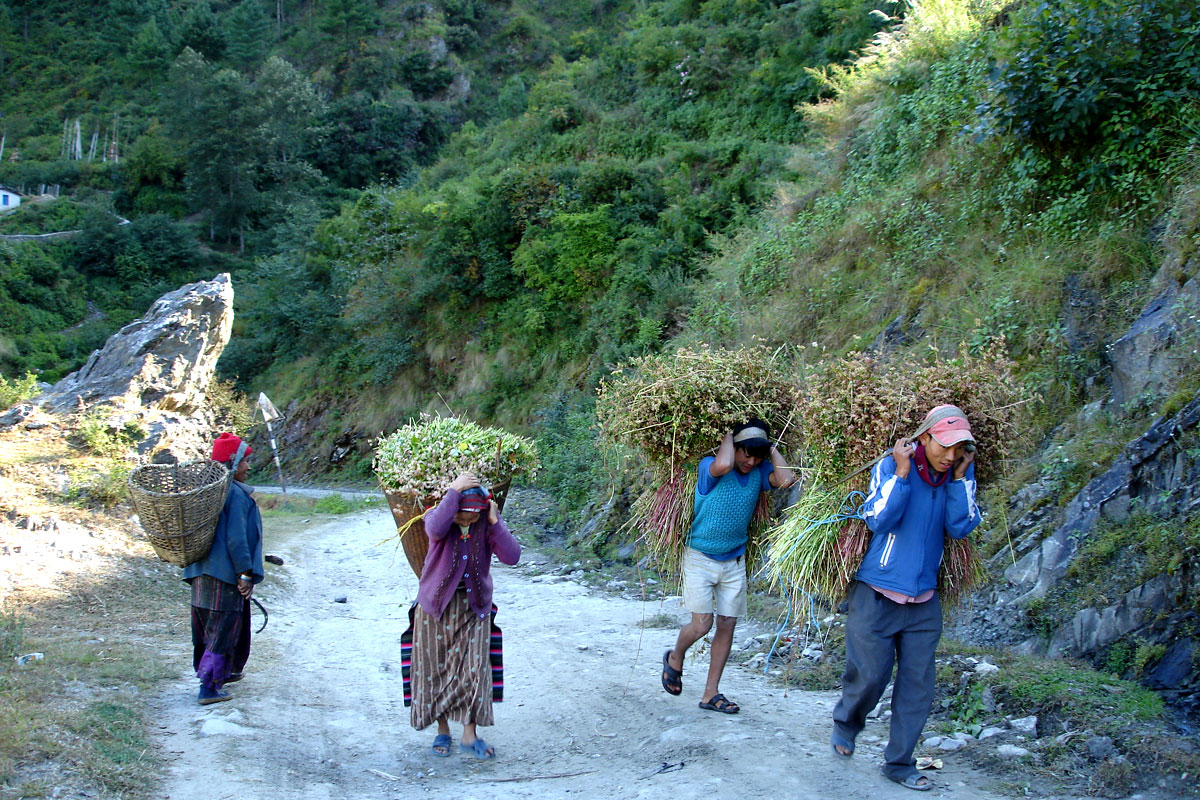
The trek passes through Tamang and Tibetan-influenced villages, offering:
Buddhist monasteries
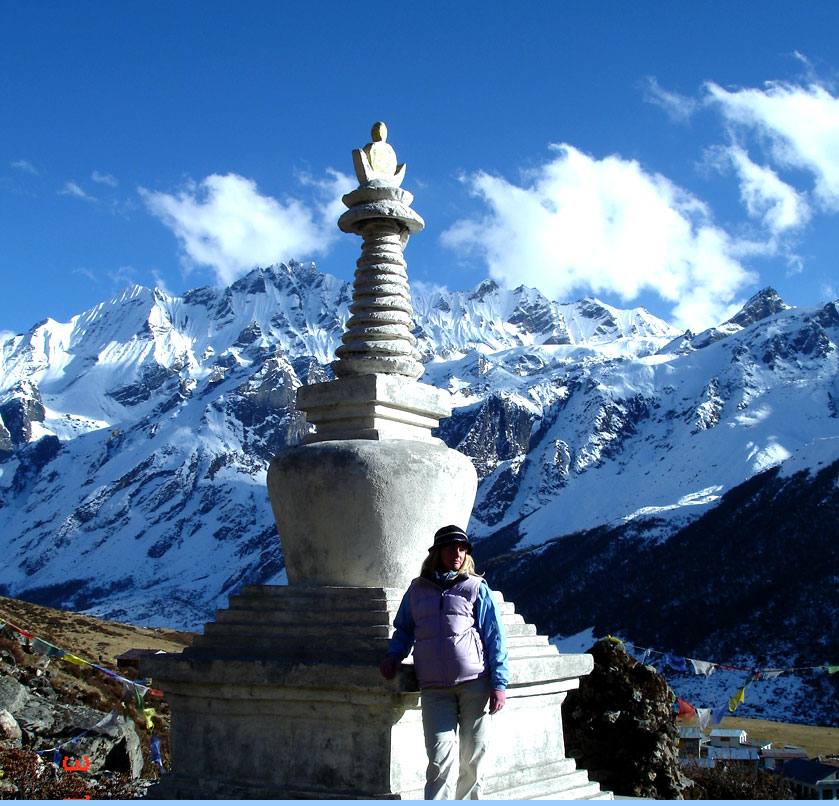
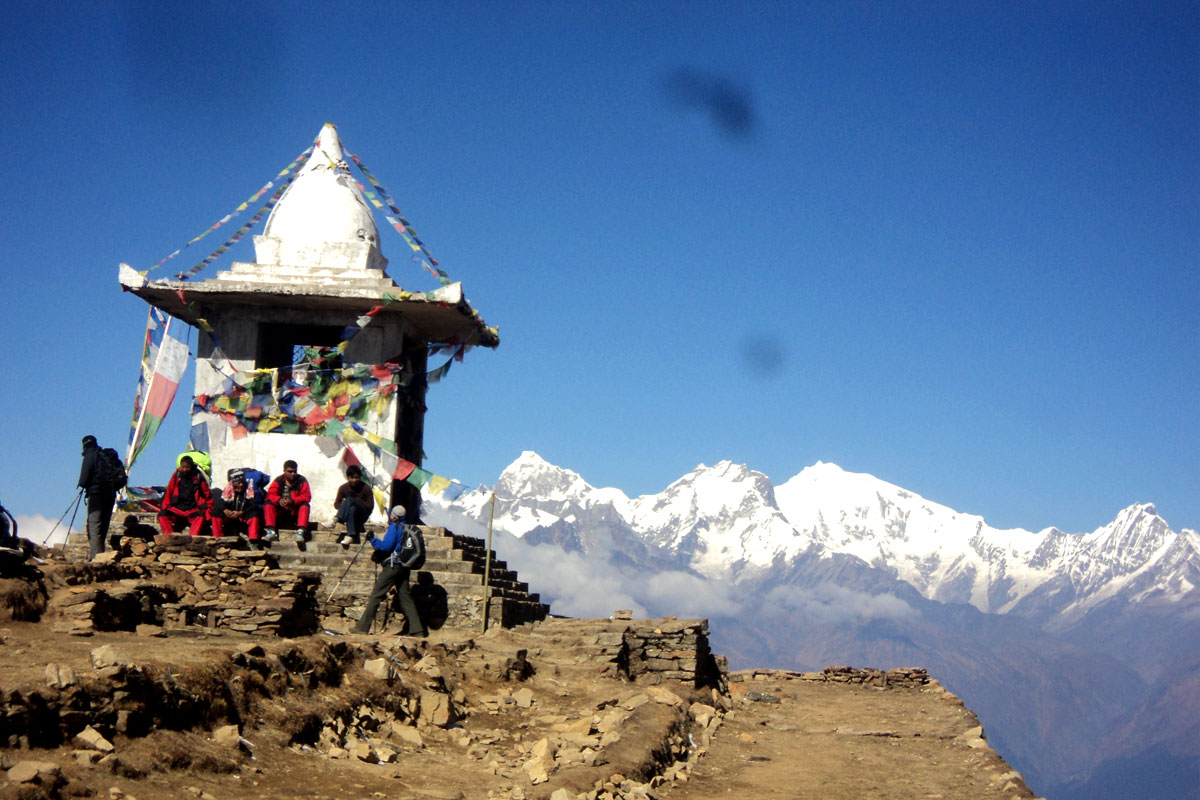
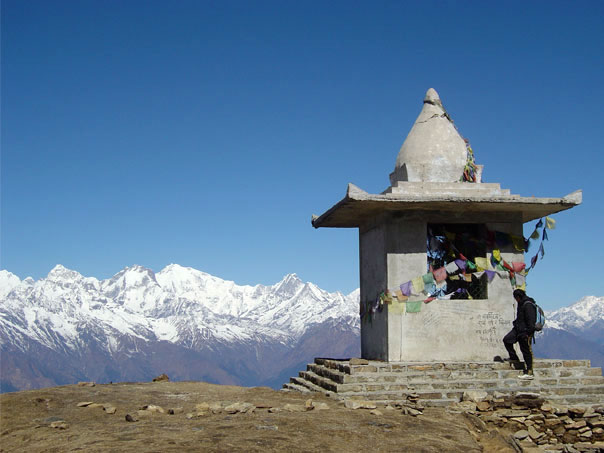
Prayer flags and mani walls
Local traditions and lifestyle
Kyanjin Gompa is a cultural highlight.
Yes, the Langtang Trek is safe and well-managed, especially with:
Licensed guide
Porter support
Emergency rescue arrangements
First aid and communication equipment
Yes, phone charging is available in most tea houses, sometimes for a small fee. Many trekking companies also provide power banks.
Tap water is available, but you should use water purification tablets or boiled water. Bottled water is also available but costs more at higher altitudes.
You need basic to moderate fitness. Daily walks are 5–7 hours. Regular walking, hiking, or cardio before the trek is helpful.
Yes, the Langtang Trek can be combined with:
Tamang Heritage Trail
Gosaikunda Lake Trek
This adds cultural and spiritual value.
The Langtang Trek is perfect if you want:
A short and scenic Himalayan trek
Rich culture and mountain views
Less crowded trails
Easy access from Kathmandu
It offers the best value among Nepal’s classic treks.
Planning a trek to the Langtang Valley? This comprehensive checklist will help you pack the right gear for a safe, comfortable, and enjoyable trekking experience in Nepal. Whether you're on a short hike or a longer adventure, preparation is key. Most trekking gear can also be rented or purchased affordably in Kathmandu.
These are the core items every trekker should bring
Carry only essentials in your daypack (water, snacks, camera, extra layer).
Your porter will carry up to 20–25 kg of your main luggage between two guest.
Don’t stress if you forget something – Kathmandu is well-stocked with trekking gear at reasonable prices.
Choosing the right season can make a huge difference in your Langtang trekking experience. The Langtang region, like most of Nepal's trekking areas, has two main trekking seasons that offer the best weather, visibility, and trail conditions.
The best time to trek the Langtang Valley is during spring (March–May) and autumn (September–November). These months offer the perfect balance of clear skies, good trail conditions, and comfortable temperatures—ideal for both beginner and seasoned trekkers.
Travel insurance is a must-have for anyone planning to trek in the Langtang region. The terrain, altitude, and remote location mean that having proper insurance not only offers peace of mind but can also save you from significant expenses in case of emergencies.
Emergency Evacuation: One of the most important coverage elements. If you suffer altitude sickness or any serious injury, helicopter evacuation can cost thousands of dollars.
Medical Coverage: Trekking at high altitudes can increase the risk of illness. Insurance should cover hospital stays, doctor visits, and medications.
Trip Cancellations or Interruptions: Natural disasters, political unrest, or personal emergencies could affect your trip. Insurance can help recover non-refundable costs.
Lost or Stolen Baggage: Coverage for lost gear or delayed baggage is especially useful if you're carrying valuable trekking equipment.
Adventure Activity Coverage: Make sure the policy covers trekking up to at least 5,000 meters (Langtang's highest points reach around 4,984 meters at Tserko Ri).
When selecting travel insurance for the Langtang Trek, make sure your policy includes:
Coverage for trip cancellation or delays
While many global insurance companies offer coverage, some are known for catering specifically to trekking and high-altitude adventures:
World Nomads – Popular with trekkers, covers high-altitude hiking and emergency evacuations.
SafetyWing – Great for digital nomads and long-term travelers, includes trekking coverage.
Global Rescue – Specializes in adventure travel and emergency evacuations.
IMG (International Medical Group) – Offers customizable travel insurance plans with adventure sports add-ons.
Always check the fine print and confirm that your insurance explicitly covers trekking in Nepal and helicopter evacuation above 4,000 meters. Some policies require an additional premium for adventure activities.
Enjoy the popular trekking and tour packages in Nepal Himalayas. 2026.
© 2011 - 2026 All rights reserved. Peace Nepal Treks.