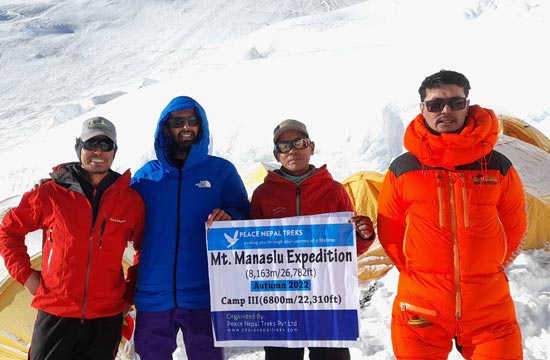
The Manaslu expedition is one of the most coveted mountaineering adventures in the world, offering climbers a rare combination of physical challenge, remote Himalayan scenery, and rich cultural encounters. Manaslu, the eighth-highest mountain on Earth, rises to an imposing height of 8,163 meters (26,781 feet) in the Mansiri Himal range of Nepal. Unlike Everest, which is often bustling with climbers, Manaslu offers a quieter and more authentic high-altitude experience, attracting serious mountaineers looking for a less commercialized ascent. This guide provides a detailed overview of everything climbers need to know to prepare for a successful expedition — from the best time to climb and permit requirements to costs, accommodation, meals, and essential gear.
Hand-picked itineraries
Recommended Trips
Related journeys you may want to explore after reading this article.
Introduction: What Makes the Manaslu Expedition Special
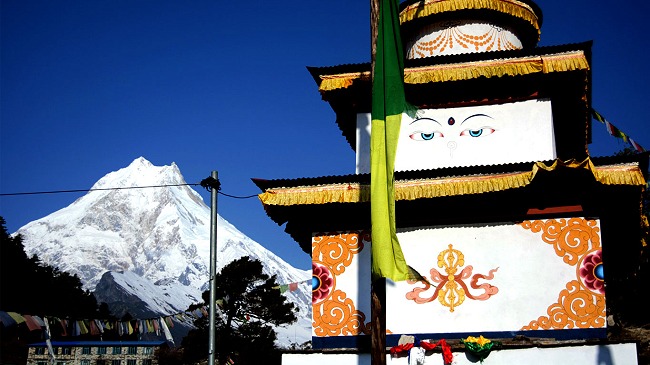
The Manaslu expedition stands out as one of the most rewarding climbs among the world’s 8,000-meter peaks. Named after the Sanskrit word "Manasa," meaning "intellect" or "soul," Manaslu is both spiritually significant and physically formidable. The journey to its summit takes climbers through lush forests, traditional Gurung and Tibetan villages, and eventually into an icy wilderness. The remote setting allows climbers to deeply connect with nature, while the technical climbing sections test their mountaineering skills. It’s not just a climb — it’s a transformative journey.
Manaslu Expedition Highlights
Some of the most memorable features of the Manaslu expedition include breathtaking views of neighboring Himalayan giants, deep cultural immersion, and the challenge of ascending a peak over 8,000 meters. The route offers:
- Stunning vistas of peaks like Himalchuli and Ganesh Himal
- Fewer crowds compared to Everest or Annapurna
- Remote trails through traditional Nepalese and Tibetan communities
- The opportunity to climb a serious 8,000-meter peak with relatively fewer technical demands than Everest
Importance of the Manaslu Expedition
The Manaslu expedition is important both culturally and from a mountaineering perspective. Culturally, it supports remote Himalayan communities and helps preserve traditional lifestyles through responsible tourism. From a climbing standpoint, it is a stepping stone for climbers aiming to tackle higher or more technical peaks. It also provides an ideal training ground for Everest or K2, offering similar high-altitude conditions with fewer logistical complications.
Best Season to Climb Manaslu
Choosing the right season can greatly influence the success of the expedition. The best time to climb Manaslu is either during the pre-monsoon spring season or the post-monsoon autumn season:
- Spring (March to May): Offers more stable weather and warming temperatures
- Autumn (September to October): Clear skies and excellent visibility post-monsoon
- Winter and Monsoon: Not advisable due to extreme cold and avalanche risk
Permit Fees and Regulations
Climbers must secure multiple permits to access and climb Manaslu. These permits are regulated by the Government of Nepal and are mandatory.
- Manaslu Climbing Permit: Approx. USD 1,500 per person
- Manaslu Conservation Area Permit (MCAP): USD 30
- Restricted Area Permit: USD 75–100 per week
- Garbage Deposit (refundable): USD 500
- Liaison Officer Fee: Required for coordination with Nepalese authorities
Guide and Porter Services
Hiring experienced guides and porters is essential for safety, navigation, and success on Manaslu.
Certified Guides: Handle route setting, safety, and summit logistics
Porters: Transport gear, supplies, and help establish high camps
Support Team: Often includes a cook, base camp manager, and climbing Sherpas
Accommodation Along the Route
Accommodation varies based on the phase of the journey:
Kathmandu: Hotels with modern amenities
Trek to Base Camp: Tea houses offering basic rooms and meals
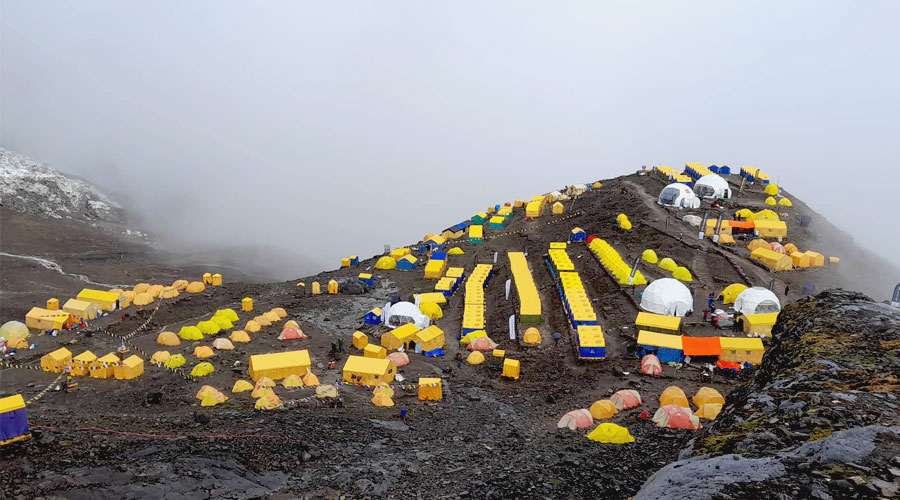
Base Camp and Above: Expedition tents equipped with sleeping mats, warm bags, and communal kitchen/dining setups
Cost Breakdown: How Much a Manaslu Expedition Really Costs
The total cost depends on the level of support and services:
Budget Option: USD 5,000 – 8,000
Mid-Range Expedition: USD 8,000 – 12,000
Luxury Expedition: USD 12,000 – 18,000
Breakdown includes
Permits and fees
Guide/porter salaries
Transport and logistics
Meals and accommodation
Climbing gear (rented or owned)
Insurance and emergency evacuation
Itinerary for the Manaslu Expedition
A typical expedition lasts around 40–50 days:
Days 1–3: Arrival in Kathmandu and preparation
Days 4–10: Trek to Manaslu Base Camp
Days 11–15: Base Camp acclimatization
Days 16–40: High-altitude camp rotations and summit push
Days 41–45: Return trek and travel to Kathmandu
Insurance Requirements
Climbers must have specialized insurance:
Medical insurance covering high-altitude trekking and climbing
Evacuation insurance, including helicopter rescue
Trip cancellation and gear loss coverage
Duration of Climbing and Acclimatization
The actual climb takes around 25–30 days including acclimatization and rest days. Rotations between Base Camp and higher camps help climbers adjust to altitude gradually. This slow progression is critical to avoiding altitude sickness.
Meals During the Tea House Trek and Climbing Period
Nutrition is critical for performance and recovery:
Tea House Meals: Dal Bhat, noodles, soups, eggs, tea, coffee
Base Camp Meals: Carbohydrates, proteins, snacks, hydration drinks
High Camps: Lightweight, high-calorie meals like dehydrated foods, energy bars, and instant soups
Climbing Equipment: Group and Personal
Essential gear includes
Personal Gear: Down suits, high-altitude boots, crampons, ice axe, helmet, harness, gloves, goggles, thermal layers
Group Equipment: Fixed ropes, cooking equipment, tents, radios, medical supplies
Communication on the Climb
Reliable communication is vital:
Satellite phones: For emergency and summit updates
Two-way radios: For team coordination
Mobile networks: Limited to lower altitudes
Climbing Manaslu is a bold and rewarding endeavor that tests every aspect of a mountaineer’s spirit and skill. With proper preparation, a strong support team, and a deep respect for the mountain, climbers can safely navigate this extraordinary journey. Whether aiming for personal achievement or preparing for higher Himalayan peaks, the Manaslu expedition delivers an unforgettable experience filled with beauty, challenge, and inspiration.