The Kanchenjunga Base Camp Trek is not just another Himalayan route—it’s an expedition. For trekkers who have conquered the trails of Everest, Manaslu, or Annapurna, Kanchenjunga offers the next level of challenge: raw, unspoiled wilderness leading to the foot of the world’s third-highest mountain. This is a journey defined by immense scale, rich biodiversity, and a deep sense of exploration.
The Ultimate Himalayan Frontier: Isolation and Grandeur
The Kanchenjunga Base Camp Trek is famously a remote area trekking experience. Unlike the well-worn paths of the popular circuits, Kanchenjunga plunges you into the far eastern corner of Nepal, bordering Sikkim and Tibet.

Starting and Ending the Trek
The adventure typically begins with a flight from Kathmandu to Bhadrapur, followed by a drive to Taplejung, which serves as the traditional gateway to the region. The trek itself usually follows a circular or horseshoe route, taking you to both the North and South Base Camps. The journey often concludes with an internal flight back to Kathmandu after exiting the Conservation Area, generally taking around 18 to 22 days.
The North and South Base Camps
The trek is unique in that it targets two spectacular focal points:
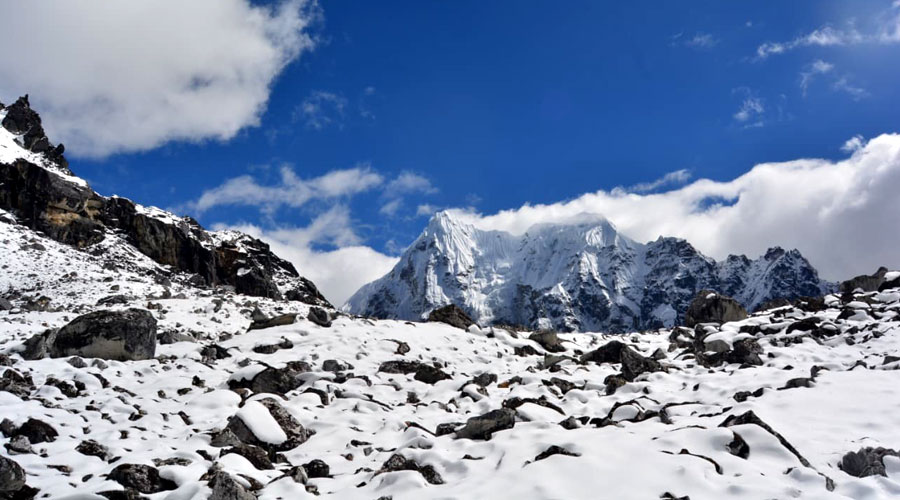
Kanchenjunga North Base Camp (Pangpema): Reaching Pangpema (around 5,143m) is the pinnacle, offering jaw-dropping, close-up views of Kanchenjunga (8,586m) and its mighty satellites. This view, especially at sunrise, is unparalleled in its grandeur.
Kanchenjunga South Base Camp (Oktang): The approach to Oktang (around 4,730m) offers a different perspective, showcasing the massive Yalung Glacier and the southern face of the Kanchenjunga massif.

The Challenge of Sinion La Pass - 4,610M
The route often includes crossing challenging mountain passes, such as the Sinion La Pass. This element adds to the trek's difficulty, requiring sure footing and good physical fitness. Sinion La demands respect, adding steep climbs and descents, particularly when crossing between the northern and southern sections of the Conservation Area, making the entire journey more technical and demanding than standard tea house treks.
Guide, Culture, and Infrastructure
Given its remote nature and the required permits, the success of the Kanchenjunga trek relies heavily on local support and infrastructure.
The Local Teahouse Experience
While it’s more remote, the typical local teahouse culture is slowly emerging and improving. The experience is rustic and intimate, offering a genuine connection with the local communities. The teahouses are often simpler than those found on the Annapurna or Everest trails, but they provide crucial shelter and meals. As trekking grows here, new teahouse services are starting newly, offering basic but warm hospitality among the Limbu, Rai, and Sherpa people.
Guide and Porter Experience (Mandatory Requirement)
It is mandatory to have a guide for the Kanchenjunga Base Camp Trek. This regulation is in place both for safety and for managing the restricted area.
An experienced guide is essential not just for navigation but also for handling local logistics, managing acute mountain sickness (AMS) risks, and serving as a cultural interpreter. Similarly, relying on a dedicated and strong porter is key to the expedition's success, as they manage heavy loads over difficult, remote terrain, acting as the backbone of the entire journey. Their expertise and strength make this challenging trek manageable.

Wildlife and Environmental Responsibility
The entire area falls under the Kanchenjunga Conservation Area (KCA), which protects an astonishing array of flora and fauna.
What You Will Come Across
The KCA is a haven for biodiversity, featuring lush forests including rhododendron, oak, and pine, along with stunning glaciers including the Yalung glaciers. Keep an eye out for rare and iconic wildlife such as snow leopards, musk deer, red pandas, and Himalayan black bears. The diversity of the landscape is a core highlight of the Kanchenjunga trek.
Essential Trekking Practicalities
Trekking Permits and Fees
Due to the sensitive nature of the border region, the permit structure for Kanchenjunga is strict:
Kanchenjunga Conservation Area Permit: Required for entry.
Special Restricted Area Permit: This is the primary requirement and is the most costly. It can only be issued through a registered trekking agency and requires a minimum of two foreign trekkers plus a guide.
Trekking Budget
Since the Kanchenjunga Base Camp Trek is remote, the overall budget for the trekking will be significantly higher than for more popular routes. This is primarily due to:
Mandatory special permits and fees.
Required flights to remote starting/ending points.
Higher costs for guides and porters for remote travel.
Higher food and lodging prices in the isolated teahouses (as supplies are difficult to transport).
Best Time to Go Kanchenjunga Base Camp Trek
The best time to do the Kanchenjunga Base Camp Trek is during the dry, stable seasons:
Spring: March to May (for rhododendron blossoms and clear skies).
Autumn: September to November (for excellent visibility and stable weather).
Tips for the Kanchenjunga Base Camp Trek
To maximize your success on this challenging journey, follow these critical steps:
| Tip | Description |
| Train for the Trek | This is a difficult trek that requires a high level of physical fitness. Make sure to train well in advance by doing regular cardio and strength training exercises. |
| Acclimatize Properly | It's crucial to take enough rest days and drink plenty of water to avoid altitude sickness, especially when crossing high points like Sinion La. |
| Pack Wisely | Pack all the essential items, including high-quality warm clothing, a zero-degree sleeping bag, a comprehensive first-aid kit, and durable trekking shoes. |
| Respect the Local Culture | The region is home to several distinct ethnic communities, including the Limbu, Rai, and Sherpa people. Always respect their local culture and customs. |
| Follow the Rules | The Kanchenjunga Conservation Area is a protected region. Follow all rules and regulations set by the authorities, take care of the environment, and avoid littering. |
The Kanchenjunga Base Camp Trek is challenging, but it is one of Nepal's most rewarding adventures. It offers stunning mountains, fascinating wildlife, and a rare glimpse into a unique, preserved ecosystem. With proper training and the professional support of a dedicated team, this trek will grant you an experience unmatched by any other.

Are you ready to discover the majesty of the Kanchenjunga Conservation Area?