Janai Purnima: Nepal’s Sacred Thread Festival of Purity, Protection, and Tradition
Janai Purnima, also called the Sacred Thread Festival, is one of Nepal’s most revered Hindu celebrations, observed by Brahmin, Chhetri, and other Hindu communities. Falling on the full moon day of Shrawan (July–August), it marks a day of spiritual renewal, protection, and purification.
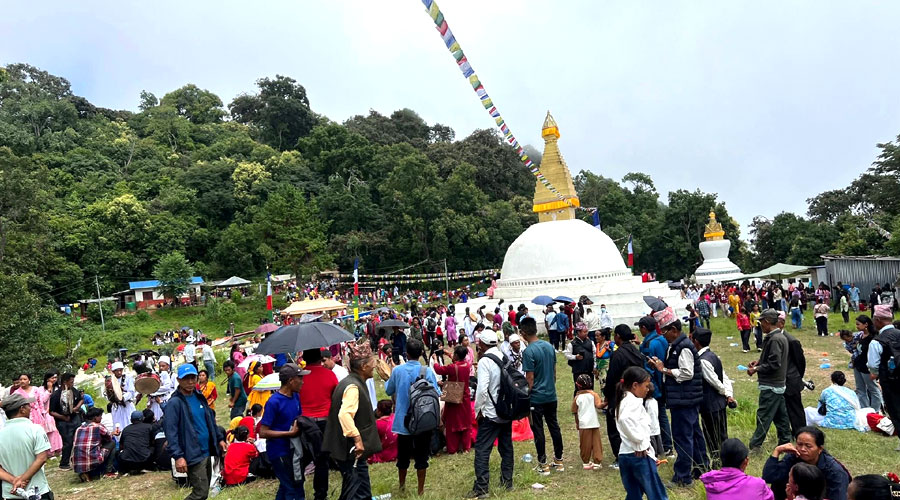
Men replace their Janai (sacred thread) in a symbolic act of cleansing, while priests tie colorful Raksha Bandhan threads on devotees’ wrists for blessings and protection. Rooted in Vedic tradition and tied to the legends of Lord Vishnu and Lord Shiva, Janai Purnima blends religion, history, and community together in a celebration that draws thousands to temples, rivers, and sacred lakes.
The Meaning of Janai and Its Symbolism
The Janai is a sacred white cotton thread worn diagonally across the chest by Hindu men from certain communities. It symbolizes:
- Purity – a life of truthfulness and moral discipline.
- Responsibility – commitment to religious duties and societal obligations.
- Spiritual dedication – following the sacred path laid out in the Vedas.
On Janai Purnima, men change their old Janai for a new one, representing the shedding of past impurities and a fresh start in their spiritual journey.
The Raksha Bandhan wrist thread, tied on both men and women, represents protection from negative forces and blessings for prosperity.
History and Religious Significance
Janai Purnima’s origins trace back to Vedic times, when sacred threads were used as symbols of spiritual commitment. The festival is associated with the myth of Lord Vishnu’s Vamana avatar, in which he restored balance to the universe, and with Lord Shiva, whose link to Gosaikunda Lake makes the day especially important for pilgrims.
For centuries, Janai Purnima has been both a religious and a social event — a time when families unite, communities gather at holy sites, and blessings are shared.
Key Rituals of Janai Purnima
Holy Bath at Sacred Sites
Devotees rise before dawn to bathe in rivers, ponds, or holy springs, washing away physical and spiritual impurities. Popular pilgrimage sites include:
- Pashupatinath Temple – Kathmandu’s sacred Shiva temple.
- Kumbheshwar Temple – Lalitpur’s ancient pagoda-style temple.
- Gosaikunda Lake – a high-altitude lake (4,380 m) believed to have been formed by Lord Shiva’s trident.
Changing the Janai
Hindu men remove their old sacred thread and wear a fresh one, sanctified by priests chanting Vedic mantras.
Tying the Raksha Bandhan
Priests tie a colorful protective thread on the wrists of devotees, symbolizing divine protection. It is worn until Laxmi Puja during Tihar, when it is tied to a cow’s tail for blessings.
Pilgrimage to Gosaikunda
Thousands trek to Gosaikunda Lake during this time, believing that bathing in its icy waters purifies the soul and grants spiritual merit.
Foods and Feasting: The Role of Kwati Purnima
Janai Purnima also coincides with Kwati Purnima, a celebration of health and nourishment. Families prepare:
Kwati – a rich soup made from nine sprouted beans.
Sel Roti – traditional sweet rice bread.
Fresh fruits, milk-based sweets, and seasonal vegetables.
The sprouted beans in kwati are believed to boost immunity during the monsoon season.
Janai Purnima vs. Raksha Bandhan in India
While Nepal’s Janai Purnima shares the Raksha Bandhan thread ritual, its focus is different:
Nepal: Emphasis on spiritual renewal, purification, and divine protection.
India: Celebration of the sibling bond, with sisters tying rakhi to brothers.
Why Janai Purnima Still Matters
In a rapidly changing world, Janai Purnima helps maintain a connection to faith, discipline, and tradition. It reminds devotees to live with integrity, honor commitments, and seek divine guidance. Beyond the rituals, it fosters unity — bringing families together by rivers, in temples, and at mountain lakes to share blessings and meals.