
Island Peak, also known as Imja Tse, stands at 6,189 meters and is one of Nepal's most popular trekking peaks. Located in the Everest region, it's a favorite for climbers looking for their first Himalayan summit. Though it's not a technical climb compared to major peaks, it still demands solid fitness, proper acclimatization, and the right timing. Choosing the best season to climb Island Peak is key to a safe and successful expedition.
Hand-picked itineraries
Recommended Trips
Related journeys you may want to explore after reading this article.
 Everest Base Camp - Chola Pass Via Gokyo Trek
 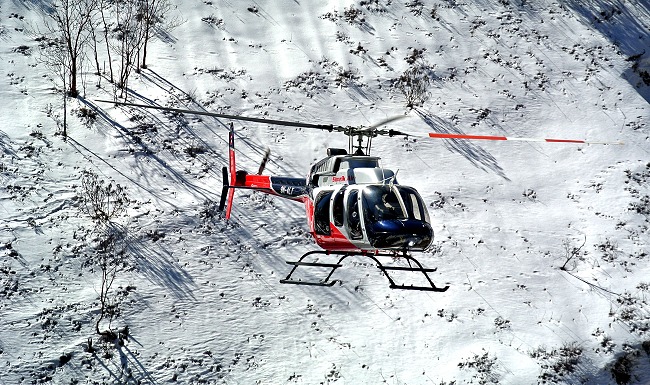 Everest Base Camp Helicopter Tour
  Everest Base Camp Tour from Tibet Lhasa
 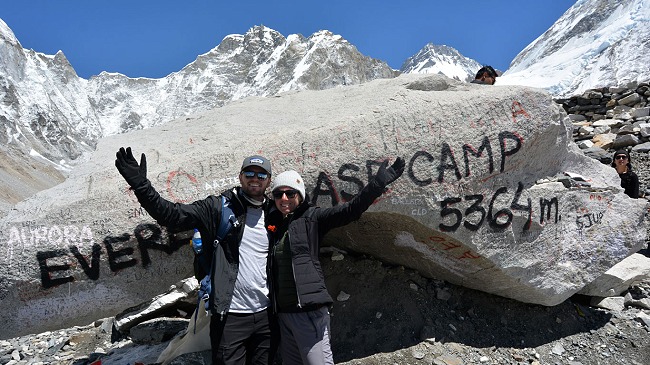 Everest Base Camp Trek
 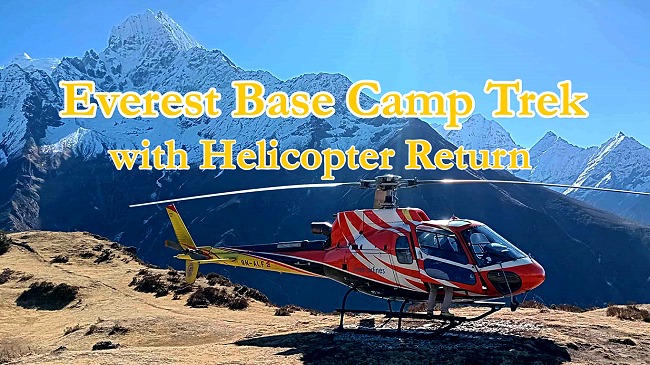 Everest Base Camp Trek with Helicopter Return
 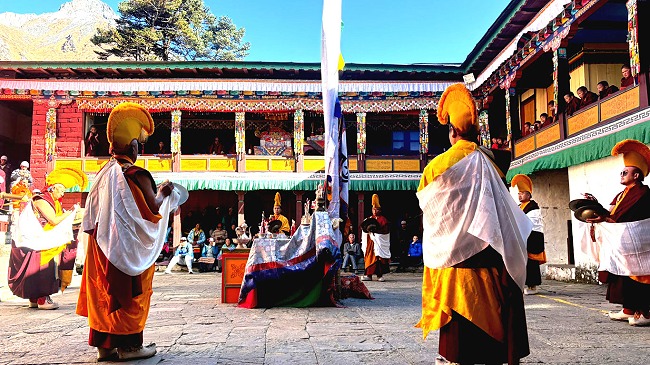 Everest Base Camp Trek with Mani Rimdu Festival
  Everest Base Camp Trek, Trishuli River Rafting & Chitwan Jungle Safari
 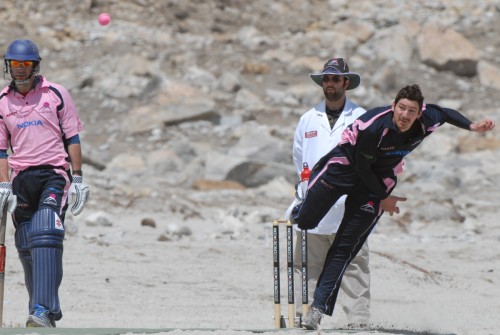 Everest Cricket World Record in 2009
 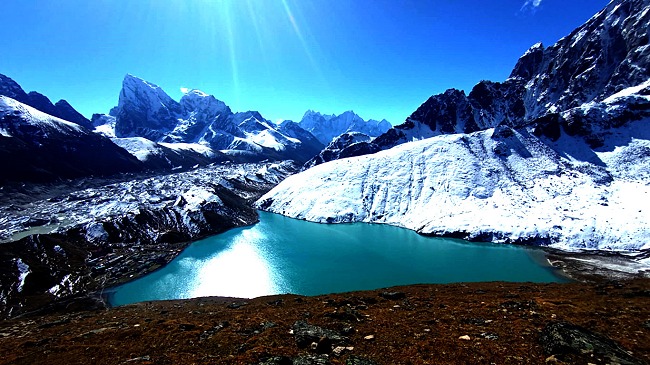 Everest Gokyo Ri Trek
  Everest Helicopter Tour with Cultural Heritage Visit
  Everest Mountain Flight
 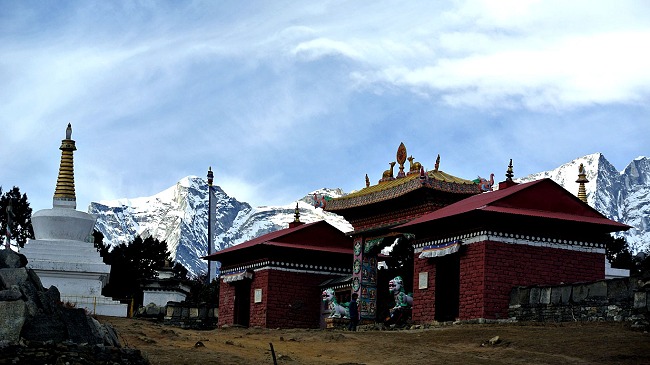 Everest Panorama Trek
 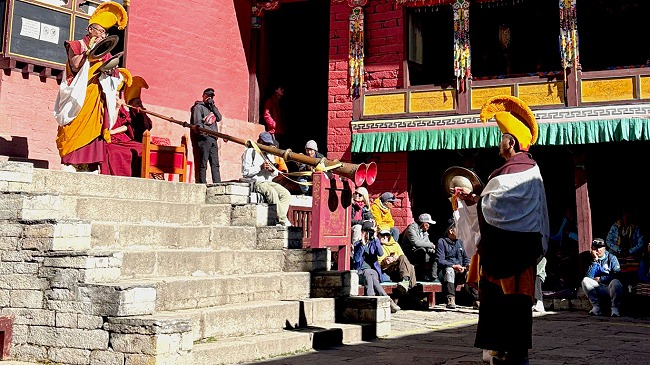 Everest Panorama Trek with Mani Rimdu Festival
 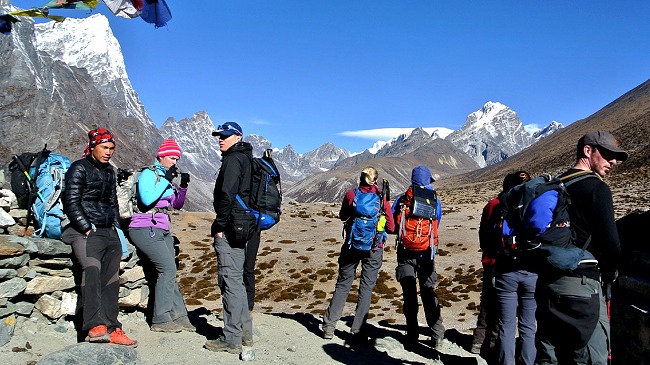 Everest Three Passes Trek
 This guide explains the ideal climbing months, what weather to expect, and how to plan around the seasons. Whether you're a beginner or a seasoned trekker, understanding the climate and trail conditions will help you prepare properly.
Why Timing Matters for Island Peak
Island Peak may be a trekking peak, but climbing it is still a serious challenge. The summit day includes glacier travel, steep snow and ice sections, and potential exposure to high-altitude sickness. Bad weather can make the route dangerous, especially near the summit ridge.
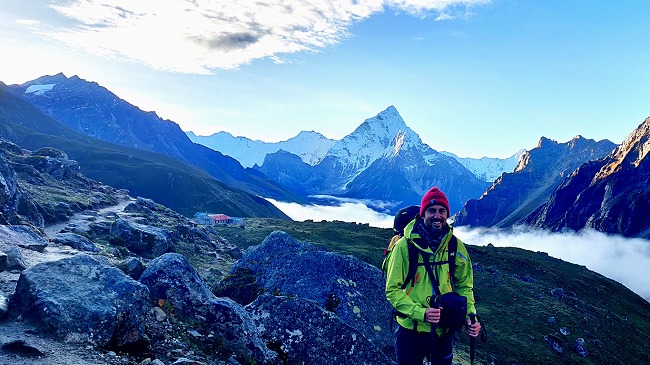
Climbing during the right season means better visibility, stable weather, and safer conditions. It can also improve your chances of reaching the summit and enjoying the incredible views of Lhotse, Ama Dablam, and the Everest range.
Highlights of Climbing Island Peak
Climbing Island Peak is not just about reaching the summit—it's also about experiencing the adventure and natural beauty of the Everest region.
Key Attractions and Highlights:
- Spectacular mountain views including Everest, Lhotse, Makalu, and Ama Dablam
- Scenic trekking routes through Sherpa villages, forests, and high-altitude valleys
- Cultural insights with visits to monasteries and traditional Himalayan settlements
- Glacier travel experience with fixed rope and crampon use near the summit
- Close-up views of glaciers and icefalls around Imja Valley
- Optional extension to Everest Base Camp or Gokyo Lakes
The combination of cultural immersion, physical challenge, and jaw-dropping views makes Island Peak a favorite among adventure seekers.
Best Seasons to Climb Island Peak
Spring Season (March to May)
Spring is one of the most popular seasons for climbing Island Peak. The weather is relatively stable, with longer days and blooming rhododendrons along the lower trails. Snow on the summit is manageable, and skies are usually clear.
Pros:
- Stable and dry weather
- Clear views of surrounding peaks
- Ideal for combining with Everest Base Camp trek
Cons:
- Popular time means busier trails
- Temperatures still drop significantly at night
Autumn Season (September to November)
Autumn is the second prime season for Island Peak climbs. After the monsoon, the skies clear up, and temperatures are cool but not too harsh. The air is crisp, and visibility is at its best.
Pros:
- Excellent mountain views
- Dry trails and safer summit conditions
- Fewer clouds and strong sunlight during the day
Cons:
- Can be crowded during October
- Nights are colder than in spring
Winter Season (December to February)
Climbing in winter is possible but only for experienced climbers. The temperatures are extremely low, especially at night and early morning. Snow and ice make the summit approach more technical.
Pros:
- Solitude on the trail
- Incredible clear skies
Cons:
- Very cold temperatures
- Ice buildup on summit ridge
- Some tea houses may be closed
Monsoon Season (June to August)
Monsoon is not recommended for Island Peak climbing. The trails are muddy and slippery, and clouds block views. More importantly, the summit route can be dangerous due to heavy snow and poor visibility.
Pros:
- Lush greenery at lower altitudes
Cons:
- Unpredictable weather
- High risk of landslides and avalanches
- Wet gear and poor trail conditions
What to Expect in Each Season
Spring: Friendly weather, warmer valleys, rhododendron blooms, busy routes
Autumn: Perfect views, dry trails, crisp air, colder nights
Winter: Quiet paths, high-altitude challenges, fewer services
Monsoon: Dense clouds, wet conditions, poor logistics
How to Prepare Based on Season
For Spring & Autumn:
- Book flights and lodges early
- Bring layered clothing for changing temps
- Use glacier glasses for snow glare
For Winter:
- Train for cold exposure and load carrying
- Carry extra down gear and ice protection
- Hire an experienced winter climbing guide
For Monsoon (Not Advised):
- If you must go, use waterproof bags and gear
- Check weather updates daily
- Be ready to delay or cancel climbs
Tips for Choosing the Right Season
New Climbers: Stick with Spring or Autumn
Photo Lovers: Autumn has the clearest skies
Budget Travelers: Consider late November or early December
Adventure Seekers: Winter offers solitude but higher risks
Island Peak Climbing Itinerary (Typical 18 Days)
Day 1 : Arrival at the Tribhuvan International Airport. Transfer to Hotel stay a night.
Day 2 : Fly to Lukla and trek to Phakding.Lodge in Phakding.
Day 3 : Trek from Phakding to Namche Bazaar. Lodge in Namche Bazaar.
Day 4 : Acclimatization day in Namche Bazaar. Lodge in Namche Bazaar.
Day 5 : Trek from Namche Bazaar to Tengboche. Lodge in Tengboche.
Day 6 : Trek from Tengboche to Dingboche. Lodge in Dingboche.
Day 7 : Acclimatization day in Dingboche. Acclimatization day in Dingboche. Hike to a nearby viewpoint above Dingboche for better altitude adjustment. You can enjoy views of Island Peak, Ama Dablam, Lhotse and the surrounding valleys.
Day 8 : Trek from Dingboche to Lobuche. Lodge in Lobuche.
Day 9 : Trek from Lobuche to Gorak Shep and visit Everest Base Camp. Lodge in Gorak Shep.
Day 10 : Hike to Kalapatthar and trek to Dingboche. Lodge in Dingboche.
Day 11 : Trek from Dingboche to Chhukung. Lodge in Chhukung
Day 12 : Trek from Chhukung to Island Peak Base Camp. Tented Camp at Island Peak Base Camp.
Day 13 : Summit Island Peak and return to Chhukung. Lodge in Chhukung
Day 14 : Trek from Chhukung to Tengboche. Lodge in Tengboche.
Day 15 : Trek from Tengboche to Namche Bazaar. Lodge in Namche Bazaar.
Day 16 : Trek from Namche Bazaar to Lukla. Lodge in Lukla.
Day 17 : Fly from Lukla to Kathmandu. Hotel stay in Kathmandu.
Climbing Island Peak is a thrilling introduction to Himalayan mountaineering. To improve your chances of a safe and successful summit, choose your season carefully. Spring and Autumn remain the most reliable windows for great weather and scenic views. Winter is best left to seasoned climbers, and monsoon is only for the extremely adventurous.
By planning your trip around the best time to climb, you’ll have a better shot at not just reaching the summit, but truly enjoying the journey through the Everest region.