
The best time for the Pikey Peak Trek is October to December and March to May, when skies are clearest and Everest views are most reliable. Because Pikey Peak sits at a relatively low 4,065m compared to other Everest-region trekking destinations, it's one of the few Himalayan treks that stays genuinely walkable across three seasons — autumn, winter, and spring. Here's how each one actually feels on the trail.
Hand-picked itineraries
Recommended Trips
Related journeys you may want to explore after reading this article.

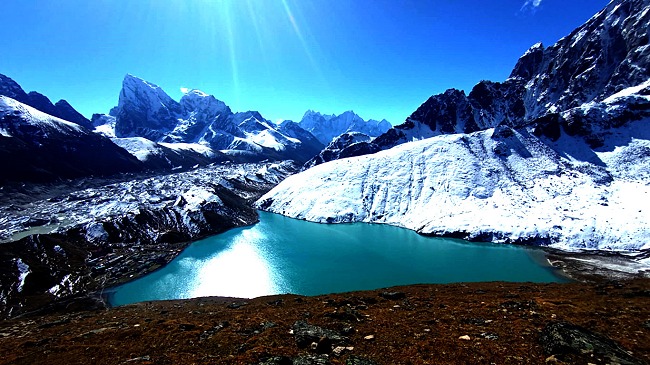
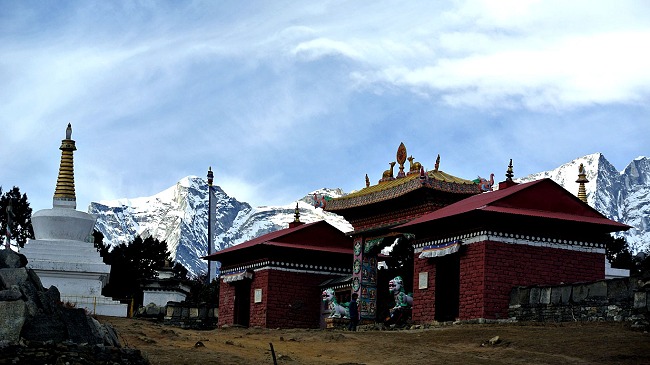
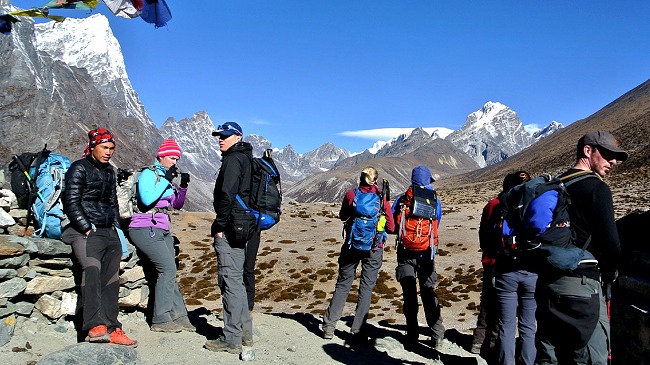
Autumn (September–December): The Most Reliable Season
Autumn is peak trekking season across Nepal, and Pikey Peak is no exception. Daytime temperatures on the trail sit comfortably between 15–20°C, dropping to around 0–5°C at night once you're above 3,000m. Skies are typically clear and dry, post-monsoon humidity has settled, and visibility toward Everest, Makalu, and Kanchenjunga is consistently excellent — especially in the early morning before afternoon cloud can build.
- Best months: October and November
- Trail conditions: Dry, firm, well-marked
- Sunrise summit visibility: Excellent, most mornings
- What to expect: Warm days, cold nights, occasional light frost at Pikey Base Camp
This is the season most trekking operators — including Peace Nepal Treks — recommend for first-time visitors who want the highest chance of a clear summit sunrise.
Spring (March–May): Rhododendrons and Warm Days
Spring brings a completely different character to the trek. The forests between Jhapre and Pikey Base Camp fill with blooming rhododendron — Nepal's national flower — turning entire hillsides pink, red, and white, usually peaking in late March through April. Days are mild and pleasant for walking, though afternoon haze can occasionally soften long-range mountain visibility compared to autumn's crisper air.
- Best months: March and April
- Trail conditions: Dry underfoot, forest sections lush and green
- Sunrise summit visibility: Very good, occasionally hazy by midday
- What to expect: Warmer nights than autumn, colorful forest trekking, blooming rhododendron
If photographing the trek itself — not just the summit view — is a priority, spring is arguably the more visually rewarding season.
Winter (December–February): Quiet, Cold, and Clear
Winter is Pikey Peak's best-kept secret. Because the trek's maximum altitude is relatively low, it remains fully accessible through winter, unlike higher routes such as Everest Base Camp or the Annapurna Circuit, where snow can close high passes. Days are short and cold — expect sub-zero nights at Pikey Base Camp — but skies are often at their driest and clearest of the year, and the trail is nearly empty of other trekkers.
- Best months: December and January (avoiding the coldest snaps in late January)
- Trail conditions: Cold, occasional light snow at higher elevations, generally dry underfoot
- Sunrise summit visibility: Often the year's best, thanks to dry winter air
- What to expect: Very few other trekkers, need for proper cold-weather gear (down jacket, insulated sleeping bag)
Winter suits trekkers who prioritize solitude and don't mind cold mornings in exchange for some of the sharpest mountain views of the year.
Monsoon (June–August): Avoid This Season
The monsoon brings heavy, unpredictable rainfall across Nepal's mid-hills, and Pikey Peak's forested lower sections are no exception. Trails become muddy and slippery, leeches are common in the rhododendron forest, and cloud cover regularly obscures the summit view — defeating the main purpose of the trek. Most trekking operators, including Peace Nepal Treks, don't recommend Pikey Peak between June and August.
Quick Reference: Pikey Peak Trek by Month
| Month | Conditions | Recommended? |
|---|---|---|
| Jan | Cold, clear, quiet | Yes |
| Feb | Cold, clear, transitional | Yes |
| Mar | Mild, rhododendron blooming | Yes — ideal |
| Apr | Warm, rhododendron peak | Yes — ideal |
| May | Warm, some pre-monsoon haze | Good |
| Jun | Wet, humid | Avoid |
| Jul | Wet, humid, leeches | Avoid |
| Aug | Wet, humid, leeches | Avoid |
| Sep | Drying out, improving visibility | Good |
| Oct | Clear, dry, peak season | Yes — ideal |
| Nov | Clear, dry, peak season | Yes — ideal |
| Dec | Cold, clear, quiet | Yes |
Ready to Book?
Peace Nepal Treks runs the Pikey Peak Trek year-round outside monsoon season, with departure dates tailored to autumn, winter, and spring conditions.
👉 View the Pikey Peak Trek itinerary, cost, and available dates
(Suggested images: a wide sunrise shot from the Pikey Peak summit in autumn/winter clear-sky conditions, paired with a spring shot of the trail through blooming rhododendron forest near Jhapre — the visual contrast reinforces the seasonal comparison for readers.)
Frequently Asked Questions
What is the best month for the Pikey Peak Trek? October and November offer the most consistently clear skies and best Everest visibility, followed closely by March and April.
Can you trek Pikey Peak in winter? Yes. Because Pikey Peak's maximum altitude is only 4,065m, the trek remains accessible through winter, offering cold but often exceptionally clear conditions with very few other trekkers.
Should I avoid the Pikey Peak Trek during monsoon? Yes. June to August brings heavy rain, muddy trails, leeches, and poor mountain visibility, making it the least suitable season for this trek.