
Altitude sickness is the most common reason trekkers don't complete a high-altitude journey in Nepal, and it's also one of the most preventable. Whether you're heading to Everest Base Camp, the Annapurna Circuit, or Gosaikunda Lake, understanding what altitude sickness is, how to recognize it early, and what to do if it develops can be the difference between a manageable inconvenience and a genuine emergency.
Hand-picked itineraries
Recommended Trips
Related journeys you may want to explore after reading this article.

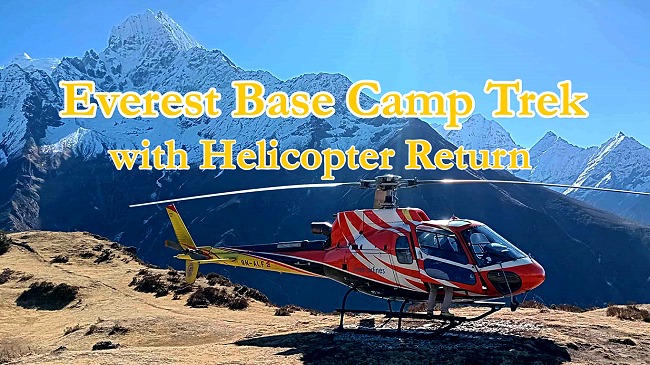
This guide covers the full picture: what causes altitude sickness, how to spot it by severity, how to prevent it, and exactly what to do if it happens on the trail.
What Is Altitude Sickness?
Altitude sickness, medically known as Acute Mountain Sickness (AMS), occurs when the body doesn't get enough time to adjust to reduced oxygen levels at higher elevations. Above roughly 2,400 meters (8,000 feet), the air holds progressively less oxygen per breath, and the body needs time, typically days, to adapt by producing more red blood cells and breathing more efficiently.
It isn't linked to fitness level. Marathon runners get AMS just as often as first-time trekkers; the biggest risk factors are how fast you ascend and how your individual body responds to altitude, which varies significantly and unpredictably from person to person.
Altitude Sickness Symptoms by Severity
| Severity | Symptoms | What It Means |
|---|---|---|
| Mild AMS | Headache, mild nausea, fatigue, dizziness, loss of appetite, difficulty sleeping | Common in the first 24–48 hours at a new altitude; usually resolves with rest |
| Moderate AMS | Worsening headache unrelieved by medication, vomiting, increasing fatigue, shortness of breath with mild exertion, reduced coordination | Do not ascend further; descend if symptoms don't improve with rest |
| Severe AMS / HACE (High Altitude Cerebral Edema) | Confusion, severe loss of coordination (ataxia), inability to walk in a straight line, irrational behavior, drowsiness, loss of consciousness | Medical emergency; immediate descent required |
| HAPE (High Altitude Pulmonary Edema) | Persistent cough, extreme breathlessness even at rest, chest tightness, gurgling or crackling breath sounds, blue-tinged lips or fingertips, extreme fatigue | Medical emergency; immediate descent required |
HACE and HAPE can develop separately or together and can become life-threatening within hours if not treated. Both require immediate descent, no medication is a substitute for losing elevation when these symptoms appear.
What Causes Altitude Sickness
| Risk Factor | Why It Matters |
|---|---|
| Rate of ascent | The single biggest factor; climbing too fast gives the body no time to adapt |
| Sleeping altitude | Symptoms are more closely tied to sleeping elevation than daytime elevation |
| Dehydration | Thickens the effects of reduced oxygen and worsens headaches and fatigue |
| Alcohol and sedatives | Suppress breathing rate, working directly against acclimatization |
| Individual physiology | Some people are simply more susceptible regardless of fitness or prior experience |
| Previous history of AMS | Having had AMS before increases the likelihood of experiencing it again |
| Exertion at altitude | Overexertion in the first days at a new elevation increases risk |
How to Prevent Altitude Sickness
Acclimatization Guidelines
| Elevation | Recommended Practice |
|---|---|
| Above 3,000m | Increase sleeping altitude by no more than 300–500m per day |
| Every 3–4 days of ascent | Take a full rest/acclimatization day |
| On rest days | "Climb high, sleep low": hike higher during the day, return to sleep at a lower point |
| Any altitude | Never knowingly sleep at a higher elevation while experiencing worsening symptoms |
Daily Prevention Checklist
| Category | Action |
|---|---|
| Hydration | Drink 3–4 liters of water daily; dehydration mimics and worsens AMS symptoms |
| Nutrition | Eat regularly, prioritize carbohydrates, even with reduced appetite |
| Alcohol | Avoid entirely during ascent |
| Sleep aids | Avoid sedative sleeping pills, which suppress breathing |
| Pace | Walk slowly and steadily; rushing increases oxygen demand unnecessarily |
| Rest | Get 7–8 hours of sleep and rest when your body signals fatigue |
| Guide support | Trek with an experienced guide trained to recognize early AMS symptoms |
| Insurance | Confirm your policy covers high-altitude trekking and helicopter evacuation |
Diamox (Acetazolamide): What You Need to Know
Diamox is the most commonly used medication for AMS prevention and treatment. It works by mildly acidifying the blood, which stimulates deeper, more frequent breathing and speeds up the body's natural acclimatization process.
| Consideration | Details |
|---|---|
| How it works | Acidifies the blood slightly, prompting increased respiration and faster oxygen uptake |
| Typical use | Often started a day or two before ascending and continued for several days at altitude, exact protocols vary by individual |
| What it is not | Not a substitute for acclimatization, hydration, or slow ascent, it supports these practices, it doesn't replace them |
| Common side effects | Tingling in fingers/toes, increased urination, mild taste changes; usually temporary |
| Who should avoid it | People with sulfa allergies, and those with certain kidney or liver conditions, without medical guidance |
| Before your trip | Always consult a doctor to confirm suitability and get a prescription; don't rely on trail availability |
What to Do If Symptoms Appear: A Step-by-Step Response
| Step | Action |
|---|---|
| 1 | Stop ascending immediately, do not go higher while symptoms are present |
| 2 | Rest at your current altitude and monitor whether symptoms improve or worsen |
| 3 | Hydrate and eat something light, even without much appetite |
| 4 | If mild symptoms don't improve within 24 hours, or worsen at any point, descend |
| 5 | For moderate to severe symptoms (persistent vomiting, ataxia, confusion, breathlessness at rest), descend immediately, don't wait for morning |
| 6 | If HACE or HAPE symptoms appear, treat as a medical emergency: descend as quickly and safely as possible and arrange evacuation |
| 7 | Portable hyperbaric bags (Gamow bags) can temporarily stabilize a patient for evacuation but are not a substitute for descent |
| 8 | Contact your travel insurance provider and trekking agency immediately for evacuation coordination |
Treatment Options at a Glance
| Situation | Treatment |
|---|---|
| Mild AMS | Rest at current altitude, hydrate, over-the-counter pain relief for headache, do not ascend until symptoms resolve |
| Moderate AMS | Descend 300–500m minimum, rest until fully recovered before considering re-ascent |
| Severe AMS / HACE / HAPE | Immediate descent, supplemental oxygen if available, portable hyperbaric bag if descent is delayed, helicopter evacuation |
| Any severity | Diamox can support treatment but never replaces descent for moderate to severe cases |
The single most important rule in altitude sickness management: descent is the only guaranteed treatment for worsening symptoms. No medication, oxygen canister, or hyperbaric bag replaces getting to lower elevation when HACE or HAPE symptoms are present.
Common AMS Myths, Corrected
| Myth | Reality |
|---|---|
| "I'm fit, so I won't get altitude sickness." | Fitness level has little bearing on AMS susceptibility |
| "Diamox prevents altitude sickness completely." | It supports acclimatization but doesn't eliminate risk |
| "Mild symptoms always go away on their own." | They often do with rest, but worsening symptoms require descent, not waiting it out |
| "I didn't get AMS last time, so I won't this time." | Susceptibility can vary between trips depending on pace, hydration, and other factors |
| "Oxygen canisters solve the problem." | They provide temporary relief but don't treat the underlying cause, descent still required |
Where Altitude Sickness Risk Is Highest in Nepal
| Trek/Region | Highest Point | Risk Level |
|---|---|---|
| Everest Base Camp Trek | 5,545m (Kala Patthar) | High, standard itineraries include built-in acclimatization days |
| Annapurna Circuit | 5,416m (Thorong La Pass) | High, particularly around the pass crossing |
| Gosaikunda Lake Trek | 4,380m | Moderate to high, especially for rushed itineraries |
| Annapurna Base Camp | 4,130m | Moderate |
| Langtang Valley Trek | 4,984m (Kyanjin Ri) | Moderate to high |
| Poon Hill Trek | 3,210m | Low to moderate |
Trek Nepal With a Properly Paced, Safety-First Itinerary
The best defense against altitude sickness starts with the itinerary itself. At Peace Nepal Treks, our high-altitude routes are built with proper acclimatization days, experienced guides trained to monitor for AMS symptoms, and the flexibility to adjust pacing when needed, because reaching your destination safely always matters more than reaching it quickly.
Explore our Everest Base Camp Trek itinerary for a full breakdown of acclimatization days and route pacing, or get in touch with our team to discuss altitude preparation for your specific trek.
This article is for general informational purposes and isn't a substitute for professional medical advice. Consult a doctor before your trip, particularly regarding Diamox or any pre-existing health conditions, and seek immediate medical attention for any symptoms of HACE or HAPE.