
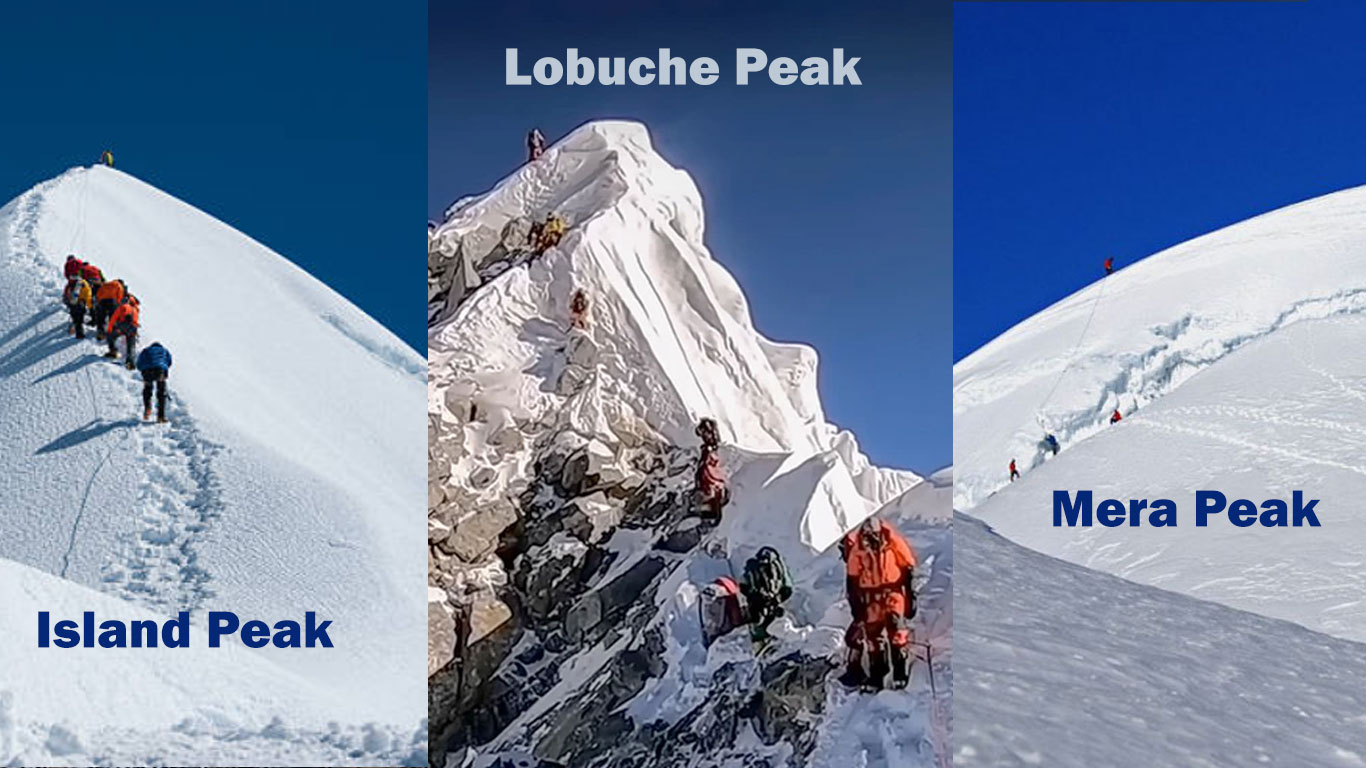
Nestled in the heart of Nepal's Khumbu region, Lobuche Peak offers one of the most rewarding yet accessible Himalayan climbing experiences. With an elevation of 6,119 meters (20,075 feet), it is classified as a trekking peak by the Nepal Mountaineering Association (NMA), making it a favorite among adventure seekers aiming to combine trekking with alpine climbing.
Among all seasons, April and May stand out as the best time to climb Lobuche Peak. This period not only promises the most stable weather but also coincides with the spring climbing season in the Himalayas — making it an ideal window for summit attempts.
Why Choose April and May for Lobuche Peak Climbing?
Optimal Weather Conditions
April and May fall under Nepal’s pre-monsoon spring season, characterized by:
Clear skies
Mild daytime temperatures
Stable weather patterns
Minimal snowfall at lower altitudes
These conditions greatly reduce the risk of weather-related delays and improve visibility for panoramic Himalayan views, including Mount Everest, Lhotse, Nuptse, Ama Dablam, and Pumori.
Safer and More Manageable Routes
The Lobuche East route, which is the standard climbing route, is less icy and more stable in spring. The snow conditions are compact and predictable, making it:
Easier to set up fixed ropes
Safer for crampon and ice axe use
Less avalanche-prone
Peak Season Infrastructure
Since April and May are popular trekking and climbing months, you can expect:
Well-maintained trails
Open teahouses and lodges
Experienced guides and support staff availability
Shared logistics with Everest Base Camp trekkers
This makes the expedition smoother, with better options for acclimatization, lodging, and emergency services.
Lobuche Peak Climbing Route Overview
The typical itinerary for climbing Lobuche Peak in spring includes:
Arrival in Kathmandu
Flight to Lukla
Trek through Phakding – Namche Bazaar – Tengboche – Dingboche
Acclimatization in Dingboche
Arrival at Lobuche Base Camp (4,950m)
Climb to High Camp (~5,400m)
Summit Push and Return to Base Camp
Trek back to Lukla and fly to Kathmandu
This journey takes around 17–20 days, depending on weather, fitness, and acclimatization.
Essential Gear Checklist for Spring Climbers
Climbers attempting Lobuche in April and May should carry gear suited for alpine climbing in moderate conditions:
Climbing Helmet, Harness, Carabiners
Crampons and Ice Axe
Mountaineering Boots (Double-layer recommended)
Down Jacket (800-fill or higher)
Four-season Sleeping Bag
Layered Clothing System (Base, Mid, Insulation, Shell)
Glacier Sunglasses and Sunscreen
Trekking Poles and Headlamp
First Aid Kit and Altitude Meds
Fitness and Training for Lobuche Peak
While Lobuche is considered a non-technical trekking peak, the summit day is physically demanding and involves:
Steep ice/snow slopes up to 45 degrees
Use of fixed lines and basic mountaineering skills
8–12 hours of continuous climbing
Recommended Training Includes:
Cardio conditioning (running, stair climbing, cycling)
Strength training (especially legs and core)
Hiking with weighted backpacks
Altitude acclimatization or simulation (if possible)
Permits and Regulations
Climbing Lobuche Peak requires:
Lobuche Peak Climbing Permit (via NMA)
Sagarmatha National Park Entry Permit
Khumbu Pasang Lhamu Rural Municipality Fee
All permits are easily arranged through a licensed trekking agency in Nepal, which also provides logistical support, guides, porters, and equipment.
Accommodation and Meals on the Trail
During April and May, teahouse trekking is fully operational:
Teahouses offer: Beds, hot meals, boiled water, charging stations
Menu includes: Dal Bhat, noodles, pasta, eggs, porridge, and tea/coffee
At Base Camp: Full board service with tents and kitchen staff
Altitude Sickness: What to Watch For
Climbing above 5,000 meters comes with the risk of Acute Mountain Sickness (AMS). Common symptoms include:
Headache
Dizziness
Nausea
Loss of appetite
Fatigue
Preventive Measures:
Ascend slowly and acclimatize properly
Stay hydrated
Avoid alcohol and smoking
Carry Diamox or other altitude meds
Guides monitor symptoms and can facilitate descent or emergency evacuation if necessary.
Why April and May Are Ideal for Lobuche Peak Climbing
If you're planning to experience high-altitude mountaineering without venturing into the technical extremities of the world's tallest peaks, Lobuche Peak in April and May offers the perfect balance of challenge, scenery, and safety. With reliable weather, open infrastructure, and breathtaking Himalayan views, this period stands out as the peak climbing season in Nepal.
Ready to conquer Lobuche Peak this spring?
Connect with Peace Nepal Treks - a certified Nepalese climbing operator today to plan your fully supported expedition. Whether you’re a seasoned trekker or an aspiring mountaineer, your Himalayan adventure awaits!