
Taking the Amadablam expedition is one of the best ways to experience the beauty of the Himalayas. It is a trek that takes you through the beautiful mountains of Nepal and allows you to see the culture of the Sherpa people. The trip is a once-in-a-lifetime experience, so it is important to plan well. However, the costs of the expedition can be quite high, especially for first-time trekkers. Luckily, there are several tips to keep in mind when planning your trek.
Hand-picked itineraries
Recommended Trips
Related journeys you may want to explore after reading this article.


Amadablam Expedition Itinerary
Hundreds of climbers every year have dreamed of climbing Ama Dablam, one of the most coveted peaks in the Himalayas. It is one of the most technically demanding summits in the world. It requires steep rock and ice climbing as well as technical skills.
The summit of Ama Dablam offers unrivaled views of several 8000-meter peaks. These include Everest, Makalu, Lhotse, Baruntse, and Cho Oyu.
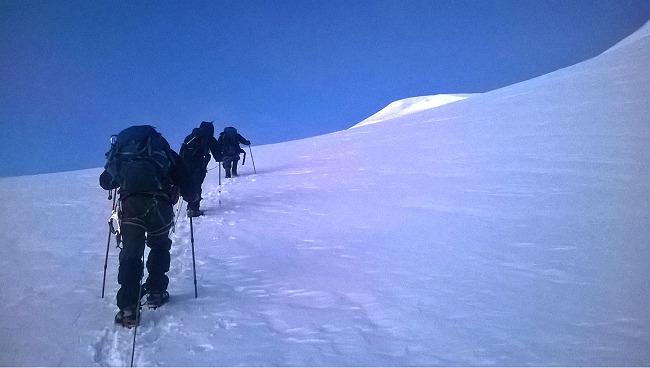
The climb to Ama Dablam is technically challenging and requires strong climbers and reliable Sherpas. It takes about 15 days to finish the trek. The trek starts from Lukla, the gateway to the Khumbu region. The trek then passes through many Sherpa villages and passes along the Dudh Koshi River.
The trek leads to the Khumbu region's tourist hub, Namche Bazaar. It then passes through the villages of Pangboche, Jiri, and Sallari. The trek then goes back and forth from Yak Camp to Base Camp, to acclimatize to the altitude.
Expedition Cost
Among the most stunning mountaineering peaks in the world, Ama Dablam stands tall at 6,812 m. This is also one of the world's most technical summit climbs. With its imposing altitude, extreme weather conditions, compact ice, and steep parts of the route, Ama Dablam is a true test of endurance and technical climbing skills.
Ama Dablam is located in the Khumbu region of Nepal. This region is home to several Himalayan peaks, including Everest, Lhotse, and Cho Oyu. The mountain has close views of all these peaks, making it one of the most desirable mountains in the Himalayas.
Ama Dablam expedition is one of the most popular climbing expeditions in Nepal. The trip includes stunning views of the Himalayas as well as technical climbing. It involves trekking to base camp, climbing Ama Dablam, walking through villages, and exploring the cultural heritage of the area.
Ama Dablam expedition is suitable for climbers with previous climbing experience. Ama Dablam is one of the best peaks in the Himalayas for technical climbing.
Climbing skills required
Getting ready for a climb on Ama Dablam requires a few skills. You need to have experience in high-altitude climbing, ice climbing, and rock climbing. You also need to be comfortable with fixed line ropes and jumaring.
Ama Dablam is an imposing mountain that attracts challenge-seeking alpine lovers. It is located in the Khumbu region of Nepal. The peak rises to 6812 meters. Its height gives it close views of Mt. Everest, Makalu, and Cho Oyu.
Climbing the mountain requires an exceptional level of endurance and strength. Mountain climbers need to be able to jumaring, scramble, and descending on fixed ropes.
In addition to these skills, you must have the right equipment for the expedition. Proper equipment includes crampons and ice axes. You must also be prepared for extreme weather. You will be hiking up and down rocky and snowy slopes for a long period of time.
Sherpa culture
Often referred to as the 'Matterhorn of the Himalayas', Ama Dablam is a majestic mountain in the Khumbu region. Located near Everest, Ama Dablam offers breathtaking views of Mt. Everest, Makalu, Nuptse, Baruntse, and Cho Oyu. The climb is challenging and requires a high level of technical skills.
In addition to a climbing permit, an Ama Dablam expedition costs $3,500. This includes flight costs, accommodation, a high-altitude chef, a Sherpa guide, and a porter. You will also have access to an emergency bottled oxygen cylinder and regulator at the base camp. The expedition also includes a helicopter rescue provision, daily Nepali staff wages, and kitchen equipment.
The Sherpa people are an ethnic group living in the northeast of Nepal. Most Sherpa work in agriculture or tourism. They carry loads on high-altitude expeditions, set up camps, and ferry loads to higher camps. They are considered elite mountaineers. They take great pride in their mountaineering heritage.