Gai Jatra Festival in Nepal – Where Remembrance Meets Joy
Nepal is a land of contrasts—towering peaks and fertile valleys, deep spirituality and vibrant street life, sacred rituals and playful laughter. Nowhere is this contrast more beautifully expressed than in Gai Jatra, a centuries-old festival that turns grief into celebration and mourning into community solidarity.
Hand-picked itineraries
Recommended Trips
Related journeys you may want to explore after reading this article.


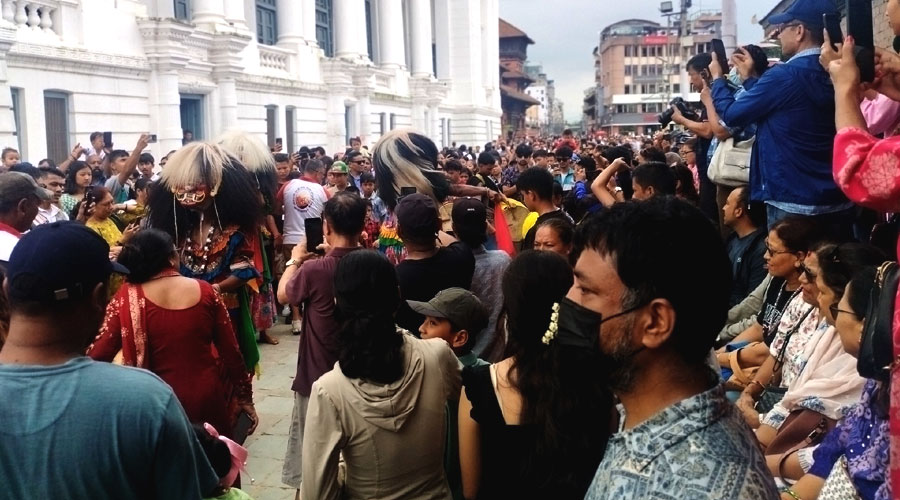
Known as the “Cow Festival”, Gai Jatra fills the streets of the Kathmandu Valley each year with processions of families honoring loved ones who have passed away. At the same time, the event explodes with satire, comedy, music, and dance. It’s an extraordinary blending of emotions, showing how Nepalese culture confronts the universal experience of loss—with courage, compassion, and humor.
This in-depth guide covers everything you need to know about Gai Jatra—from its history and symbolism to the best times to see it, how it’s celebrated in different cities, travel tips, and frequently asked questions.
What is Gai Jatra?
Gai Jatra, literally “Cow Festival” in Nepali, is a centuries-old tradition observed mainly by the Newar community in the Kathmandu Valley.
Purpose: To honor and remember those who have died in the past year.
Main Symbol: The cow (gai), considered sacred in Hinduism and a guide for souls to the afterlife.
Key Feature: The combination of solemn remembrance with public humor, satire, and cultural performances.
While rooted in Hindu beliefs, the festival is embraced across different faiths and is now a prominent cultural event in Nepal.
The Historical Origins of Gai Jatra
The origins of Gai Jatra are traced to the 17th century, during the reign of King Pratap Malla of Kathmandu.
The Legend of the Queen’s Grief
After the death of one of the royal sons, the queen was overcome with sorrow. King Pratap Malla tried everything to console her, but nothing worked. He realized that her grief came not only from loss but also from feeling isolated in her suffering.
The king then decreed that every family who had lost someone in the past year should join a public procession, bringing along a cow or a child dressed as one. The idea was to show the queen that grief was a shared human experience—and that many families bore the same pain.
From Mourning to Satire
The king also encouraged humor and satire during the event, believing that laughter could lighten even the heaviest sorrow. Over time, Gai Jatra became a blend of memorial, social commentary, and carnival-like entertainment.
The Symbolism of the Cow
In Hindu belief, the cow is not just a gentle animal—it’s a spiritual companion.
Holy Symbol: Associated with purity, fertility, and the goddess Lakshmi.
Guide for Souls: Said to help the departed cross the Baitarni, a mythical river to the afterlife.
Child Representation: If no cow is available, a child dressed as a cow fulfills the same role, symbolizing innocence and spiritual guidance.
When is Gai Jatra Celebrated?
Gai Jatra takes place on the first day of the waning moon in the month of Bhadra (August–September) in the Nepali lunar calendar.
While the exact Gregorian date changes each year, it usually falls in late August or early September.
Best Viewing Times:
Morning (8 AM – 11 AM) – Processions start in the city centers.
Afternoon (12 PM – 3 PM) – Costumes, music, and satirical acts fill the streets.
Evening (4 PM onward) – Street performances, comedy shows, and public gatherings.
Where is Gai Jatra Celebrated?
Although Gai Jatra is observed in different parts of Nepal, the most elaborate celebrations are in the Kathmandu Valley, each with its own flavor:
Kathmandu City
Focuses heavily on satirical performances and political humor.
Street comedians and actors openly mock social and political leaders—a freedom unique to this festival.
Bhaktapur
Known for grand processions, intricate costumes, and traditional music.
Houses are decorated with flowers and traditional Newari art.
Lalitpur (Patan)
Blends ritual prayers with community dance performances.
Highlights Newari cultural traditions with music and feasts.
How Gai Jatra is Celebrated
The celebrations are both spiritual and theatrical, with the entire city turning into a stage.
The Procession
Families who lost someone in the past year lead a cow or child dressed as a cow.
Colorful Costumes & Masks
Children wear cow horns, bells, and painted faces.
Traditional masks represent deities, demons, and animals.
Street Performances & Satire
Comedians, musicians, and actors perform short plays.
Satirical sketches address political and social issues—often with fearless humor.
Music & Dance
Newari drums (dhime) and traditional flutes fill the air.
Folk dances draw crowds, especially in Bhaktapur’s main square.
Sharing Food & Sweets
Homes offer fruits, sweets, and Newari delicacies to visitors.
Popular treats include bara (lentil patties), yomari (sweet dumplings), and sel roti (sweet rice bread).
Cultural Significance
Gai Jatra’s importance goes beyond the colorful processions.
Collective Healing – Helps families cope with grief in a supportive environment.
Freedom of Speech – Provides a rare public platform for open criticism of leaders and institutions.
Cultural Preservation – Keeps traditional Newari music, costumes, and dances alive.
Tourism – Attracts both domestic and international visitors, boosting local economies.
Gai Jatra in Modern Times
In today’s world, Gai Jatra has embraced technology and media:
Comedy shows are broadcast on television during the festival.
Social media spreads satirical content inspired by Gai Jatra.
Costumes sometimes reference global pop culture, blending modern humor with tradition.
While modernization has added new elements, the festival’s core essence of remembrance and joy remains unchanged.
Best Time to Visit for Gai Jatra
If you’re planning to attend, aim for:
Early Morning: See the first processions in less crowded streets.
Late Morning to Afternoon: Watch costumed parades and music.
Evening: Enjoy satirical performances and comedy shows.
For photographers, 10 AM – 2 PM offers the best lighting for street shots.
Travel Itinerary for Gai Jatra
Day Before the Festival
Arrive in Kathmandu or Bhaktapur.
Visit the main Durbar Square to scout photography spots.
Learn basic Newari greetings (Jwojalapa) to connect with locals.
Festival Day
Morning: Follow the cow processions in Kathmandu or Bhaktapur.
Midday: Sample street food and photograph performers.
Afternoon: Watch street theatre and satire shows.
Evening: Join public gatherings in main squares.
Day After
Visit Patan to see smaller-scale celebrations.
Explore local museums to deepen your understanding of Newari culture.
Tips for Travelers
Respect Grieving Families: Remember the festival’s sacred roots.
Ask Before Photographing Close-Ups: Especially of costumed children.
Bring Cash: Many local vendors don’t accept cards.
Wear Comfortable Shoes: You’ll walk extensively.
Be Patient: Streets can be crowded, and processions move slowly.
FAQs about Gai Jatra
What does “Gai Jatra” mean?
It means “Cow Festival” in Nepali, with the cow as a guide for souls in Hindu tradition.
How old is Gai Jatra?
It dates back over 300 years to the reign of King Pratap Malla in the 17th century.
Is Gai Jatra only a Hindu festival?
While rooted in Hindu beliefs, it’s celebrated widely in the Kathmandu Valley by different communities.
Can tourists join the procession?
Tourists are welcome to watch and photograph, but participation in the cow-led procession is generally for bereaved families.
How long does Gai Jatra last?
The main day is a single day, but related performances can continue for several days afterward.
Is it a sad or happy festival?
It’s both—mourning is balanced with humor, satire, and public celebration.
Gai Jatra is one of Nepal’s most emotionally rich and culturally vibrant festivals. It transforms city streets into spaces where laughter and tears coexist, where costumes and music mingle with heartfelt remembrance.
Whether you’re a traveler seeking cultural depth or a local honoring tradition, Gai Jatra offers an unforgettable experience—one that reveals the resilience of the human spirit and the warmth of Nepali community life.
If you visit Nepal in late summer, don’t miss the chance to witness this rare blend of sacred ritual, public comedy, and shared humanity.