
Mount Everest stands as the highest mountain on Earth at 8,848.86 meters. Reaching its summit remains one of the most ambitious goals in mountaineering. Every year climbers from around the world travel to Nepal to attempt this legendary climb. Before starting the journey, one question always comes first: how much does an Everest expedition cost?
Hand-picked itineraries
Recommended Trips
Related journeys you may want to explore after reading this article.

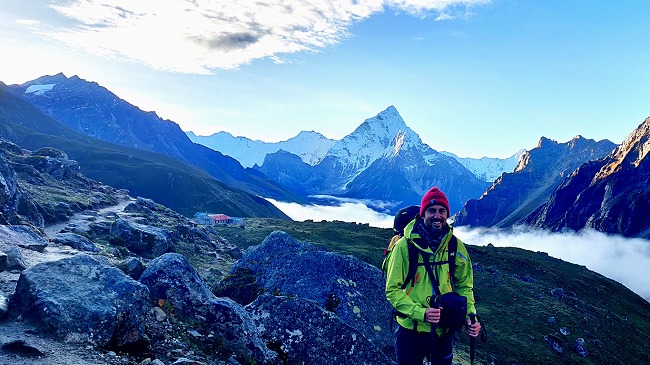
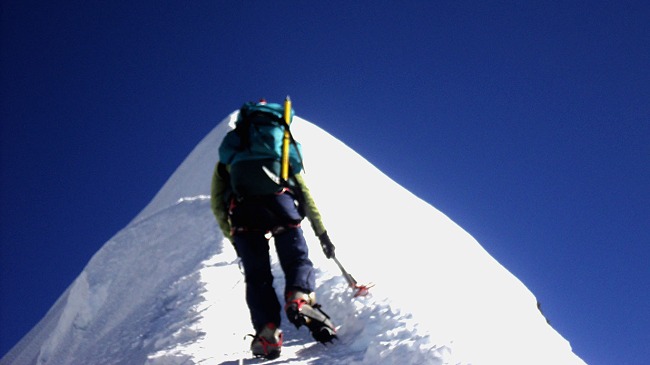
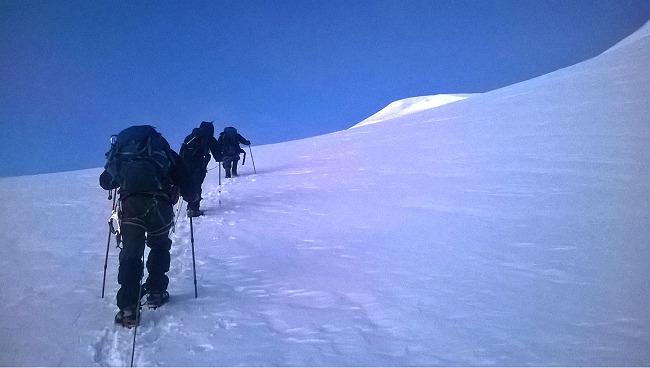
The reality surprises many climbers. Everest climbing requires months of preparation, a large team of professionals, specialized equipment, and complex logistics in one of the most extreme environments on the planet. By 2026, the total Everest expedition cost typically ranges from $45,000 to $100,000 or more, depending on the level of support and services provided.
Peace Nepal Treks organizes professionally guided Everest expeditions with experienced Sherpa climbers, strong logistics, and full expedition management. Understanding where the money goes helps climbers plan their budget and choose the right expedition style.
This guide explains the complete Everest expedition cost breakdown for 2026 and what climbers actually pay during the climb.
Total Everest Expedition Cost in 2026
The cost of climbing Everest varies based on service level and expedition operator. Most climbers fall into one of three categories.
Budget Expedition
$40,000 – $50,000 per climber
Standard Expedition
$50,000 – $70,000 per climber
Premium Expedition
$75,000 – $100,000+ per climber
Lower prices usually mean fewer services and higher personal responsibility for logistics. Higher prices include additional safety support, experienced guides, better equipment, and improved base camp facilities.
Everest Climbing Permit Fee
The largest fixed cost for any Everest expedition is the government climbing permit issued by the Department of Tourism of Nepal.
For 2026, the spring season Everest climbing permit costs $15,000 per climber.
Spring remains the main climbing season because of stable weather conditions and predictable summit windows.
Permit costs by season:
• Spring expedition permit: $15,000
• Autumn expedition permit: about $7,500
• Winter and monsoon permits: about $3,750
Most expeditions take place during spring, so the majority of climbers pay the full permit cost.
Additional government fees include:
• Environmental fee
• Liaison officer expenses
• Garbage deposit
Estimated government-related cost:
$15,000 – $18,000
Expedition Logistics and Operator Fees
The expedition operator manages the majority of logistics required to climb Everest. Without proper support teams, reaching the summit becomes extremely difficult.
Peace Nepal Treks provides full expedition organization that includes permits, route management, climbing infrastructure, and base camp support.
Typical services included in an expedition package:
• Everest climbing permit processing
• Base camp logistics and accommodation
• Transportation of climbing gear
• Route fixing coordination
• High-altitude camp setup
• Communication systems
• Expedition management team
Depending on the level of service, the expedition package cost usually falls between:
$30,000 – $60,000
Premium packages with international guides, advanced safety support, and luxury base camps can exceed $80,000.
Sherpa Guides and Climbing Support
Sherpa climbers remain the backbone of Everest expeditions. Their experience, strength, and mountain knowledge make the climb possible for most international climbers.
Sherpa support includes:
• Climbing Sherpa guide for each climber
• Rope fixing teams
• Load carrying between camps
• Summit support
Sherpa climbers also help establish high camps, transport oxygen cylinders, and guide climbers during the summit push.
Sherpa costs include:
• Wages
• Insurance coverage
• Expedition bonuses
• Equipment
Estimated Sherpa support cost:
$5,000 – $10,000
Oxygen Systems and High Altitude Equipment
Above 8,000 meters lies the “death zone,” where oxygen levels become extremely low. Most Everest climbers rely on supplemental oxygen during the summit attempt.
Oxygen logistics include:
• Oxygen cylinders
• Masks and regulators
• Oxygen transport to high camps
A typical climber uses four to six oxygen bottles during the summit push.
Estimated oxygen system cost:
$3,000 – $6,000
Additional high-altitude equipment may include:
• Down suits
• High altitude boots
• Ice axes and crampons
• Climbing harness
• Headlamps and technical gear
Equipment costs can reach:
$5,000 – $10,000
Base Camp Life and Expedition Supplies
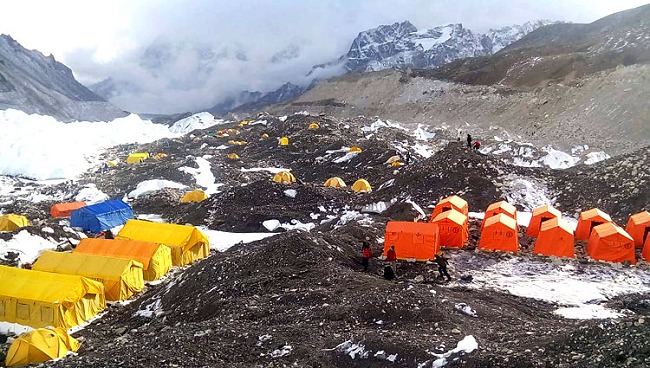
Everest Base Camp functions as a temporary village for nearly two months during the climbing season. Expedition teams must transport large amounts of equipment and supplies to support climbers during this period.
Base camp logistics include:
• Tents and sleeping facilities
• Dining tents and kitchen setup
• Satellite communication
• Electricity and charging stations
• Food supplies for several weeks
Climbers eat thousands of calories per day to maintain strength in high altitude conditions.
Estimated base camp logistics cost:
$3,000 – $5,000
Transportation and Travel Costs
Getting to Everest Base Camp also involves several travel expenses.
Typical travel costs include:
International flights to Kathmandu
$800 – $1,500
Kathmandu hotel accommodation before expedition
$200 – $500
Flight to Lukla
$200 – $400
Cargo transport for expedition equipment
$500 – $1,000
Estimated transportation cost:
$1,500 – $3,000
Insurance and Emergency Rescue
Climbing Everest carries serious risks, so insurance coverage becomes essential. Climbers must purchase insurance policies that include high-altitude rescue coverage.
Insurance may include:
• Helicopter evacuation
• Medical treatment
• Trip cancellation coverage
Estimated insurance cost:
$500 – $1,500
Personal Expenses During the Expedition
During the expedition, climbers may have additional personal costs.
Common extra expenses include:
• Satellite internet at base camp
• Battery charging services
• Snacks and personal supplies
• Summit bonuses for Sherpa guides
These costs vary depending on personal preferences.
Estimated personal expenses:
$1,000 – $3,000
Why Climbers Choose Peace Nepal Treks
Peace Nepal Treks organizes Everest expeditions with experienced Sherpa climbers and professional logistics teams. The company focuses on safety, responsible mountaineering practices, and successful summit experiences.
Services provided by Peace Nepal Treks include:
• Full Everest expedition organization
• Experienced Sherpa climbing guides
• Reliable oxygen logistics
• High-quality base camp support
• Strong safety planning
With decades of Himalayan experience, the team ensures climbers receive proper preparation and support during their Everest journey.
Final Thoughts
Climbing Mount Everest represents one of the greatest adventures in the world. The journey requires physical endurance, careful planning, and significant financial investment. By 2026, the total Everest expedition cost typically ranges between $45,000 and $100,000, depending on the level of support and expedition style.
While the price may seem high, it reflects the enormous logistics required to safely guide climbers into one of the harshest environments on Earth. For mountaineers who dream of standing on the summit of the world’s highest peak, the experience offers something far greater than the cost. The journey through the Himalayas, the teamwork with Sherpa climbers, and the moment of reaching the summit create memories that last a lifetime.
With expert organization from Peace Nepal Treks, climbers can focus on the challenge, the mountains, and the unforgettable experience of climbing Everest.