
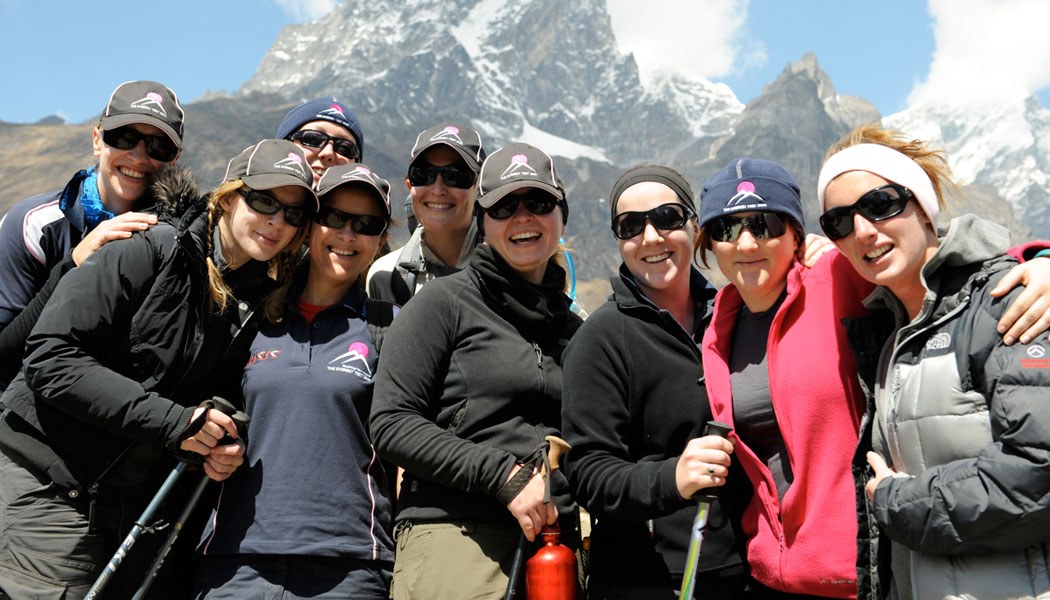
Solo trekkers, couples, and small groups looking to reach the foot of the world's highest mountain without the extra cost of a private trip can now join a group Everest Base Camp trek on our guaranteed fixed departure dates. The Everest Base Camp Group Joining Trek is our most popular and most affordable way to experience the legendary trail to Everest Base Camp (5,364m) and Kalapatthar (5,545m) - you simply pick a departure date, book your seat, and trek alongside fellow adventurers from around the world, all guided by the same experienced Sherpa team.
Whether you're traveling solo and don't want to pay a single supplement, or you're a small group of 2–3 friends wanting to share the trail with more people, our EBC group joining trek gives you the full Everest experience - teahouse lodges, acclimatization days, Sherpa culture, and jaw-dropping Himalayan views - at a shared, budget-friendly group price.
| Trip Facts | Details |
|---|---|
| Duration | 14 Days (Kathmandu to Kathmandu) |
| Trek Grade | Moderate to Hard |
| Group Size | Minimum 2 - Maximum 10-12 people (fixed group joining departure) |
| Max Altitude | Kalapatthar (5,545m) & Everest Base Camp (5,364m) |
| Trip Type | Group Joining / Fixed Departure Trek |
| Accommodation | Teahouse/Lodge on trek, Hotel in Kathmandu |
| Meals | Self - Paid |
| Best Season | March-May (Spring) & September-November (Autumn) |
| Starts/Ends | Flight Kathmandu - Lukla - Kathmandu |
| Guide | Government-licensed English-speaking trekking guide |
| Price | Shared group rate - ask for current fixed departure price |
Our Everest Base Camp group joining trek runs on guaranteed fixed departure dates throughout the spring (March, April, May) and autumn (September, October, November) seasons — the two best windows for clear mountain views and stable weather. Departures are guaranteed with a minimum of just 2 trekkers, so your trip will not be cancelled once confirmed.
If none of the listed dates suit your schedule, or you'd like to bring your own group of friends and trek privately, contact us — we can also arrange a private Everest Base Camp trek or adjust group joining dates to fit your travel window.
Arrive at Tribhuvan International Airport, Kathmandu, where our representative will greet you and transfer you to your hotel. Evening trek briefing with your group and guide, and final gear check before departure.
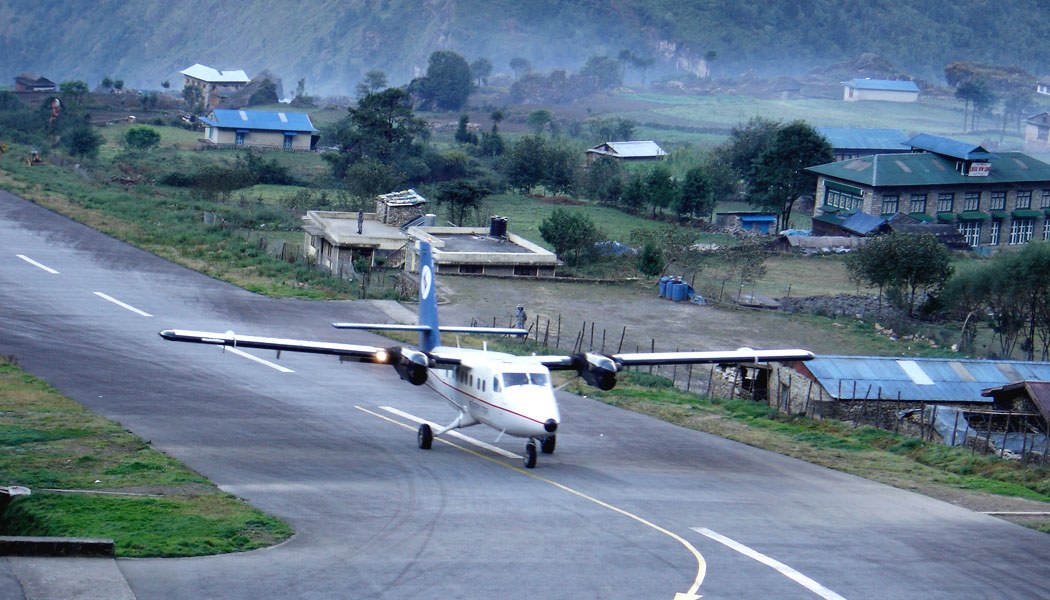
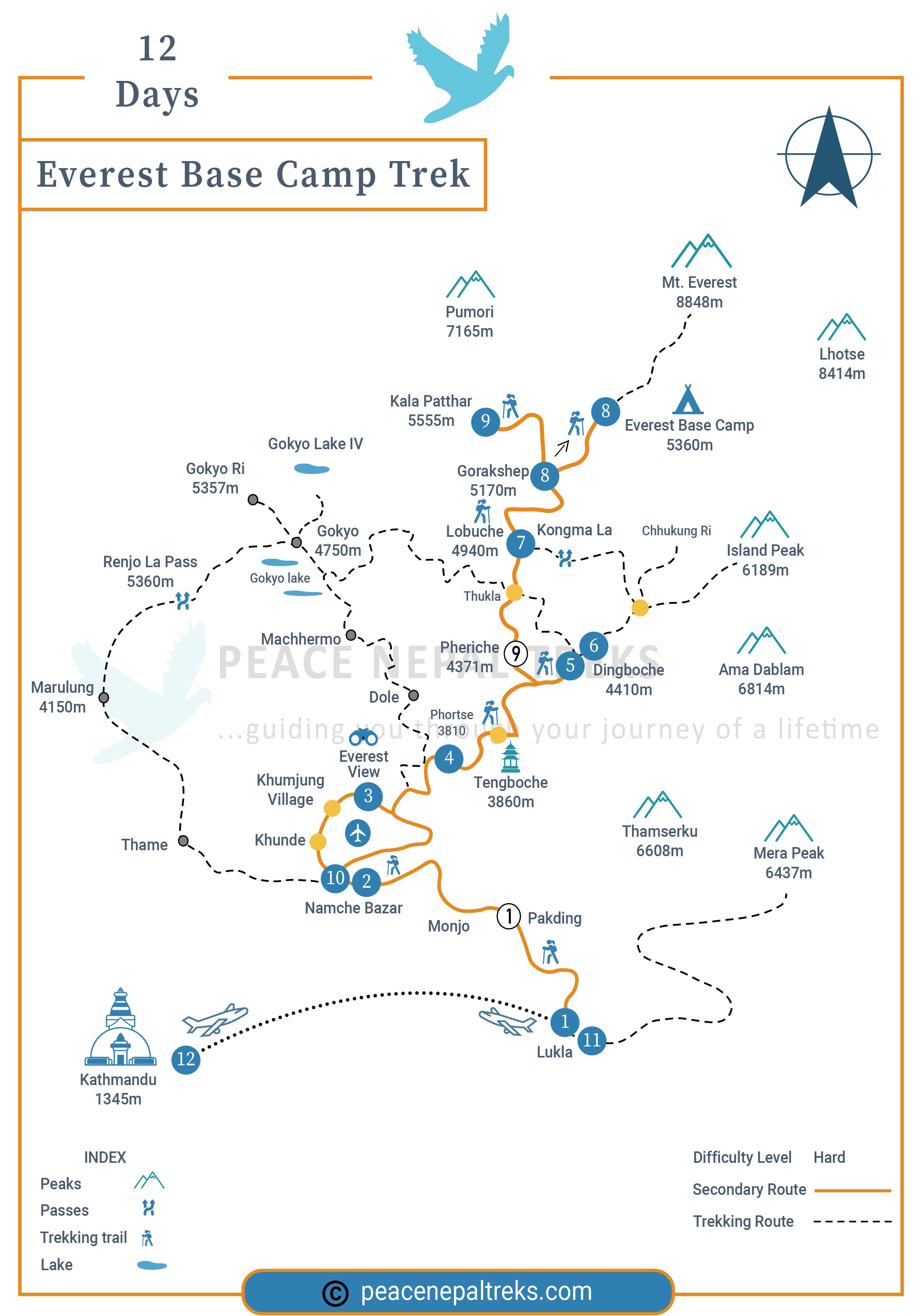
Early morning scenic mountain flight from Kathmandu to Lukla's Tenzing-Hillary Airport. Meet the rest of your group joining trek team and begin trekking, descending gently along the Dudh Koshi River to Phakding. Trek duration: 3-4 hours.
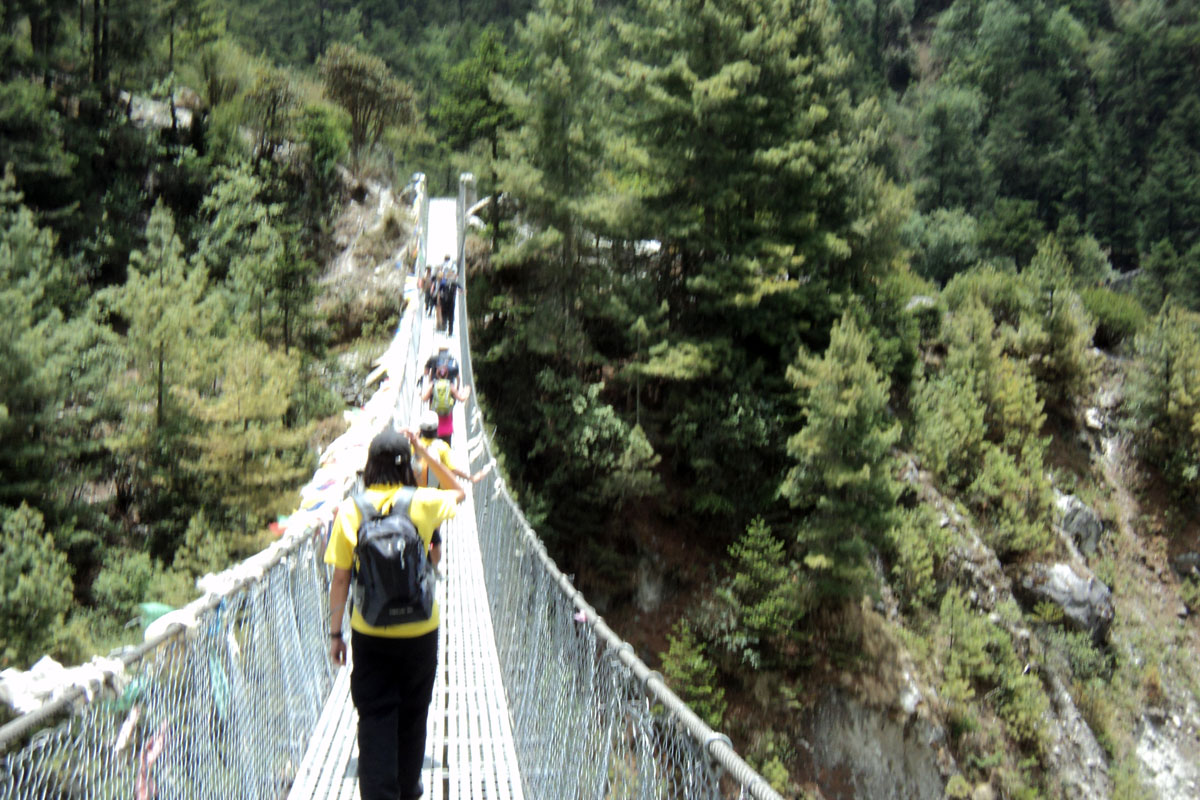
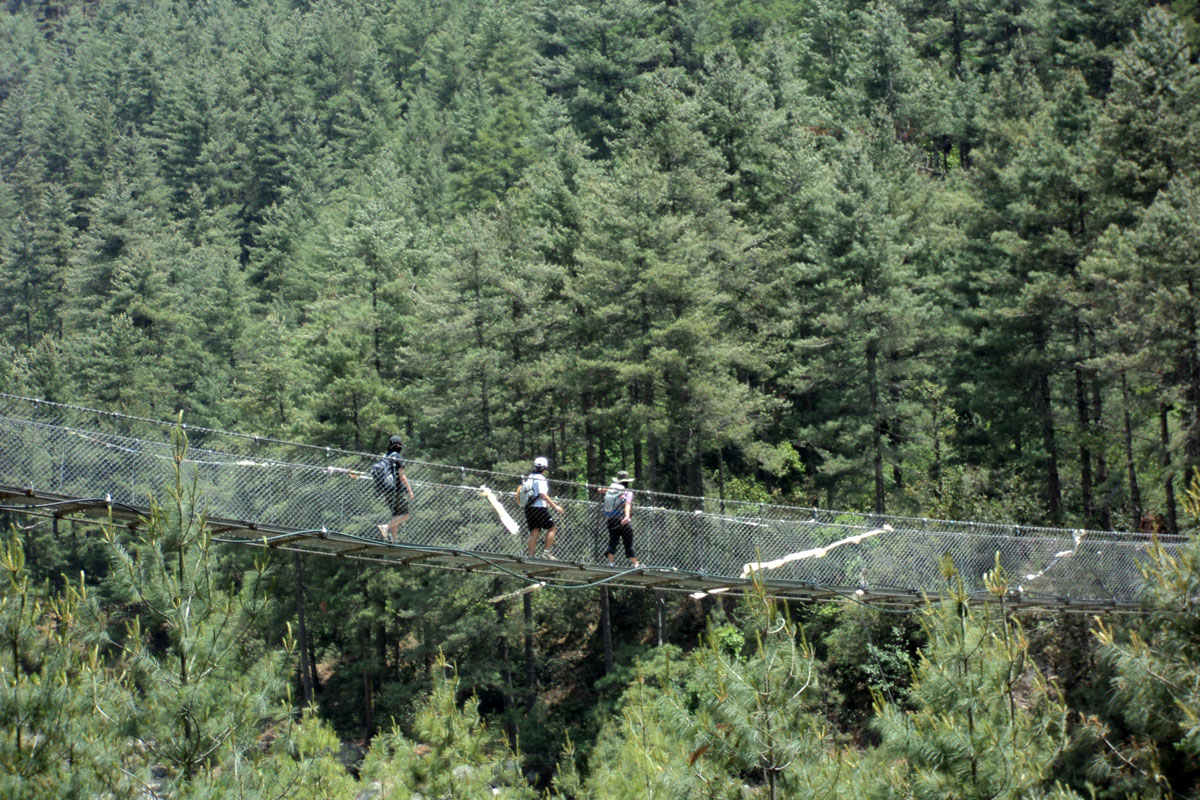
Cross several suspension bridges over the Dudh Koshi River and enter Sagarmatha National Park. A steep climb through rhododendron forest brings the group to Namche Bazaar, the trading hub of the Khumbu region. Trek duration: 5-6 hours.
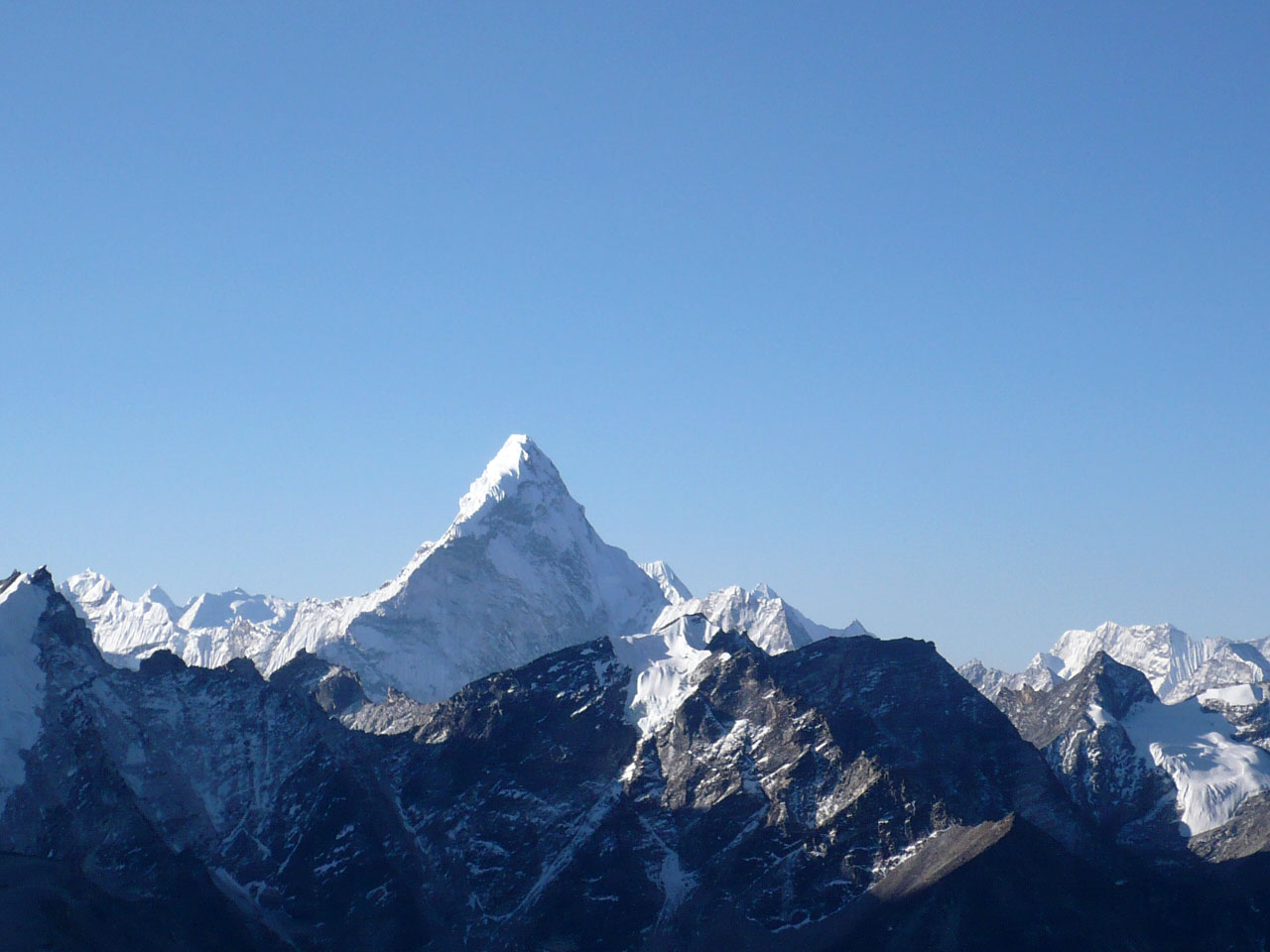
Essential rest and acclimatization day. Optional hike up to the Everest View Hotel or Khumjung village for your first views of Everest, Lhotse, and Ama Dablam. Explore Namche's Sherpa markets and bakeries with your group.
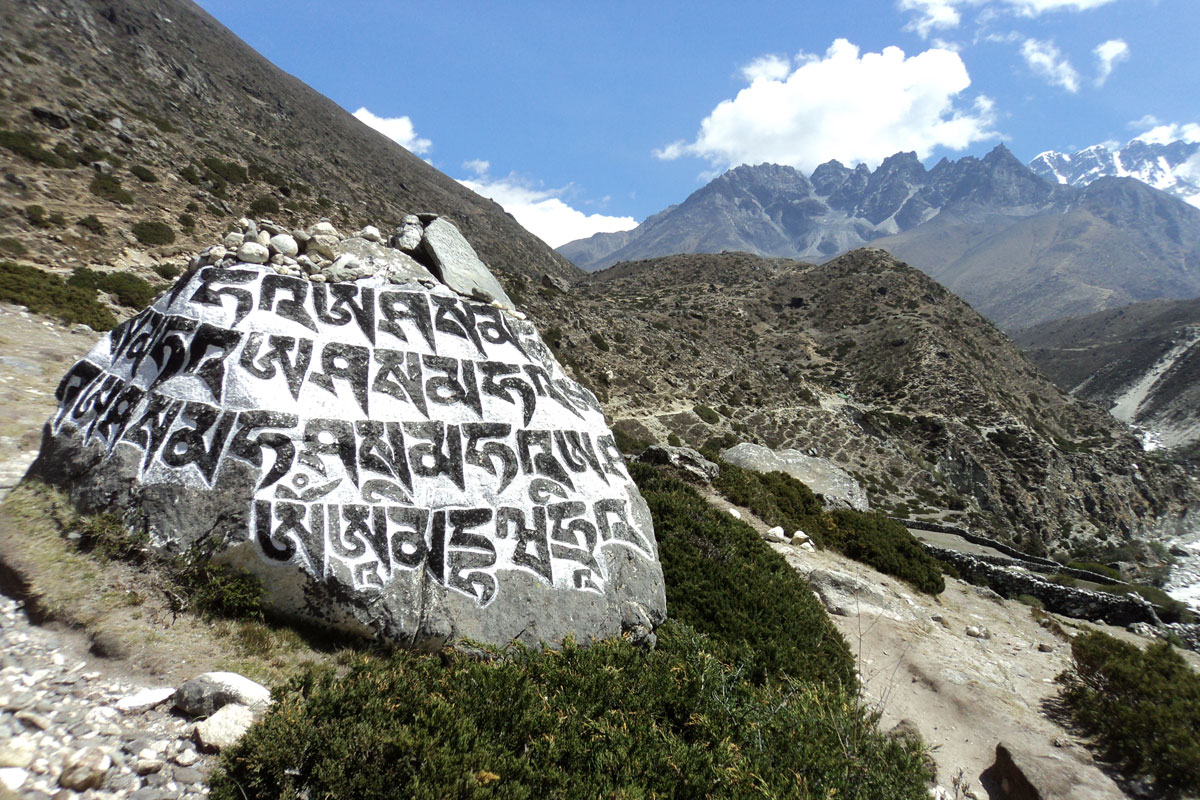
Walk along the trail with sweeping Himalayan panoramas, passing mani walls and rhododendron forest toward Phortse village or Tengboche, home to the region's most famous monastery.
Follow the Imja Khola valley through Pangboche, passing chortens and prayer flags, as the landscape turns alpine and the peaks close in around the group.
Second key acclimatization day. Group hike up Nangkartshang Peak (5,083m) for panoramic views before descending back to Dingboche to rest.
Trek across the terminal moraine of the Khumbu Glacier, passing memorials to climbers who lost their lives on Everest, as the trail steepens toward Lobuche.
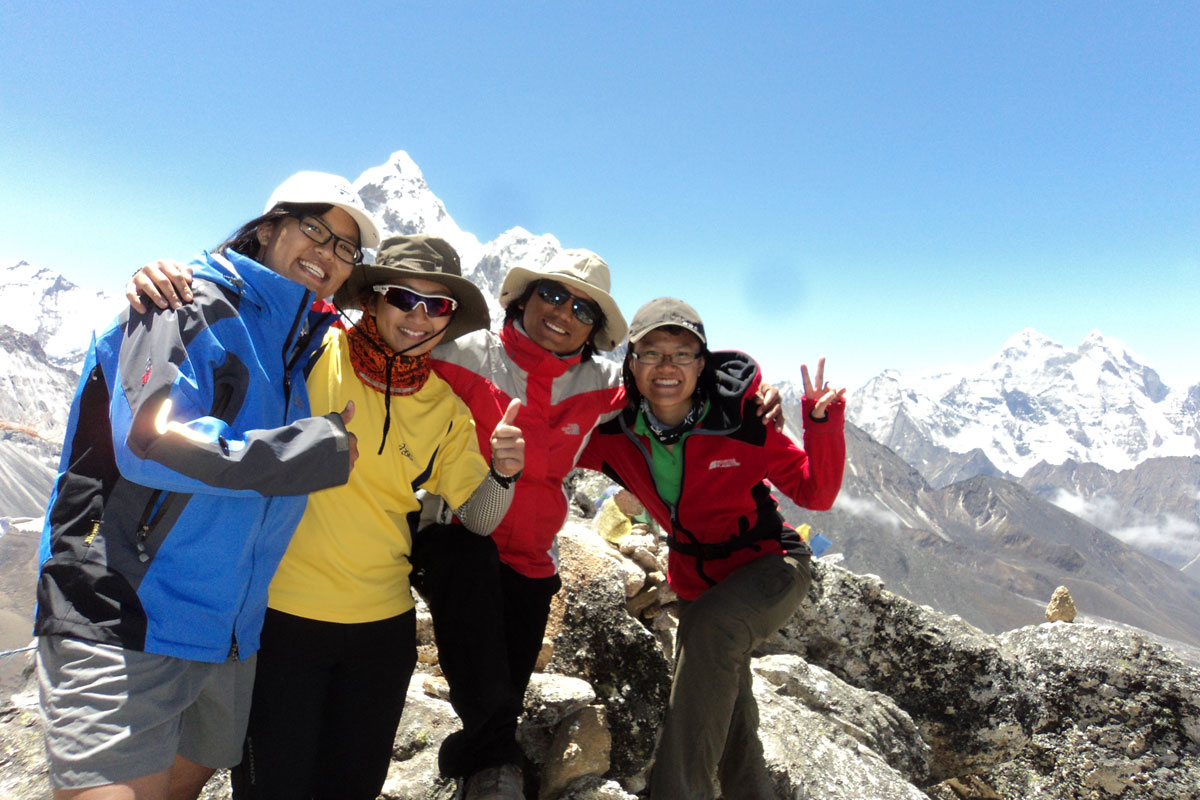
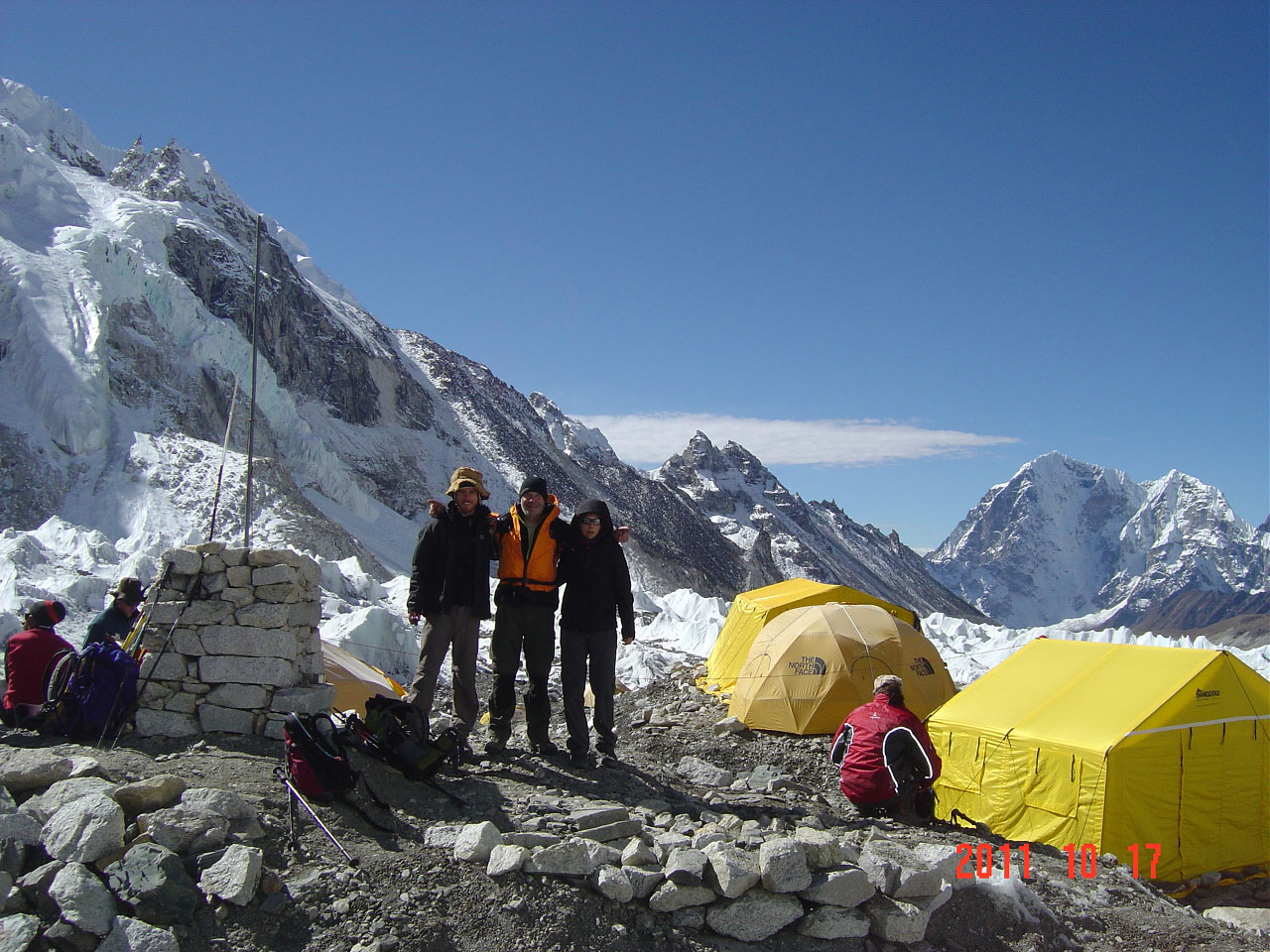
The big day. Trek to Gorak Shep, drop your bags, then continue to Everest Base Camp itself, walking among the Khumbu Icefall. Return to Gorak Shep for overnight - a moment your whole group joining trek team will celebrate together.
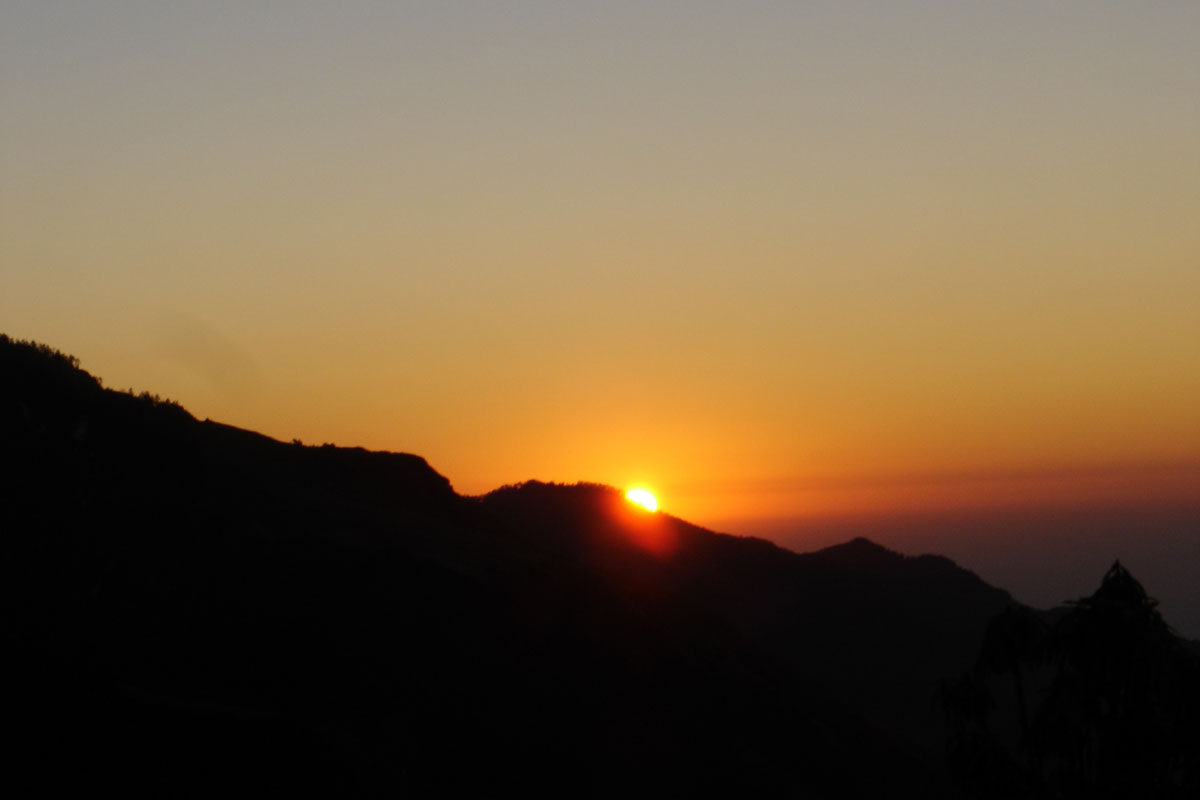
Early pre-dawn climb to Kalapatthar for the best sunrise views of Mount Everest in the entire region. Descend back through Gorak Shep and Lobuche to Pheriche.
Long descending day retracing the trail through Pangboche and Tengboche back to Namche Bazaar — celebrate reaching Everest Base Camp with your trekking group.
Final trekking day, descending through Sherpa villages, suspension bridges, and forest trail back to Lukla for the last night on the mountain.
Morning mountain flight back to Kathmandu. Free afternoon and evening to relax, shop in Thamel, or enjoy a farewell dinner with your group.
Transfer to Tribhuvan International Airport for your international flight home, or extend your stay in Nepal with additional tours.
Note: This EBC group joining itinerary can be adjusted by 1-2 days for weather, flight delays, or group acclimatization needs.
Available on request and must be returned after the trek:
Using purified tap water is safe, economical, and helps reduce plastic waste in the mountains.
You may complete the online visa form before arrival and pay the fee at Kathmandu Airport.
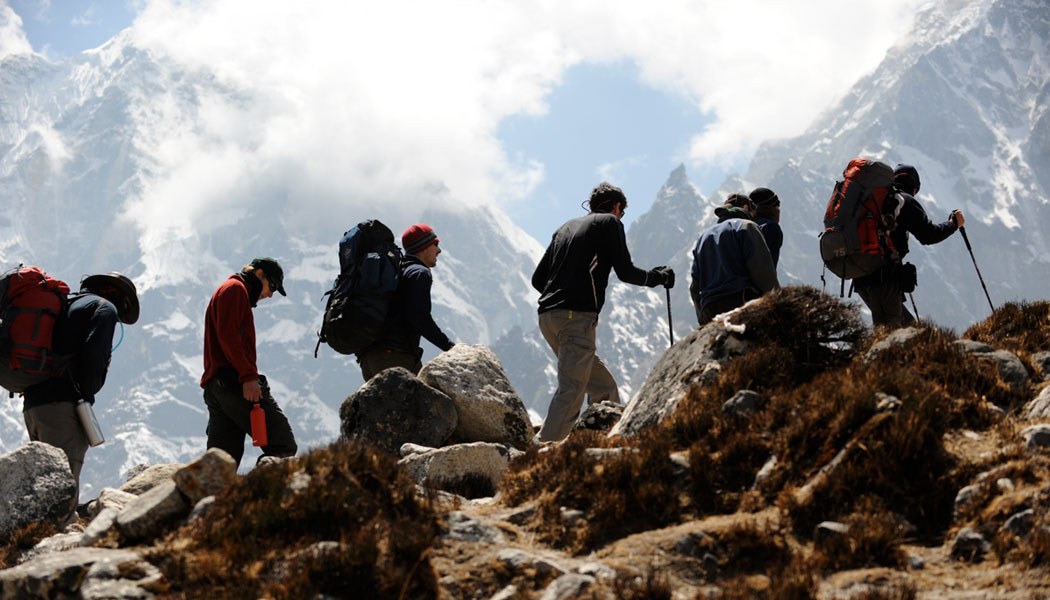
Group joining trek members typically come from different countries, ages, and fitness levels, but a moderate level of fitness and prior hiking experience is recommended for the best experience.
Spring (March–May): Warm daytime temperatures, blooming rhododendrons, and clear mountain views make spring the busiest and most popular season for group joining departures.
Autumn (September–November): Crisp, stable weather with excellent visibility right after the monsoon — the second major peak season, with the most group joining departure dates available.
Winter (December–February) & Monsoon (June–August): Group joining departures are limited or unavailable in these off-seasons due to snow, cold, and poor flight conditions at Lukla; private departures may still be arranged on request.
What is a "group joining" trek? A group joining trek is a fixed-departure trip where individual trekkers, couples, or small parties book onto the same pre-scheduled date and trek together as one group with a shared guide and porter team - reducing costs compared to a private trek.
How many people are typically in an Everest Base Camp group joining trek? Groups usually range from a minimum of 2 to a maximum of around 10-12 trekkers, keeping the experience personal while sharing costs.
Is the Everest Base Camp group joining trek cheaper than a private trek? Yes. Since guide and porter costs, along with some logistics, are shared among group members, the per-person cost is significantly lower than booking a private departure.
Can I join the group trek alone as a solo traveler? Absolutely - solo trekkers are very common on group joining departures and won't pay any single supplement for the trek portion (only single hotel room upgrades in Kathmandu incur an extra cost if requested).
Do I need previous trekking experience to join the group? No technical climbing skills are required, but a good level of fitness and some hiking or cardio training beforehand is strongly recommended for the 5,000m+ altitudes involved.
What if my preferred date isn't on the group joining calendar? Contact us directly - we can often add a new departure date if there's enough interest, or arrange a private departure instead.
Is travel insurance required for the group joining trek? Yes, travel insurance covering high-altitude trekking, medical emergencies, and helicopter evacuation is mandatory for all trekkers joining the group.
Don't wait to make new friends on the trail to the top of the world. Check our upcoming fixed departure dates and reserve your seat on the next Everest Base Camp Group Joining Trek - a proven, affordable, and unforgettable way to reach Everest Base Camp and Kalapatthar in the company of fellow adventurers.
Contact us via WhatsApp +9779851014405 or email: info@peacenepaltreks.com to check live availability and lock in your group joining trek date.
Upon your arrival at Tribhuvan International Airport (TIA) in Kathmandu, the journey begins with the immigration and visa process. Here’s a simple guide to help you through it:
Visa on Arrival Options: Fill out the arrival card provided at the airport. Submit your passport (must be valid for at least 6 months).
Pay the visa fee: 15 days: USD 30, 30 days: USD 50, 90 days: USD 125
Tip: To save time at the airport, you can also fill out the online visa application up to 15 days before arrival. Visit the Department of Immigration Nepal for more details.
Alternatively, if you prefer, you can obtain your visa beforehand at any Nepalese Embassy or Consulate abroad.
After Immigration: Once your visa is issued, proceed through security for a quick baggage scan, collect your luggage at the carousel, and walk toward the arrival exit gate.
Meet & Greet – Peace Nepal Treks
At the exit, you'll see a crowd of people waiting with signs. Look for our friendly Peace Nepal Treks representative holding a signboard with your name.
Our team will warmly welcome you and help transfer you comfortably to your hotel in Thamel, the heart of Kathmandu’s tourist district-full of culture, shops, restaurants, and vibrant local life.
Your first night’s stay will be at a selected hotel in Kathmandu, where you can relax, refresh, and get ready for your upcoming Himalayan adventure.
During peak trekking months (Mar–May, Oct–Nov), we begin with an early morning drive (4–5 hrs) to Ramechhap Airport for the flight to Lukla. In off-peak months, flights depart directly from Kathmandu. After landing in Lukla (2,860m), our trek begins as we descend through pine forests and charming Sherpa villages along the Dudh Koshi River to reach Phakding.
Highlights:
Distance: 6.5 km | Duration: 3-4 hours
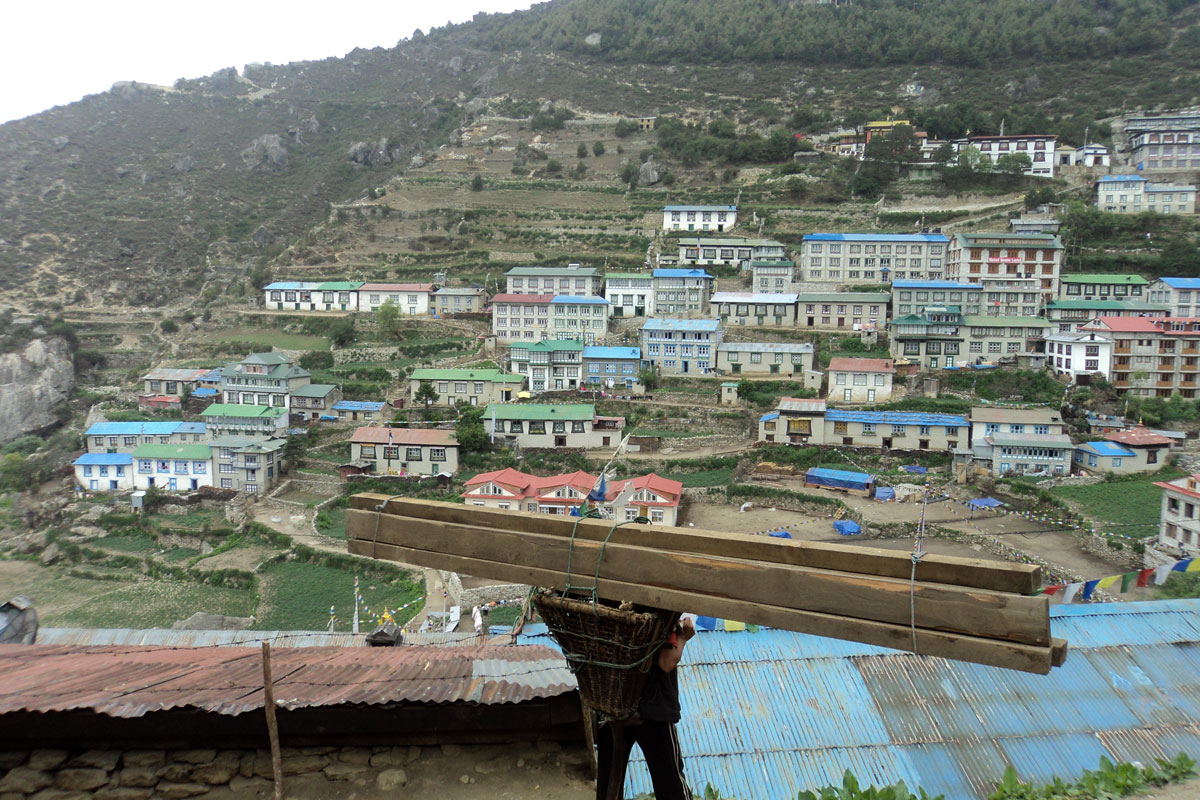
Today, we enter Sagarmatha National Park and begin our climb through dense forests and across high suspension bridges. After a steady ascent, the trail opens to reveal the famous Sherpa village of Namche Bazaar-the vibrant heart of the Khumbu region. This amphitheater-shaped village is home to cozy cafes, bakeries, mountain shops, and a buzzing local vibe.
Highlights:
Distance: 10 km | Duration: 6-7 hours
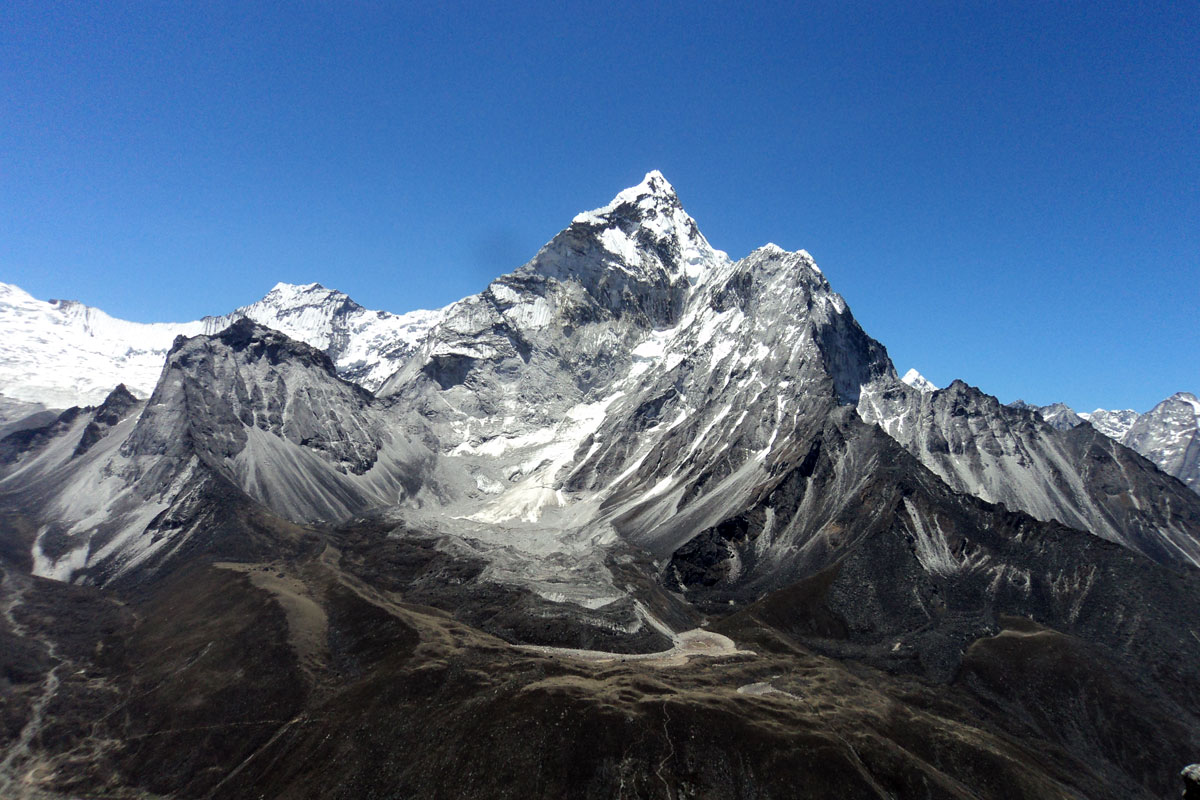
Today is a rest day to help your body adjust to the high altitude. We take a short hike to Everest View Hotel (3,880m), located about 2–2.5 km uphill from Namche. The trail is steep but offers spectacular views of Mt. Everest, Ama Dablam, and Lhotse. This climb helps improve acclimatization by going high and sleeping low.
On the way back, you may visit Khumjung village and see the Hillary School and monastery. Later, relax in Namche’s cafés, bakeries, or visit the Sherpa Museum.
Highlights
Distance: 4–5 km round trip | Duration: 2–3 hours
Leaving the classic EBC route, we take a quieter and more scenic trail to Phortse, a traditional Sherpa village with fewer tourists and rich culture. On the way, you’ll pass through ancient mani walls, chortens, and rhododendron forests.
Highlights:
Distance: 9 km | Duration: 5–6 hours
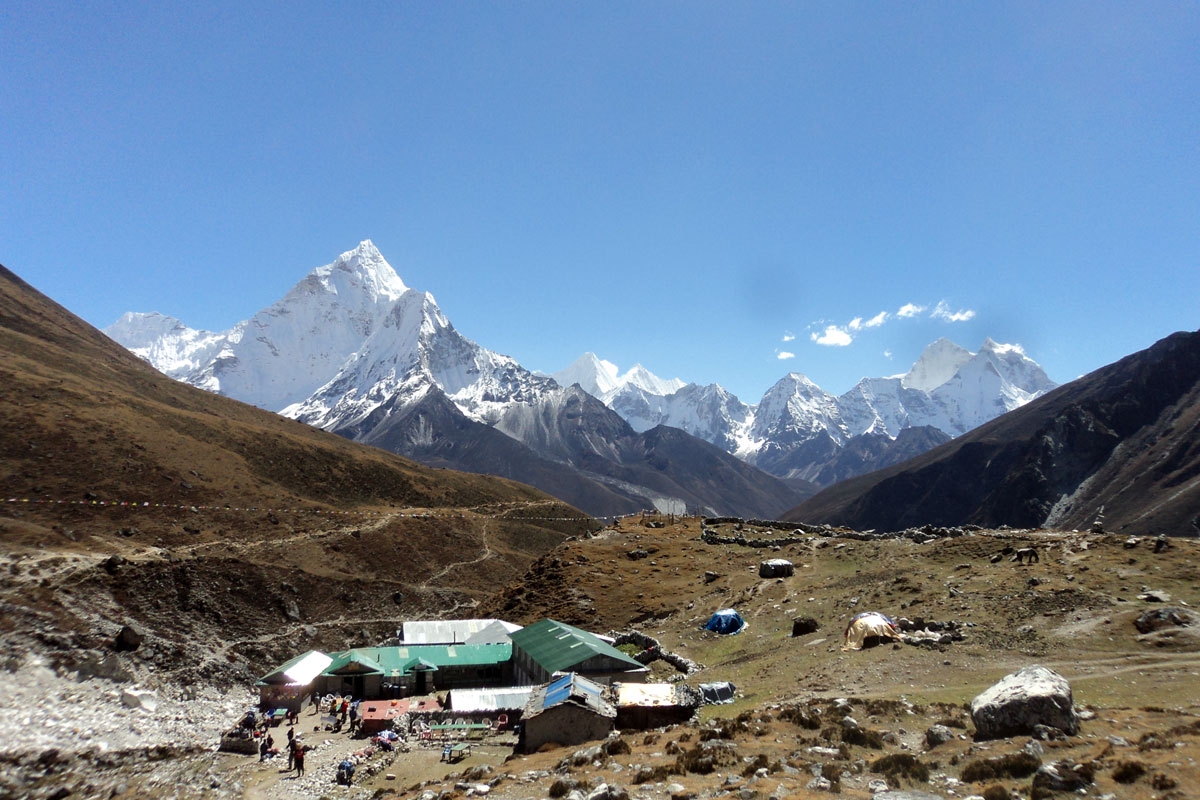
The trail follows the Imja Khola River, climbing gradually through alpine landscapes and past yak pastures. Dingboche is known for its stone walls protecting barley and potato fields and its spectacular setting beneath Ama Dablam.
Highlights:
Distance: 12 km | Duration: 5–6 hours
Today is another acclimatization day to adapt to higher altitude. We recommend a short hike to Nangkartshang Hill (5,083m) for panoramic views of Makalu, Lhotse, and the Imja Valley. In the afternoon, you can relax and enjoy a peaceful Himalayan sunset.
Highlights:
Accommodation: Lodge in Dingboche
We pass through the Khumbu Glacier’s terminal moraine and visit memorials for fallen climbers at Thukla Pass. The emotional significance of this place, combined with the towering peaks around, creates a deep impression.
Highlights:
Distance: 8 km | Duration: 5–6 hours
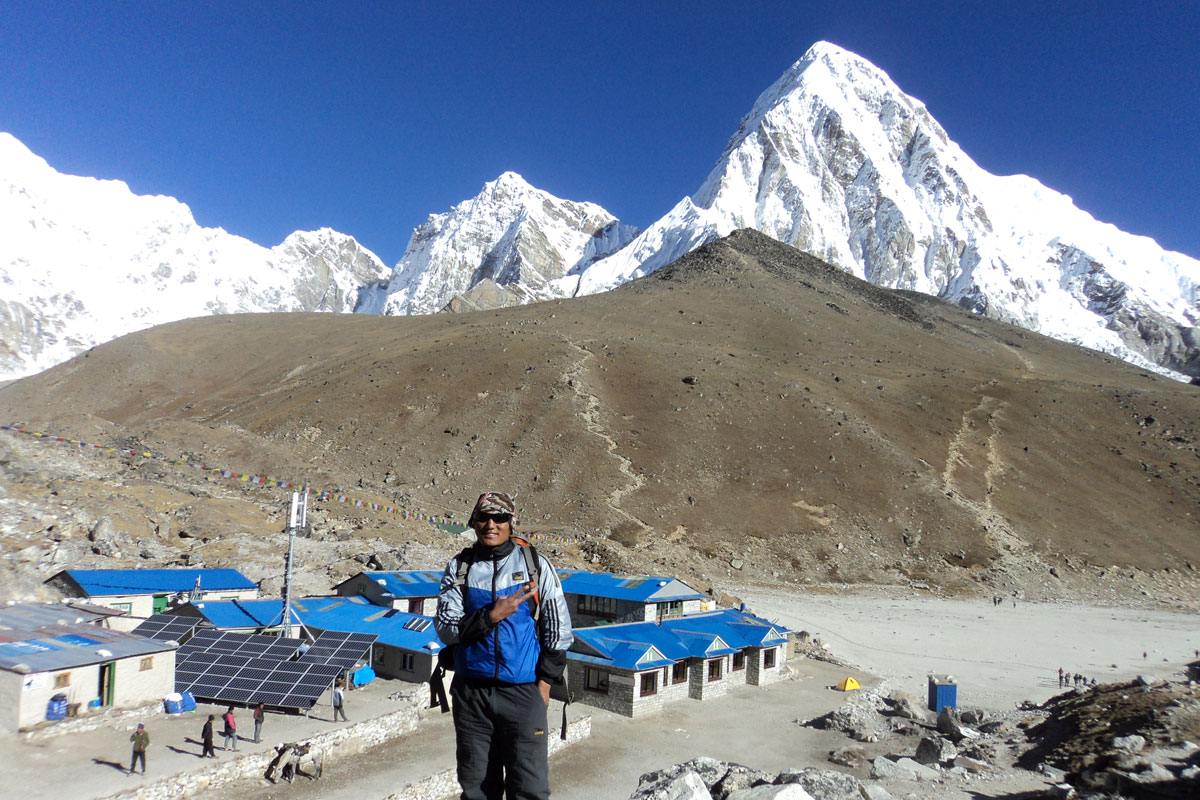
This is the most exciting day of the trek. After reaching Gorak Shep, we continue to Everest Base Camp, walking alongside the Khumbu Glacier. This is the very site where mountaineering expeditions begin.
Fun Fact: In 2009, Peace Nepal Treks organized a historic cricket match at Gorak Shep with a team of 50 trekkers and staff, making it one of the highest-altitude sports events ever recorded in the world!
Highlights:
Accommodation: Lodge in Gorak Shep
We start early for the sunrise hike to Kala Patthar, the best vantage point for a full view of Mt. Everest and the surrounding giants. After enjoying the moment, we descend to Pheriche for a much-needed rest.
Highlights:
Distance: 14 km | Duration: 7–8 hours
We follow the familiar path down through Tengboche and lush forests, with Everest watching over us. Reaching Namche again feels like a celebration.
Highlights:
Distance: 14 km | Duration: 7–8 hours
Your final trekking day! Descend through pine forests, cross the Dudh Koshi River, and return to Lukla, where your incredible journey began. It’s a great place to reflect, thank your guides and porters, and celebrate with your team.
Highlights:
Distance: 18 km | Duration: 7–8 hours
Fly back Lukla to Kathmandu, Enjoy your final evening in the city, full of gratitude and unforgettable memories.
Highlights:
Professional Trekking Guide & Porter Services During the Trek
(Provided if needed – all equipment must be returned after the trek)
Guests can safely leave any luggage that is not needed during the trek at our office. We will keep your city clothes and extra belongings secure until you return.
Your safety is our top priority
We strongly recommend using tap water with purification tablets, because it is:
Personal expenses such as
| Group Size | Price Per Person |
|---|---|
| 1 | USD 1,275 |
| 2-5 | USD 1,125 |
| 6-10 | USD 1,075 |
The following equipment is available when needed and must be returned after the trek:
We recommend using tap water with purification tablets because it is safe, affordable, and helps reduce plastic waste.
Personal expenses such as
| Group Size | Price Per Person |
|---|---|
| 1 | USD 3,050 |
| 2-5 | USD 2,855 |
| 6-10 | USD 2,675 |
One Professional Trekking Guide
(Provided if needed – all equipment must be returned after the trek)
Your safety is our top priority
We strongly recommend using tap water with purification tablets, because it is:
For meals and accommodation during the trek, please budget around USD 30-40 per person per day, depending on your food choices, lodge standard, and altitude.
Snacks and drinks such as chocolates, energy bars, soft drinks, bottled water, and alcoholic beverages are also not included.
One porter can be arranged for USD 216 and can carry up to 25 kg. Each guest may give the porter around 10–12 kg of luggage and carry only a small daypack with daily essentials.
Personal expenses such as
| Group Size | Price Per Person |
|---|---|
| 1 | USD 1,050 |
| 2-5 | USD 945 |
| 6-10 | USD 825 |
Choose a scheduled departure and reserve your place.
| # | Start Date | Duration | Price | Availability | Action |
|---|---|---|---|---|---|
| 1 | Jun 09, 2520 | 13 Days | USD 1,125/ person | Available | Book Now |
The Everest Base Camp trek is considered moderate to challenging. You don’t need technical climbing skills, but you must walk long distances, deal with steep sections, and manage high altitude. With proper preparation, slow walking, and acclimatization, most trekkers complete it successfully.
The most reliable trekking seasons are Spring (March–May) and Autumn (September–November).
These months offer stable weather, excellent visibility, and ideal temperatures for hiking.
The classic Everest Base Camp itinerary takes 12–14 days, depending on the number of acclimatization days. Peace Nepal Treks commonly runs a 13-day program including arrival and departure days.
Not necessarily. Many first-time trekkers complete the EBC trek successfully.
Good physical fitness, determination, and the ability to walk 5–6 hours a day are more important than past trekking experience.
Trekkers fly to Lukla Airport, the gateway to Everest.
Everest Base Camp accommodation includes mountain teahouses—simple but clean lodges offering twin rooms, shared bathrooms, blankets, and meals served in a warm dining hall.
Menus include Nepali, Tibetan, and Western dishes.
Popular meals:
You should not drink untreated water.
Options include:
Hiring a licensed guide is highly recommended for safety, navigation, and cultural understanding.
A porter makes the trek easier by carrying your main bag, allowing you to trek freely.
You will need:
Altitude-related illness is the most common challenge. Anyone can be affected, regardless of fitness.
Prevention includes:
Yes-Wi-Fi and mobile signals are available in many villages, especially Namche, Tengboche, Dingboche, and Lukla.
At higher altitudes, connectivity becomes weaker.
Yes. Charging is available in all teahouses for a small fee.
A power bank is highly recommended.
You need:
You can buy or rent gear easily in Kathmandu.
In case of serious illness or injury, helicopter evacuation is possible.
Your guide will coordinate immediately.
Travel insurance with helicopter coverage is mandatory.
Yes, if you are physically active and mentally prepared. Many first-time trekkers complete the EBC trek with proper guidance.
There is no official age limit.
Children above 10 and adults over 70 have completed the trek with proper acclimatization.
Fitness is the real requirement.
Meals are freshly cooked and nutritious. Dal Bhat is the most energy-giving meal. Trekkers can also find soups, momos, chapati, pasta, and various warm drinks.
In lower villages, modern Western toilets are available.
Higher up, toilets become simpler—mostly squat types.
Hot showers are available but may cost extra.
Yes. Kathmandu has many shops selling trekking gear at reasonable prices.
You can buy everything from jackets to trekking poles before the trek.
Yes.
Yes. You can store your extra bags safely in your hotel or at the Peace Nepal Treks office.
Common issues include:
Ignoring symptoms can be dangerous, so communication with your guide is crucial.
Yes, this is required.
It must cover:
Expect 5–7 hours of walking daily.
Acclimatization days may involve short hikes.
It normally takes 8–10 days to trek from Lukla to Everest Base Camp, depending on the itinerary.
The trek is safe with a proper guide, acclimatization plan, and responsible company.
The trails are well-marked and frequently used by trekkers.
Peace Nepal Treks manages all arrangements for you.
Recommended:
Avoid alcohol until after the trek is completed
Yes—vegetarian meals are widely available and safe.
Many trekkers prefer vegetarian meals at high altitudes
Tipping is customary in Nepal.
The amount depends on service, but trekkers generally tip at the end of the trek.
Yes, many trekkers buy items in Kathmandu and sell them back to secondhand shops or leave them for local porters.
ATMs are available in:
After Namche, there are no ATMs.
Yes. Charging is available in most teahouses for a small fee.
In the Everest region, a TIMS card is usually not required.
The Khumbu Rural Municipality permit replaces it.
Yes, but they may cost extra.
Higher regions may have solar-heated or bucket showers.
Yes, but it becomes unreliable above Dingboche.
Consider buying an Ncell or NTC SIM card or carrying a satellite phone.
Choosing the best time to trek to Everest Base Camp is one of the most important decisions when planning your Himalayan adventure. The right season makes a big difference to your safety, comfort, mountain views, and overall trekking experience. The Everest region has four distinct seasons, and each season brings different weather, temperatures, visibility, trail conditions, and crowd levels.
Understanding these seasonal differences helps you choose the best time based on your fitness level, expectations, and travel preferences. Below is a clear, easy-to-understand, and detailed guide explaining the best seasons, months, advantages, and challenges of trekking to Everest Base Camp.
Spring is one of the most popular and recommended seasons for the Everest Base Camp Trek. As winter slowly ends, the weather becomes more stable, the temperatures rise, and the trails come back to life with trekkers and climbers from all over the world.
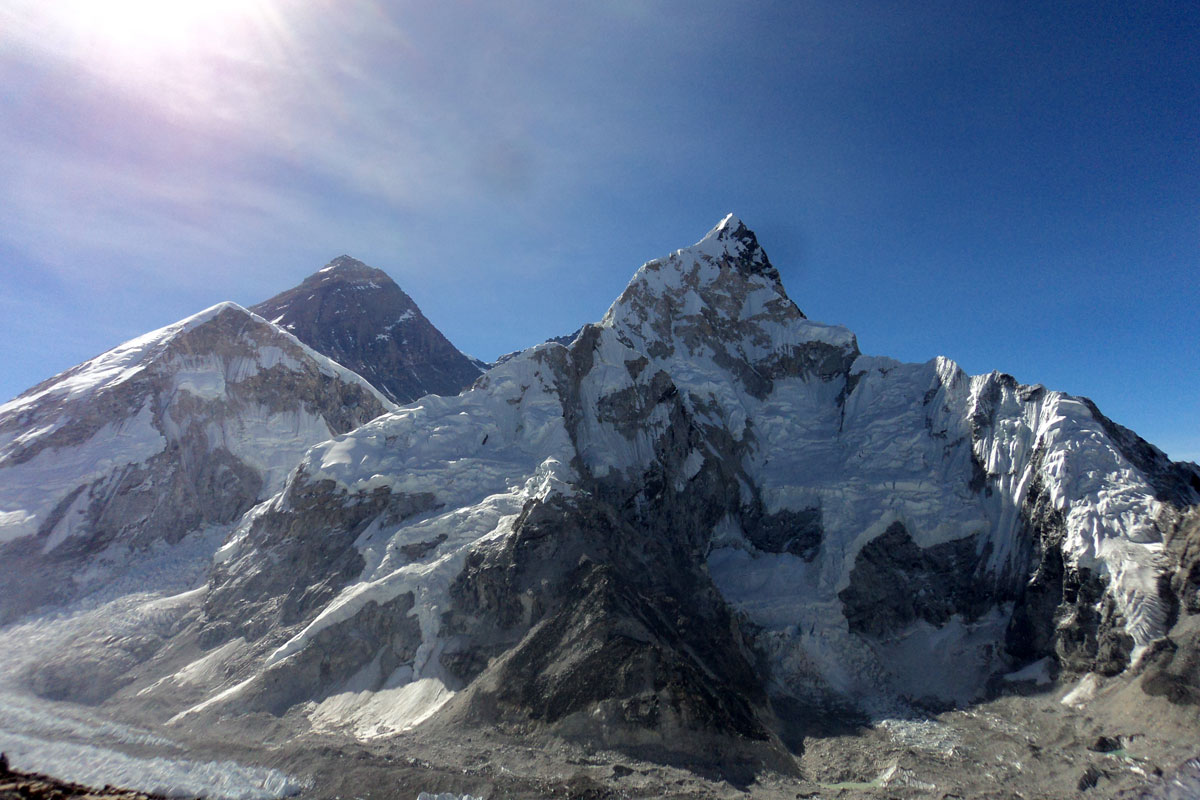
During spring, the Everest region offers a perfect balance of good weather and stunning scenery. The skies are generally clear, allowing excellent views of Mount Everest, Lhotse, Nuptse, Ama Dablam, and many other Himalayan peaks.
Another beautiful feature of spring is the blooming of rhododendron forests at lower elevations, especially between Lukla and Namche Bazaar. This adds color and freshness to the trekking trail.
Spring is perfect for trekkers who want classic Everest views, colorful scenery, and reliable trekking conditions.
Autumn is widely considered the best overall time to trek Everest Base Camp. After the summer monsoon ends, the air becomes fresh and clean, providing sharp and crystal-clear mountain views. The trails are dry, the weather is stable, and temperatures are comfortable for trekking.
This season is especially popular with photographers because of the excellent visibility and dramatic mountain landscapes. Sherpa villages are lively, and the atmosphere in the Everest region feels festive and energetic.
Autumn is ideal for trekkers who want the best weather, cultural experiences, and the most reliable trekking conditions.
Winter is the quietest season on the Everest Base Camp trail. Fewer trekkers choose this time due to cold temperatures, but for those who are well prepared, winter offers a unique and peaceful experience.
The mountains are often extremely clear, and the snow-covered landscapes look magical. Trails are less crowded, and lodges are quieter, offering a more personal trekking experience.
Winter trekking is best suited for experienced trekkers who are comfortable with cold weather and prefer solitude over crowds.
The monsoon season is generally not recommended for trekking to Everest Base Camp. Heavy rainfall, cloudy skies, and unstable weather can make trekking difficult and unpredictable.
Cloud cover often hides the mountains, and frequent rain makes trails slippery. Lukla flights are also more likely to be delayed or canceled during this season.
This season is better for rain-shadow regions of Nepal rather than the Everest area.
The best time to trek Everest Base Camp is Spring (March–May) and Autumn (September–November). These seasons offer the best balance of clear weather, stunning mountain views, safe trail conditions, and comfortable temperatures.
With proper planning and a trusted trekking company like Peace Nepal Treks, you can enjoy a safe, well-organized, and unforgettable Everest Base Camp Trek in the best possible season.
Having proper travel insurance for the Everest Base Camp Trek is not optional—it is mandatory and essential for a safe and worry-free trekking experience in Nepal. Trekking to Everest Base Camp takes you to remote Himalayan terrain at high altitude, far away from normal road access and medical facilities. Because of this, comprehensive travel insurance is one of the most important preparations you must make before starting your trek.
This detailed guide explains why travel insurance is required, what your insurance must cover, and how it protects you during the Everest Base Camp Trek.
The Everest Base Camp Trek reaches an altitude of 5,364 meters (17,598 feet). At this height, trekkers face risks such as altitude sickness, sudden weather changes, flight delays, injuries, and medical emergencies. In the Everest region, there are no roads, and in serious situations, helicopter rescue is the only evacuation option.
Helicopter rescue in the Everest region can cost USD 3,000 to 6,000 or more, depending on the location and weather. Without valid travel insurance, trekkers must pay these costs themselves, which can be very expensive.
For this reason, professional trekking companies like Peace Nepal Treks require all clients to have valid travel insurance for Everest Base Camp Trekking.
When choosing travel insurance for the Everest Base Camp Trek, make sure it clearly includes the following coverage:
Your insurance policy must cover trekking up to at least 6,000 meters. Some basic travel insurance policies do not cover high-altitude activities, so this point must be clearly stated in your policy.
This is essential because Everest Base Camp lies above 5,000 meters.
Emergency helicopter rescue is the most important coverage for the Everest Base Camp Trek.
Your insurance must cover
Without helicopter rescue coverage, evacuation from places like Gorakshep or Lobuche is almost impossible.
Your travel insurance should cover
High-altitude illnesses such as Acute Mountain Sickness (AMS), HAPE, or HACE may require immediate medical care.
The Everest region is known for unpredictable weather, especially flights to Lukla.
Insurance should cover
Your policy should include coverage for
Even minor injuries can become serious in remote mountain areas.
Travel insurance should also cover
This is especially useful for expensive trekking gear.
In serious cases, insurance should cover
Before buying insurance, be aware that many policies do not cover
Always read the policy details carefully.
For the Everest Base Camp Trek, Peace Nepal Treks requires
This allows Peace Nepal Treks to arrange fast rescue and medical support if needed.
It is best to purchase travel insurance
With proper travel insurance, you can
Travel insurance for the Everest Base Camp Trek is not just a formality-it is a lifesaving requirement. Your insurance must cover high-altitude trekking, emergency helicopter rescue, medical treatment, and trip interruptions.
Choosing the right travel insurance ensures that your Everest Base Camp adventure is safe, secure, and enjoyable. With a trusted company like Peace Nepal Treks and proper insurance coverage, you can experience the Himalayas with confidence and peace of mind.
Having the right equipment for the Everest Base Camp Trek is essential for a safe, comfortable, and enjoyable journey in the Himalayas. The trek takes you from warm lower valleys to cold, high-altitude environments above 5,000 meters, where the weather can change quickly. A well-planned Everest Base Camp trek equipment checklist helps you stay warm, dry, and prepared for all conditions.
Below is a detailed, easy-to-understand, and necessary equipment checklist suitable for both beginners and experienced trekkers.

Layering is the key to staying comfortable in the Everest region.
Proper footwear is critical for long trekking days.
(Peace Nepal Treks can provide sleeping bags if required)
Peace Nepal Treks can provide the following equipment on request, which must be returned after the trek:
The right Everest Base Camp Trek equipment checklist ensures safety, comfort, and confidence throughout your journey. With proper preparation and support from Peace Nepal Treks, you can focus on enjoying the stunning Himalayan landscapes, Sherpa culture, and the unforgettable experience of reaching Everest Base Camp.
25 photos


No reviews yet. Traveled with us on this trip? Be the first to share your experience.
Enjoy the popular trekking and tour packages in Nepal Himalayas. 2026.
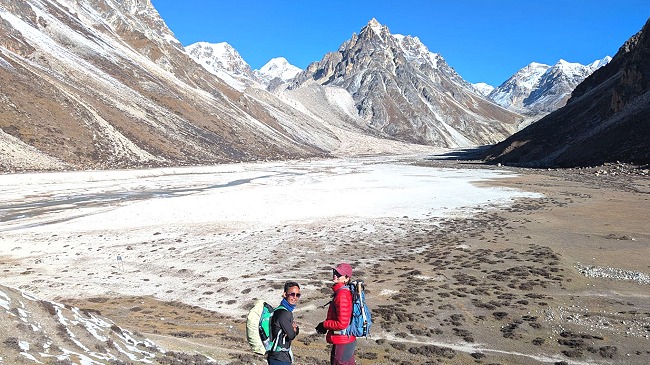
19-day Kanchenjunga Base Camp Trek to Mt. Kanchenjunga's North & South Base Camps. Cost $1,575, itinerary, permits, best season & FAQs.
View Details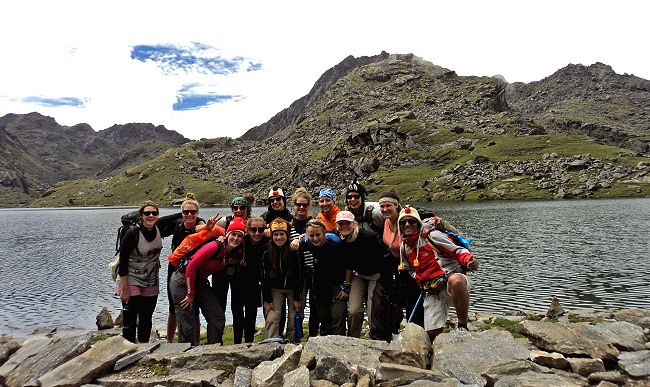
Embark on the Gosaikunda Trek-an alpine journey to Nepal's sacred lake with spiritual legends, Himalayan views, and cultural richness.
View Details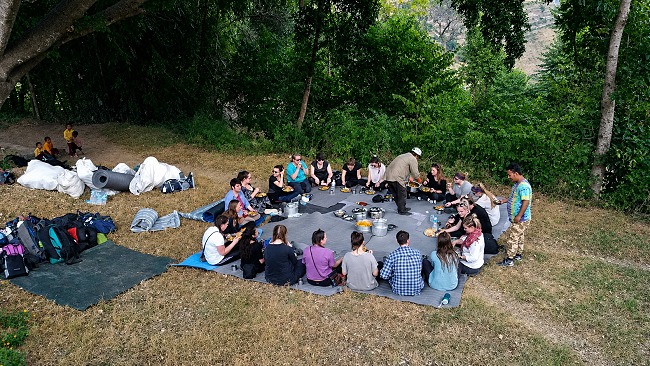
The hike around Kathmandu Valley is a pleasant trip through this culturally gifted city, but, only few people choose to trek around the city.
View Details
"Explore the hidden Nar and Phu valleys, cross Kang La Pass, and experience Tibetan culture on this remote trek in Nepal."
View Details
Explore Makalu Base Camp Trek with Peace Nepal Treks. Full 2025 guide: itinerary, permits, best time, accommodation & weather tips.
View Details
Discover the Kanchenjunga and Olangchung Gola Trek, Nepal's ultimate remote adventure. Learn about its highlights, attractions, flora, fauna, cultural heritage, cost, and best time to visit.
View DetailsAdrian Mula
Robert and Arnica Reurekas
Patrick Keulens Helmond
Richard Kirtley
Chang Jong Kwon
Lim Tianshun
Mark Eversham