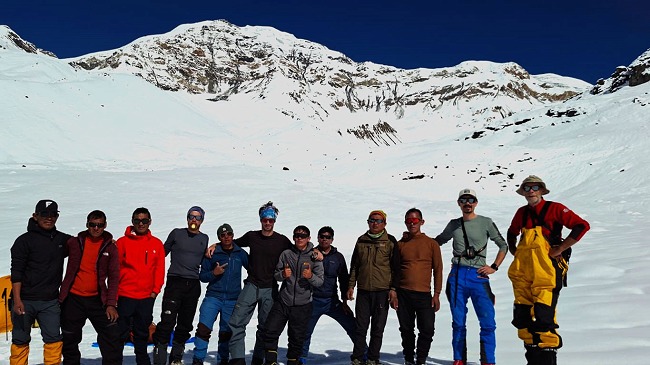
Peak Climbing in Nepal – 6,000m Climbs and Himalayan Expeditions
Guided Peak Climbing Adventures with Local Nepalese Experts
Peak climbing in Nepal is the perfect next step for experienced trekkers who want to move beyond high-altitude trekking and experience Himalayan mountaineering. Nepal offers climbing adventures ranging from popular 6,000-metre trekking peaks to challenging 7,000-metre expeditions and the world’s highest 8,000-metre mountains.
Peace Nepal Treks organizes professionally supported climbs across the Everest, Annapurna, Manaslu, Langtang, Rolwaling and remote Himalayan regions. Our services include climbing-permit arrangements, licensed guides, porters, accommodation, base-camp logistics, group equipment and summit preparation.
Popular choices include Island Peak Climbing, Mera Peak Climbing, Lobuche Peak Climbing, Pisang Peak, Chulu West and Ama Dablam.
Whether you are planning your first Himalayan summit or preparing for a major expedition, our team can recommend a peak suited to your fitness, experience, available time and climbing goals.
Peak Climbing in Nepal at a Glance
- Popular elevations: Approximately 5,500–7,000 metres
- Most popular peaks: Island Peak, Mera Peak and Lobuche East
- Best seasons: Spring and autumn
- Main climbing regions: Everest, Annapurna, Langtang, Manaslu and Rolwaling
- Accommodation: Teahouses, tents and expedition camps
- Required services: Permit arrangements and qualified climbing support
- Typical duration: Approximately 12–30 days
- Difficulty: Challenging to highly technical
- Previous experience: Depends on the selected mountain
- Custom and group departures: Available
- Main objective: Safe preparation and a professionally managed summit attempt
Why Climb a Peak in Nepal?
Nepal offers much more than Mount Everest. Its Himalayan regions contain climbing objectives for different levels of mountaineering experience.
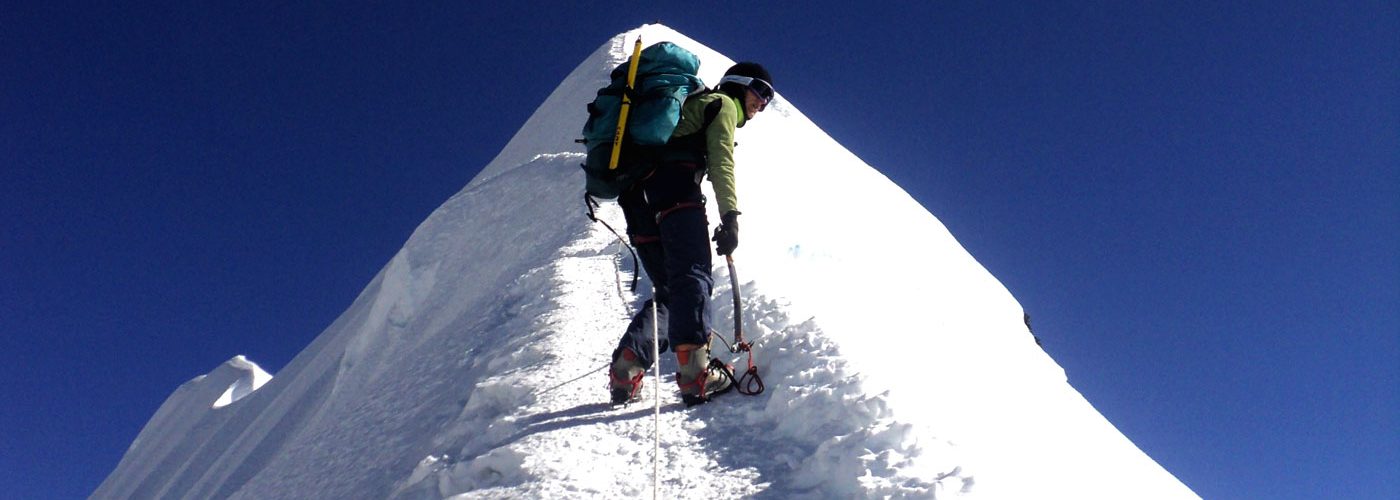
A Nepal peak-climbing journey combines a high-altitude trek with genuine mountaineering. Depending on the mountain, climbers may learn or use crampons, an ice axe, harness, jumar, fixed ropes and glacier-travel techniques.
The experience normally includes:
- Trekking through remote Himalayan landscapes
- Staying in Sherpa and mountain villages
- Learning basic alpine climbing techniques
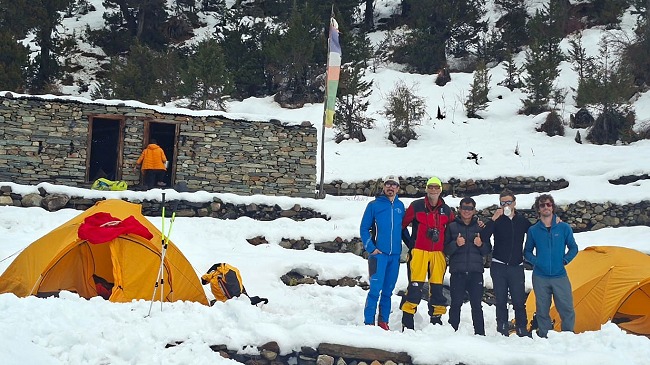
- Camping at a high-altitude base camp
- Crossing snow, ice and glacial terrain
- Climbing with an experienced Nepalese guide
- Attempting a Himalayan summit
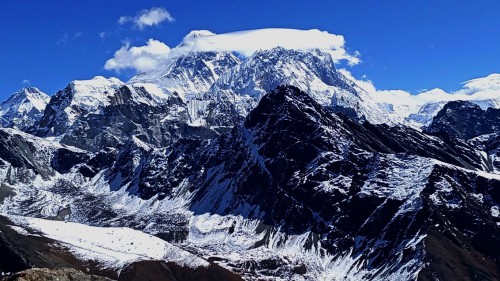
- Seeing some of the world’s highest mountains
Reaching the summit can never be guaranteed. Weather, snow conditions, health, acclimatization and the guide’s safety assessment always determine whether a summit attempt continues.
Best Peaks to Climb in Nepal
Island Peak – 6,165 m
Island Peak, locally known as Imja Tse, is one of Nepal’s most popular introductory climbing peaks. It lies in the Everest region near Chhukung and can be combined with Everest Base Camp.
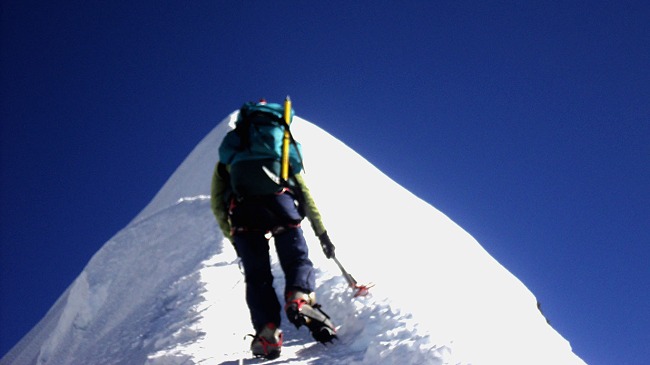
The climb normally involves glacier travel, crampons, fixed ropes and a steep snow or ice section near the summit. It is suitable for fit trekkers who want their first Himalayan mountaineering experience with proper training and professional guidance.
Best for: First Himalayan peak, Everest-region trekking and basic climbing experience.
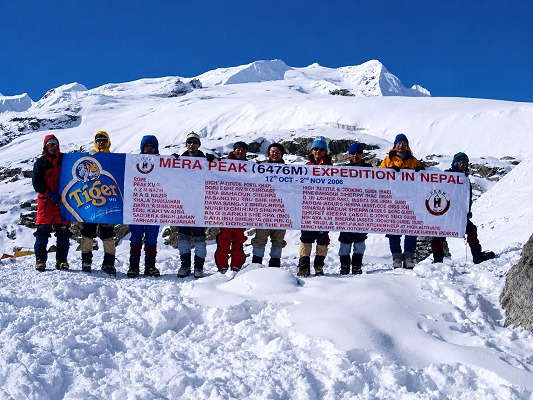
Mera Peak – 6,476 m
Mera Peak is one of Nepal’s highest permitted trekking peaks. It lies in the remote Hinku Valley and offers views of Everest, Lhotse, Makalu, Cho Oyu and Kanchenjunga in suitable weather.
The standard route is generally less technical than Island Peak, but its greater altitude and long summit day make it physically demanding.
Best for: Strong trekkers seeking a high summit with limited technical climbing.
Lobuche East – 6,119 m
Lobuche East is a more technical option in the Everest region. The climb may include steep snow, ice, fixed ropes and exposed sections, depending on seasonal conditions.
It can be combined with Everest Base Camp, Gokyo Lakes and Cho La Pass. Climbers should be comfortable with high altitude and should complete basic climbing training before the summit attempt.
Best for: Climbers seeking a more technical Everest-region summit.
Peace Nepal Treks should identify the package clearly as Lobuche East or Lobuche West. These are different climbing objectives with different elevations and classifications.
Pisang Peak – 6,091 m
Pisang Peak rises above the beautiful Manang Valley and is commonly combined with the Annapurna Circuit. Its position provides impressive views of Annapurna II, Annapurna III, Gangapurna, Tilicho Peak and the surrounding mountains.
The route includes steep sections and may require fixed-rope climbing, depending on conditions.
Best for: Annapurna Circuit trekkers who want to add a Himalayan summit.
Chulu West – 6,419 m
Chulu West is a challenging climbing peak above the Manang Valley. The approach follows part of the Annapurna Circuit before moving towards the climbing camps.
Its high altitude, long summit day and glacial terrain make it suitable for well-prepared trekkers with previous climbing experience.
Best for: Experienced climbers seeking a demanding Annapurna-region ascent.
Ama Dablam – 6,812 m
Ama Dablam is one of the most beautiful and technically demanding mountains in Nepal. It requires strong rock, snow and ice-climbing skills and is not an introductory trekking peak.
Climbers should have previous technical mountaineering experience and be confident using fixed ropes at high altitude.
Best for: Experienced mountaineers preparing for a serious technical expedition.
Which Nepal Peak Is Best for You?
| Peak | Elevation | General level | Suitable for |
|---|---|---|---|
| Yala Peak | Approximately 5,500 m | Introductory | Fit beginners with training |
| Pokalde Peak | 5,806 m | Introductory to challenging | First-time climbers |
| Island Peak | 6,165 m | Challenging | Fit trekkers learning alpine skills |
| Mera Peak | 6,476 m | Strenuous | Strong trekkers focused on altitude |
| Lobuche East | 6,119 m | Challenging and technical | Climbers with basic rope experience |
| Pisang Peak | 6,091 m | Challenging | Annapurna trekkers and climbers |
| Chulu West | 6,419 m | Difficult | Experienced high-altitude trekkers |
| Ama Dablam | 6,812 m | Highly technical | Experienced mountaineers |
Difficulty can change with snow, ice, weather and route conditions. A mountain should not be selected only by comparing its elevation.
Trekking Peaks and Mountain Expeditions: What Is the Difference?
Peak climbing and mountaineering expeditions are not the same.
Trekking-peak climbing
Trekking peaks are normally approached through an established trekking route. The climbing section may require crampons, ropes, a harness, jumar and an ice axe. Many 6,000-metre peaks fall into this general category, although some are technically serious.
Popular examples include Island Peak, Mera Peak, Lobuche East and Pisang Peak.
Mountain expeditions
Expeditions usually involve higher or more technical mountains, longer schedules and more complicated logistics. They may require several camps, additional climbing Sherpas, fixed-rope preparation, oxygen systems and a larger support team.
Explore our Mountain Expeditions in Nepal for 7,000-metre and 8,000-metre climbing options.
Do You Need Previous Climbing Experience?
The required experience depends on the mountain.
Some introductory peaks may be suitable for very fit trekkers who complete climbing training with a qualified guide. More technical mountains require previous experience with:
- Crampons and ice axe
- Harness and carabiners
- Ascending with a jumar
- Descending or abseiling
- Fixed-rope safety
- Glacier travel
- Snow and ice climbing
- High-altitude camping
Good trekking fitness alone does not automatically make someone ready for a technical climb. Peace Nepal Treks reviews each participant’s trekking history, climbing skills and physical preparation before recommending a mountain.
Peak-Climbing Permits in Nepal
A climbing permit is required for regulated climbing peaks in Nepal. The issuing authority, permit price and conditions depend on the mountain, elevation, season and current government classification.
Peace Nepal Treks assists with:
- Climbing permits
- Conservation-area or national-park permits
- Local entry fees
- Trekking registration where applicable
- Required documentation
- Guide and climbing-team arrangements
- Government liaison and expedition formalities
Regulations and permit fees can change. Confirm current requirements before booking. Official mountaineering information is available from the Nepal Mountaineering Association and Nepal’s tourism authorities.
Best Time for Peak Climbing in Nepal
Spring: March to May
Spring is one of Nepal’s main climbing seasons. Temperatures gradually become warmer, daylight hours increase and many higher mountains have established climbing operations.
April and May are popular months for 6,000-metre peaks and major expeditions.
Autumn: September to November
Autumn often provides clear skies, comparatively stable conditions and excellent mountain visibility. October and November are popular for Island Peak, Mera Peak, Lobuche East, Pisang Peak and other trekking peaks.
Winter and monsoon
Some lower peaks may be attempted during winter, but temperatures are extremely cold and snow can make access difficult. The summer monsoon brings cloud, rain, flight disruption and unstable trail conditions.
The final climbing schedule should always consider the specific mountain—not only the general Nepal trekking season.
Training and Physical Preparation
Climbers should begin focused preparation several months before departure. A useful training programme includes:
- Long-distance hill walking
- Stair climbing with a weighted backpack
- Cardiovascular endurance training
- Leg, core and upper-body strengthening
- Consecutive long walking days
- Basic rope and climbing practice
- Recovery, mobility and flexibility sessions
Participants attempting technical peaks should practise crampon movement, ice-axe use, rope techniques and abseiling before travelling to Nepal whenever possible.
Acclimatization and Altitude Safety
Proper acclimatization is essential for every Himalayan climb. A safer schedule includes gradual elevation gain, suitable rest days and training climbs before the summit attempt.
Our guides monitor participants for possible symptoms of altitude illness. If symptoms become dangerous, the guide may delay the climb, change the route, order a descent or arrange evacuation.
Emergency oxygen may provide temporary support, but it does not replace descent or professional medical treatment.
Every climber must have insurance covering:
- The mountain’s full elevation
- Mountaineering or peak climbing
- Emergency helicopter evacuation
- Medical treatment
- Trip cancellation and interruption
Normal trekking insurance may not cover the use of ropes, crampons or climbing above 6,000 metres.
Climbing Equipment
Depending on the peak, climbers may require:
Personal clothing and equipment
- Mountaineering boots
- Trekking boots
- Down jacket
- Waterproof shell jacket and trousers
- Thermal base layers
- Insulated gloves
- Glacier sunglasses and goggles
- Warm sleeping bag
- Climbing helmet
- Harness
- Crampons
- Ice axe
- Jumar or ascender
- Descender
- Locking carabiners
Group climbing equipment
- Climbing ropes
- Snow stakes and ice screws
- Tents and camping equipment
- Cooking equipment
- First-aid supplies
- Emergency communication equipment
- Route-fixing equipment where required
The exact equipment list will be provided after selecting a mountain. Never assume that every package includes all personal climbing gear.
Accommodation and Meals
Most climbing journeys use a combination of:
- Hotels in Kathmandu
- Teahouses during the trekking approach
- Tented camps near the mountain
- High camps for longer or more technical expeditions
Teahouses provide simple twin-sharing rooms and locally prepared meals. At base camp and high camp, the support team prepares meals according to available supplies and climbing logistics.
Facilities become basic at higher elevations. Hot showers, charging and Wi-Fi may not be available at base camp.
What Is Normally Included?
Package inclusions vary by mountain, but a supported climbing programme may include:
- Airport transfers
- Domestic flights and ground transportation stated in the itinerary
- Hotel and trekking accommodation
- Base-camp or high-camp accommodation
- Licensed trekking and climbing guides
- Porter or yak support
- Climbing permits and trekking permits
- Guide and porter wages, meals, accommodation and insurance
- Group climbing and camping equipment
- Meals during camping days
- First-aid support
- Government taxes and company service charges
The package page for each mountain should list the exact inclusions and exclusions.
Why Climb with Peace Nepal Treks?
Peace Nepal Treks is a locally operated trekking and climbing company based in Thamel, Kathmandu. We have organized Himalayan journeys in Nepal since 2004.
Our climbing services focus on:
- Experienced Nepalese climbing guides
- Carefully planned acclimatization
- Honest difficulty assessments
- Proper permit arrangements
- Fair treatment of guides and porters
- Clear package inclusions
- Personal pre-trip communication
- Private and small-group departures
- Emergency and contingency planning
- Responsible travel in mountain communities
We can also customize an expedition based on your available dates, climbing experience and long-term mountaineering goals.
Peak Climbing and Mountaineering Expeditions in Nepal
Explore Nepal’s popular trekking peaks and expedition mountains, including their elevation, Himalayan range, location and principal access route.
| No. | Peak | Elevation | Himalayan Range | Region / District | Main Approach Route |
|---|---|---|---|---|---|
| 1 | Chulu East | 6,584 m | Damodar Himal | Gandaki | Kathmandu–Besisahar–Ngadi–Jagat–Dharapani–Base Camp |
| 2 | Chulu West | 6,419 m | Manang Himal | Gandaki | Kathmandu–Besisahar–Ngadi–Jagat–Dharapani–Base Camp |
| 3 | Ganja La Chuli (Naya Kanga) | 5,863 m | Langtang Himal | Bagmati | Kathmandu–Dhunche–Syabrubesi–Lama Hotel–Kyanjin Gompa–Ganja La Base Camp |
| 4 | Hiunchuli | 6,434 m | Annapurna Himal | Gandaki | Kathmandu–Pokhara–Chhomrong–Bamboo–Base Camp |
| 5 | Imja Tse (Island Peak) | 6,165 m | Khumbu Himal | Solukhumbu | Kathmandu–Lukla–Namche Bazaar–Tengboche–Pangboche–Dingboche–Chhukung–Base Camp |
| 6 | Kongma Tse (Mehara Peak) | 5,849 m | Khumbu Himal | Solukhumbu | Kathmandu–Lukla–Namche Bazaar–Dole–Machhermo–Gokyo–Base Camp |
| 7 | Kusum Kanguru | 6,360 m | Khumbu Himal | Solukhumbu | Kathmandu–Lukla–Namche Bazaar–Thame–Khumjung–Base Camp |
| 8 | Kwangde Peak | 6,086 m | Khumbu Himal | Solukhumbu | Kathmandu–Lukla–Namche Bazaar–Kwangde Base Camp |
| 9 | Lobuche Peak | 6,090 m | Khumbu Himal | Solukhumbu | Kathmandu–Lukla–Namche Bazaar–Gokyo–Dzongla–Base Camp |
| 10 | Mera Peak | 6,470 m | Khumbu Himal | Solukhumbu | Kathmandu–Lukla–Paiya–Panggom–Kothe–Thaknak–Khare–Base Camp |
| 11 | Mount Abi | 6,043 m | Mahalangur Himal | Solukhumbu | Lukla–Namche Bazaar–Khumjung–Gokyo–Abi Base Camp |
| 12 | Mount Bokta | 6,114 m | Kanchenjunga Himal | Taplejung | Taplejung–Kanchenjunga South Route–Bokta Base Camp |
| 13 | Mount Chekigo | 6,121 m | Gaurishankar Himal | Dolakha | Charikot–Simigaon–Beding–Base Camp |
| 14 | Mount Cholatse | 6,423 m | Mahalangur Himal | Solukhumbu | Lukla–Namche Bazaar–Pheriche–Cholatse Base Camp |
| 15 | Mount Kyazo Ri | 6,151 m | Mahalangur Himal | Solukhumbu | Lukla–Namche Bazaar–Machhermo–Kyazo Ri Base Camp |
| 16 | Mount Langsisa Ri | 6,412 m | Langtang Himal | Rasuwa | Syabrubesi–Lama Hotel–Langtang–Kyanjin Gompa–Langsisa Base Camp |
| 17 | Larkya Peak | 6,416 m | Manaslu Himal | Gorkha | Gorkha–Machha Khola–Samagaun–Larkya Base Camp |
| 18 | Lobuche West | 6,135 m | Mahalangur Himal | Solukhumbu | Lukla–Namche Bazaar–Lobuche–Base Camp |
| 19 | Nirekha Peak | 6,159 m | Mahalangur Himal | Solukhumbu | Lukla–Namche Bazaar–Gokyo–Cho La Area–Base Camp |
| 20 | Ombigaichen Peak | 6,340 m | Mahalangur Himal | Solukhumbu | Lukla–Namche Bazaar–Pangboche–Base Camp |
| 21 | Phari Lapcha Peak | 6,017 m | Mahalangur Himal | Solukhumbu | Lukla–Namche Bazaar–Dole–Machhermo–Gokyo–Base Camp |
| 22 | Yubra Himal | 6,048 m | Langtang Himal | Rasuwa | Syabrubesi–Lama Hotel–Langtang–Kyanjin Gompa–Yubra Base Camp |
| 23 | Paldor Peak | 5,903 m | Ganesh Himal | Dhading / Rasuwa | Kathmandu–Dhading–Ankhu Khola–Ri Gaun–Sertung–Somdang–Base Camp |
| 24 | Pharchamo Peak | 6,279 m | Rolwaling Himal | Dolakha | Kathmandu–Dolakha–Sigati–Jagat–Simigaon–Beding–Na–Base Camp |
| 25 | Pisang Peak | 6,091 m | Manang Himal | Gandaki | Kathmandu–Besisahar–Bahundanda–Chamje–Bagarchhap–Chame–Pisang Base Camp |
| 26 | Ramdung Peak | 5,900 m | Rolwaling Himal | Dolakha | Kathmandu–Dolakha–Sigati–Beding–Na–Tsho Rolpa–Ramdung Base Camp |
| 27 | Singu Chuli (Fluted Peak) | 6,501 m | Annapurna Himal | Gandaki | Kathmandu–Pokhara–Tikhedhunga–Ghorepani–Tadapani–Chhomrong–Base Camp |
Plan Your Nepal Peak-Climbing Adventure
Tell us:
- The mountain you want to climb
- Your preferred travel dates
- Your trekking and climbing experience
- Your highest previous altitude
- Your group size
- Whether you need climbing-equipment rental
- Your available trip duration
Our local team will recommend a suitable climbing programme and provide the itinerary, cost, permit information, equipment list and preparation advice.
Contact Peace Nepal Treks to start planning your Himalayan climb.